🗣️We are preparing for the election of the new #IAVS- #Young#Scientists#SteeringCommittee🌱
If you are interested, send your #application introducing yourself and explaining how you may contribute to our community💡
My 4th PhD paper explored how satellite remote sensing can enhance our understanding of bird diversity in Afrotropical urban and non-urban habitats. We found that the Modified Chlorophyll Absorption Ratio Index (MCARI) and the Normalized Difference Water Index II (NDWI2) are more effective indicators of avian diversity than the commonly used NDVI. Check out our findings and share your thoughts and this post!
https://t.co/M6zOVVUs5U
The climate #rstats package is back on CRAN!
It helps to download meteorological and hydrological data from several publicly available repositories.
https://t.co/jgl8DgZMpZ
#rstats#climate#data
In the second publication of my PhD thesis with @mkdyderski, we analyse alpha diversity metrics of vegetation using ground data collection and vegetation classification informed by remote sensing techniques.
The link to the paper (open access): https://t.co/ChqdjInoJa
So far, #Neobiota2024 has been amazing. The research and ideas presented at this conference (especially from early career researchers) are another indicator that invasion ecology is a thriving scholarly field of increasing elevance to science & society. #invasivespecies
On Thursday 10:15 @Anibaba_007 will present impacts of successional #stage of post-mining #vegetation determining inhibitory effects of both native (Calamagrostis) and alien (Solidago) species
����Introducing our new editors🌟Meet Dr. Magda Julkowska from the BTI, Cornell University, USA. Dr. Julkowska´s lab focuses on stress-induced changes in plant architecture and their effects on overall plant performance. More info 👉 https://t.co/IyjwOkx2If Welcome to TPJ, Magda!
The new #ZooTraits R Shiny app explore animal trait data for ecological and evolutionary studies. Dive into a universe of over 23,000 species traits across multiple ecosystems and taxonomic groups, now more accessible than ever. (1/7) #Ecology#Evolution#OpenScience
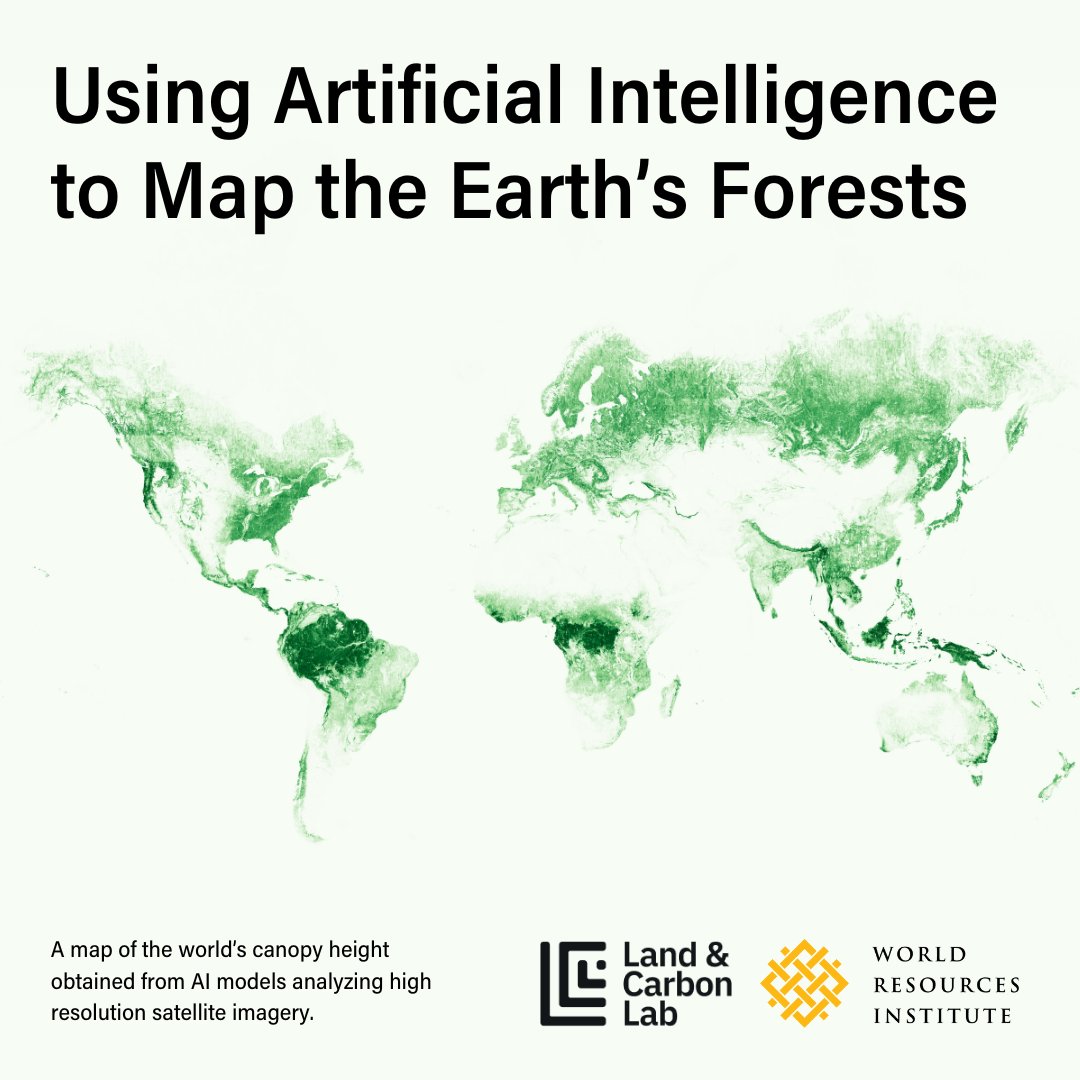
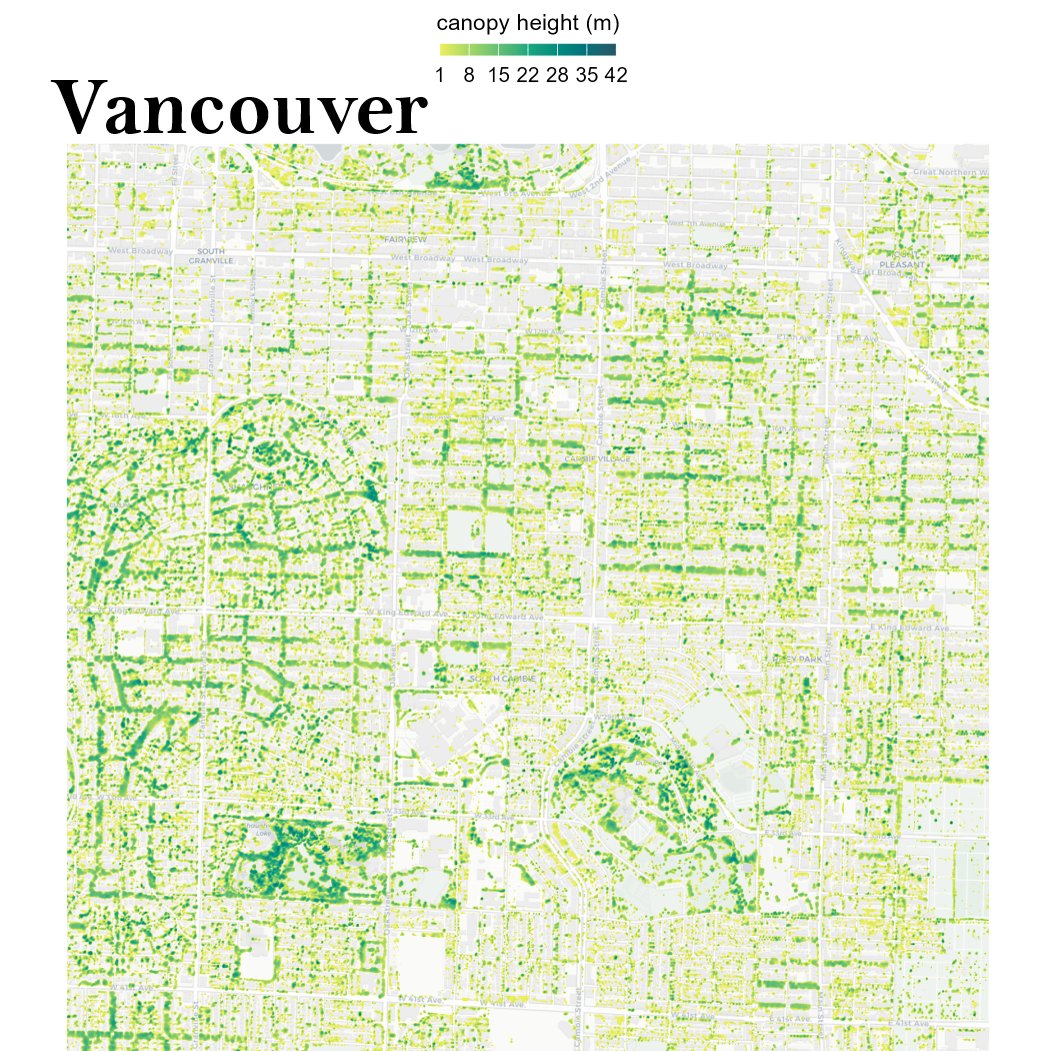
🗺️@Meta, @WorldResources & @landcarbonlab have launched the first #AI-powered, 1-meter resolution global map of tree canopy height🌳
The model & data are made free & available to advance open source monitoring & improve our ability to adapt to #climatechange.
More info👉https://t.co/3KRBQFwCDF