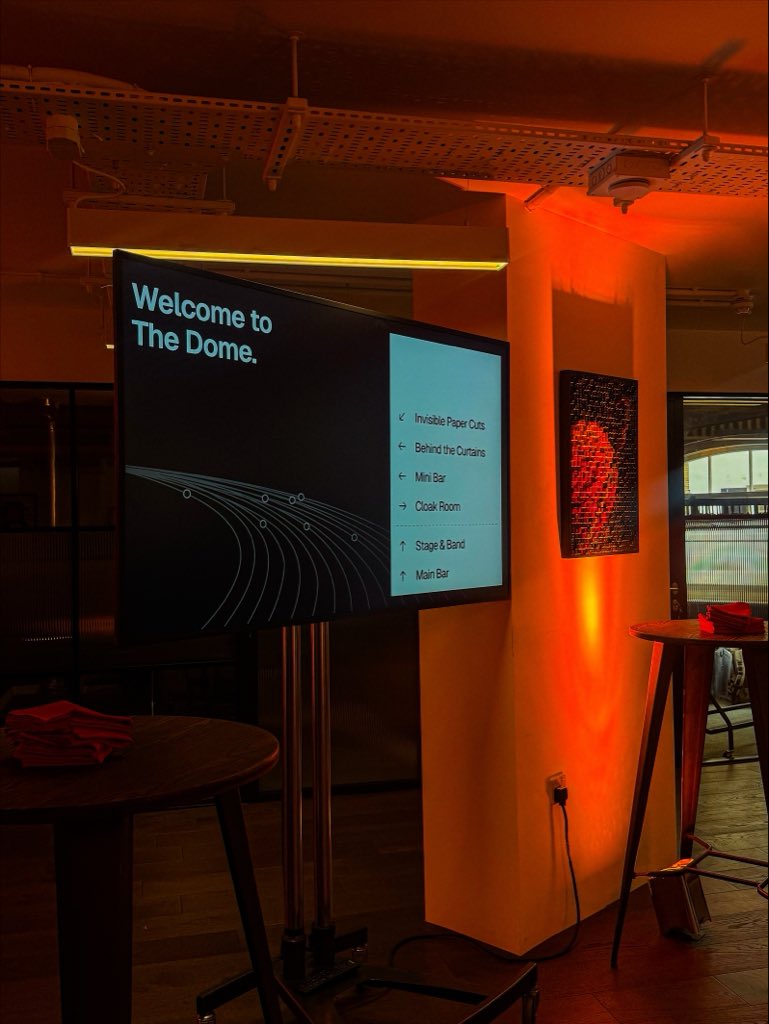
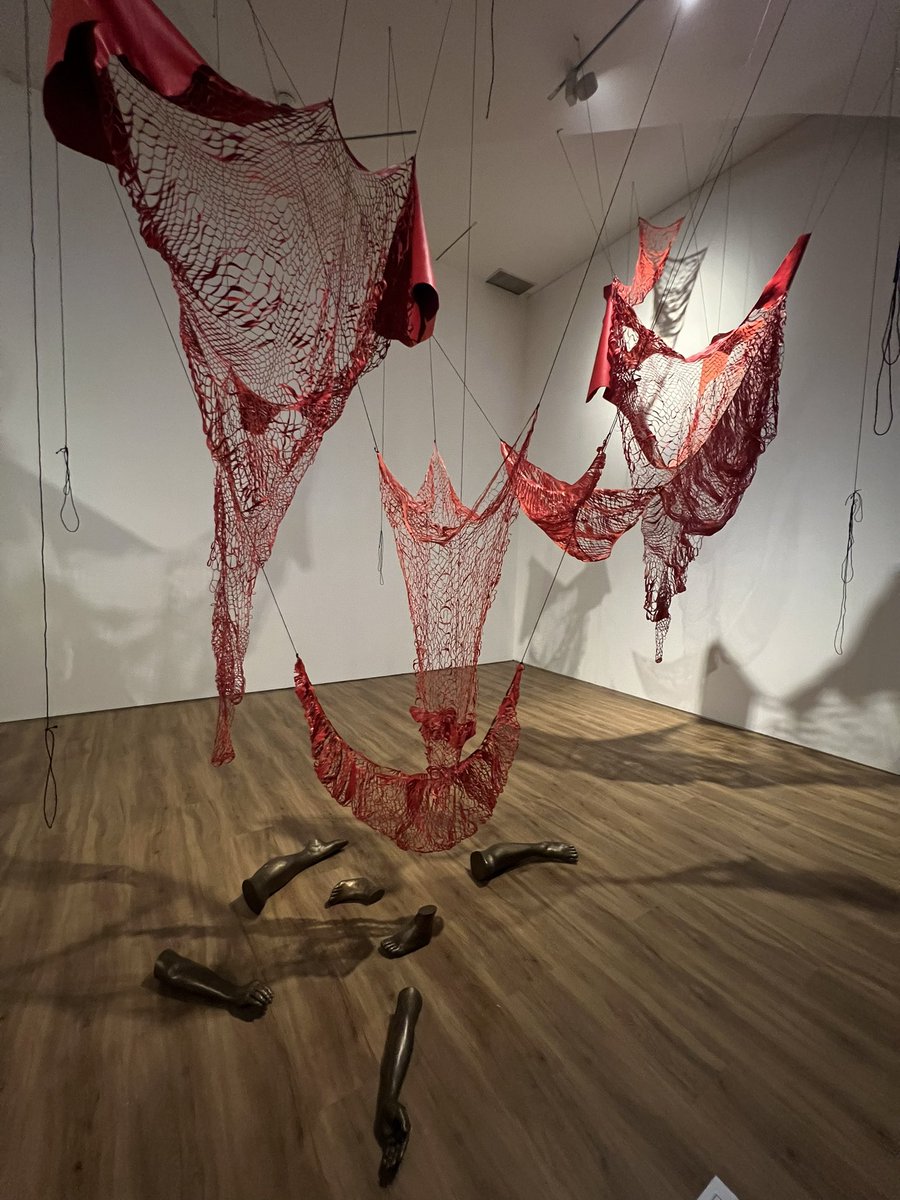
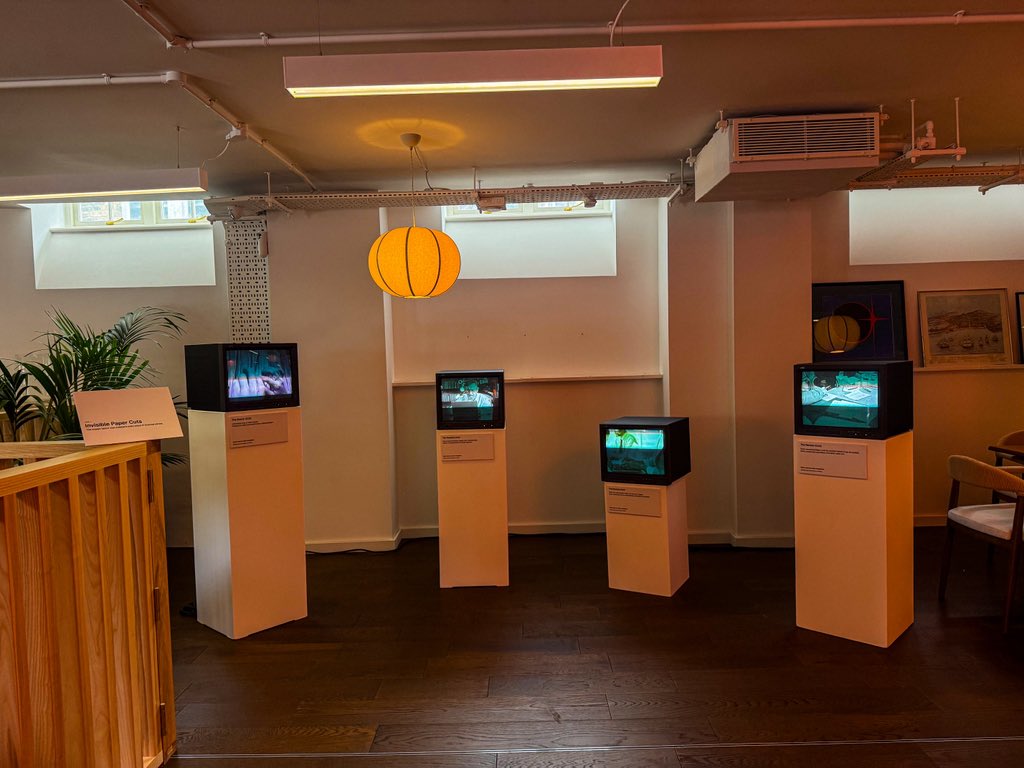
We never designed products on a canvas as a one-shot. There was a lot of back and forth across screens as we iterated towards the final version. Today I design with code, but I’m realising that the behaviour still remains with me.
The obvious is missing.
So we built Sol - https://t.co/ph4XsBV5b5
Sol finds the work itself, does it, and comes back for your approval.
Every day in our emails we say "I’ll share”, "I'll review”, "I'll get back" - then repeat the exact same thing to an AI. Why?
Sol finds everything you said you’d do & gets them started for you.
It does the research, creates the doc, builds the slides, finds the time, connects the dots across multiple emails, doing everything it takes to get the job done - but doesn’t send, schedule, or share anything until you approve.
Sol runs on its own computer, uses a browser, and has a library of skills that automatically get assigned to the work that needs to get done. No setup. It just starts working.
We've raised $4M from General Catalyst, Nexus Venture Partners, DeVC, PeerCheque, Kunal Shah, and a few others.
Extending early access now.
@generalcatalyst@nexusvp@DeVC_Global@peercheque@neerajarora@b_jishnu@kunalb11@miten@RTinkslinger@Rahul_J_Mathur@AkarshS27@SiddhantD06@RajatAgarwal167
been building something to make working with agents feel a little less like explaining yourself over and over.
we’ve been using it at @Saturn__OS for the last couple of weeks and it’s already cut out hours of back and forth.
putting it out in couple of days
We’re honored to sponsor @ConjectureInst ConCon Europe in Oxford happening today and tomorrow.
AI, physics, quantum computing, progress, popper, and @DavidDeutschOxf in the room.
Small, invite-only, now sold out.
For everyone who got in, see you there.
Very Saturn.
Most confusion about the future of software design stems from a confusion in terminology.
My view: production design will increasingly be automated. The economic logic is self-evident — training machines to mimic and refine existing production practices is cheaper, faster, and more reliable than training humans to do the same.
Strategic design, or “what at are we doing and why,” will look very different. The mediums will broaden: from pencil and paper all the way to automated experiments running in production, iterated on by agents while we sleep.
The inputs and systems we create to find opportunities will reward the most intrepid problem-finders. Design stops being a method of sitting and ruminating on possible forms or solution spaces. Design becomes active, research-based, and built around speed of discovery and expression.
Exploratory design will undergo the greatest shifts. Historically this has been the domain of the artist and the inventor. What existed in the world sprung from the imaginations of people with waking hours to spare and the technical chops to give form to their ideas.
But soon agents will join the mix. Humans and machines alike will generate novel ideas and expressions, building on a vast combinatorial space of possibility. Humans and machines alike will be capable of bringing these forms to market.
The key difference? Humans sleep and have finite, socially agreed upon vocabulary. We may be intuitively suited to know the desires of our fellow man. But machines will have a vaster set of references to draw from, and methods to choose what's most effective in the wild — using taste/selection criteria no human operator alone can summon.
These forces are not mutually exclusive. But they DO operate on a common landscape of global demand—of Desire in the grandest sense.
No matter how much we might wish otherwise, human designers and creatives are not divorced from the logic of desire — nor from unit economics, opportunity costs, or the ever-evolving ways we probe and understand an open-ended set of markets made up of humans and agents alike. Creativity has no bounds. But desire underpins it all.
Design itself will not be recognizable from what exists today. Imagine describing NYC to an ancient cave dweller. Agents today are like the most primitive forms of seafaring trade.
Instead it will be defined by the designers who build new systems and methods for understanding, channeling, and feeding desire in all its forms.
gm gm walked past maybe the cleanest bit of street level marketing I’ve seen in a while
@claudeai ran a pop up inside a tiny London newsstand this weekend and the line wrapped around the block. People waited almost an hour to grab a free cap
After first day Saturn AI realised the crowd would return so they rented a truck with a giant ad board and parked it right in front of the queue.
Everyone waiting for a Claude cap ends up staring directly at their ad