If you own a pool and love animals (or at least don't hate them) then you need a FrogLog. It's remarkably effective at saving animals from one of the cruelest deaths imaginable. @thefroglog https://t.co/n8kmZ8ikda
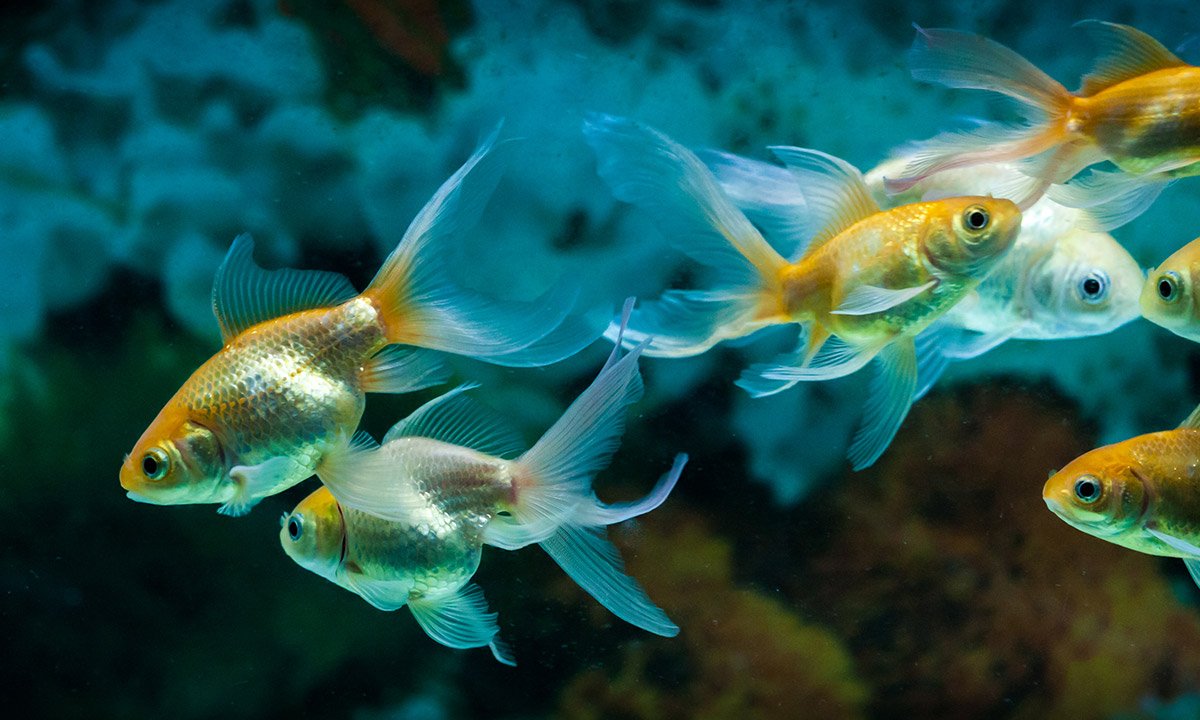
@CorcoranDesi Yes. I'd strongly recommend taking a look at 'What A Fish Knows' by @Jonathanpb1959 to learn more about fish sentience and the brilliant scientific studies that have been developed to evaluate fish pain sensitivity.
Fish feel pain. Like other vertebrates, many fish have evolved complex nervous systems allowing them to feel and react to painful stimuli. Some fish demonstrate avoidance behavior for months following a painful experience. 🐟
@NikkiHJ4@DaveLewis12 Our problem was never really with the shepherds. It's with intensive factory farming and animal suffering. Recognize that we're into a fairly absurd hypothetical at this point. There will always be farms and sanctuaries. Species extinction is not one of the possible outcomes.
@DaveLewis12@NikkiHJ4 All fair questions. Outside the field of our expertise. From what I gather, wild cows wear down their hooves naturally from walking. Wild sheep naturally shed their coats and not need shearing. Domestic sheep, selectively bred for wool production may forever need human care.
@DaveLewis12@NikkiHJ4 You raised concerns of both animal extinction and rampant overpopulation. What we're saying is that there's a third and far more likely outcome somewhere between those two extremes.
@DaveLewis12@NikkiHJ4 As demand for meat declines, the industry slows breeding... fewer new animals replace ones that are killed for food production (chickens are slaughtered at: 7 weeks, pigs: 7 months, cows: 2-3 years). The population gradually declines.
@DaveLewis12@NikkiHJ4 No. To be clear, there's no scenario in which billions of farmed animals are released at once into the wild. Farmed animals are bred into existence and slaughtered over a relatively short time span. Humans have great control over farmed animal populations.
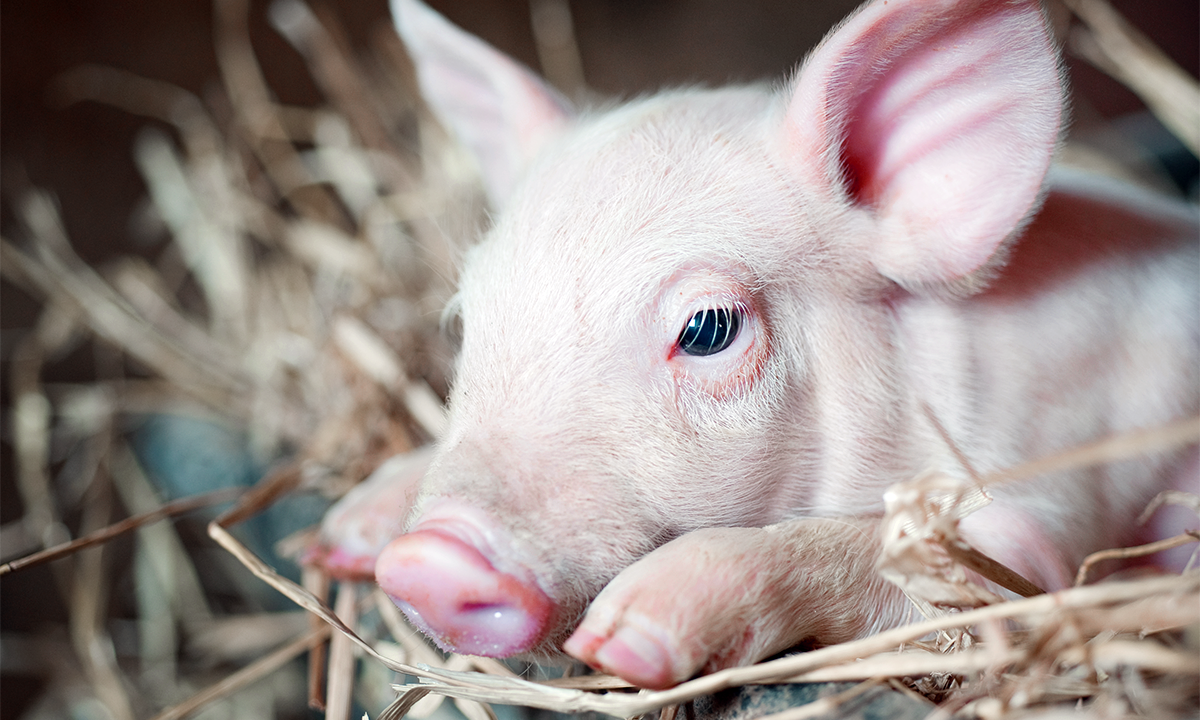
@JanSobieskiPW Pigs and humans and many other animals dream. There are some really interesting studies that have been done to figure out what other animals dream about.
https://t.co/LDLmA6K7lA
@Nadshots It's a great point. Our focus is on improving animal welfare and reducing meat consumption and waste. 26% of U.S. retail meat ends up in the trash. People can help reduce animal suffering even if they're not ready to make a dramatic diet change.
@LogKa11 Pigs can look up... just not straight up. Sitting on their haunches, they get a pretty good view of the sky. They can also tilt their head to the side or lay down for a solid sky view.
@NikkiHJ4@DaveLewis12 There's quite a lot of open land not occupied by humans. Even in populated areas, you'll find deer, geese, rabbits, wild turkeys and plenty of other animals not raised for food. Southern states are dealing with a feral pig overpopulation problem right now.
@SoundEngUK @xReality_Checkx No dumb questions. Yes, without factory farming, there would be far fewer farm animals. I think the question is whether more lives are always better? Is existence always a good thing regardless of the degree of guaranteed suffering.
@TGC_Cartoonist Regarding #2, does the humane treatment rule only apply to the method of slaughter or to the treatment of the animal through its entire life?
@BaptistCarlo@RealUtahMan No. We were just suggesting reading up on modern industrial farms, which is where the vast majority of farmed animals actually live.