(فَلَا تَعْلَمُ نَفْسٌ مَا أُخْفِيَ لَهُم مِنْ قُرَّةِ أَعْيُنٍ جَزَاءً بِمَا كَانُوا يَعْمَلُوْن.)
جاء في الحديث القدسي عن النبي صلى الله عليه وسلم عن رب العزة أعددتُّ لعبادي الصالحين ما لا عينٌ رأت ولا أذنٌ سمِعت ولا خطَر على قلبِ بشرٍ ذخرًا.
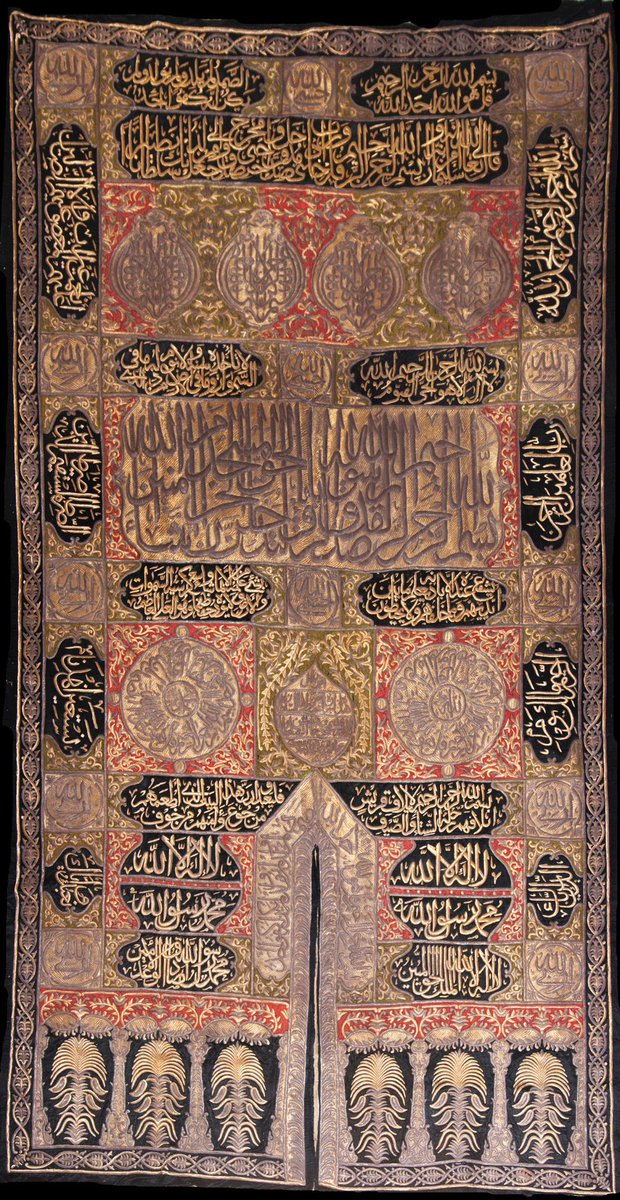
بشر حافى را رحمة الله عليه مريدى با وى گفت چون نان به دست آورم نميدانم كه به كدام نان خورش خورم، فرمود كه نعمت عافيت فرا ياد آر و آن را نان خورش خويش انگار.
[بهارستان جامى].
ثالثة مآذن الجامع الأموي، وتسمَّى بمئذنة العروس، بناها الوليد بن عبد الملك على غاية من الإتقان، وهي وإن كانت أقصر من سابقتيها إلا أنها غلبتهما في الحسن. يقول فيها بعض الظرفاء:
قَاسُوْا حَمَاةَ بِجِلَقٍّ فَأَجَبْتُهُمْ
هَذَا قِيَاسٌ فَاسِدٌ وَحَيَاتِكُمْ
فَعَرُوْسُ جَامِعِ جِلَّقٍ مَا مِثْلُهَا
شَتَّانَ بَيْنَ عَرُوْسِنَا وَحَمَاتِكُمْ
بسم الله الرحمن الرحيم.
منَّت خدايرا عز و جل كه طاعتش موجب قربت است و به شكر اندرش مزيد نعمت هر نفسی که فرو میرود ممد حیات است و چون بر میآید مفرِّح ذات پس در هر نفسی دو نعمت موجود است و بر هر نعمتی شکری واجب.
لا فقرَ للعاقل، لا راحةَ للحاسد، لا غمَّ للقانع، لا حياءَ لحريص، لَا راحةَ لملول، لا داءَ أعيا من الجهل، لا ثناءَ مع الكِبر، لا ظَفَرَ مع البغي، لا لباسَ أجملَ من السلامة، لا شفيعَ كالودود الناصح.
Clamavi de tribulatione mea ad Dominum et exaudivit me;
de ventre inferni clamavi,
et exaudisti vocem meam.
Proiecisti me in profundum in corde maris, et flumen circumdedit me;
omnes gurgites tui et fluctus tui super me transierunt.
Et ego dixi:
Abiectus sum a conspectu oculorum tuorum: verumtamen rursus videbo templum sanctum tuum.
Circumdederunt me aquae usque ad animam: abyssus vallavit me, pelagus operuit caput meum.
Ad extrema montium descendi,
terrae vectes concluserunt me in aeternum: et ascendit de corruptione vita mea ad te, Domine Deus meus.
Cum angustiaretur in me anima mea,
Domini recordatus sum:
et venit ad te oratio mea ad templum sanctum tuum.
The apostle Paul never explicitly refers to Jesus’ virgin birth nor does he ever name either Mary or Joseph. What he does affirm is that Jesus pre-existed before his human birth, and subsequently gave up his divine glory through his birth as a human being.
Nothing clarifies this Pauline idea more than this hymn from his letter to the Philippians:
ΠΡΟΣ ΦΙΛΙΠΠΗΣΙΟΥΣ 2:6-7
“ος μεν μορφη θεου υπαρχων, ουχ αρπαγμον ηγησατο το ειναι ισα θεω, αλλα εαυτον εκενωσεν μορφην δουλου λαβων εν ομοιωματι ανθρωπων γενομενος.”
Philippians 2:6-7
“Who, being in very nature God, did not consider equality with God something to be used to his own advantage; rather, he made himself nothing by taking the very nature of a servant, being made in human likeness.”
Moreover he writes elsewhere:
ΠΡΟΣ ΚΟΡΙΝΘΙΟΥΣ Β 8:9
“οτι δι’ υμας επτωχευσεν, πλουσιος ων ινα υμεις τη εκιενου πτωχεια πλουτησητε.”
2 Corinthians 8:9
“Though he was rich, yet for your sake he became poor, so that you through his poverty might become rich.”
He is likely referring here, metaphorically, to the “riches” of Jesus’ pre-existence with God, since there is no evidence that Jesus came from a wealthy family background. Paul also writes:
ΠΡΟΣ ΓΑΛΑΤΑΣ 4:4
“οτε δε ηλθεν το πληρωμα του χρονου εξαπεστειλεν ο θεος τον Υιον αυτου, γενομενον εκ γυναικος..”
Galatians 4:4
But when the set time had fully come, God sent his Son, born of a woman..”
Although this verse is often translated “born of a woman,” Paul avoids the Greek verb “γενναω” which means “to beget, to give birth to,” referring to either the mother or the father. The implication of these texts is that Jesus’ mother was merely the human receptacle for bringing Jesus into the world. It is not a far step from these ideas about Jesus’ pre-existence to the notion of Jesus as the first-begotten Son of God—eliminating any necessity for a human father. Paul’s entire message centers on a divine not a human Jesus, both before and after his death. For Paul, he is the pre-existent Son of God, crucified, but now raised to sit at the right hand of God. Like the Christian creeds that jump from Jesus’ birth to his death and resurrection in a single phrase, entirely skipping over his life, Paul paves the way for a confessional understanding of what it means to be a Christian.
As Bultmann once put it, it is the “thatness” of the Gospel which interested Paul–that he was born of a woman, he died, that he rose, that he is coming again–with nothing in between.
The Jewish followers of Jesus later known as the Ebionites by the Orthodox Church Fathers, rejected Paul, and used a version of Matthew in Hebrew that did not contain the account of the virgin birth in our present chapter 2 of the Greek text, and followed James the brother of Jesus in observing the Torah. It is difficult to imagine the virgin birth idea arising within these original Jewish circles whereas the perspectives of Paul lend themselves so easily to such mythology.
An alternative way of thinking about being a Christian is preserved in the gospel of Mark–our earliest narrative account of the career of Jesus. Mark mentions neither Jesus’ birth, nor any resurrection appearances on Easter morning (according to our earliest manuscripts that end with chapter 16:8).
When a would-be follower addresses Jesus as “Good Teacher,” (διδασκαλε αγαθε,) Jesus sharply rebukes him with the retort: “Why do you call me good, there is One who is good, God” (τι με λεγεις αγαθον; ουδεις αγαθος ει μη εις ο θεος.)
Mark emphasizes the suffering of Jesus on the cross, but only as a call to others to also “take up a cross” and thus give their lives as servants to others. In Mark, Jesus defines true religion as loving God and loving one’s neighbor, in contrast to all systems of religion. His version of the Jesus story is surely one that should not be forgotten, despite the ubiquitous triumph of Pauline theology.





![animusperse's tweet photo. بشر حافى را رحمة الله عليه مريدى با وى گفت چون نان به دست آورم نميدانم كه به كدام نان خورش خورم، فرمود كه نعمت عافيت فرا ياد آر و آن را نان خورش خويش انگار.
[بهارستان جامى]. https://t.co/uoTOasB2Nl](https://pbs.twimg.com/media/HClkDYSaIAAMPNb.jpg)


