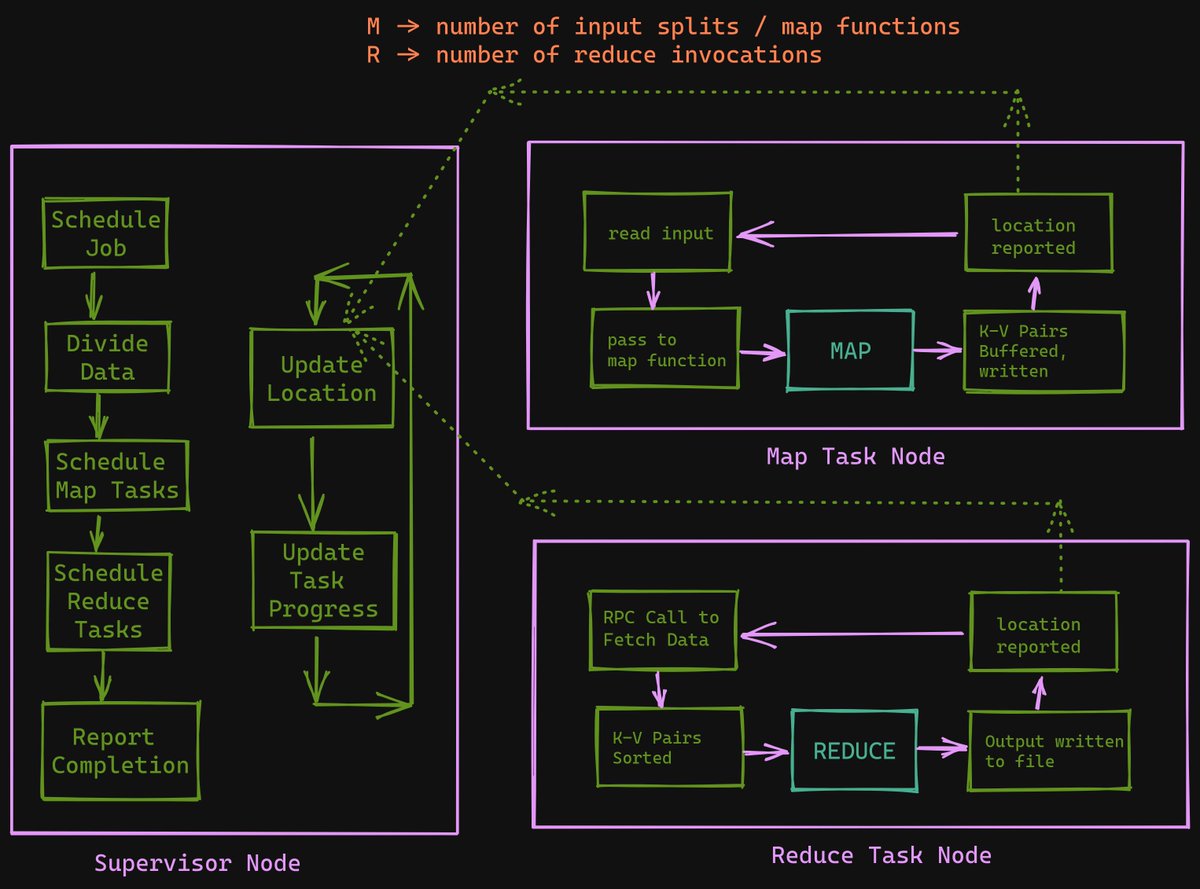
MapReduce is one of the foundational paradigms of Big Data processing, pioneered by Google!
In this blog post, I review the original paper, and add some diagrams to make it easy to understand!
https://t.co/uTjW2haduD
@liamarzola Yes, but there are ways around it. NVMe caching on reads + LCD tradeoffs (https://t.co/zrTac8sxnZ) on writes (or externalized WAL if absolutely a requirement).
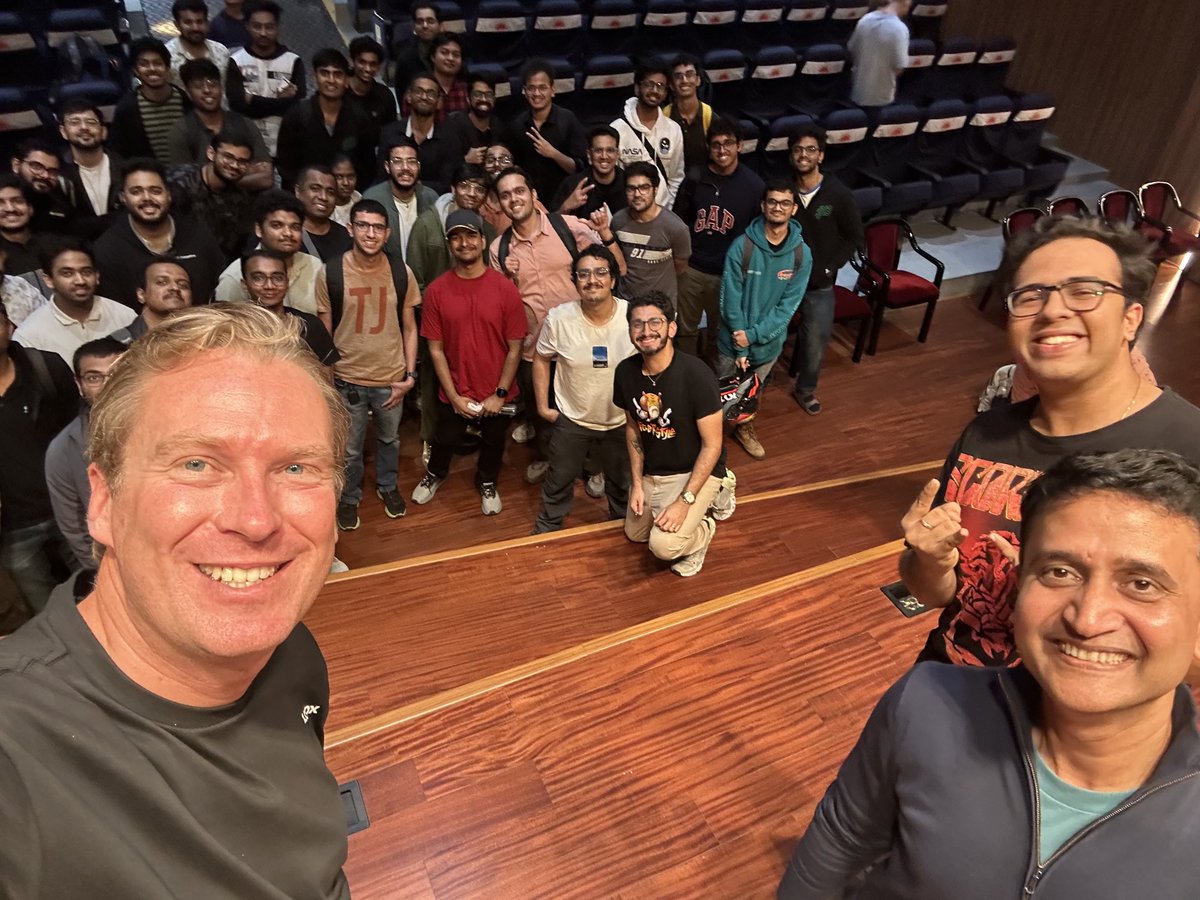
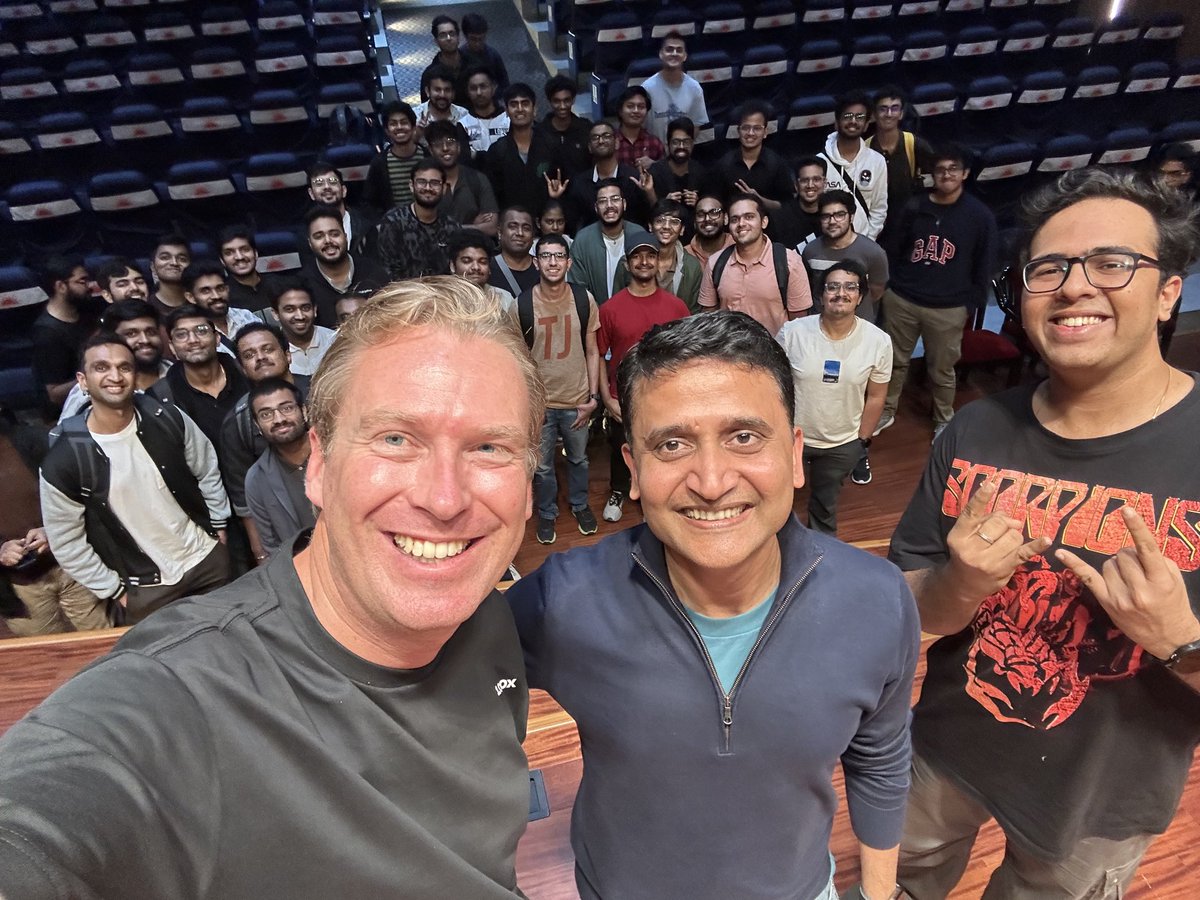
I'm going to be at @sigmod in Bengaluru next week. Looking forward to all the sessions on distributed storage, LSM Trees, storage engines, cloud native data systems - also lots of cool work around filters, consensus protocols, agentic workloads
happy to chat if you're there too!
One of the cool tricks I like about ring buffer implementation is avoiding false sharing via padding / alignment ..
In concurrent rings (especially SPSC), head and tail are frequently updated - possibly by different threads. If they share a cache line, you get false sharing: each thread’s updates invalidate the other’s cache line even though they’re touching different fields.
Typical fix:
• Put head and tail on different cache lines using padding/alignment, e.g. #[repr(align(64))] in Rust or explicit padding fields.
• Or store them in separate structs each cache-line-aligned.
This reduces cache-line ping-pong and stabilizes throughput/latency.
@jorandirkgreef@chaitybhandari@BengaluruSys@amodm Thank you, Joran! I had a great time and plenty of fun, and it was such a good time learning from you and Chaitanya - I'll be waiting to hear from you when you brew your first cup!
What a fantastic day this has been - I got to host @jorandirkgreef and @chaitybhandari in namma bengaluru on behalf of @BengaluruSys, got to see the 1000x talk live, and learnt so, so, so much about life and engineering from @amodm, Joran, and Chaitanya :D thank you, folks!
Thank you @AnirudhRowjee @amodm and all our friends @BengaluruSys for having us in Bengaluru!
And @chaitybhandari for flying halfway across the world to join me on tour.
An incredibly special day.
1000x BLR!
I'm beyond excited for this - meet your heroes! Come meet mine!
@jorandirkgreef and team's docs about their philosophy of engineering resonated a lot with me, a lighthouse of inspiration and rigor amidst a storm of "good enough" - I can't wait to learn, again, in-person!
Bengaluru Systems will be hosting Team @TigerBeetleDB for the Bengaluru leg of the 1000x World Tour!
Come hang out with us on 6th December and learn from some of the most amazing, category-defining Engineers we know - @jorandirkgreef, @amodm, and @chaitybhandari 🚀see you there!
@aryanvs_ All the best :)
Shameless plug, feel free to use Saaru if you don't want to config too much but want it to still be somewhat flexible
https://t.co/57E0yXIxqt
Couchbase’s breakthrough vector technology delivers billion-scale performance with high recall accuracy and millisecond latency. With the introduction of three distinct vector indexing and retrieval capabilities that support a variety of diverse vector workloads, Couchbase 8.0 provides a scalable, high performing, AI-ready data platform for building context-aware, real-time AI applications. #Couchbase 8.0 is available today!
Read the press release: https://t.co/CQF2pmb6XS
@mnwsth Nothing more discouraging as a first year student than hearing "you cannot do this here". Undergrads literally have not tasted "you cannot do this here". They don't know "here". It baffles me why some folks would waste such precious careless ambition with "can't do it here".
@krismicinski@dadua_daku I think this is good. Undergrad is probably the most low-stakes time to do this sort of thing, and everyone needs to hit some kind of wall, if only to learn how to climb it
This is how I was taught C++ at ITMO University:
1. Implement my own 'printf' in pure Assembly
2. Implement Big Integer class with CoW and SOO
3. Implement the QuickHull algorithm
4. Learn Type Erasure and implement my own std::function
5. Implement Persistent Binary Search Tree (PBST) using std::shared_ptr
6. Implement a custom Hoard memory allocator, optimised for multithreaded programming
I learned C++ before C.
I never looked at C++ as "C with Classes".