A central paper of my PhD @PIK_Climate with @ALevermann just got published in Journal of Climate @AMSJCLi 🎉
A 🧵 about open challenges in climate sciences and what idealized climate models can contribute.
Congratulations to PIK scientist @ankatzenberger for receiving the 2024 Outstanding Student and PhD Candidate Presentation Award from @EuroGeosciences for her work on monsoon dynamics in an idealized setup! 🥳👏💐
➡️ https://t.co/wcVzZt5PLX
📚 📙 The book Warnsignal Klima in cooperation with GEO is now printed 📗 📚 <
With interesting and up-to-date insights from more than 100 scientists (unfortunately, only available in German). My contribution can be found on p. 55 - 61.
https://t.co/p0PTSJ82MD
📊🎉 The next study of my PhD is now out! 📚🎉
In this study, we quantify how the East Asian Monsoon over China and adjacent regions is changing under different emission pathways using an ensemble of the latest generation climate models.
https://t.co/uCwKRunite
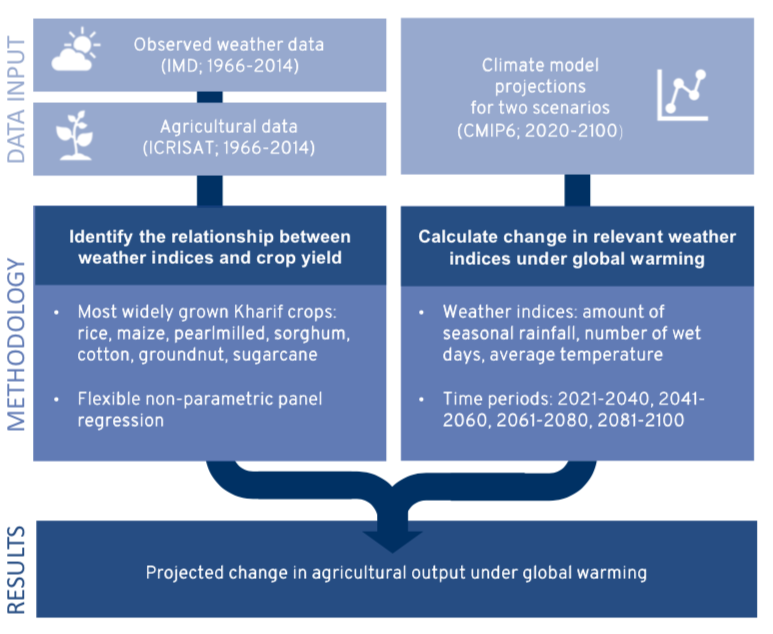
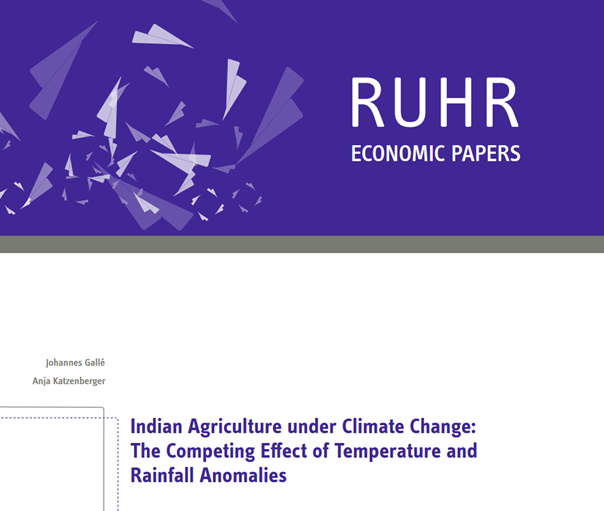
📊 Our new publication first-authored by @johannes_galle and me is now available📃.
In this interdisciplinary project, we examine how the observed and projected climatic changes in India translate to economic impacts in the agricultural sector. 🌾
https://t.co/rjILY9Rm4d
A new Ruhr Economic Paper estimates the relationship between weather and crop yield in India. Depending on the emission scenario, losses in rice production could range from 3 % to 22 % by the end of the 21st century. Full paper: https://t.co/KIw4dOmz1p
Great to hear, that people enjoyed my contribution @EGU. I also had great fun discussing my research with experts from the field. And thanks @agturnermonsoon and the entire team for convening this session and bringing all of us together in an intriguing #monsoon session.
Thanks to all who participated in oral & poster presentations in the #EGU24#monsoon session, as well as our poster judges & active audience. Many discussions still ongoing. I particularly enjoyed this innovative approach to a poster from @ankatzenberger
Thanks to all who participated in oral & poster presentations in the #EGU24#monsoon session, as well as our poster judges & active audience. Many discussions still ongoing. I particularly enjoyed this innovative approach to a poster from @ankatzenberger
I just saw this new publication in @Nature Communication Earth and Environment and find the idea of using solar eclipses as a natural experiment to study how clouds dissipate during short-term solar dimming quite original: https://t.co/r8uJjVD6JR
#IMD to shut 199 district agromet units #India, impacting millions of #farmers. These units were providing guidance directly to farmers especially related to soil moisture. Critical to deal with #ClimateCrisis impacts. 400 scientific staff to lose jobs
https://t.co/NGfyJ9TLpH
How air pollution (aerosols), changes in vegetation (via albedo) and other factors affect the monsoon and the barrier is explained in our paper:
https://t.co/cUo8oZlaJV
A central paper of my PhD @PIK_Climate with @ALevermann just got published in Journal of Climate @AMSJCLi 🎉
A 🧵 about open challenges in climate sciences and what idealized climate models can contribute.
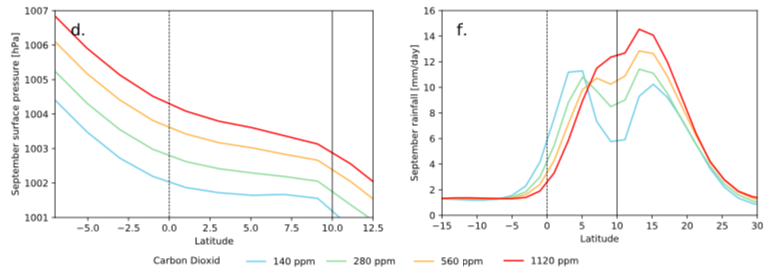
This pressure barrier is also affected by changing CO2 concentrations: Increasing CO2 levels decrease the barrier, enhancing moisture transport and strengthening monsoon rainfall.
You want to update your knowledge about climate change, learn about the latest studies, or gain insight into how climate models actually work? Then come and join @LennartQuante and me today at 8 pm at Rathaus Schöneberg in Berlin.
https://t.co/NPGY88Uyph
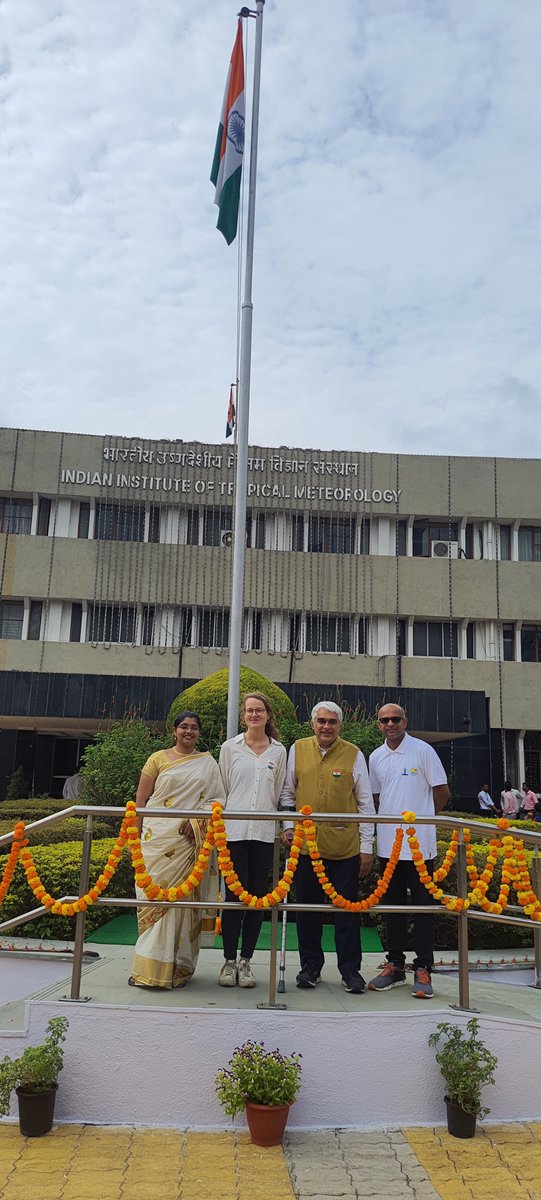
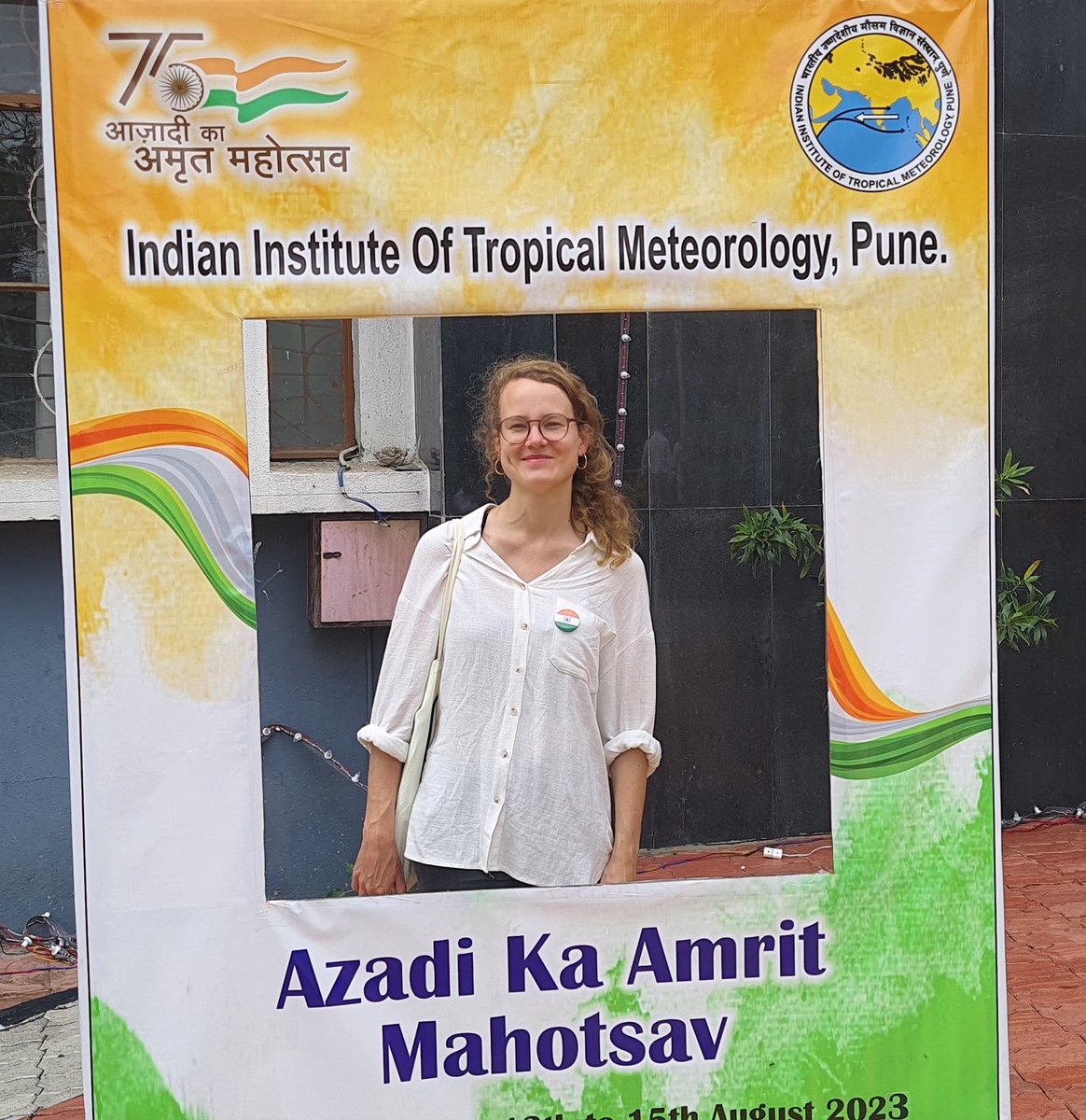
Reflecting on a productive and fun research stay @iitmpune in August. Grateful for the valuable insights in the diverse monsoon research conducted there, the feedback on my presented work as well as the hospitality. Big thanks to everyone who made it a great stay.