@mhw4bc @ChandrikaCC@norisblackbook They really have a parody for anyone nowadays 😭. As a parent/guardian I would probably have the account suspended or removed as they are impersonating a minor (I am not sure if that matters in theory) but I love the idea of releasing a statement from a verified parent’s account
@eqbqyd@ChandrikaCC I agree with you about having the account removed. Usually, I side w/ ignore bc it would come to light that these are not facts, but bc Trump’s account has been suspended before, this may be the first thing to pop up for some Twitter users, which would def lead to confusion.
The account bio (@ UofMisery) has a parody disclaimer, so as Mizzou admin I would repost this picture, take control of the situation, and re-emphasize the authentic #Response & actions for those without power to take. #MUCrisisComm
@ChandrikaCC This post from a parody account for MU could cause confusion or frustration towards MU administration from viewers who are not followers during the campus power outage. (1/2)
@CharekaHawkMU@YouTube@ChandrikaCC This spokesperson is indeed committed & dedicated, and I believe she is also open and honest about the org not being able to promise a successful cleanup without help from future community volunteers. While some may think it’s not their problem, it can be empowering for others
@sra4d2 @ChandrikaCC Wow, this is so interesting and a serious issue to think about currently unfolding on top of war itself. Although astrophysicist isn’t a direct connection I make to agriculture, I agree David displayed a lot of expertise and sounds very competent.
@ChandrikaCC Pamela Byrne, chief executive @ Ireland’s Food Safety Authority speaks to consumers about Ferrero Kinder Eggs salmonella #foodcrisis. Byrne’s position & statement show consumers #expertise & #caring. #spokesperson#MUCrisisComm https://t.co/ub6KW58hum
@findley_tori@ChandrikaCC I like this message a lot. Not only does it give actionable items to the audience such as to sign up for alerts, but it breaks down what a state of emergency means for the citizens of Boulder. It clears doubts about how to stay informed and tells citizens what is being done
@CallieMCox1@ChandrikaCC I like that the text of the tweet has great readability. Red Cross mentions the Mississippi River belt, but the graphic gives advice for any community. I think one thing to change could be making it a positive action such as “remove” instead of “don’t hang”
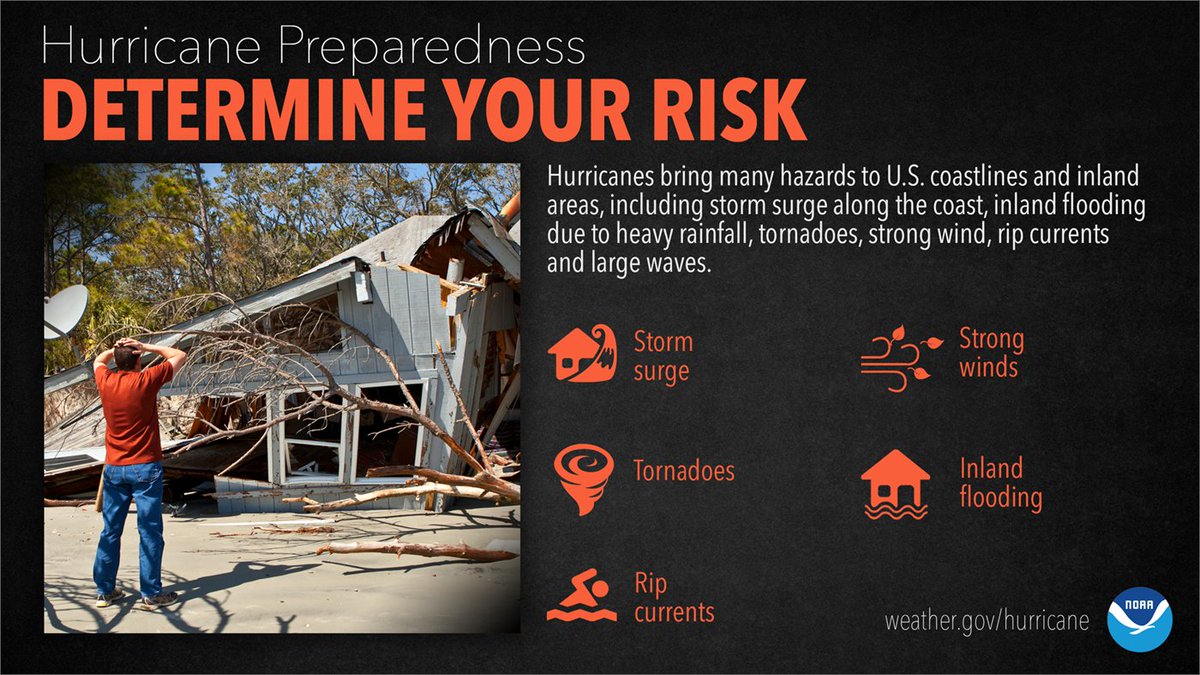
@ChandrikaCC The intended #Audience here are those just outside the at-risk community. It charges the audience to be aware & “determine (their) risk” to see if they too could be impacted by hurricane effects. It is a concise message with a positive action phrase. #MUCrisisComm
It’s not just those along the coast that can experience significant, life-threatening impacts. Evaluate what you need to do to protect your home and family NOW, before the storms. https://t.co/HZlel9VeY4 #HurricanePrep#WeatherReady
@maxjohnson3580@ChandrikaCC I can see your point. However, I chose Coombs article because stakeholders are the ones who bolster or destroy an org’s reputation (somewhat like gatekeepers). Especially in today’s cancel culture, once the general public is no longer interested, stakeholder perceptions remain.
@findley_tori@ChandrikaCC I found Coombs to be more useful, but I do agree that Benoit is more digestible for crisis comm learners as it gives real world examples. I think Coombs sold me because it goes beyond the crisis itself and considers an org’s holistic reputation when attempting image repair.
@ChandrikaCC I found Coombs (2007) article to be more helpful because it takes into account attribution theory, & reputational threat, which inform stakeholder perceptions of crises. This is crucial to interpreting the best way to go about image repair. #CrisisImage#MUCrisisComm
@maxjohnson3580@ChandrikaCC I also think this taps into a deeper stigma surrounding masculinity and the idea that there is only one way to represent manhood: through a tough exterior & expressions of anger/violence. This is why it has become so toxic and hard for many to openly discuss their mental health
@sra4d2 @ChandrikaCC I agree that lack of accessibility is a crisis, even at Mizzou. People with disabilities are often othered & not considered/represented when making decisions like building design, work schedules, curriculum, etc. There has to be better accessibility education & mindful inclusion
This is a long standing health crisis that affects the livelihood & sometimes safety of those living with HIV who are now well informed to keep transmission low but still face continued discrimination because of their status. Here DaBaby associates them with death & uncleanliness
@ChandrikaCC In this article, DaBaby stigmatizes the LGBTQ community and their association with HIV and AIDS. #StigmaMessage#MUCrisisComm (1/2) https://t.co/vWYvdSODHU
@tylerdefoe15@ChandrikaCC I definitely could see where expressing empathy is important here. I would be interested to see a follow up article promote action for the surrounding community to take preventative measures to stay cancer free.
@WDNulty@ChandrikaCC I like how you identified other principles of importance here. I would agree & say being first in a chemical crisis is crucial. Even if the situation is not as serious as believed at first, like in this case, being first allows the public to be informed, alert & ready to act.
For this reason, being credible is the most important principle. Here it looks like quoting statements from Kaseya, speaking with security researchers, and following efforts of the US Cybersecurity agency.
This article reviews the ransomware attack on Kaseya IT management company and what’s being done to investigate. In instances like this, you can’t always be first and it takes time to be “right” about who is responsible.