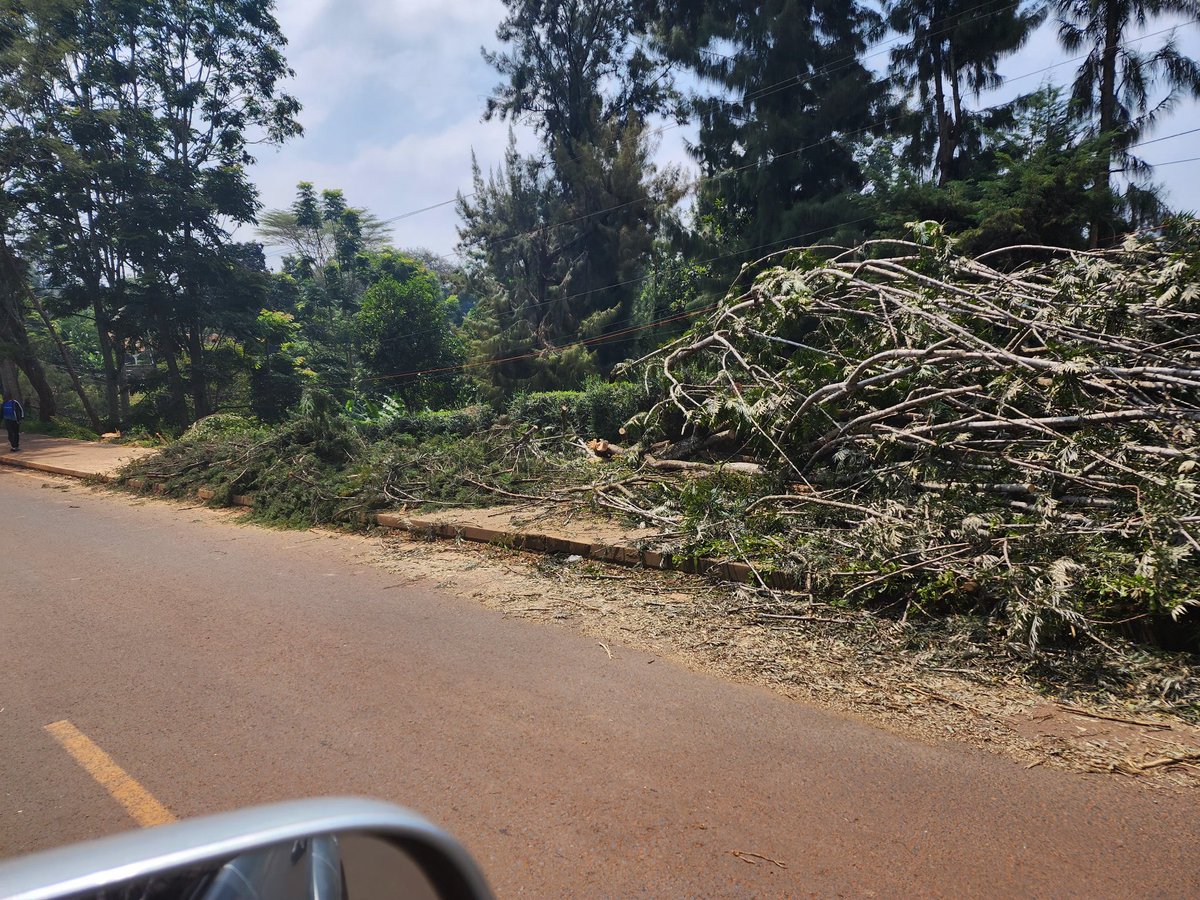
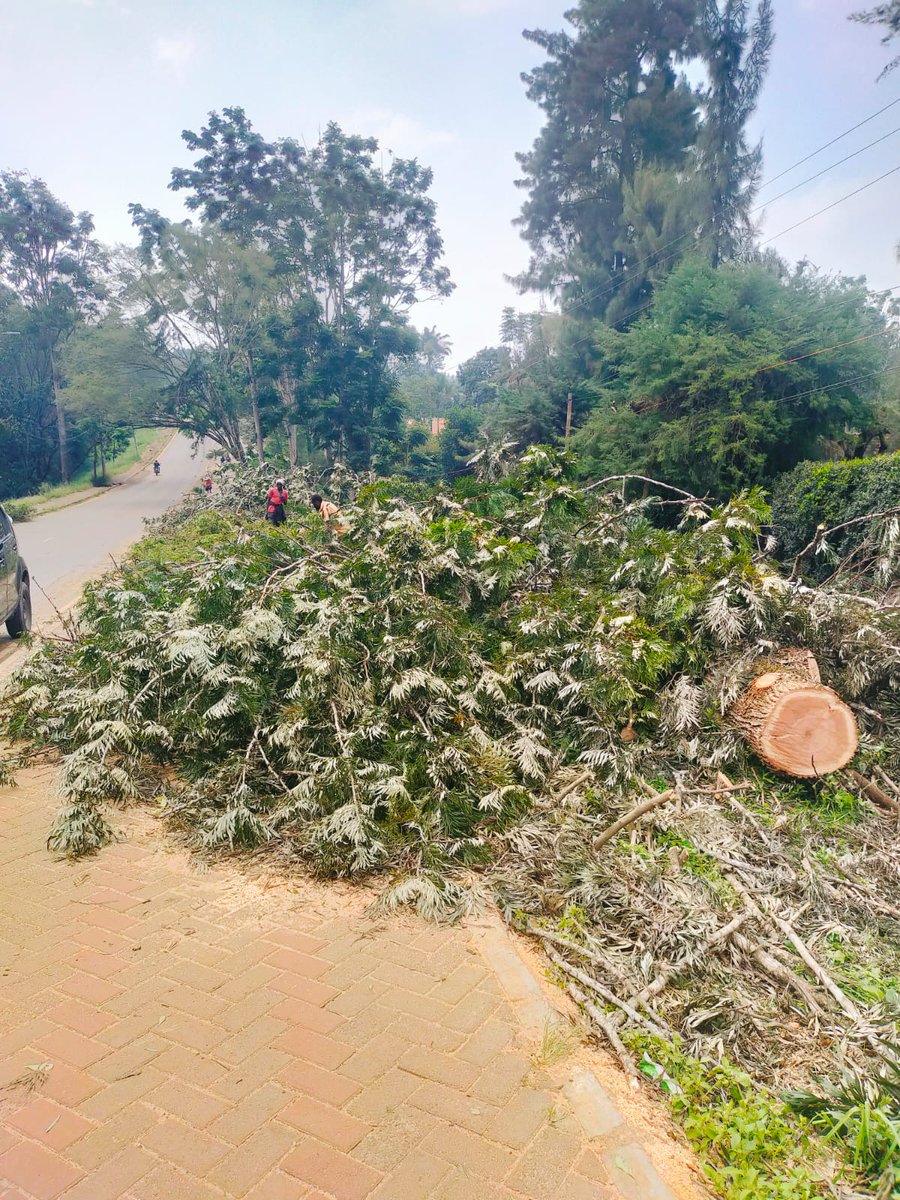
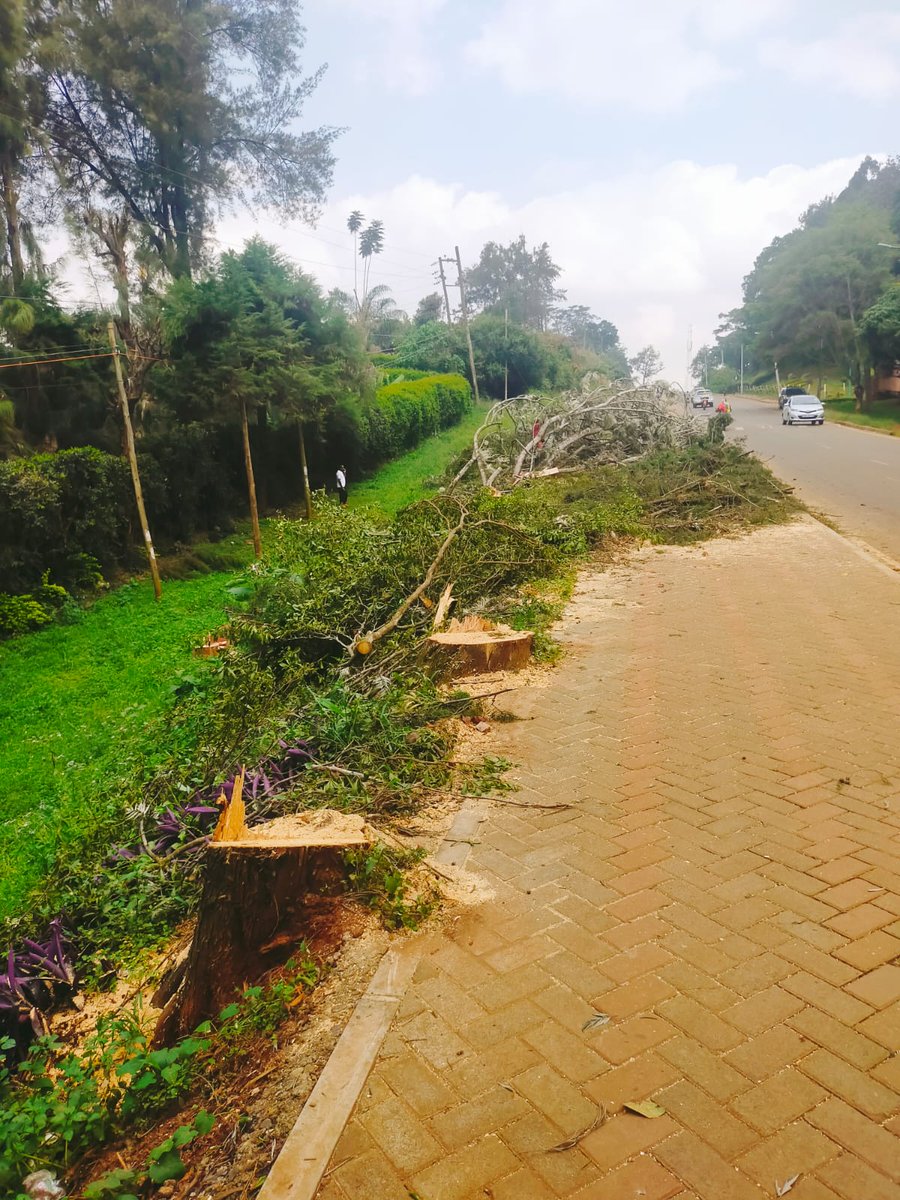
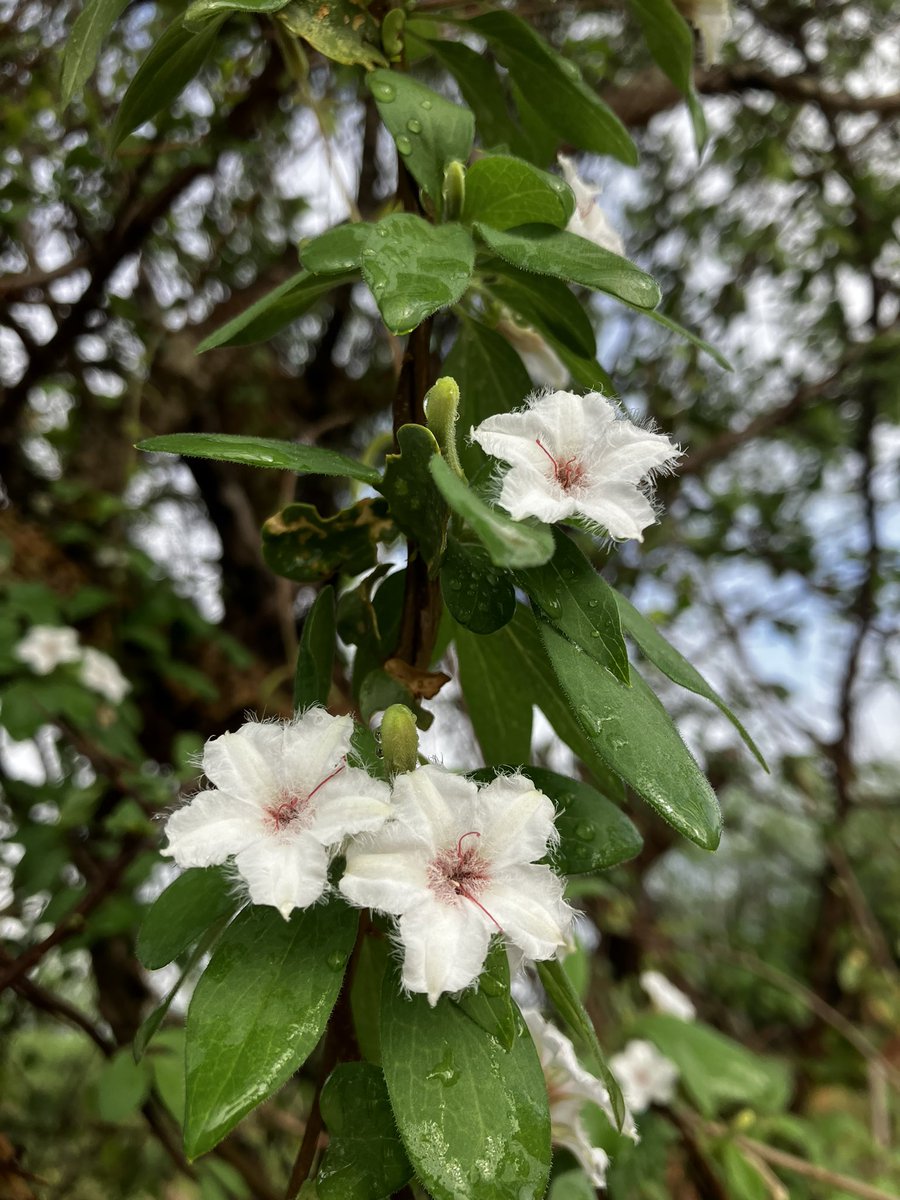
@KenyaPower_Care@KenyaPower The attached images speak for themselves. KPLC has engaged in a reckless and destructive campaign, cutting down mature trees in Loresho under the guise of protecting their cables.
🏆 Big announcement at @TheAGRF: @_PABRA has won the Africa Food Prize! For 25 years PABRA researchers and partners have provided nutritious and climate-resilient beans to boost #foodsecurity across #Africa. 🫘 Experience their work here👇 https://t.co/lKcjIIw3I4 @AfrFoodPrize 🥳
This is what it feels like to be alive as we approach the end of the world as we know it. There is time to avoid the worst but it means every single one of us becoming activists. Leave it to other people and we are toast. Listen to David Attenborough who warned us time and again
🪖🔫 In other news, your government would rather literally deploy the @BritishArmy than stop issuing new oil and gas licences — bear in mind that the @Conservatives received £3.5m in donations from fossil fuel interests and climate sceptics in 2022. https://t.co/OtMyXVAcQT
"The Most Dangerous Animal in the World" exhibit, which debuted in 1963 at the Bronx Zoo in the Bronx, New York City, was a thought-provoking display that aimed to raise awareness about the impact of human behavior on the planet. At the forefront of this exhibit was a simple yet powerful installation—a large mirror strategically placed in the center, inviting visitors to contemplate their own reflection and the profound message it conveyed.
Accompanying the mirror was a series of text panels that eloquently elucidated the dangers humans pose to life on Earth. The exhibit's intention was to highlight how our species, despite its intelligence and potential for positive change, has become the most significant threat to the delicate balance of nature and the survival of numerous other species.
The exhibit's profound impact and critical acclaim prompted its replication at the Brookfield Zoo in Chicago in 1968. Recognizing the value of the message conveyed, the organizers sought to bring this thought-provoking experience to a wider audience. The Chicago exhibit faithfully recreated the original installation, ensuring that visitors were confronted with the same introspective and unsettling experience that had captivated New Yorkers five years prior.
The duplicated exhibit at Brookfield Zoo aimed to foster a sense of responsibility and encourage visitors to reflect upon their own actions and choices. By showcasing humans as the most dangerous animal, it sought to challenge the commonly held notion that we are separate from the natural world, reminding us that our actions have far-reaching consequences for the environment and the countless species we share this planet with.
Both versions of "The Most Dangerous Animal in the World" exhibit served as poignant reminders of the urgent need for environmental stewardship and the importance of recognizing our collective impact on the Earth. By provoking introspection and fostering a sense of environmental consciousness, these exhibits played a vital role in raising public awareness and inspiring meaningful change in the way humans interact with the natural world.
Week 255. On Wednesday, the @EUparliament will vote on the Nature Restoration Law. We demand MEPs to not reject this law and to vote for the strongest law possible. We can’t afford to continue sacrifice nature in the name of extraction and greed.
#RestoreNature#ClimateStrike
More and more researchers, tired of seeing the evidence ignored, are turning to activism
Academic culture is changing - will you join us?
@ScientistRebel1@ScientistsX
https://t.co/YAWNp6NJTm
I have just signed this petition on https://t.co/lsy4UEhFm3! Please join me in standing for this cause and sign it too: https://t.co/q7VGzvRxZ1 via @Greenpeaceafric
It's #ShowYourStripes day - as the climate warms, biodiversity falls.
Twinned with the climate warming stripes a reminder that we face two environmental challenges
https://t.co/QejD0hiXIA
On climate change, we often assume people are either believers or deniers.
I don't like either label, because climate change is not a religion.
Instead, I prefer the 6 categories identified by @YaleClimateComm for the US. https://t.co/mxGR45pA65
Prof. Lenton, Prof. Schellnhuber. Dr. Kalmus, Prof. Steinberger, Prof. Anderson, Prof. Steffen, Prof. Huq.
All experts whose views I deeply respect. I look at their evidence & reach the same conclusion.
Have we all lost the plot? Or is our society nuts?
#EarthHour is a call to massively increase #ClimateAction & a reminder that all of us can play our part.
I invite you to switch off your lights for an hour on 25 March at 8.30pm local time - wherever you are.
Every minute and every hour counts.
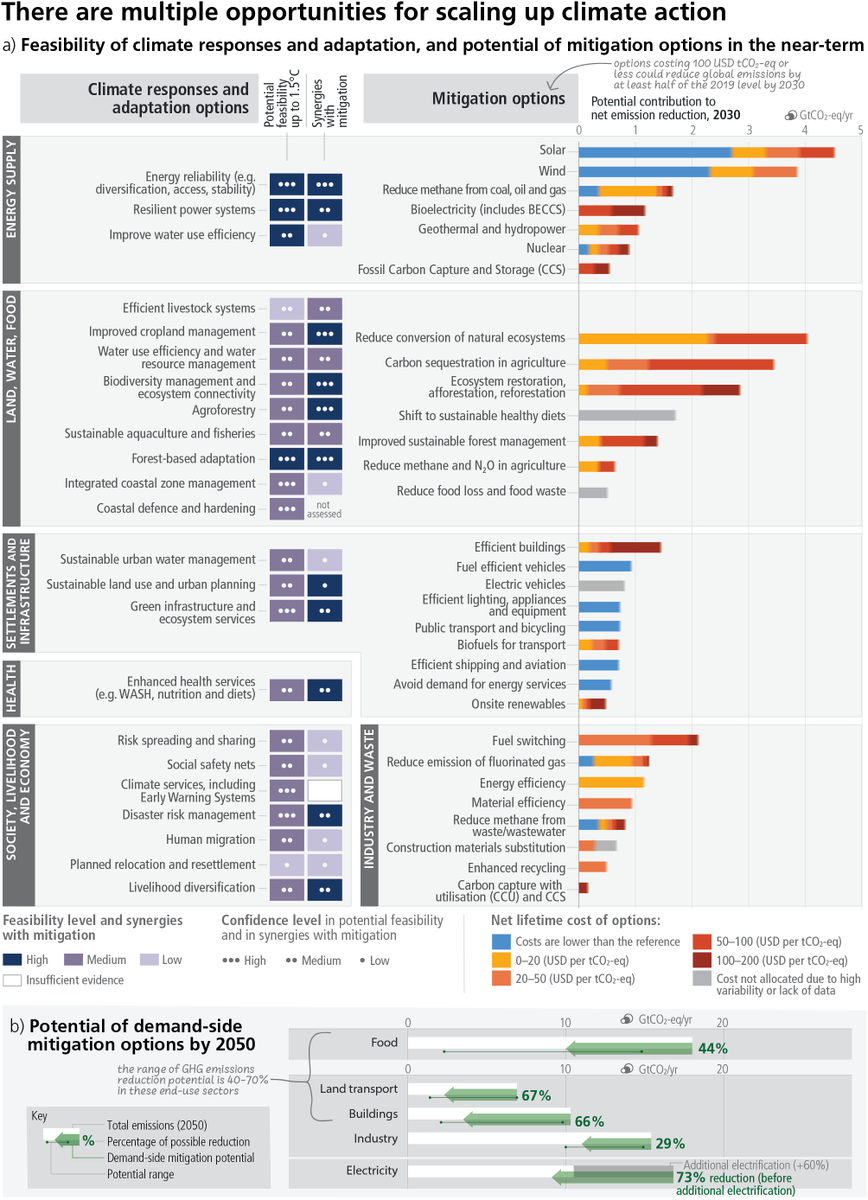
This amazing figure from yesterday's #IPCC report shows the potential of different approaches to mitigate climate change
It exposes two common misconceptions about 'natural climate solutions'
1/
Whoop, I'm so happy this amazing graphic made it into the IPCC synthesis report💪
Solar and wind are the 2 most impactful and cheapest tools in our toolbox...
📣 Attention Masters & Ph.D. students! Apply for the Carbon Sequestration Fellowship by 30 March & contribute to the fight against #ClimateChange.
This fellowship trains researchers in measuring, modeling & mitigating GHG emissions. 👩🔬🌱 Apply now: 👉 https://t.co/aEIQfZBHIa
If you're curious about the conceptual connections between the Doughnut, the Thriving Places Index, Seed Model, the SDGs and more. . . this #WellbeingEconomy report is just for you - really valuable work by @thriving_places@CarnegieUKTrust
https://t.co/KebP2xjph1