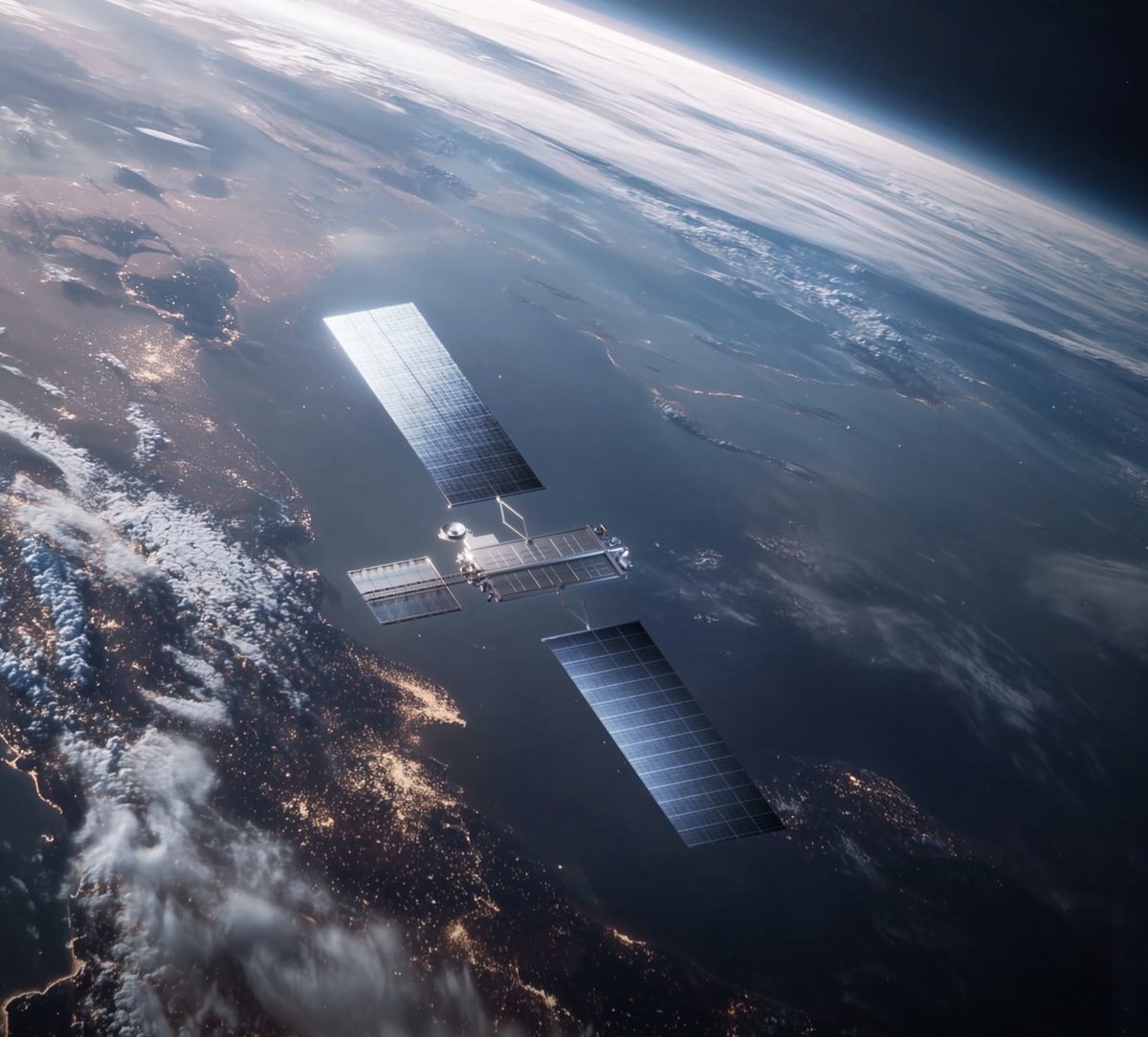
We made rockets reusable and are rebuilding the internet in space. The next challenge: making life multiplanetary and understanding the true nature of the universe
Watch @ElonMusk deliver a company update to @SpaceX employees
In 2015, SpaceX made history with the first ever landing of an orbital reusable rocket. In 2025, Blue Origin achieved its first landing of its booster. I believe Elon Musk and Jeff Bezos will go down as the two leaders of space exploration. The future is going to be exciting!
If we get the cool sort of aligned ASI that gives us effectively infinite intelligence to build and create at scale, we will likely end up building black holes and harnessing them for energy, manufacturing, and quantum simulations.
For a spinning (Kerr) black hole, efficiencies reach ~10–42% of the infalling rest-mass energy converted to usable radiation - far surpassing nuclear fusion (~0.7%) or even antimatter annihilation in practicality for bulk use.
Quasars demonstrate this on galactic scales. A civilization could feed asteroids, waste, or dedicated fuel into a disk around a stellar-mass or mini black hole and harvest the output with collectors or Dyson-like structures. Spheres around stars are child’s play versus gravitational singularity industry.
I’m generally opposed to over-regulation, but we’d want to be very careful where we build these and who is in charge of them 🤣.
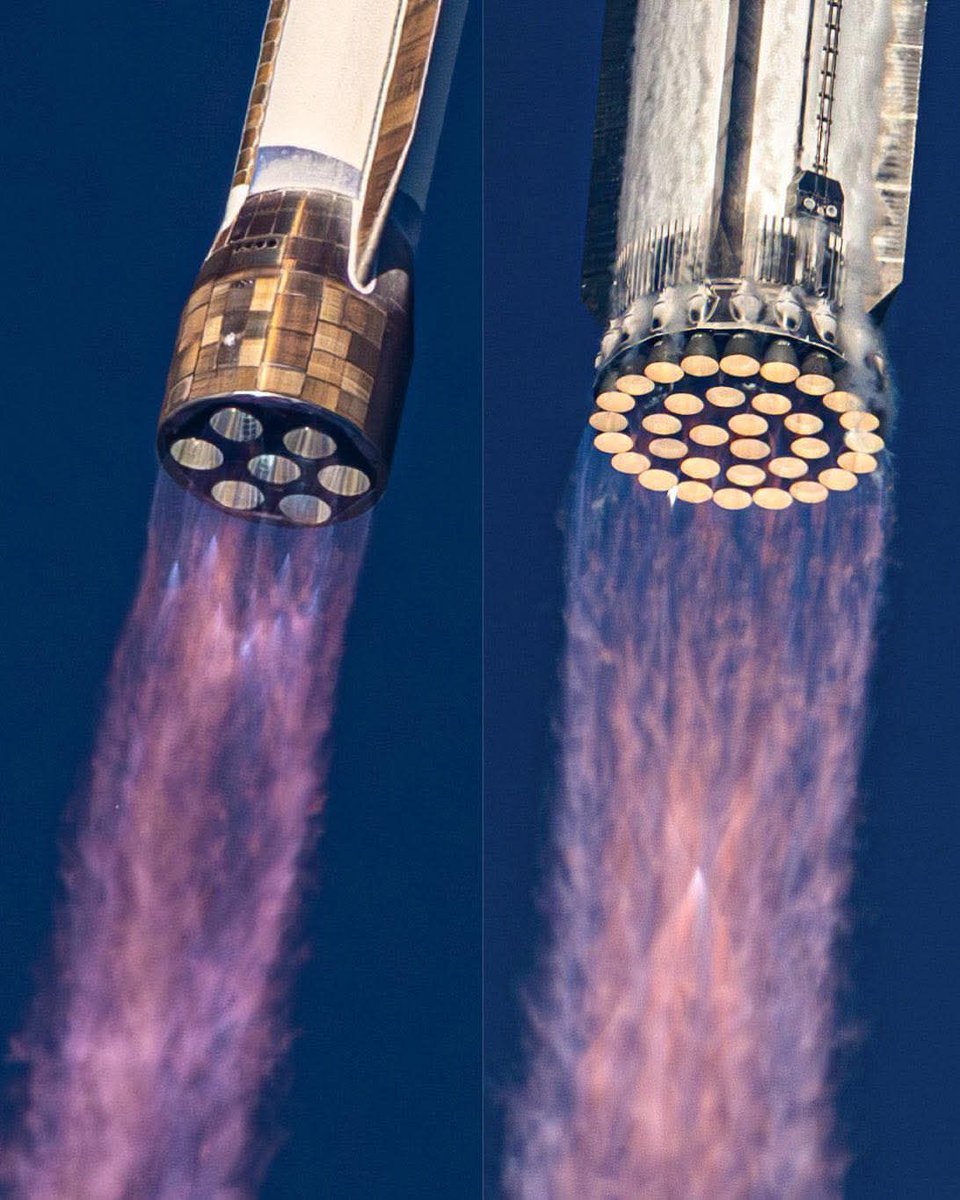
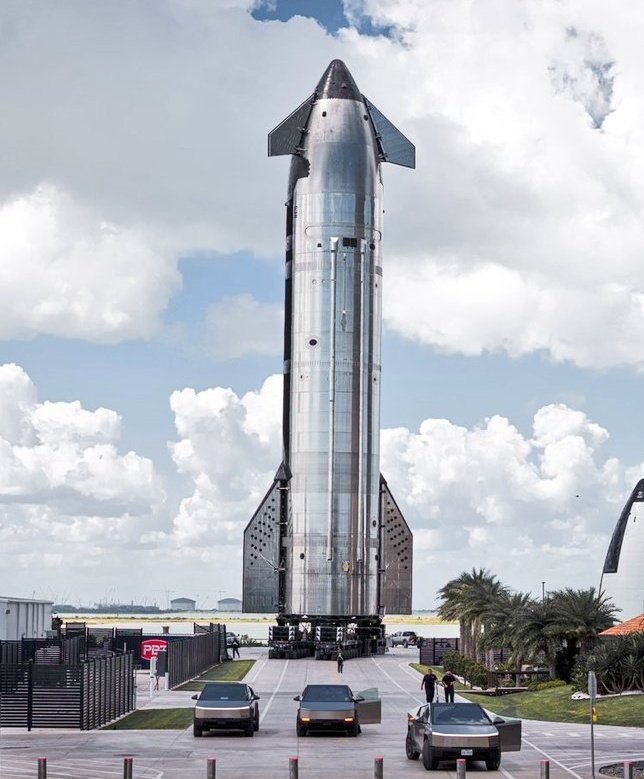
Starship Flight 13 is getting close.
Ship 40 has already completed static fire✅
Based on the FAA TFR, Booster 20 is likely to static fire before July 16.
A late-July Flight 13 is starting to look very possible🚀
#starship#spacex