There is nothing in this world that can satisfy our desires. We were made to have a relationship with God. Jesus restores our relationship with God and gives us true satisfaction. Jesus said to them, “I am the bread of life; whoever comes to me shall not hunger, and whoever believes in me shall never thirst.” (John 6:35)
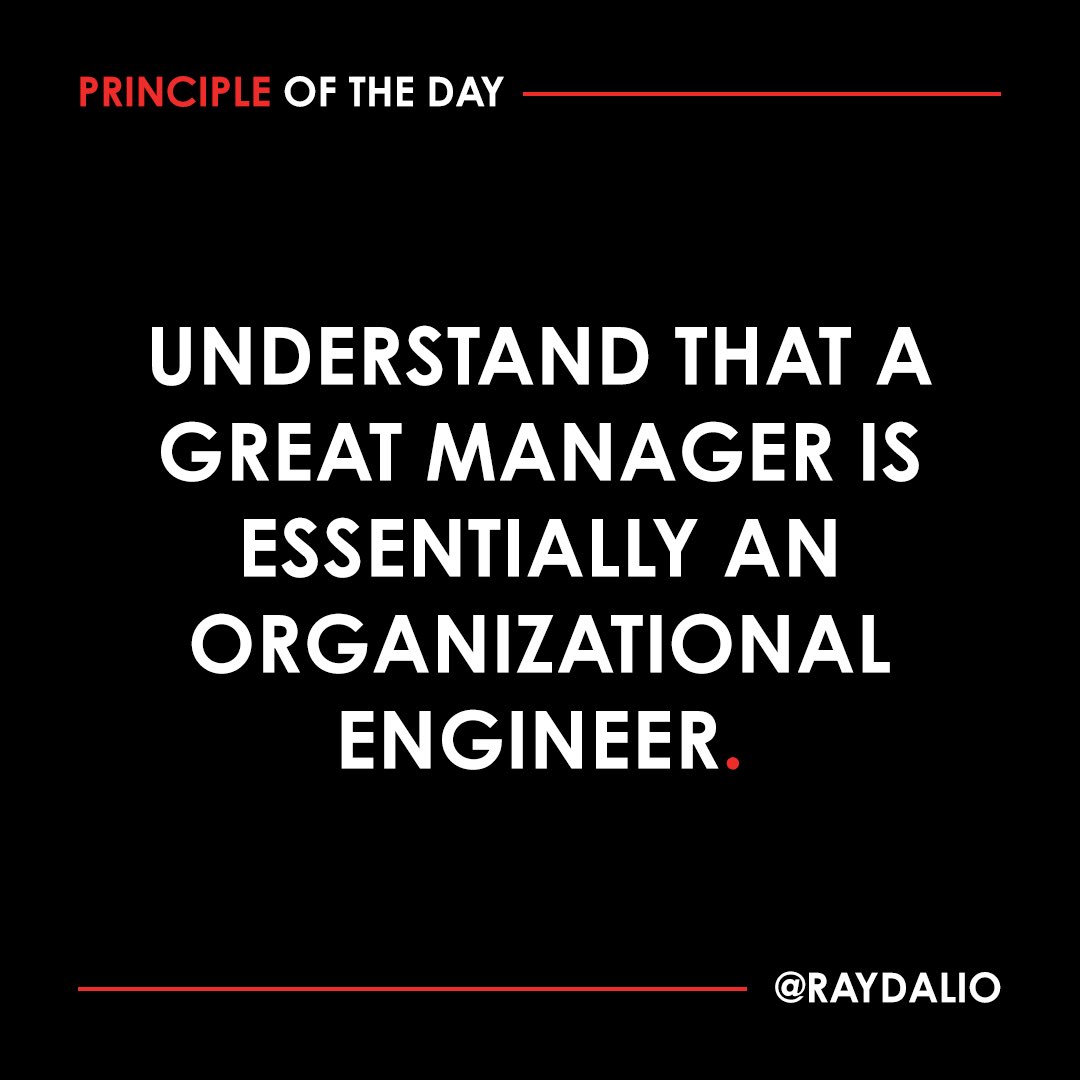
Great managers are not philosophers, entertainers, doers, or artists. They are engineers. They see their organizations as machines and work assiduously to maintain and improve them. They create process- flow diagrams to show how the machine works and to evaluate its design. They build metrics to light up how well each of the individual parts of the machine (most importantly, the people) and the machine as a whole are working. And they tinker constantly with its designs and its people to make both better.
They don't do this randomly. They do it systematically, always keeping the cause-and-effect relationships in mind. And while they care deeply about the people involved, they cannot allow their feelings for them or their desire to spare them discomfort to stand in the way of the machine's constant improvement. To do otherwise wouldn't be good for either the individuals on the team or the team that the individuals are a part of.
Of course, the higher up you are in an organization, the more important vision and creativity become, but you still must have the skills required to manage/orchestrate well. Some young entrepreneurs start with the vision and creativity and then develop their management skills as they scale their companies; others start with management skills and develop vision as they climb the ladder. But like great musicians, all great managers have both creativity and technical skills. And no manager at any level can expect to succeed without the skill set of an organizational engineer. #principleoftheday
“What does it profit a man to gain the whole world and forfeit his soul? For what can a man give in return for his soul?” Mark 8:36–37
A wrong answer to the first question is corrected in the second question.
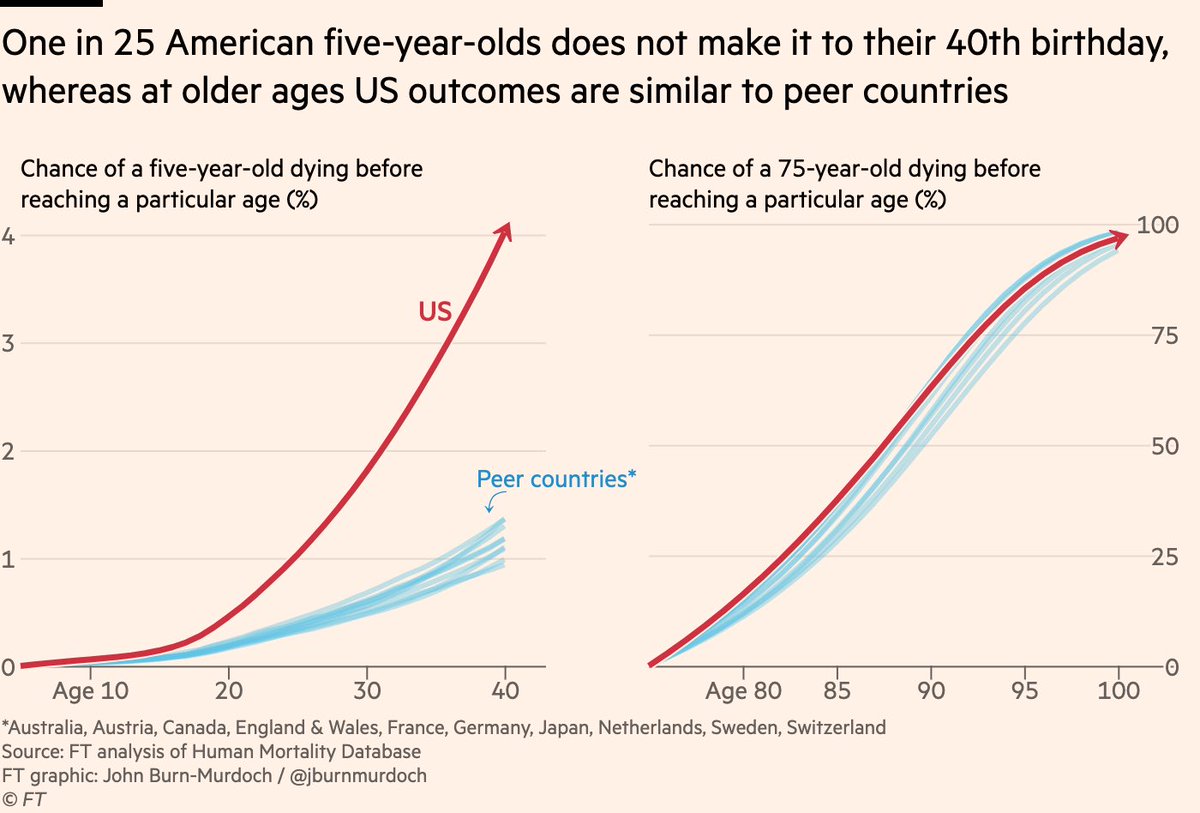
Time for perhaps the most damning stat of all:
One in 25 American five-year-olds today will not make it to their 40th birthday.
No parent should ever have to bury their child, but on average across the US one set of parents from every kindergarten class most likely will.
@SpecialSitsNews An increase to $500k or $1M to help most depositors and small businesses and adjust for inflation since the last increase. $250k is just too small now. This should help stem flows.
@Stephen_Geiger@DavidSacks The negative impact to businesses were grossly overstated. If there was a shortfall in funds, VCs and investors were planning to provide short term loans for most companies to bridge the liquidity gap.
@AndrewYang When government was printing money, everyone looked successful. Now we’ll see those who failed to manage their risk.
“Only when the tide goes out do you learn who has been swimming naked.” Warren Buffet
I don't see the doomsday scenario playing out in SV for startups who unfortunately banked with SVB. Instead, VCs are coming together to provide 0 interest bridge financing to help companies make payroll and meet other needs for the coming weeks.
@garrytan Aren’t these companies able to get help from their investors or obtain short term loans? The FDIC will be liquidating assets and making payouts so depositors will eventually be made close to whole.
@DavidSacks FDIC insured 250k and everyone else will eventually receive most of their funds over time. They took the risk of concentrating assets with one bank.