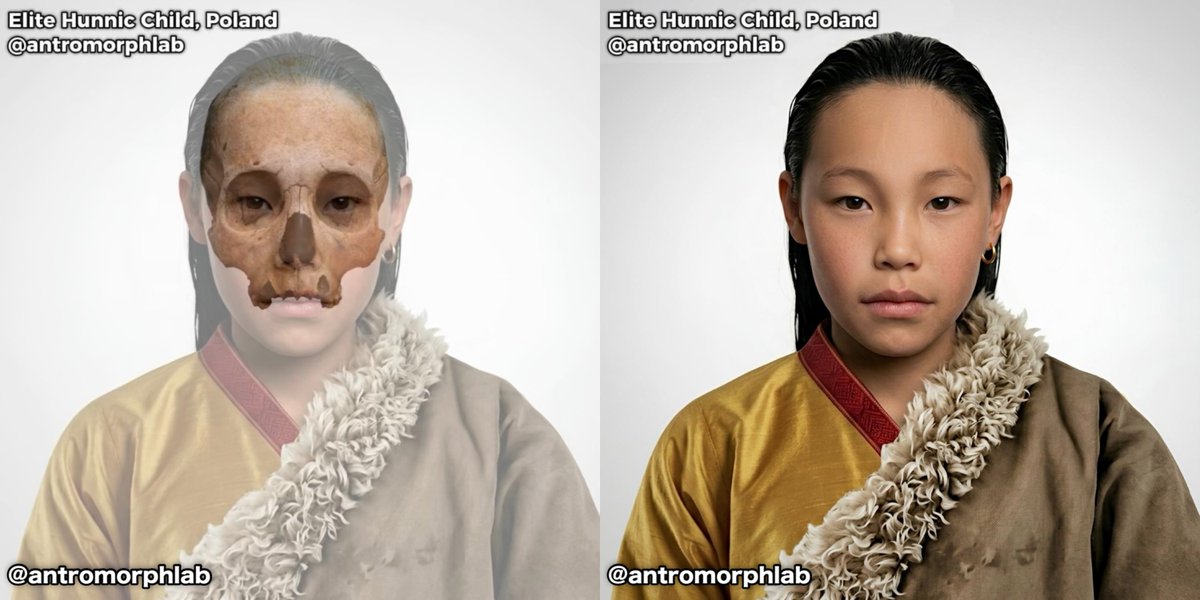
For the ones who don't know what "outlier" means; this individual is genetically different than the others who were found in the same cemetery. While other individuals were predominantly East Eurasian, this elite was West Eurasian; most likely of Scythian-Sarmatian origin.
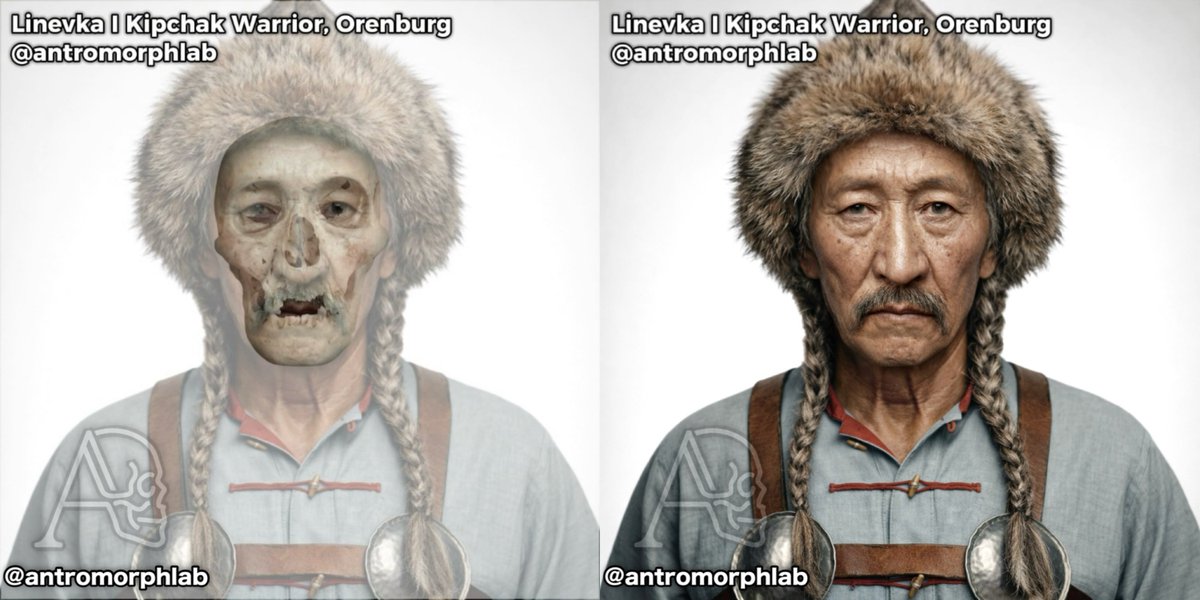
@ozbegtin_balasi@nrken19 Although groups were mixed, this skull is called Kipchak for two reasons. First, the burial style and weapons belong to the local Kipchak culture. Second, the 'South Siberian' skull type represents the local people of the region, not the Mongol elite who arrived later.
@ozbegtin_balasi@nrken19 Yes, it is. This skull is labeled as a Kipchak skull so it most likely belongs to a Kipchak man who lived in the Golden Horde era.