"One will hardly be able to address a learned response motivated by the desire to evade the sacrifices that are required to uphold civilizationary standards but experienced as unjust by appealing to those same civilizationary standards."
"Quite frankly, far too many well-meaning people are far too polite to antisemites. Being antisemitic should hurt, and antisemites need to understand that their antisemitism is not yet entirely acceptable to everyone."
"Niemöller ... fell foul of the Nazi regime ... because he insisted on the independence of the church in the face of regime interference—with the explicit exception of regime interference that committed the church to betray those of its members who ... qualified as 'non-Aryan'."
"'Merely' Antisemites are antisemites who claim that nothing could be further from their intention than to do or say anything antisemitic and who insist that their objectively antisemitic utterances and deeds are 'merely' meant to achieve something entirely different."
"othering is not some irresistable ontological condition that randomly attaches itself to whatever it happens to find. ... Each specific form of othering meets specific needs, and ... one can understand none of them without paying due attention to their specificity."
"If by democracy one means simply majority rule, and the majority wants to live in a country (or a world) without Jews, then antisemitism promotes both society and democracy, and telling the majority that they are wrong is undemocratic."
Invoking matters of identity and diversity, though madly popular and seemingly irresistible, ... drags the struggle against antisemitism into a competition those opposed to antisemitism never have been, and never will be, able to win.
Correspondence theory’s even more pathetic cousin is the so-called scapegoat “theory”. In its now universally popular iteration it amounts to no more than a straightforward tautology. ... In other words, it explains absolutely nothing.
I was once involved in a shouting match with an Israeli in Tel Aviv who told me that the question was “merely” whether Israel should be allowed to exist as a Jewish state. He seriously believed in the old hat about Jews living in an Arab state as equal citizens.
Adorno’s lecture all too readily lends itself to this agenda and allows Suhrkamp to introduce a whole new generation of readers to Adorno as someone who might conceivably have joined them on the streets jubilantly celebrating Hamas, Hezbollah and the Houthis.
The “comparable atrocity” that concerns Gordon as much as he assumes it would have concerned Adorno is the genocide Israel is supposedly perpetrating in the current Gaza conflict. For whatever reason, he makes this case in a manner that is as sneaky as it is cowardly.
"[A]re we seriously expected to believe that the struggle to combat antisemitism in West Germany faced a major challenge in the form of far too many teachers trying to indoctrinate their pupils by portraying 'the Jews' as 'little lambs or youthful sun gods'?
"The Jerusalem Declaration of Antisemitism has 2 purposes (and 2 purposes only): 1. to declare the destruction of Israel as a Jewish state in secure borders she is realistically capable of defending a legitimate goal that has nothing to do with antisemitism; 2. to obfuscate.
"A society profoundly shaped by antisemitism can stick all the didactical tricks of the world in its educational magic bag, it will never be able to teach those who still believe in Father Christmas to unlearn what, in all other walks of life, it is constantly teaching."
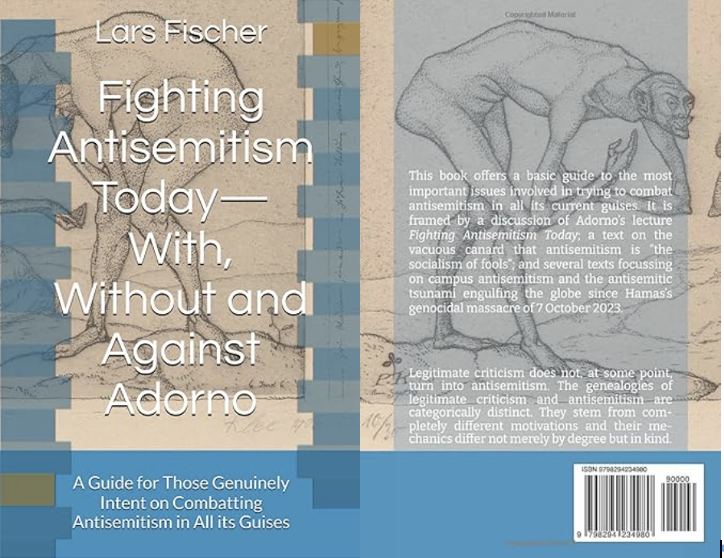
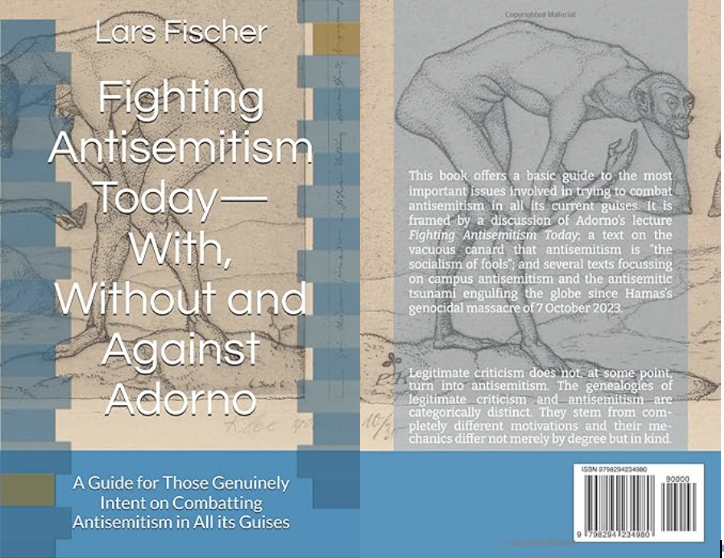
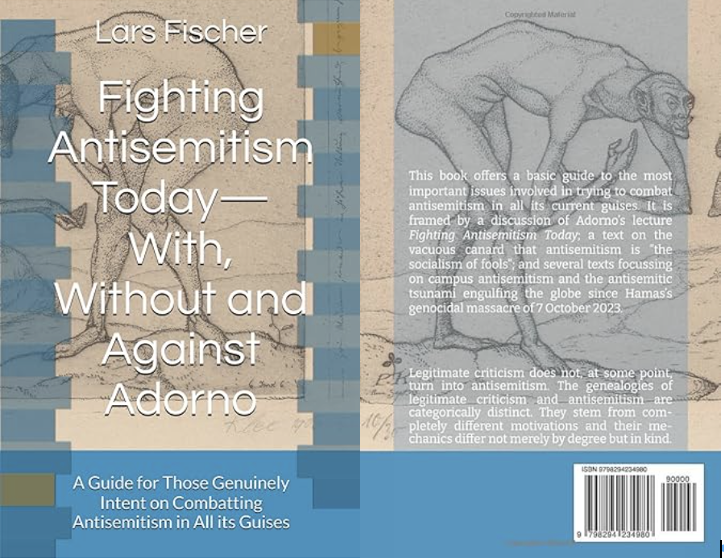
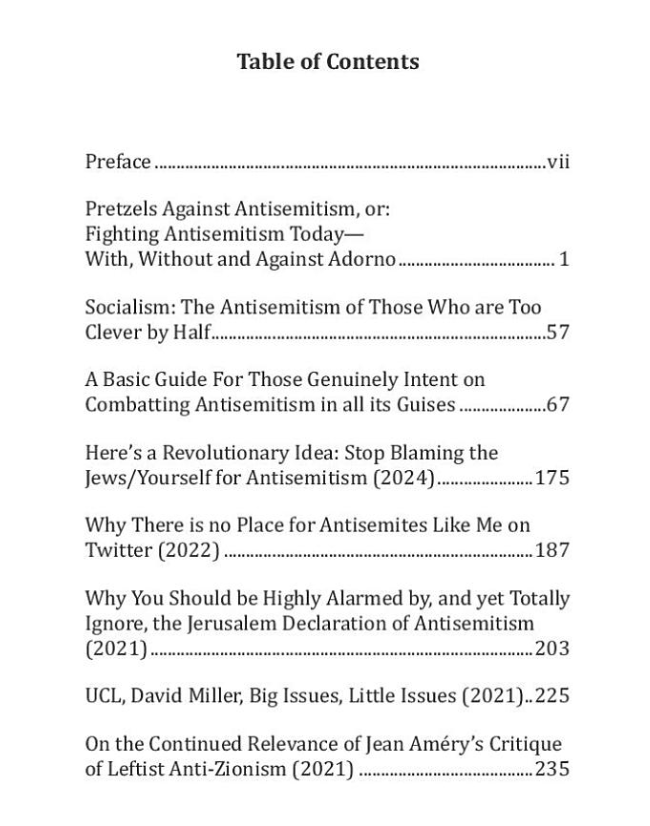
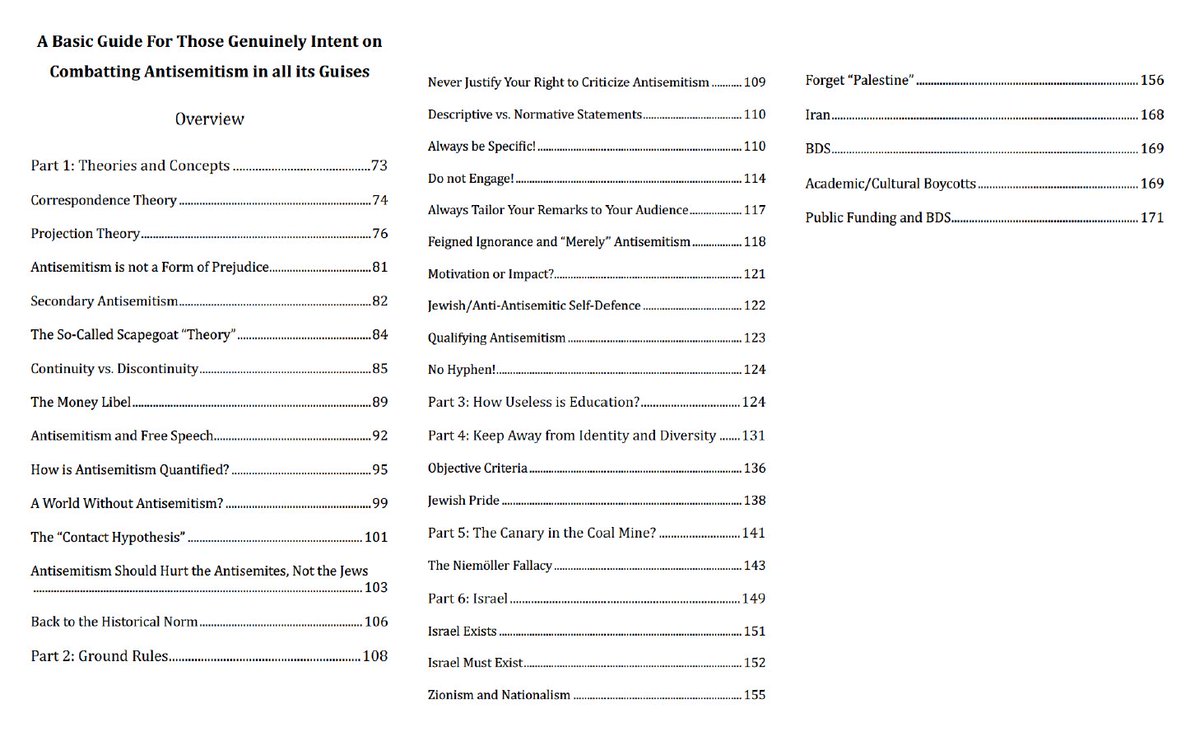
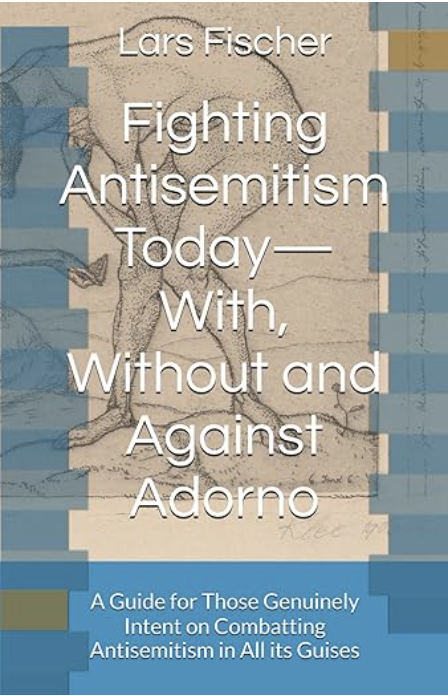
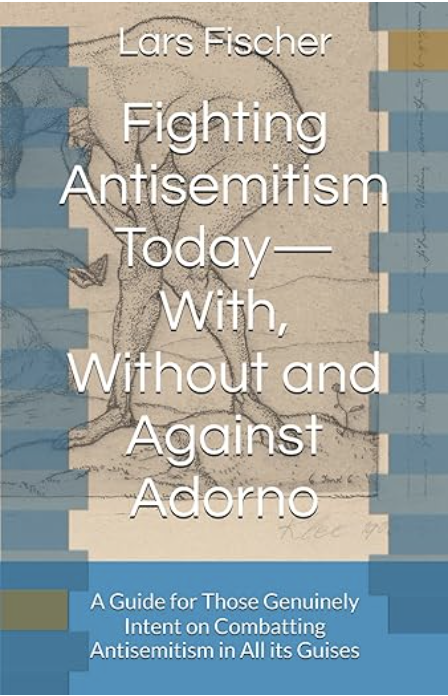
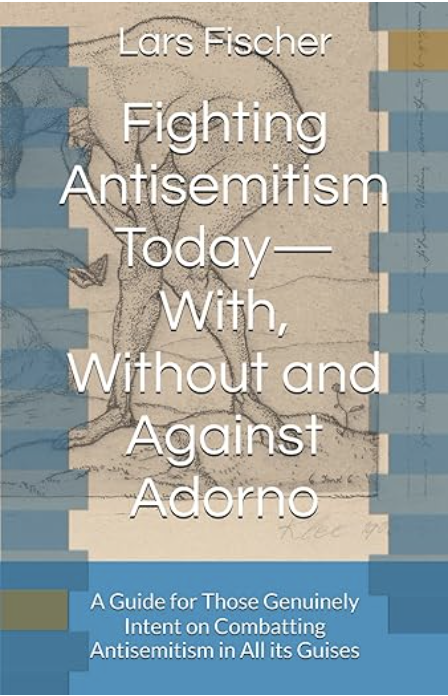
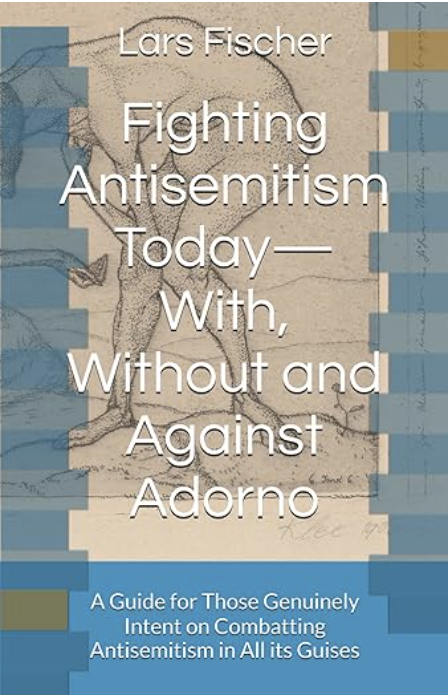
This basic guide to some of the most important issues involved in trying to combat antisemitism in all its current guises begins with a critical discussion of Adorno’s much publicized lecture “Fighting Antisemitism Today” of 1962.








![anti_antisemit's tweet photo. "[A]re we seriously expected to believe that the struggle to combat antisemitism in West Germany faced a major challenge in the form of far too many teachers trying to indoctrinate their pupils by portraying 'the Jews' as 'little lambs or youthful sun gods'? https://t.co/RBqEhxyxV4](https://pbs.twimg.com/media/Gy8PIubXoAE4Qy6.png)