1)How did the fastest accelerating mandible evolve? Small morphological changes over millions of years. Repeat more than 7x around the globe and we get a crazy looking genus of roughly 700 species with trap jaws (TRAP) and 300 without (GRP) a thread with publication
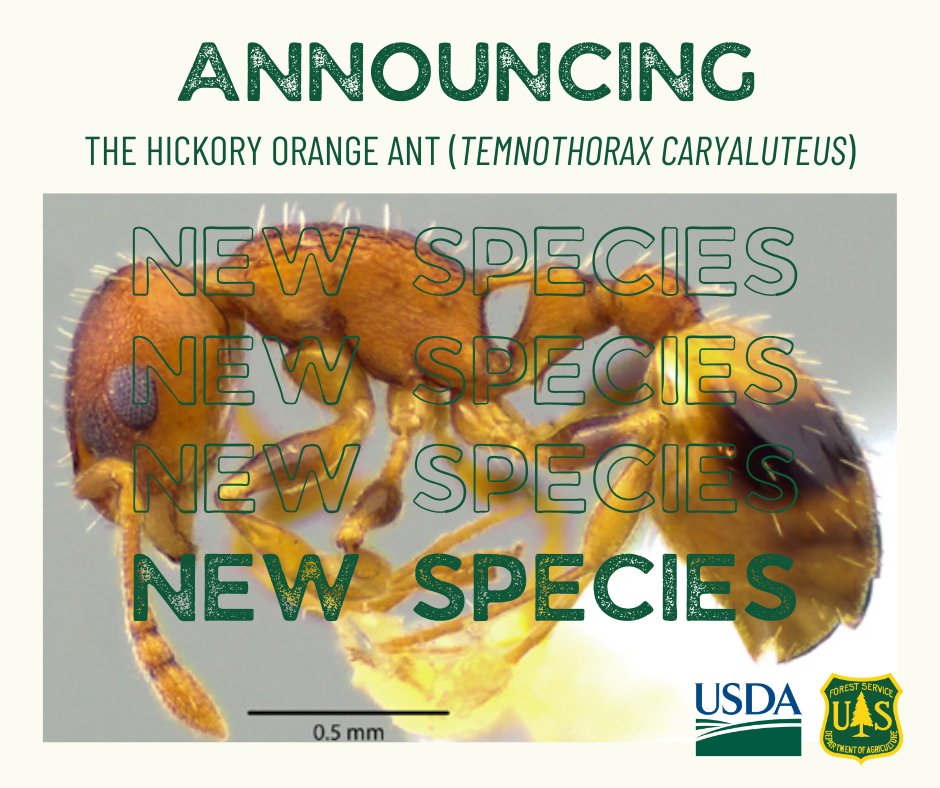
[#entomology] 🐜 Temnothorax caryaluteus sp. nov. (Hymenoptera: Formicidae): a new ant species from the eastern United States
✒️ Matthew M. Prebus, Nhi Nguyen, Grant Navid Doering & @antmuseum
🔗 DOI: https://t.co/3RhTWyHmrV
#Hymenoptera#Formicidae#ants#NewSpecies
The results are in! This ant species, newly discovered by entomologists Doug Booher of SRS & Matthew Prebus of @ASU, will be named the Hickory orange ant (T. caryaluteus).
Thanks to Brodie for submitting the name! For more info on the ant, visit: https://t.co/3Vuw7p2uOk
Recently we had elementary students come up with names for a new ant species in the genus Temnothorax. Vote here https://t.co/ZKOA5H85NN choices are - the cool ant (T. frigus) the mimicking ant (T. mimicus) the hickory orange ant (T. caryaluteus and the hiding ant (T. occultus)!
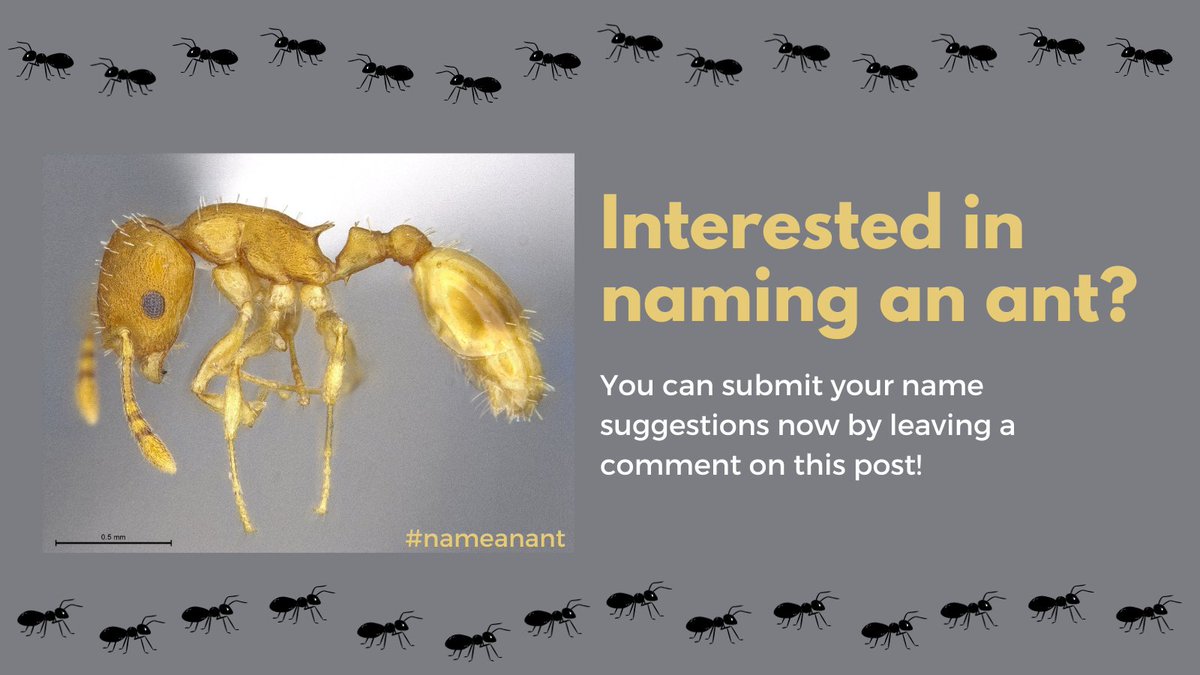
Hey community! Matthew Prebus and I worked with the US Forest Service on a grade school learning module to teach how a new species is named. We are soliciting naming suggestions and will have a poll to decide the final name choice. Spread the word.
Have you ever dreamed of naming a new species? Now's your chance! Scientists are asking the public to help name a newly described ant species. https://t.co/3Vuw7p2uOk #nameanant
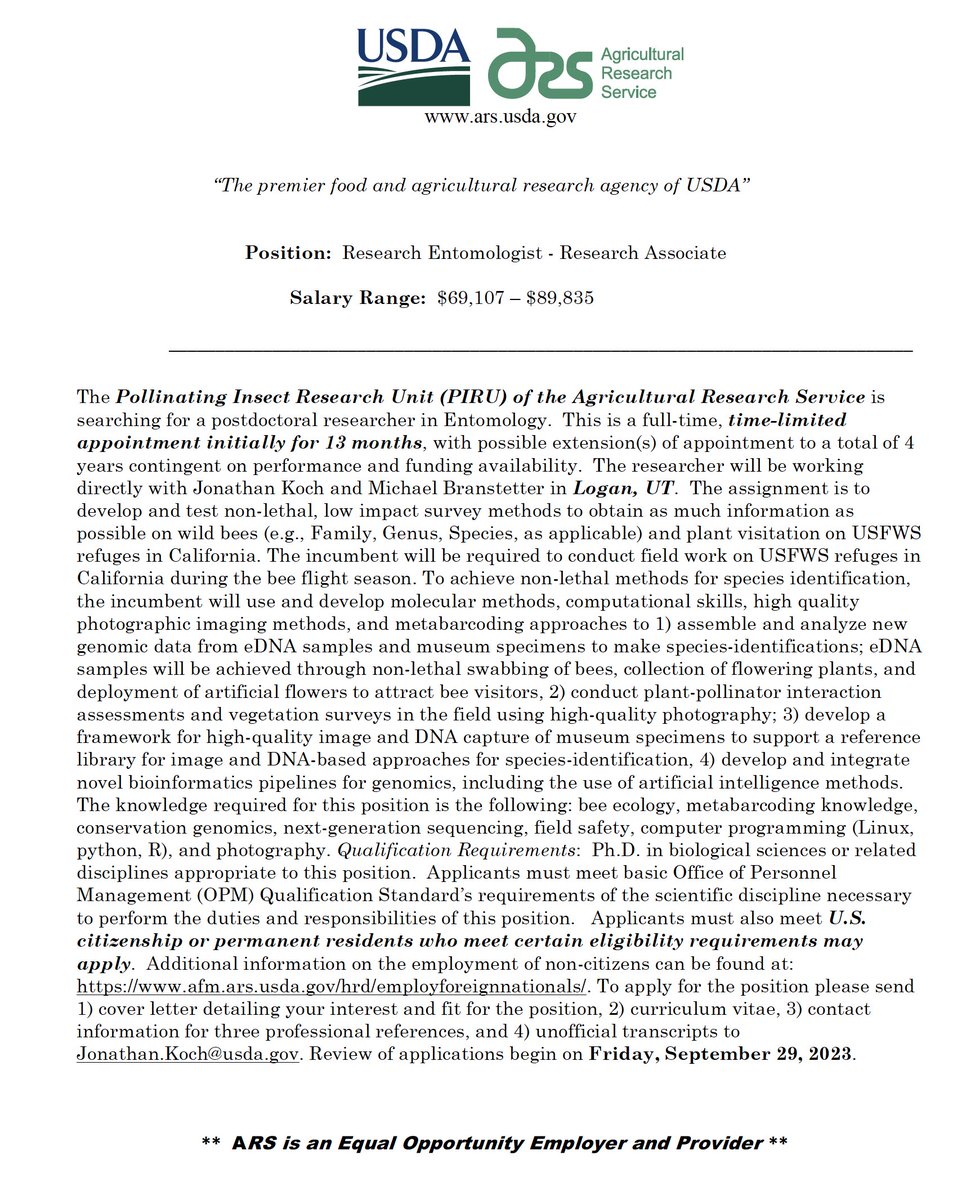
Job op: Dr. Jon Koch and I at USDA are looking for a postdoc to lead a project in which we seek to develop non-lethal bee survey methods for monitoring bees in CA refuges. We'd like to get apps by the end of the month. Please spread the word and apply.
Check out the trap-jaw mandibles on this Strumigenys. You can even see the trigger hairs if you look closely. Thanks to Doug Booher @antmuseum for letting me photograph this species (and so many others!) while in PNG 🇵🇬
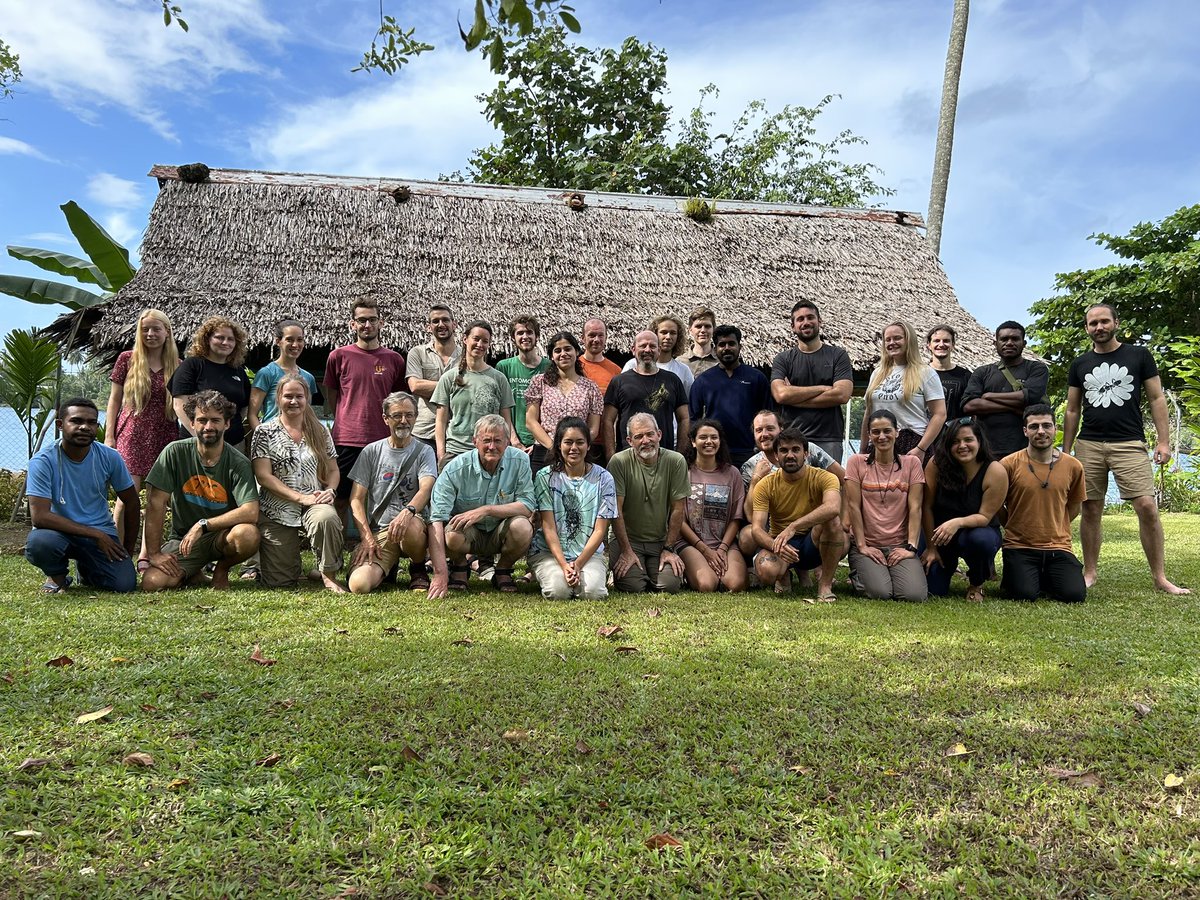
Ant Course 2023
After two weeks of learning, laughs, and many adventures, Ant Course has finished for the year. Thank you to the Binatang Research Center for hosting and helping us have a safe and fun time while in PNG!
I’ve teamed up with the @WheenBee foundation to create this lovely poster aimed at raising funds for Australian bee taxonomy. Enjoy a bunch of my photos and text while feeling good that the proceeds go right back to researching these amazing little animals.
How do queen, worker, and colony traits relate to one another and how do they relate to ecological function? Queen-worker dimorphism as a nexus trait published today in Functional Ecology - work led by @OhyamaLeo https://t.co/8KrSVT7Ltb
Nice write up by @physorg_com including a quote from me: …highlights the importance of museum collections for understanding species diversity & loss, Moreau said. Only through comparing past species diversity with current data can we understand how biodiversity is changing
@antmuseum For this work, Nick Gotelli developed a method to show how museum collections can be used to shed light on how abundant species used to be. This is a game changer for the important of museum collections in ecological research. See more here: https://t.co/83NUUGWzh8
@antmuseum The scale of this research would not have been possible without the life-long collecting efforts and careful note taking of Mark Deyrup. His passion for ants and incredible attention to detail will provide the basis for many future studies as well.
What is happening to our native ant communities in Florida as non-native species establish and spread? Find out more here in a species by species abundance study across 50 years of collection data. https://t.co/xJyUyjg8x6.


![ejtaxonomy's tweet photo. [#entomology] 🐜 Temnothorax caryaluteus sp. nov. (Hymenoptera: Formicidae): a new ant species from the eastern United States
✒️ Matthew M. Prebus, Nhi Nguyen, Grant Navid Doering & @antmuseum
🔗 DOI: https://t.co/3RhTWyHmrV
#Hymenoptera #Formicidae #ants #NewSpecies https://t.co/gTjsgowrn0](https://pbs.twimg.com/media/GewzLziWIAA2G4C.jpg)