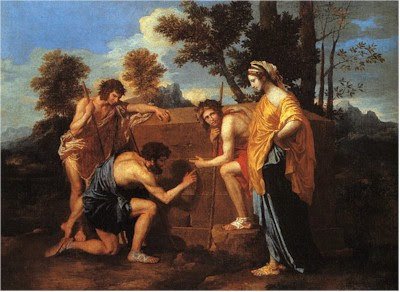
ET IN ARCADIA EGO
To understand the history of the Sacred Merovingian Bloodline, we have to trace the origins of this bloodline back to the very beginning.
This origin starts in Arcadia (Greece). The next stage in their history is the legendary city of Troy. After the destruction of Troy, the surviving inhabitants went to find other places to settle, such as the Black Sea, Butrint, Rome, etc.
They ruled over the Scithians, who the Huns eventually drove west. Following the Donau river they eventually ended up by following the Rhine river into the Low Countries (present day Germany and later the Netherlands) where they founded the first settlements, among others a settlement called Rotta (Rotterdam).
They eventually settled in Tournai, Belgium, after the Roman Army drove them out of this area, and they worked as local chiefs (dukes) for the Romans.
After the gradual diminishing of the influence of the Romans, the Merovingian Kings (especially Clovis) were able to fully control and expand their empire to the whole of present day France and large parts of Germany, Belgium, Switzerland, and the Netherlands, with Paris as there fixed capital (named in honour of there ancestor, the Trojan Prince, Paris).
We follow the "First" Merovingian kings, Chlodio, Merovee, Childeric and Clovis, the arrangement Clovis made with the Roman Catholic church, and their intermarriages with the different royal houses of Ancient Europe.
The prophecy regarding the descendents of Childeric was made by Queen Basina, the wife of King Childeric.
The actual birthplace of Clovis, his relationship with the Byzantine Empire, his marriage with the Burgundian Princess Clothilde, and the infighting of his descendents after his death.
The importance of the influence of Celtic Christianity is another overlooked fact in Merovingian history.
The last Merovingian Kings were actually impressive kings who reigned over their people; the ruling was left to the Mayor of the Palace.
The role of the Carolingians and the Roman Catholic Church in the downfall of the last Merovingian Kings and their motives to expel them in favour of the Carolingians.
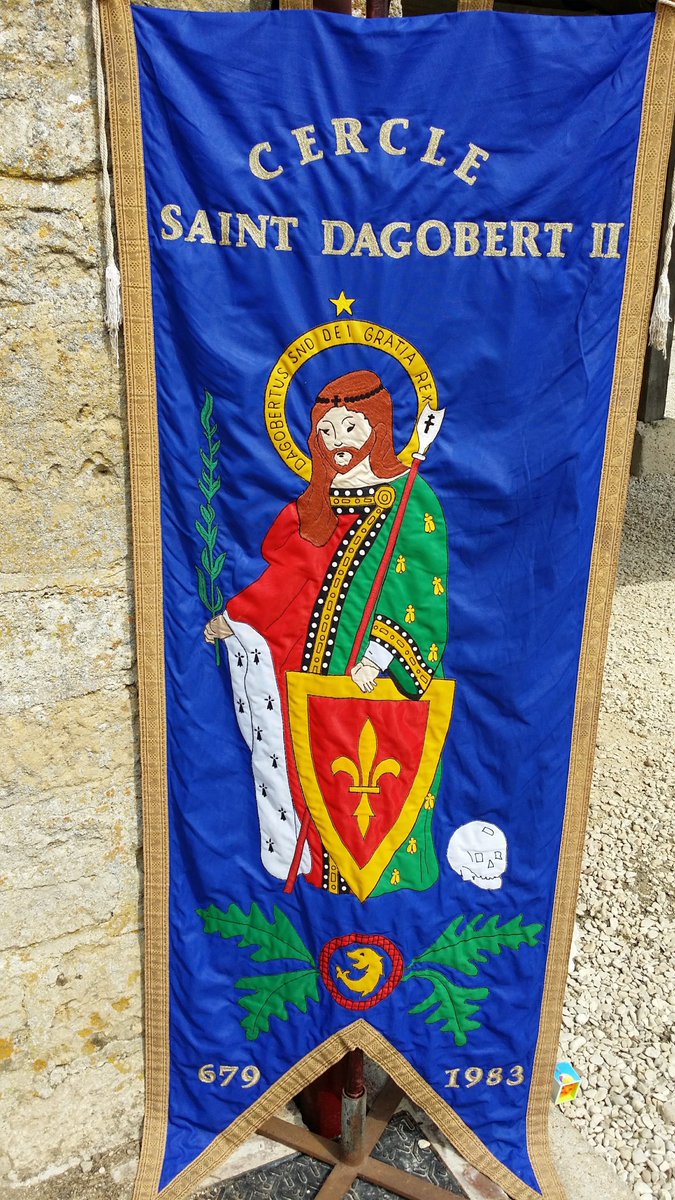
Finally, the continuation of the Sacred Bloodline in the South of France (Rennes Le Château) by Sigebert IV and his descendents, who became legitimate Kings of the Jews in Narbonne.
https://t.co/VQeeFCRbRS
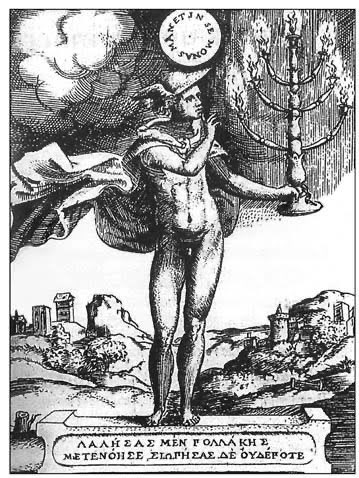
The Secret Sermon on the Mountain (also called the Secret Discourse on the Mountain) is Corpus Hermeticum XIII.
It is a dialogue between Hermes Trismegistus and his son/disciple Tat (sometimes rendered Tatius or Thoth), focused on the Hermetic experience of palingenesis (spiritual rebirth or regeneration).
It is widely regarded as one of the most important and mystical texts in the Corpus Hermeticum, presenting the practical culmination of Hermetic teaching: the transformation of the soul through divine mercy, the expulsion of negative forces, and the attainment of divine consciousness.
The “mountain” is both a literal setting for the dialogue and a symbolic image of spiritual ascent or stages of initiation.
The Merovingian Kings did not pay most of their officials, only large landowners could afford to be officials. Most officials will have worked only part-time for the interests of the kingdoms, because they had to manage their own affairs too.
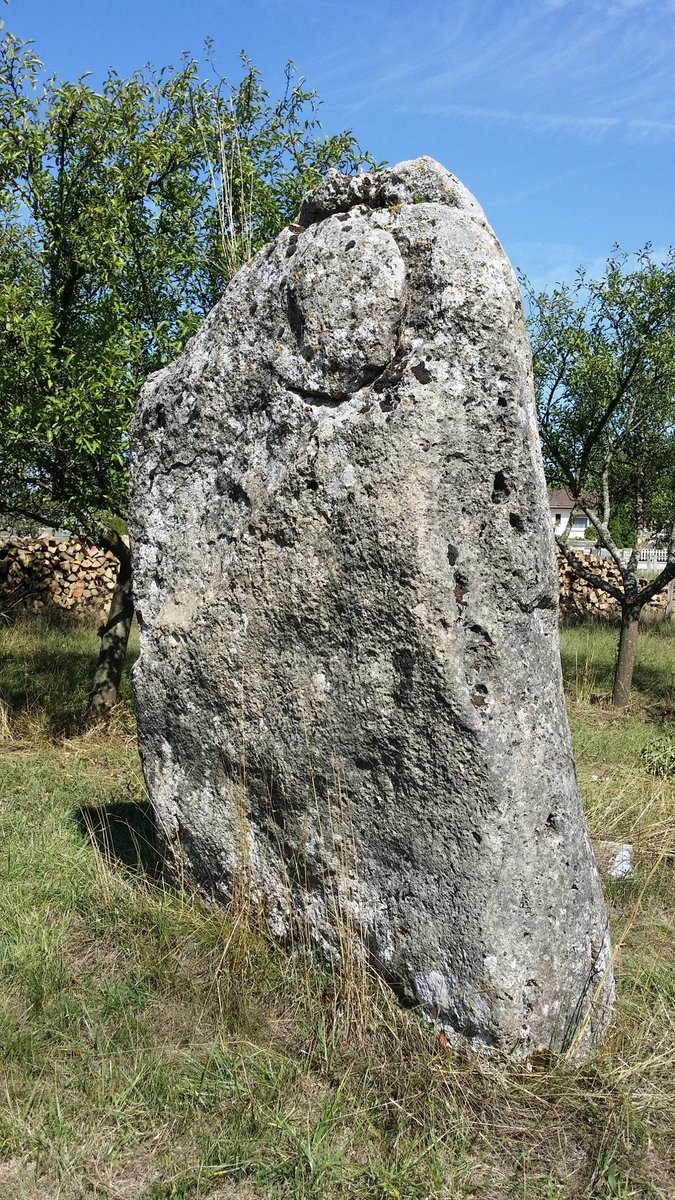
The single rocks, were objects of religious veneration during the period of the Gauls. They were seats of the ancient Gods.
The stone of Milly, Menhir, near Dun-sur-Meuse, is one of the rare examples in Lorraine,
The ancient Greek word "mystery" (μυστήριον) means "mystery or secret rite" is related with the verb myéō (μυέω), which means initiation into the mysteries, and the noun mýstēs (μύστης), which means one initiated.
Emperor Justinian accused Theudebert of apostasy with the claim that members of his army had practiced pagan worship, including human sacrifice. It indicates that the Franks continued to accept and practice pagan rituals. Gaul did not accept imperial criticism from Constantinople
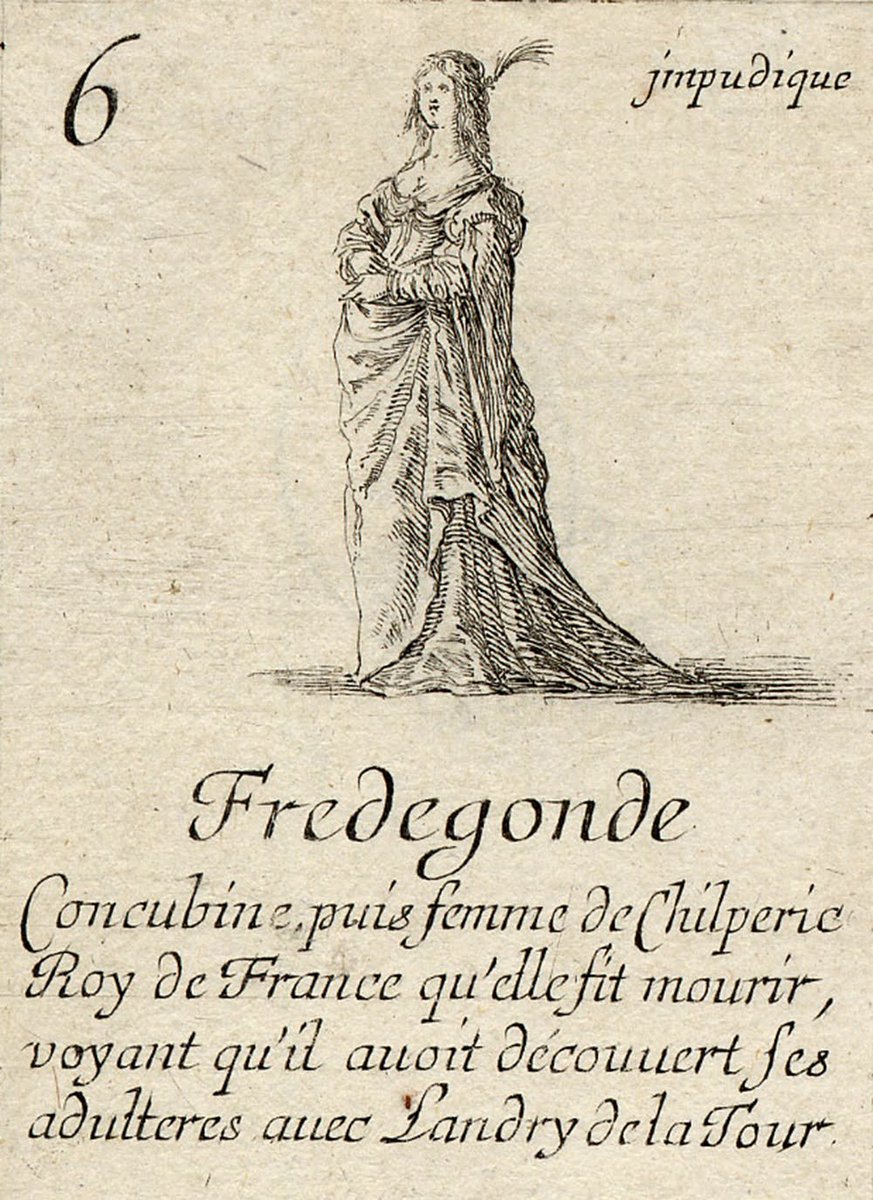
Queens or princesses could forge powerful alliances and actually command war bands in a society where warfare was the norm. But at a closer look, the able queens were in a position to make it worthwhile for people to work for them. The Merovingian queens could firm coalitions.
Treasure of Solomon was brought to France, where it was kept safe for many centuries.
During the French Revolution of 1789, French troops advanced to Orval (Belgium), where part of the treasure was kept.
The Order of the Poor Knights of the Temple" was founded in 1119 by Hugues de Payens and eight other knights, who were all companions of Godfried de Bouillon; these included Geoffroy de Saint Omer and the Portuguese, Pedro Arnaldo da Rocha, Payens de Montdidier, Archambaud de
of his estates, except the chapel of Saint Dagobert II in Stenay. Many of the most prominent members of the Knights Templar were from some of the best-connected and most powerful European aristocratic families, all of whom were of Merovingian descent. The famous Knights Templar