But solving this crisis cannot be a singular effort. It requires collective urgency from policymakers, industries, researchers and citizens alike.
The air our children breathe should not determine their future.
According to the State of Global Air, nearly 700,000 children under the age of five died in 2023 due to exposure to polluted air. This number is likely to continue rising each year.
At APAD, we are working to make pollution sources more visible by generating air pollution data that can help governments, researchers, and communities address pollution at its source.
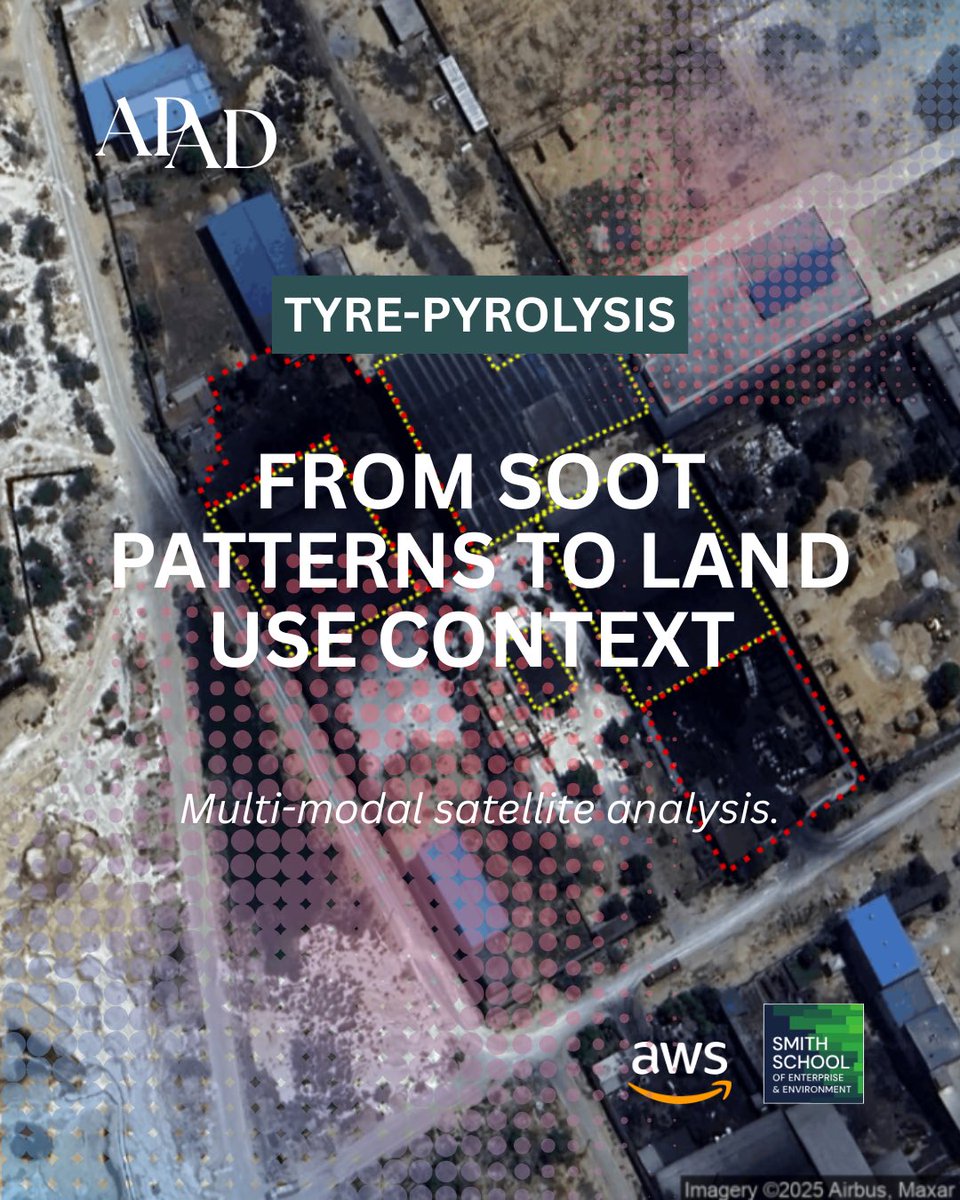
By reading indicators like soot deposits, industrial sheds, tire stockpiles, and land-use patterns together, we can identify plants more accurately and reduce false positives during review.
Tyre pyrolysis plants are expanding rapidly across parts of India. These facilities can release harmful pollutants into the air, soil, and water, affecting nearby ecosystems and communities.
At APAD, we’re working on detecting tyre pyrolysis plants using satellite imagery. Our approach uses multi-modal reasoning, combining visual details with surrounding context.
In the last year, we expanded our work across new countries, added new data layers, and expanded our community through partnerships. Each milestone came with lessons that shape how we work and why we do it.
The air may be the same today, but the knowledge and will to change it are not.
Here’s to cleaner air in 2026, and a very happy new year from all of us at APAD!
As we move into 2026, the air we breathe is still dependent on systems that no longer work and decisions made far from the people most affected. Polluted air continues to shape the quality of life across cities around the world.
However, hope is not naive optimism. It lives in researchers, communities, policymakers, and technologists working around the world to make clean air a shared priority rather than a privilege.