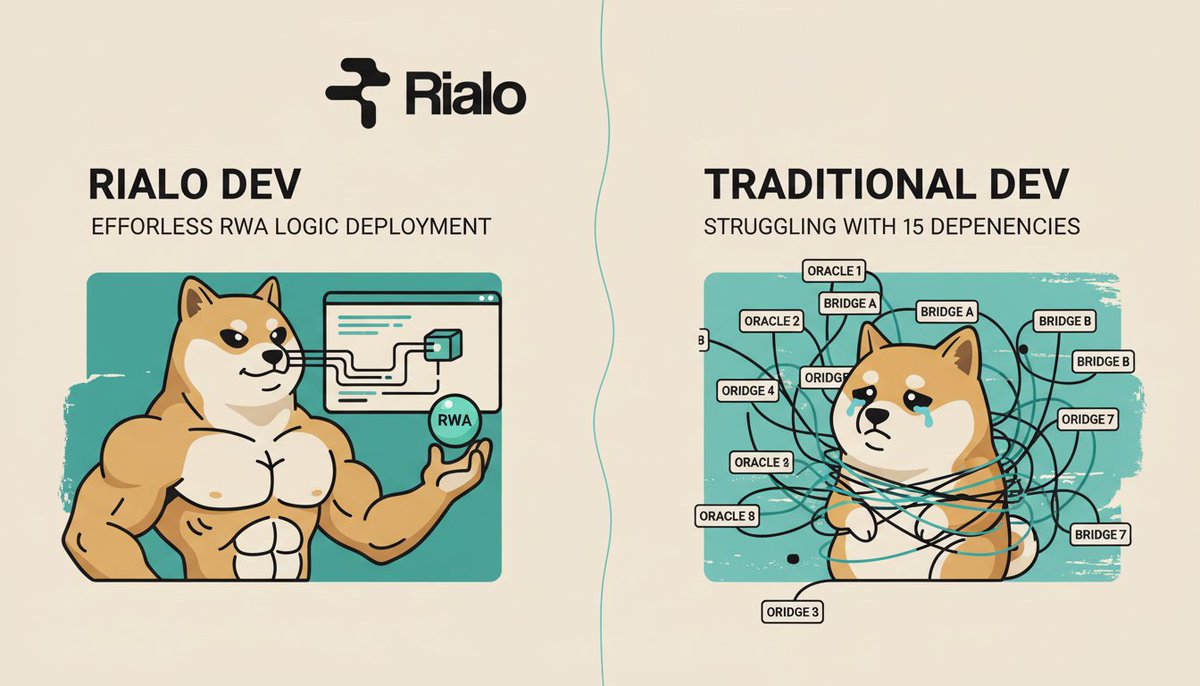
Devs will literally spend 6 months writing glue code to connect a stablecoin API to an oracle just to launch a mid RWA platform instead of using @RialoHQ.
We built native Web2 connectivity directly into the protocol layer so you can stop suffering.
Great idea. DeFi is stuck with 150% over-collateral because it ignores borrower identity.
@RialoHQ adds RW trust (credit score, KYC, banking, on-chain rep) while keeping data private.
Result: collateral drops to 67%, rates fall, capital efficiency soars. Live demo proves it.
In crypto lending today, to borrow $100 you must lock up $150. You need to be rich to borrow. This is the only model that works because the system doesn't know who you are.
In the real world, banks lend you more than you put down. Mortgages, credit cards, business loans. They can do this because they check your credit score, income, identity. Trust replaces collateral.
Rialo brings this to crypto. Borrowers can verify credentials (credit score, banking, identity, repayment history) to reduce their collateral requirement, potentially below 100%. The difference: unlike every other project attempting this, Rialo verifies the data without anyone seeing it. Private by default, revealed only if you default.
The global unsecured lending market is ~$4.7 trillion. On-chain lending is ~$56B, almost all over-collateralized. That gap is the opportunity.
We built a demo tool to show how the opportunity might work.
Toggle credentials, adjust loan size, watch collateral and rates update live.
The more information you provide, the less you need to put down to take a loan. It just makes sense.
Open the Pricing Engine at the bottom to see 6 different models for how this could work, including one designed for AI agent borrowers.
Link below:
Tired of blocking smart contracts, weak concurrency, and zero real-world hooks?
@RialoHQ is a new L1 built for actual apps. Feels like Web2. Stays decentralized.
Interactive tutorials here:
https://t.co/J0WZzWYxVs
Biggest on-chain pain you’re dealing with? 👇
Traditional web3 devs: spend 80% of their time writing glue code just to verify a real-world asset😭
Rialo devs: write one line of native code to query an off-chain API via IPC, mint a compliant stablecoin, go out for coffee
Stop fighting your infrastructure. Build on @RialoHQ.
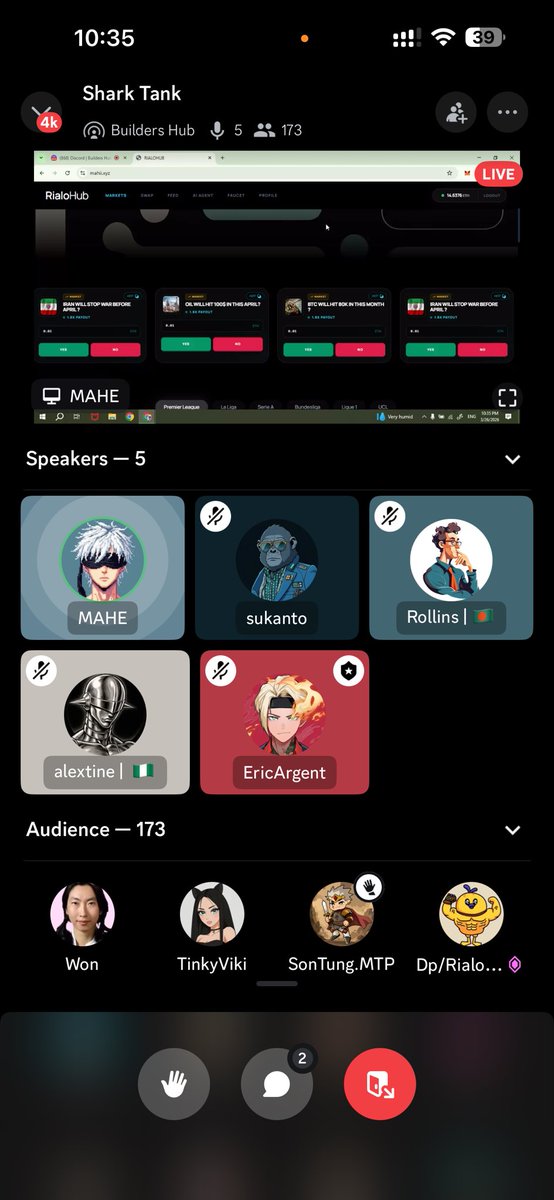
Rialo Builder Hub sessions are honestly becoming one of the most interesting parts of the ecosystem right now @RialoHQ
The Shark Tank format makes it even better builders get to present their ideas live explain what they’re working on and get direct feedback from both the community and experienced members.
You can actually see real projects being built not just concepts. Some are early ideas, some are already live but all of them show how people are using Rialo in different ways.
The energy is different too active audience, real questions, and meaningful discussions instead of just hype.
Week by week more builders are joining more ideas are coming in and the ecosystem keeps growing stronger.
If you’re building or even just exploring, this is definitely one of the best places to be right now
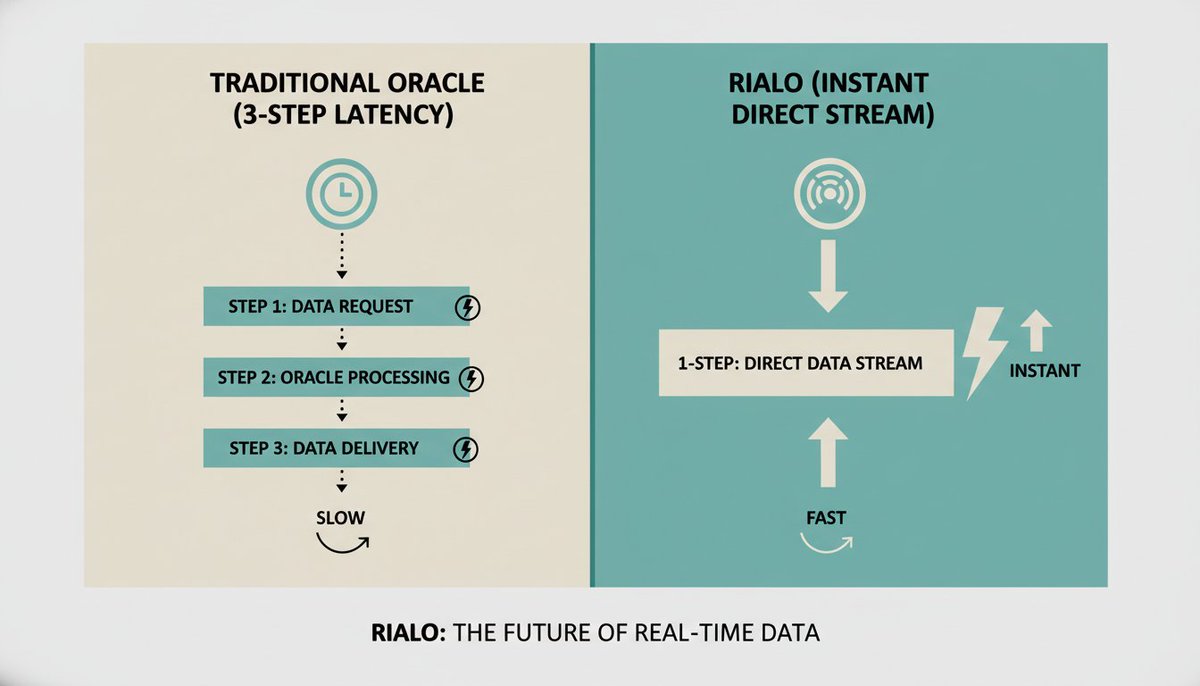
Stop relying on clunky middleware for your stablecoin rails. Oracles introduce latency and risk.
@RialoHQ Stream feeds data 40x faster than top oracles directly on-chain.
Combine that with our event-driven Execution Engine, and you get nanosecond latency.
Gauss by @RialoHQ
upgrades blockchain with zero downtime.
Dirty Inner Log holds transactions plus coordination messages.
Log Sanitizer turns it into clean Outer Log, only user transactions for execution.
Swap validators, quorums, or entire consensus protocols safely.
If Rialo succeeds, institutions enter crypto without fear. DeFi becomes real financial infrastructure, not speculator playground. Who’s excited for private credit onchain? Comment below! https://t.co/pMMt7IXJIY
Smart contracts enforce rules without humans, yet real-world data verification has a huge “verification gap.” I agree with their Determination Layer, it delivers onchain truth without regular oracles. Game changer!
Read @RialoHQ blog on bringing private credit onchain. This is what I’ve been waiting for. DeFi stuck in volatile retail lending, but private credit, corporate, real estate, is a multi-trillion market still offline.
The future of institutional finance isn’t a patchwork of oracles and bridges, it’s a unified stack.
The @RialoHQ team is at #DAS2026 in NYC all week.
We’re here to show how our verification driven stack brings speed, privacy, and real-world connectivity to the industry.
Spot the team (@itachee_x, @BobbyZagotta, @curiouskendre, @soumeya, and @0xChanglu) at an event or DM to link up!
The global financial system will ultimately settle on a high-throughput blockchain. @RialoHQ is the payment rail bridging that gap. We are deploying the enterprise stablecoin infrastructure that will seamlessly power the next wave of trillion-dollar RWA adoption worldwide.
If this works, onchain apps can talk to banks, credit systems, identity providers. Undercollateralized loans, fiat deposits, compliance checks. Stuff crypto struggled with for years. Big unlock narrative. Execution matters more than hype though.
Most blockchains force transactions to finish inside one block. No pause, no waiting, no external data. Works for simple transfers, breaks for real apps. @RialoHQ proposes async transactions, start now, pause, resume later across blocks. Like async/await but onchain.
Today if a DeFi app needs offchain data, devs glue relays, keepers, extra services. More cost, more failure points, bigger attack surface. Rialo bakes async into protocol. Workflow waits for real-world result, then continues automatically. No babysitting infra.