Blockchain payment rails are turning transfers into near real time operations through programmable settlement, transparent records and fewer intermediaries. The result is lower friction, simpler reconciliation and faster value movement for users across digital payment.
Blockchain based payment infrastructure is reducing settlement times from days to minutes. Transparent transaction rails, automated execution and fewer intermediaries are improving efficiency while lowering operational complexity across payment networks. For many users.
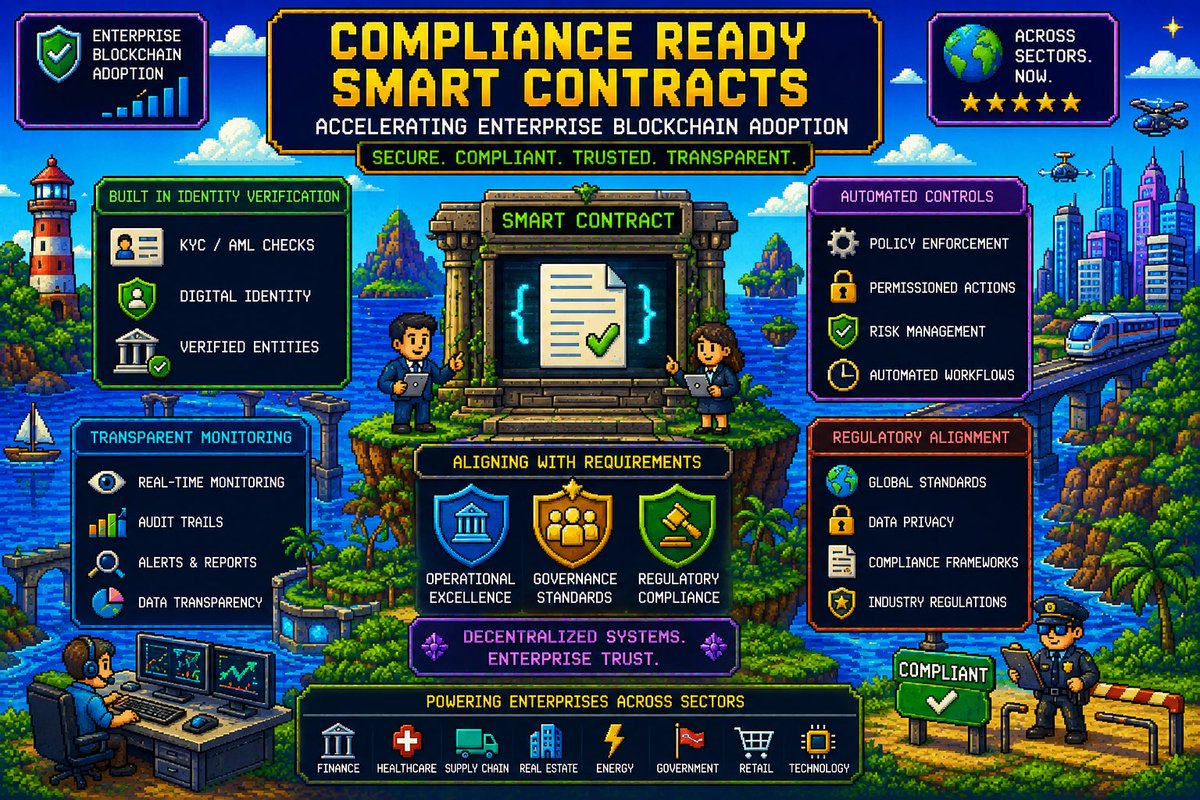
Compliance ready smart contracts are accelerating enterprise blockchain adoption. Built in identity verification, automated controls and transparent monitoring help align decentralized systems with operational, governance and regulatory requirements. Across sectors now.
Institutional grade DeFi is transforming access to decentralized liquidity. Advanced vaults, automated risk controls and compliance ready infrastructure are allowing enterprises to interact with on chain financial markets with greater confidence and efficiency. Globally
Blockchain interoperability is becoming a critical foundation layer. Cross chain messaging, shared liquidity networks and standardized connectivity are enabling assets and smart contracts to move seamlessly across decentralized ecosystems at scale. Across markets now…
Stablecoins are evolving into core financial infrastructure. Instant settlement, programmable transfers and always available transaction rails are reducing friction in payments while enabling faster movement of value across digital financial ecosystems globally. Scaled.
RWA tokenization is moving from pilots to production. Bonds, credit and yield generating assets are becoming programmable, tradable instruments on blockchain networks, improving liquidity, transparency and settlement efficiency across modern capital markets. Widely used
Blockchain security is entering a more mature phase. Real time threat detection, predictive monitoring and automated vulnerability analysis are strengthening protocol resilience and enabling safer deployment of critical on chain systems.
Layer 2 innovation is solving blockchain scalability at the infrastructure level. Faster throughput, lower transaction costs and improved execution efficiency are enabling decentralized applications to support enterprise grade operational demand.
Blockchain is reshaping cross border payments through near instant settlement and transparent transaction rails. The shift toward programmable payment infrastructure is reducing delays, operational complexity and dependency on legacy intermediaries.
Compliance ready smart contracts are accelerating blockchain adoption. Built in identity verification, programmable restrictions and automated monitoring are making decentralized systems compatible with enterprise operational and regulatory requirements.
Institutional grade DeFi is redefining decentralized liquidity access. Advanced vaults, automated risk controls and compliant execution layers are enabling secure interaction between enterprise capital and decentralized financial infrastructure at scale.
Blockchain interoperability is becoming essential infrastructure. Cross chain messaging and unified liquidity rails are allowing assets and smart contracts to move seamlessly between networks, creating a more connected and scalable decentralized ecosystem.
Stablecoins are becoming the operational layer of digital finance. Instant settlement, programmable transfers and on chain collateralization are transforming payments infrastructure, reducing friction and creating faster capital movement across financial ecosystems.
Real world asset tokenization is moving into production at scale. Bonds, private credit and yield bearing assets are becoming programmable financial instruments, enabling continuous liquidity, fractional ownership and automated settlement across blockchain infrastructure.
DeFi infrastructure in 2026 is becoming institutional-grade. Advanced lending vaults, interoperable blockchain rails and compliance-ready smart contracts are enabling banks and enterprises to access decentralized liquidity with greater security and transparency.
Regulatory frameworks for tokenized assets, stablecoins and decentralized finance are accelerating institutional blockchain adoption. Transition from uncertainty to compliant on chain infrastructure is unlocking scalable liquidity efficiency and financial integration.
Major financial institutions are now testing tokenized treasury products on public blockchains. The shift from pilot programs to live financial operations shows that blockchain is no longer experimental technology but a foundation for modern capital markets. Worldwide!.