New paper out on the links between offspring size, brain size, & metabolic rates in #dinosaurs. Result being that smaller clutches are linked to larger egg sizes, increase in brain size, & greater parental care.
https://t.co/Fune1RoKDl
A new plant fauna from the Plio-Pleistocene period of Vietnam has been revealed. This is the first Cenozoic-aged fossil plant collection from southern Indochina and will be critical in understanding how humans have impacted the region’s flora.
🦷🐒📈 Research update from #Tied2Teeth!
Mario Modesto Mata shared preliminary results from a quantitative genetic analysis investigating the relationship between 💪 temporalis muscle attachment areas and 🦷 molar dimensions in baboons.🔬🦷
@CENIEH@ERC_Research@FECYT_Ciencia
📰 de 2024 :
Un félin préhistorique🐈découvert en Chine 🇨🇳
#Prionailurus kurteni (~100 000 ans) serait le plus petit félin #fossile connu, de la taille des plus petits chats actuels (40 cm de long).
#Pléistocène#Felidae
📰https://t.co/hrba4VQo5c
🔎https://t.co/XsF9UXccPd
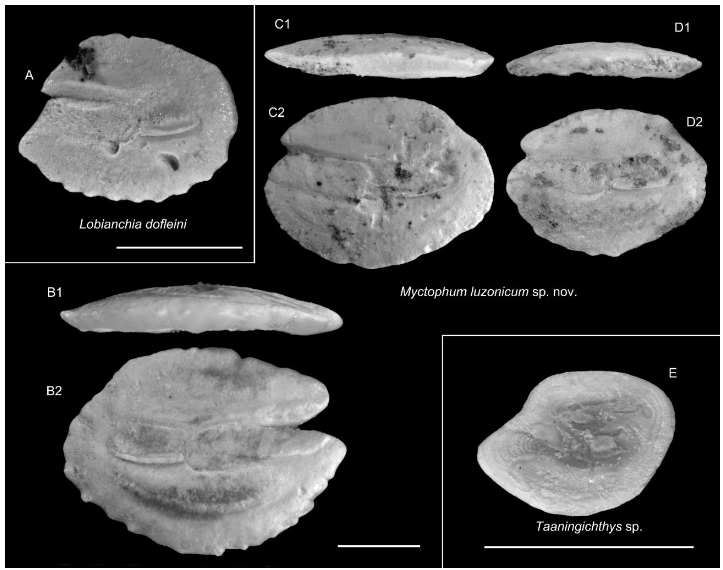
New paper: Lower Pliocene fish otoliths from N Philippines.
We analyzed 1,225 otoliths, described two new lanternfish species, refined age control, and reconstructed a tropical West Pacific fish community.
https://t.co/sJU6KBpf0l
#otolith#paleontology
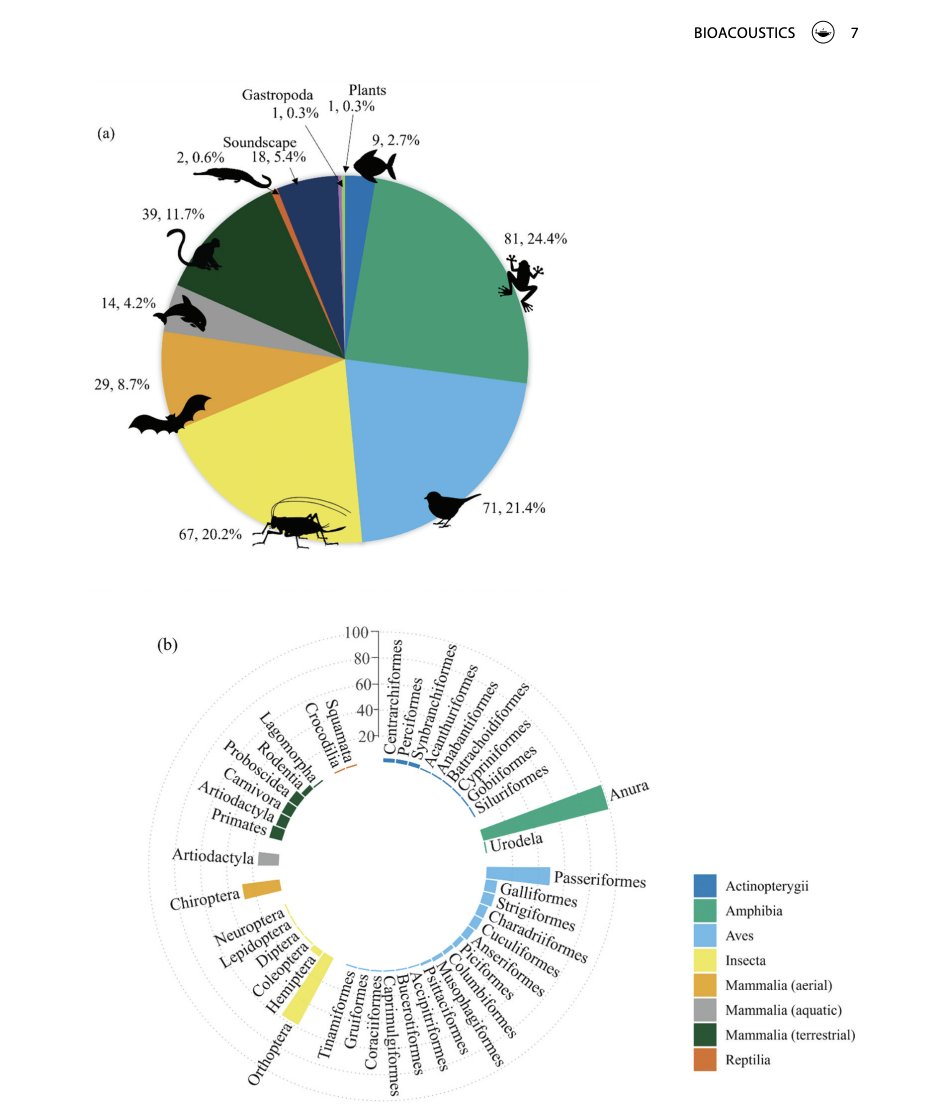
We did a systematic review of bioacoustics studies in India. We identified the strengths of bioacoustics, the taxa, regions of India & themes that have been worked on using bioacoustics & the gaps. We give some recommendations for strengthening the future of Bioacoustics in India
A new species of gerbil (Gerbillidae, Rodentia, Mammalia) from the Early Pliocene of the Iberian Peninsula and its bearing on faunal dispersals during the Messinian (Late Miocene) https://t.co/4xzYyWJ6vG via @fossil_record
Des crottes #fossiles d’écureuils🐿️ (700 000 ans) révèlent un monde disparu !💩
L’ADN🧬conservé dans le pergélisol 🇨🇦 dévoile plantes, animaux et microbes de l’Arctique ancien.
#Pléistocène#ADNancien#coprolithes
📰 https://t.co/6cfHVojryR
🔎 https://t.co/AgYPwyJwa8
A new study by Nipu Kumar Das (PhD 2019) and Aravind N. A. (Sr. Fellow) describes one new species each of the genus Georissa and genus Acmella from northeast India, along with new distribution records of two species of Georissa.
This study highlights the potential for further research into molluscan diversity within unique limestone ecosystems and underscores the need for more studies to confirm the true cave-dwelling nature of these microsnails.
Read the full research paper by the European Journal of Taxonomy here: https://t.co/Hfi8elxELg
If you like my books (and even if you don't!), check out these books by kind folks who supported The Story of Birds with blurbs.
It's a joy to be part of the generous international community of science writers, who care so much about nature, exploration, and discovery!
"At the Foot of the Himalayas" is a groundbreaking book that illuminates a mysterious paleontological past, bringing together decades of international studies on one of the longest terrestrial fossil records on the planet. 🦣
https://t.co/gSesQO9RP1
Um pequeno pavão (Galliformes, Phasianidae) do Mioceno da Bacia de Linxia da China ilumina a evolução do clado e sua paleobiologia https://t.co/lKto2X1gTE
Looks like a very useful R package for the analysis of morphological evolution on phylogenies:
"We introduce MorphSim, an R package for simulating discrete morphological characters specifically designed for total- evidence and tip- dated phylogenetic analyses..."
Ever wonder what #prehistoric mammals may have looked like? A new study examining Sri Lankan #fossil mammals can answer that! Using 3D animation combined with #palaeontology and modern examples, photo-realistic models can be created of long-extinct animals.
🚨NEW STUDY DROP🚨
7 vertebrae from the Paleocene (upper Danian) Porters Creek Formation of Alabama, are described as a new marine snake, Parapalaeophis jeffshawi. Body length is estimated at 1.94 ± 0.14m, 6.36 ±0.45ft
🎨: Joschua Knuppe (palaeophis pictured)
Nuevo artículo publicado! 🐻
Analizamos osos del Atlas del norte de Marruecos mediante isótopos estables, datación por ¹⁴C y ZooMS. Los resultados apuntan a una dieta sorprendentemente herbívora🌱 #Paleo3
https://t.co/WFI38WJxtm