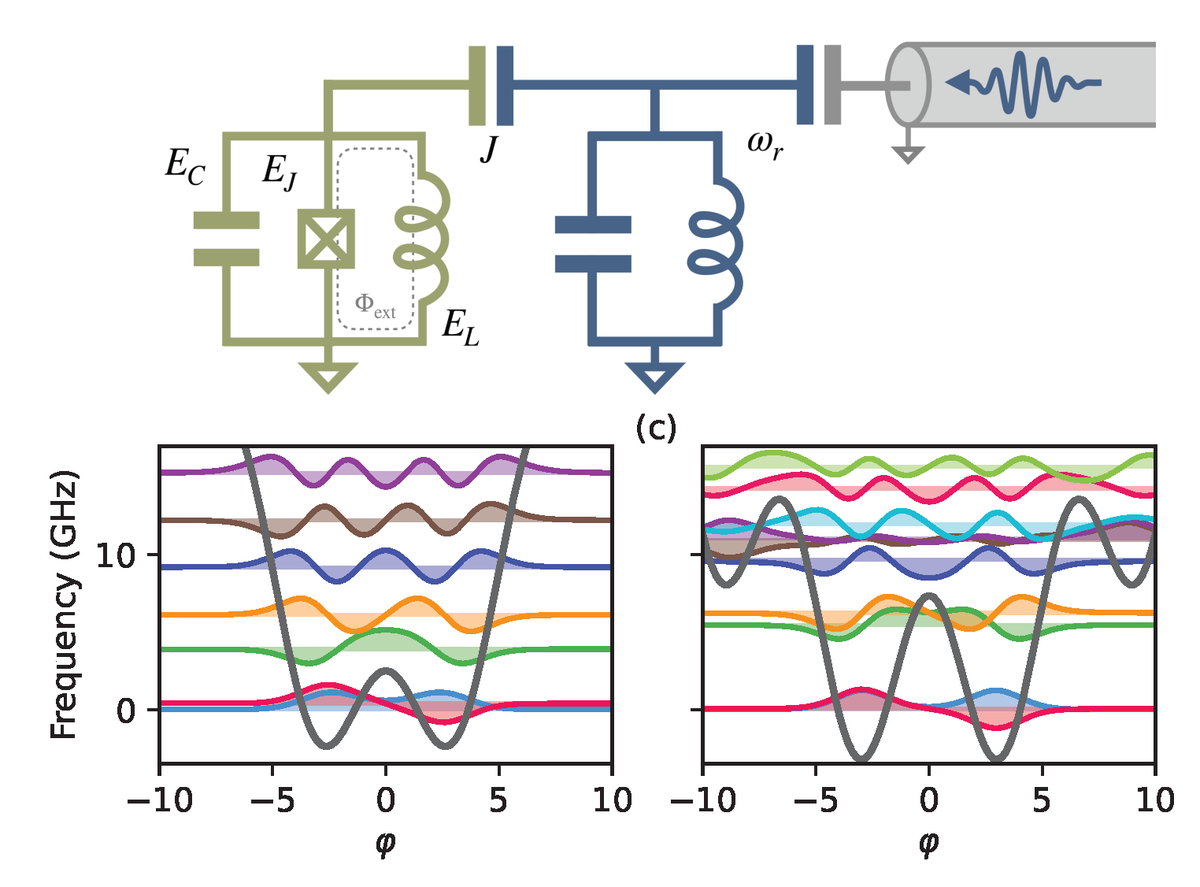
New time-dependent readout simulations published in Physical Review Applied suggest that lighter fluxonium qubits are less prone to measurement-induced transitions than heavier ones, offering insights for the design of fluxonium-based quantum processors.
https://t.co/vrpIrrASGx
A new validation-first framework enables more reliable workflow generation for high-performing computing environments, potentially making agentic AI more reliable, reproducible, and cost efficient for computational science. Read more in PRX Intelligence: https://t.co/UKHsdXX3H3
Know an early-career researcher whose astronomy or astrophysics paper stands out?
Nominate them by Nov. 15 for the Emerging Astrophysicist Award. The recipient gets $2,000 and support to attend and a speaking opportunity at #APSSummit27. Learn more: https://t.co/31pfl7tOMg
A new Collection on Phononics and Metamaterials from Physical Review Applied showcases innovative sound-wave research, emerging directions in the field, and a tribute to a cherished colleague.
Check it out: https://t.co/vDuMoReO26
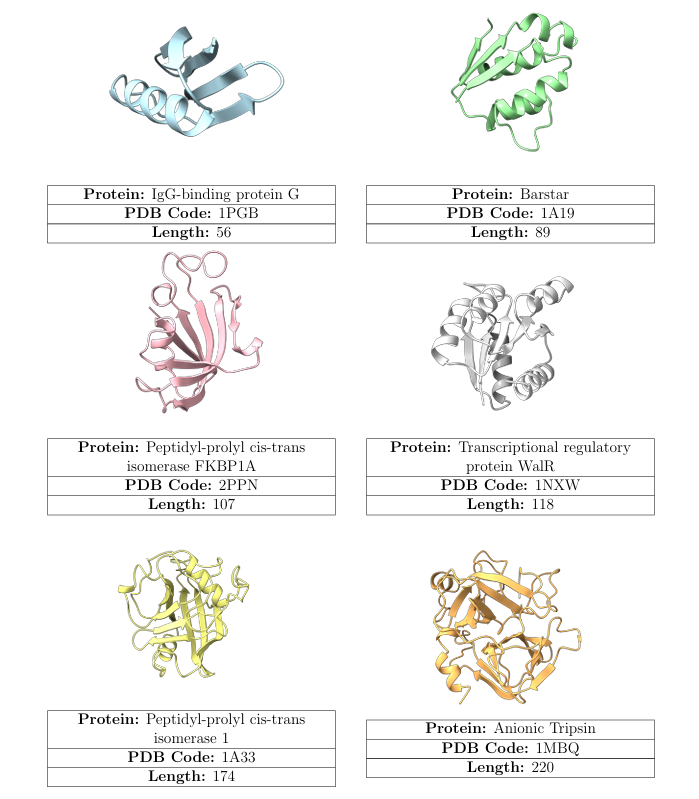
New work in PRX Life describes a self-consistent training framework that learns residue-residue interactions in sequence statistics and physically modeled interaction energies. It can be used for accurate contact prediction in biomolecular models.
🔗 https://t.co/6CBcHWOqRj
New in PRX Life: Researchers use the theory of active fluids to show that material renewal plays a crucial role in organizing biological active matter, providing insights into developmental processes.
🔗 https://t.co/9o5KuhbuyY
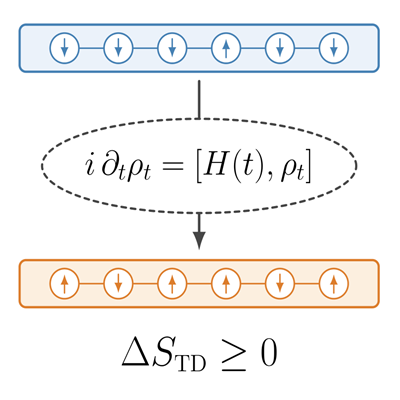
A PRX Quantum study details a theoretical framework that reconciles the second law of thermodynamics with quantum mechanics and shows how macroscopic thermodynamic principles emerge even from pure quantum states.
Read the study: https://t.co/Earcio1Tcn
Researchers turned ECORE into a microscope-based tool that detects electrical pulses from individual heart cells without dyes, while imaging them. It could help more labs study how cells work and respond to drugs.
More in Physical Review Applied: https://t.co/s1Ctl9Ph5f
⚛️ Using two cooling techniques, researchers trapped about 4,000 cesium atoms — 6 times more than the conventional method — beside an optical nanofiber and kept them there for 5 times longer.
Read the paper in PRX Quantum: https://t.co/RGFsHVv43M
🧬 Can translation itself steer where a protein ends up? A new paper in PRX Life shows polysomes can couple to biomolecular condensates as proteins are being made, a mechanism the authors call co-translational condensation.
Read more: https://t.co/zvvjTi5vwx
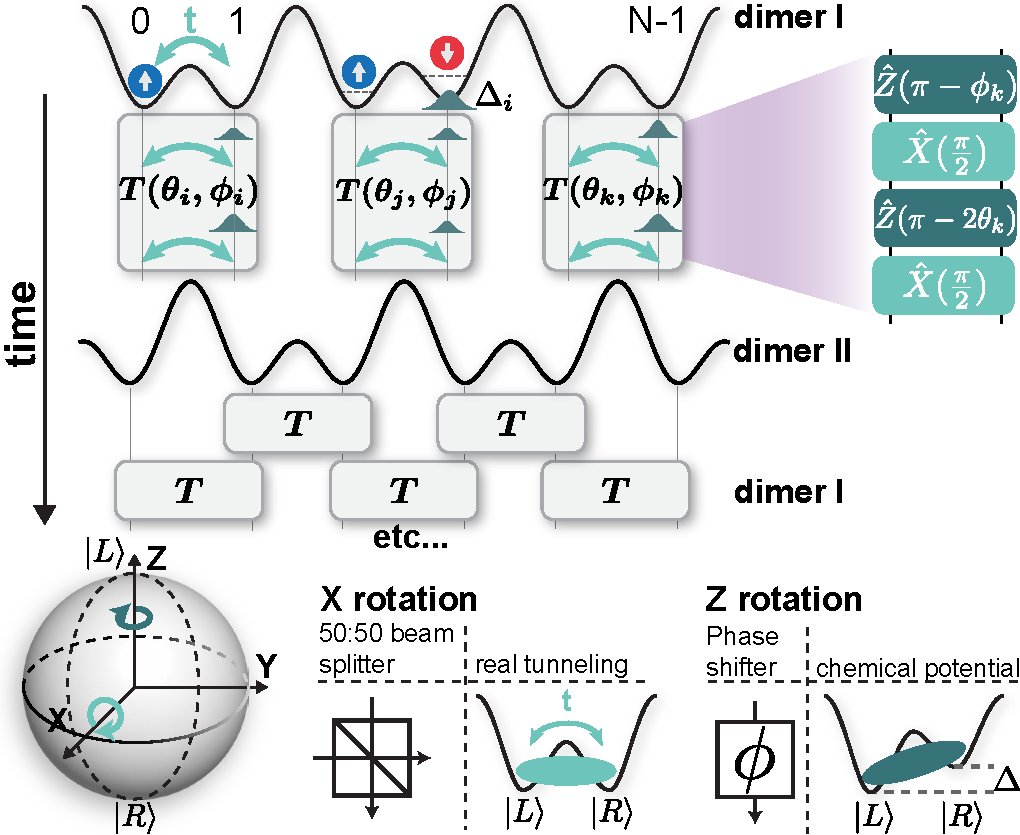
Ultracold atoms usually move through optical lattices in limited ways. A new study shows how simple controls can steer them in almost any way, opening the door to more flexible atom rearrangement and more programmable quantum systems.
More in PRX Quantum: https://t.co/i7O2KJrvQj
A new study in Physical Review D demonstrates the most precise measurement yet of the kinetic Sunyaev-Zel’dovich effect, enabling a detailed characterization of baryons around luminous red galaxies.
Read more: https://t.co/AYn9yHtcHT
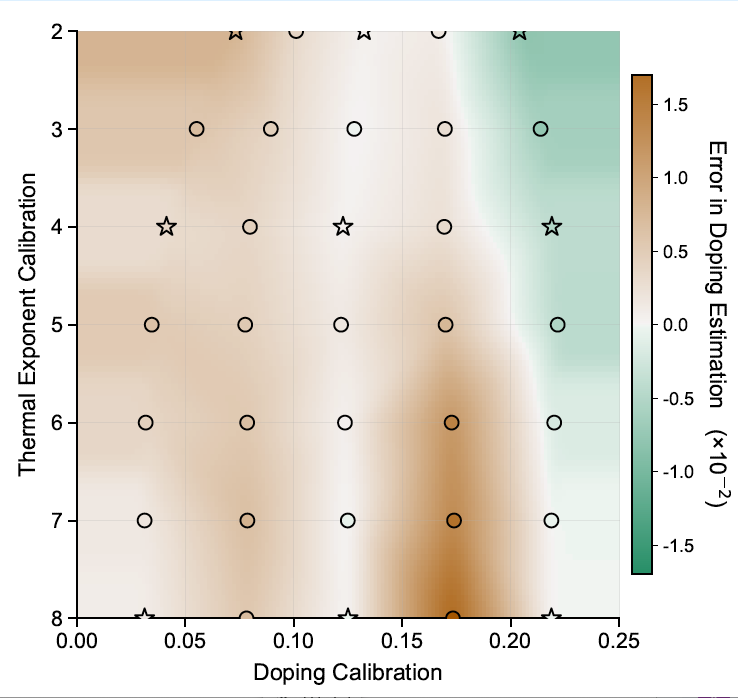
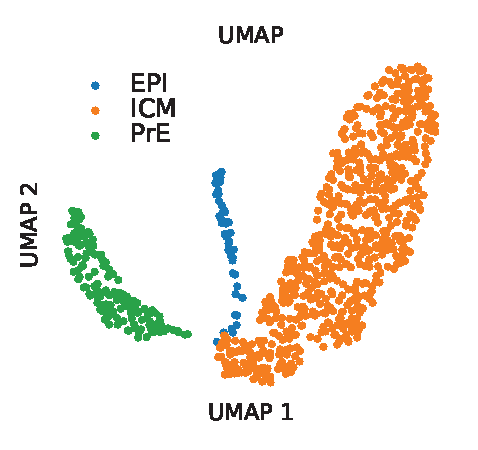
A new #AI workflow can spot hidden patterns in simulations of strongly interacting electrons and use them to estimate conditions like temperature and doping. It could offer a clearer, more direct way to analyze quantum systems.
More in PRX Intelligence: https://t.co/YpejmTC4Kp
🐟 Virtual fish projected with a closed-loop virtual-reality system into a fishbowl with a real fish helped researchers figure out how real fish coordinate their movements in schools based off of a single neighbor.
Get more from PRX Life: https://t.co/zxlfDlcLRe
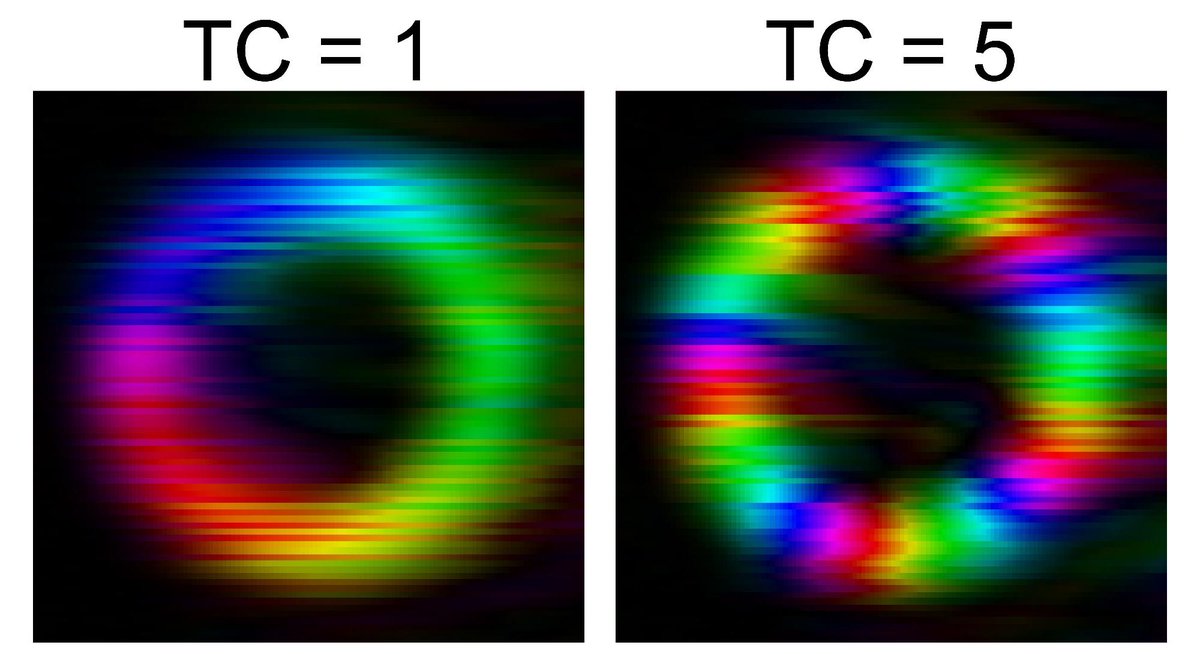
A study in Physical Review Applied realizes perfect spatiotemporal acoustic vortices whose size remains nearly unchanged across different topological charges — capabilities that could facilitate acoustic multiplexing and detection.
Read more: https://t.co/b1NQKkZHyP
Building #physics into #AI lets researchers model the fractional quantum Hall effect as accurately as leading methods with far less computing effort, helping explore these unusual quantum states under more realistic conditions.
More in PRX Intelligence: https://t.co/9EfQCo3Fqb
PRX Energy aligns with the United Nation’s Sustainable Development Goals by freely connecting communities around the world with the latest insights in clean energy. Learn more: https://t.co/kAmHG1ZbeJ
A new study in PRX Life presents a #MachineLearning approach mapping sparse observations to prototypical behaviours to classify stable oscillations and stationary behaviors, and reveal biological processes in single-cell gene expression data.
🔗 https://t.co/cWogDKx97C
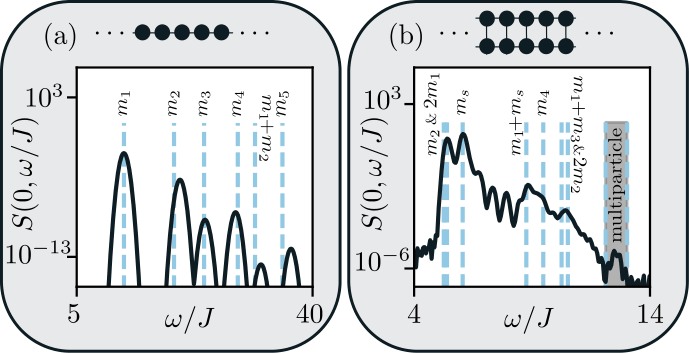
Researchers used programmable Rydberg atom arrays to watch particle-like excitations form and bind together near a quantum critical point. This shows how quantum simulators can reveal elusive physics predicted by quantum field theory.
In PRX Quantum: https://t.co/DPKBQU7ZxV
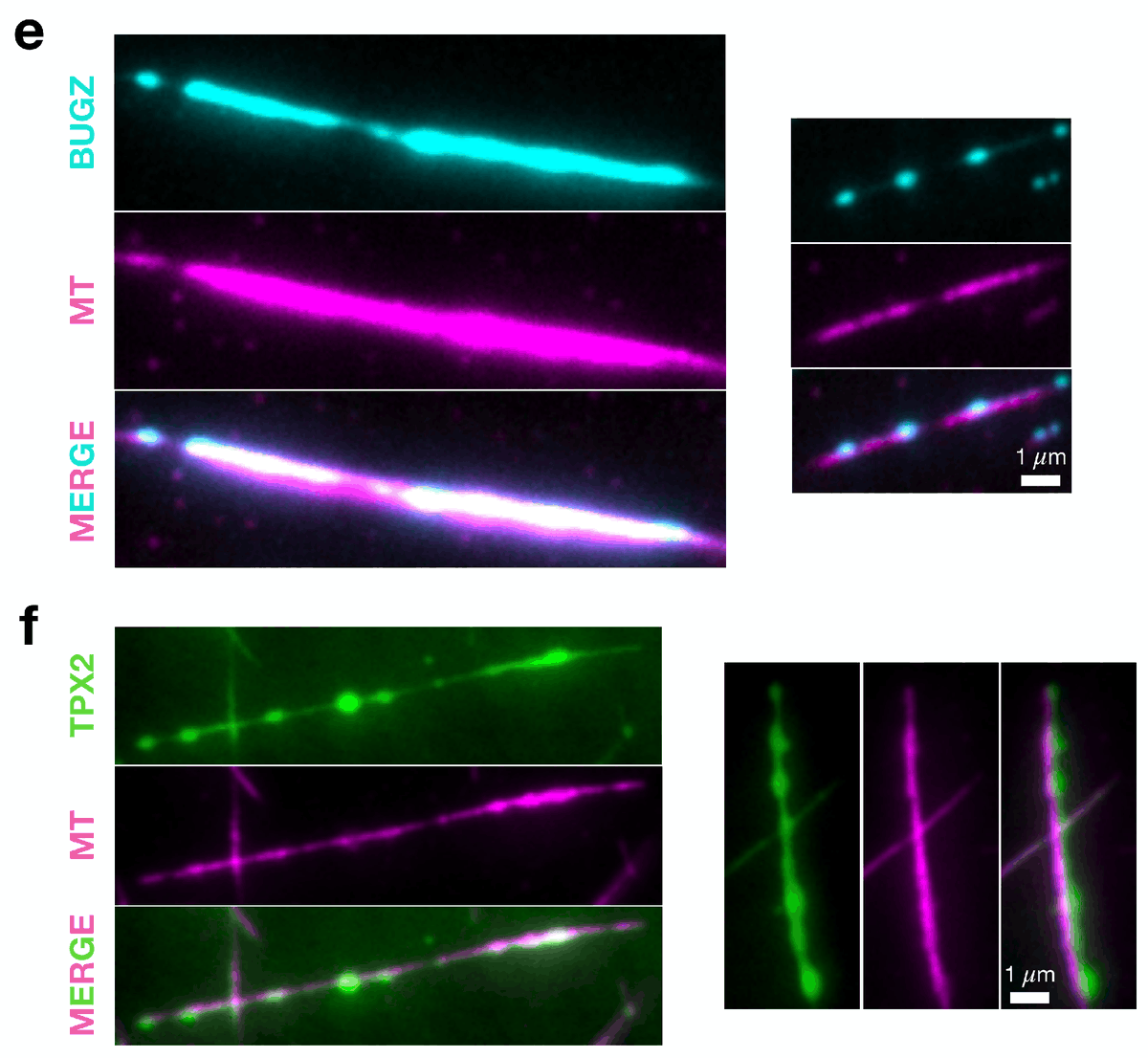
Researchers found that protein condensates pull microtubules into bundles through capillary forces, like how water makes wet hair clump. Learning how cells organize their insides could reveal what happens when these systems malfunction.
More in PRX Life: https://t.co/DmazUzl5jl