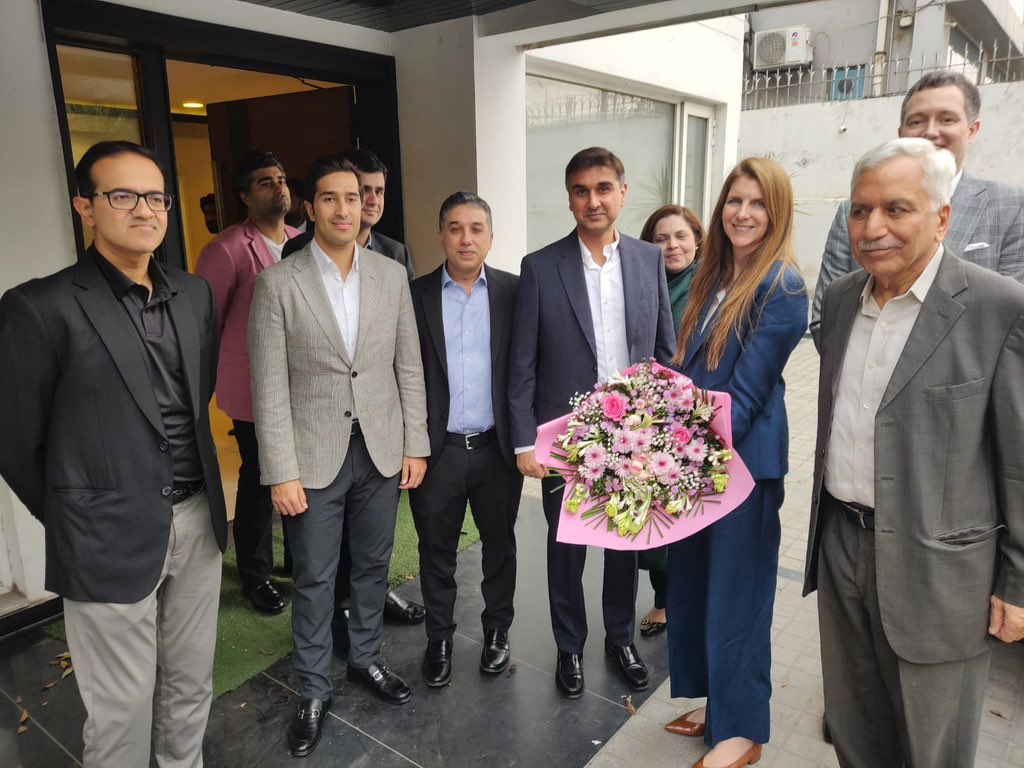
🇵🇰🇺🇸 APTMA & US CONSULATE EXPLORE DEEPER TRADE, INVESTMENT & TEXTILE COOPERATION
With Pakistan exporting $5.9 billion to the United States in 2024, of which 77% comprised textiles and apparel, the bilateral relationship presents significant opportunities for stronger industrial partnerships.
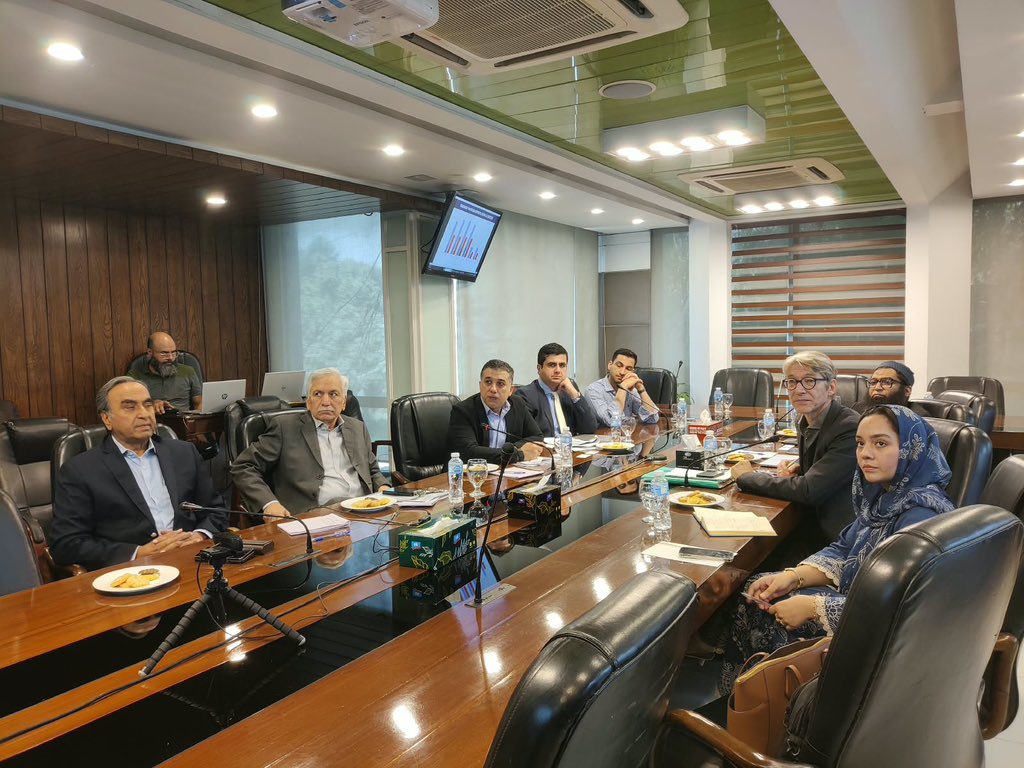
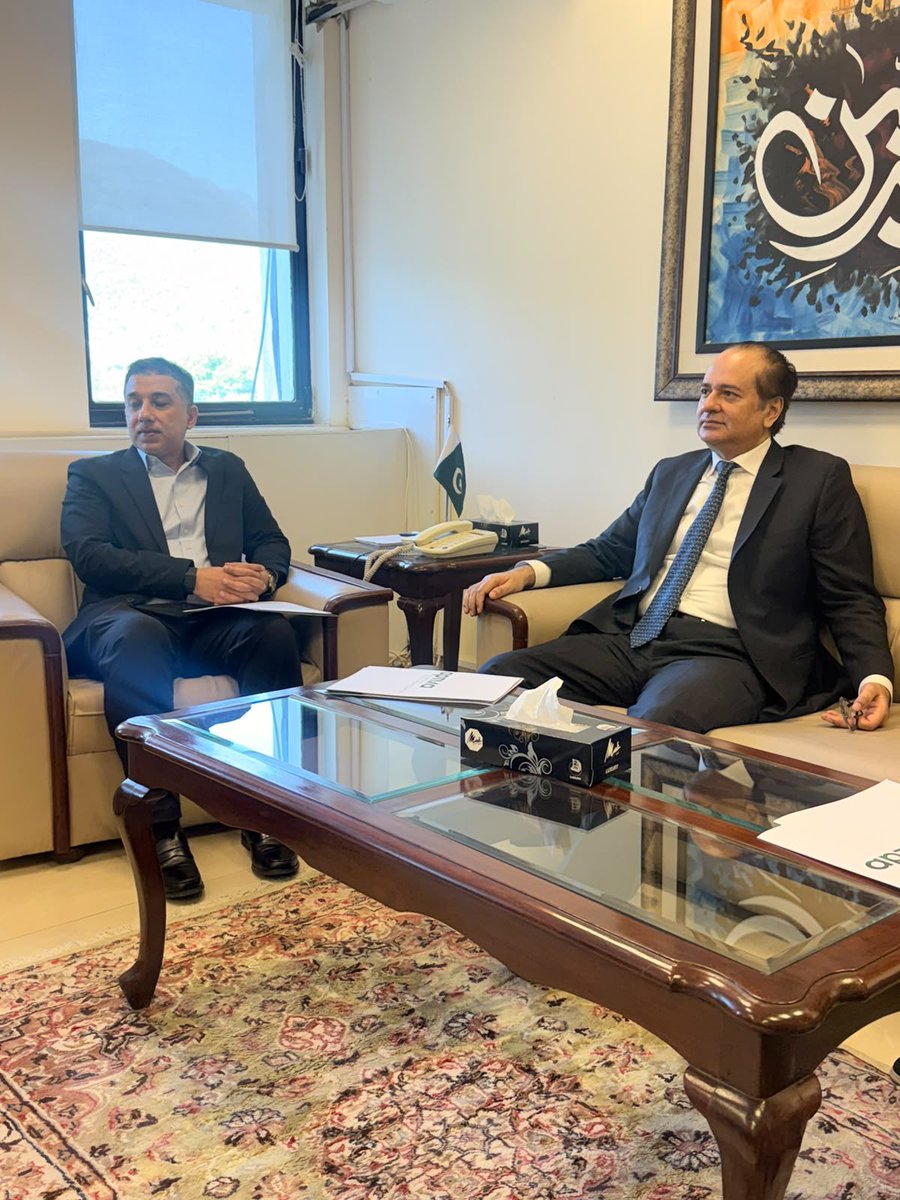
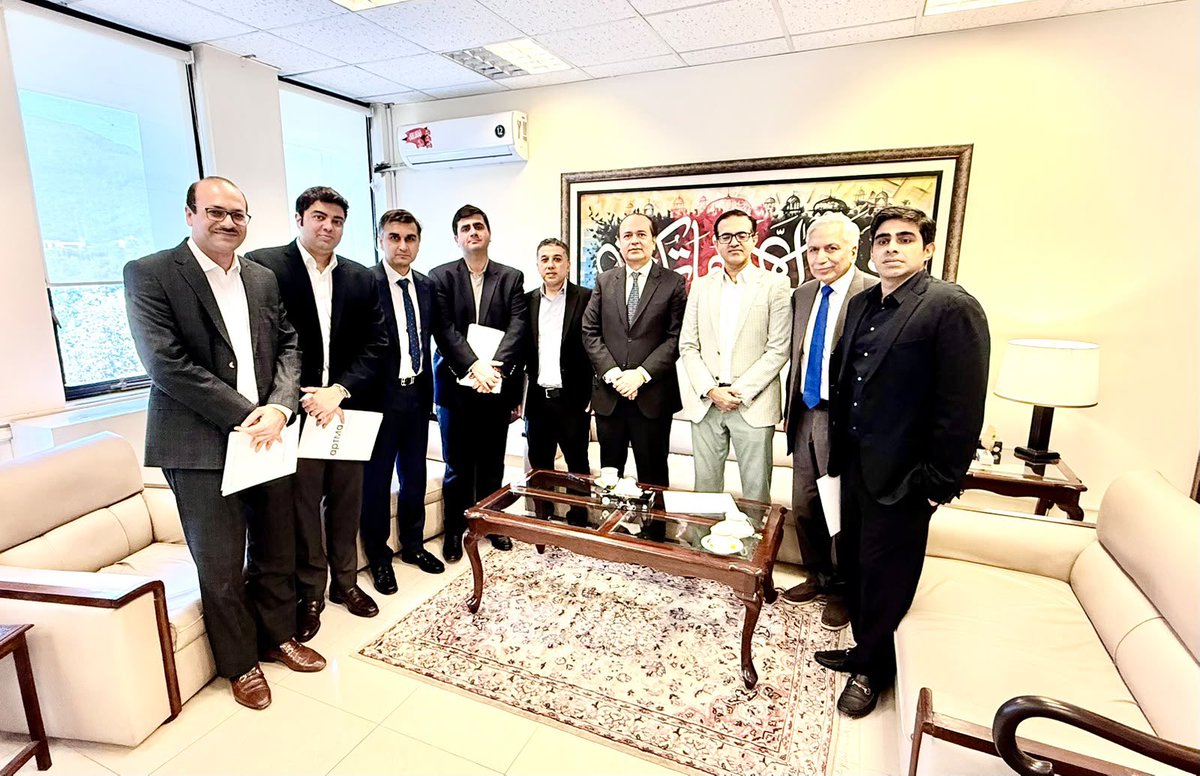
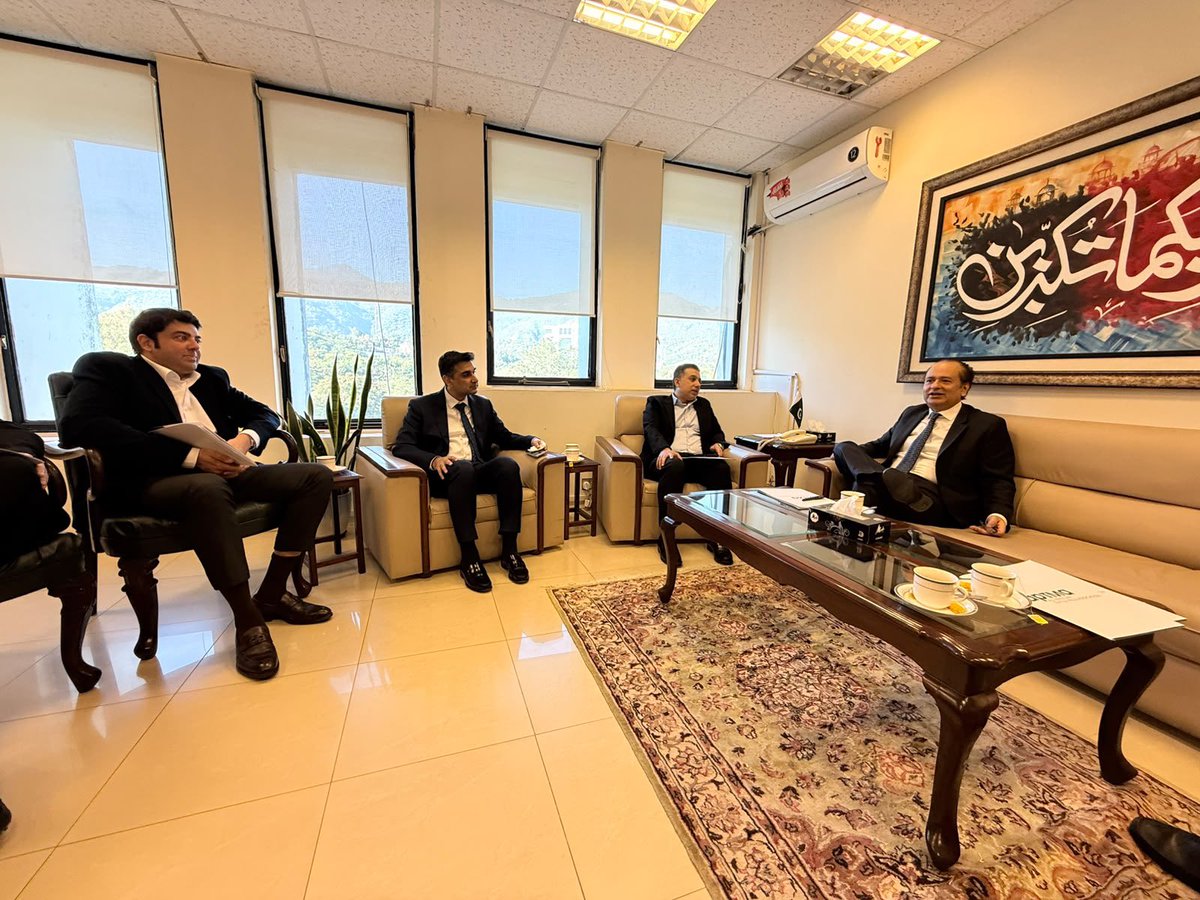
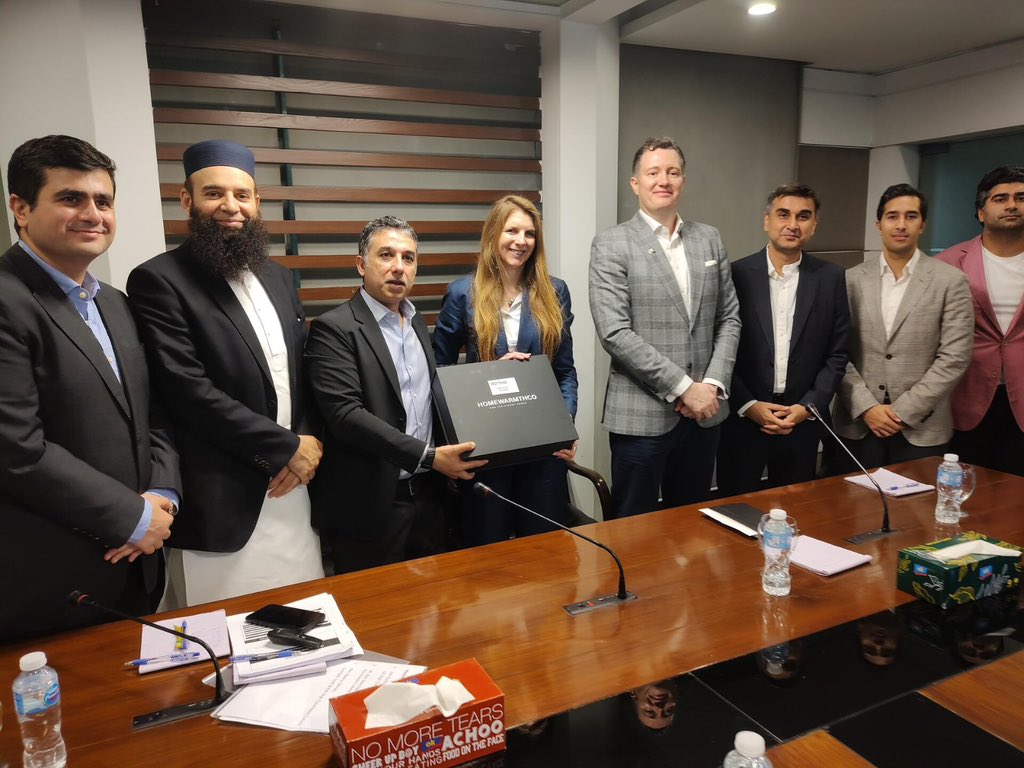
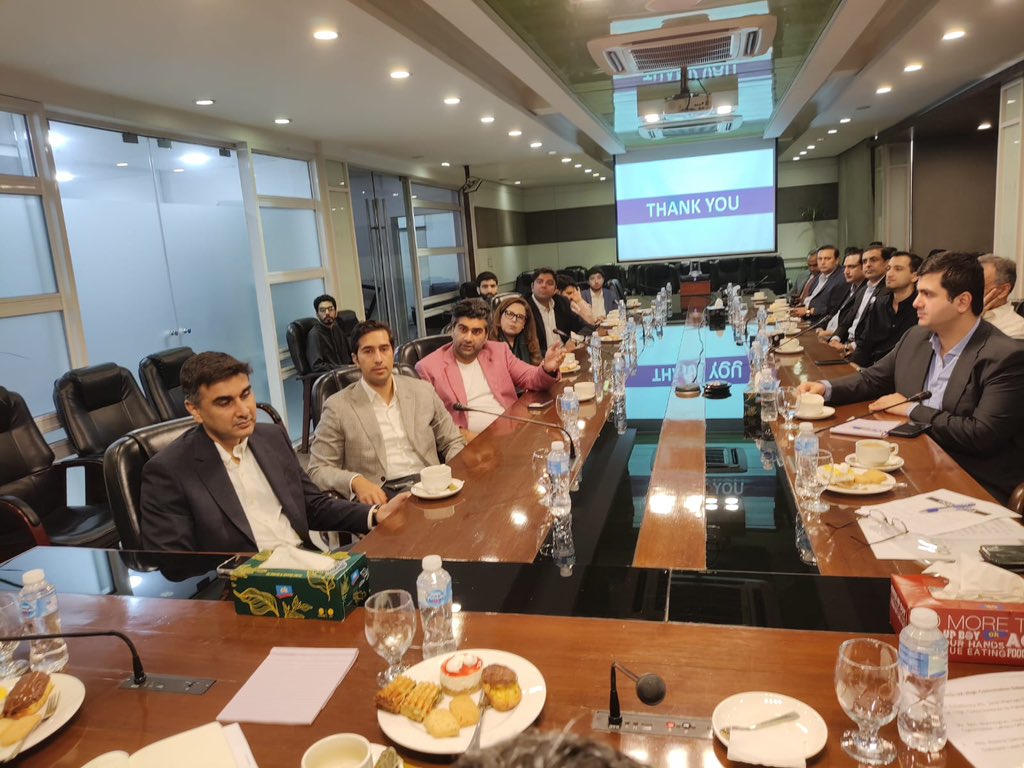
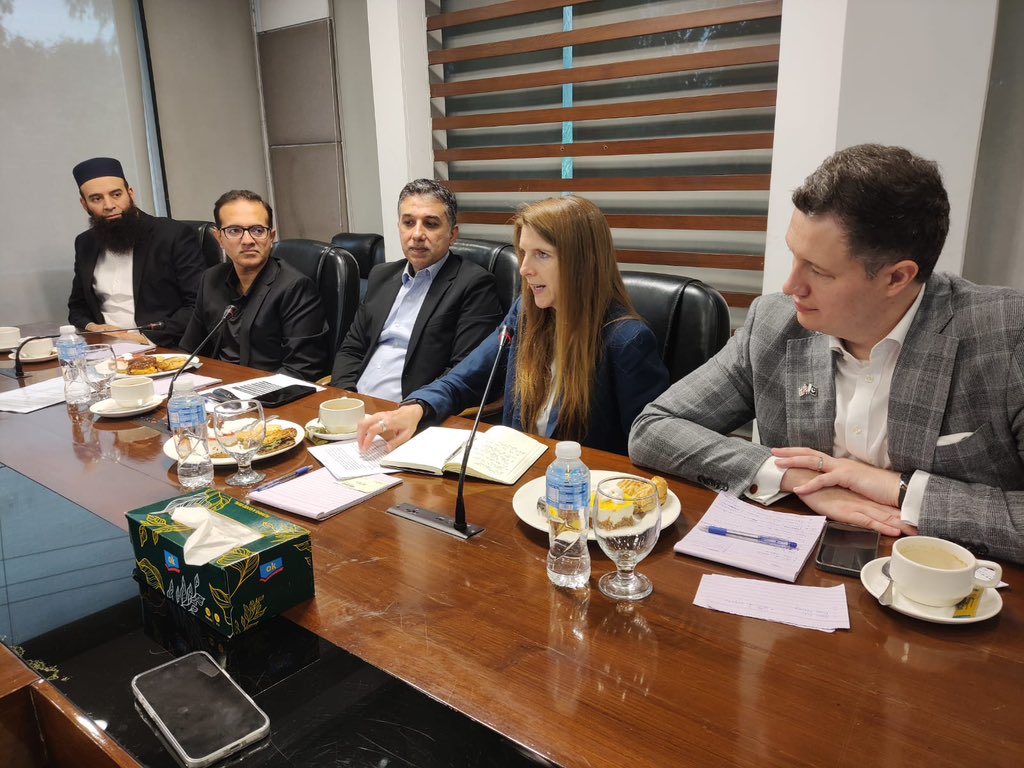
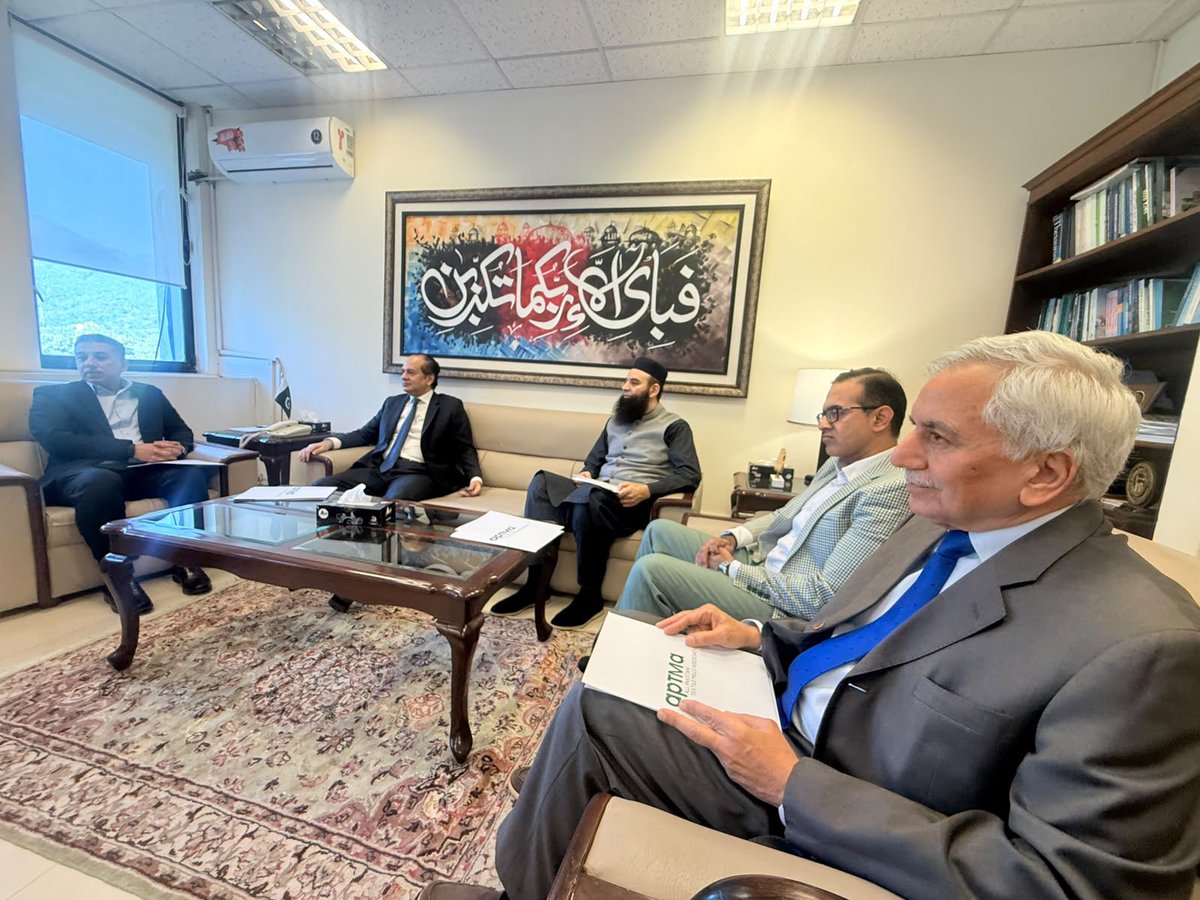
APTMA Chairman Asad Shafi welcomed Dillon Clancy, Political & Economic Chief at the US Consulate General Lahore, to APTMA House for discussions on expanding bilateral trade, strengthening cotton supply chains, enhancing textile competitiveness and promoting investment.
Key areas of discussion included:
🔹 Strengthening US–Pakistan cotton trade and supply-chain security.
🔹 Technology transfer for high-yield cotton seeds and collaboration with American cotton research institutions.
🔹 Expanding textile toll manufacturing opportunities for US businesses in Pakistan.
🔹 Improving cotton traceability, international compliance and sustainable manufacturing.
🔹 Unlocking Pakistan’s potential for greater value-added textile and apparel exports.
Chairman Asad Shafi highlighted the challenges posed by declining domestic cotton production and emphasised the importance of American cotton in sustaining Pakistan’s textile industry, which accounts for approximately 62% of national exports.
Mr. Clancy acknowledged the compliance standards maintained by Pakistani textile manufacturers and recognised the sector’s considerable potential for further growth and bilateral commercial cooperation.
The meeting was attended by APTMA Chairman Asad Shafi, Senior Vice Chairman (North) Habib Anwar Sheikh, Vice Chairman (North) Muhammad Ali Chaudhry, Executive Committee members S. M. Nabeel, Haroon Ellahi and Faisal Jawed, Energy Advisor Tahir Basharat Cheema, and Secretary General Raza Baqir.
Mr. Clancy was accompanied by US Consulate Economic Specialist Amna Anis.
From American cotton to Pakistani manufacturing and global apparel markets, stronger bilateral cooperation can create substantial economic opportunities for both countries.
🔗 https://t.co/qCRI98VMc0
#APTMA #PakistanUSRelations #TextileExports #TradeDiplomacy
Germany’s growing interest in Pakistan offers a real opportunity to expand textile exports.
With GSP+ providing preferential EU market access and VFI representing 300+ German companies, the focus must now shift towards stronger sourcing partnerships, investment and export growth.
#APTMA #GSPPlus
🇵🇰🇩🇪 GERMAN IMPORTERS SEE GROWING OPPORTUNITIES IN PAKISTAN’S TEXTILE INDUSTRY
Germany’s VFI, representing over 300 companies, has expressed interest in strengthening sourcing and trade relations with Pakistan amid evolving global textile supply chains.
Speaking during his visit to APTMA, Dr. Michael Arretz highlighted Germany’s interest in deeper economic cooperation with Pakistan.
APTMA Chairman Asad Shafi underscored the importance of GSP+, noting a 73% increase in Pakistan’s exports to the EU since 2013.
From market access to sustainability and stronger buyer-manufacturer linkages, the opportunity now lies in translating engagement into exports.
Source: Associated Press of Pakistan (APP), November 20, 2026.
#APTMA #PakistanTextiles #Germany #GSPPlus
https://t.co/6e01ZBCEn4
Strengthening Pakistan–Germany textile trade and positioning Pakistan as a competitive, sustainable sourcing destination.
Muhammad Ali Chaudhry, Vice Chairman APTMA North Zone, discusses these opportunities and the industry’s sustainability readiness on PTV.
#PakistanTextiles #Sustainability #APTMA
Spoke with PTV about Pakistan’s textile exports, growing trade opportunities with Germany, and the importance of GSP+.
European buyers are diversifying their supply chains. Pakistan has an opportunity to attract more business, but market access alone isn’t enough.
Competitiveness, sustainability and reliable delivery will determine how much of that opportunity we capture.
German Importers Eye Greater Textile Sourcing from Pakistan
APTMA and the German Importers Association (VFI e.V.), representing over 300 German companies, have agreed to strengthen cooperation on sustainability reporting and expand bilateral textile trade.
During his visit to APTMA House Lahore, Dr. Michael Arretz, Managing Director of VFI e.V., expressed interest in expanding sourcing from Pakistan amid evolving global textile supply chains.
APTMA Chairman Asad Shafi highlighted the importance of GSP+, under which Pakistan’s exports to the EU have grown by 73% since 2013, while exports to Germany have increased by 40%.
The engagement also showcased Pakistan’s textile industry’s investments in renewable energy, sustainable fibres, water treatment and international compliance standards, reinforcing its position as a responsible and competitive global sourcing destination.
#APTMA #PakistanTextiles #Germany #GSPPlus #Sustainability
LIVE NOW | APTMA – German Importers Association
APTMA is hosting Dr. Michael Arretz, Managing Director of the German Importers Association, at APTMA House, Lahore, to explore opportunities for strengthening Pakistan–Germany textile trade and sourcing partnerships.
Watch the discussion live:
https://t.co/2U2M6NjDWU
#APTMA #PakistanTextiles #Germany #TradePartnerships
APTMA Press Release | 19 November 2026
APTMA and Government discuss key structural reforms to boost Pakistan’s textile exports, with the potential to unlock an additional US$3 billion in exports annually in the immediate term and up to US$10 billion over the next three to five years.
The official press release outlines key policy proposals and discussions on energy, taxation, customs, GSP+, export financing and international market expansion.
#APTMA #PakistanTextiles #ExportLedGrowth
APTMA Advocates National Cotton Revival Target of 15 Million Bales
Islamabad, 18 November 2026 — A high-level delegation of the All Pakistan Textile Mills Association (APTMA), led by Chairman Asad Shafi, met with Amer Ali Ahmed, Federal Secretary, Ministry of National Food Security & Research, to discuss the revival of Pakistan’s cotton sector and the institutional reforms necessary to strengthen domestic cotton production.
Chairman APTMA emphasized the need to establish a national cotton production target of 15 million bales, reduce dependence on imported cotton and expedite the notification and operationalization of the proposed Cotton Board.
The Federal Secretary acknowledged the importance of the proposed Board and assured the delegation that its notification process would be expedited.
Discussions also focused on resolving outstanding cotton cess issues, restructuring the Pakistan Central Cotton Committee (PCCC), strengthening research and development, and introducing advanced international seed technologies, biotechnology and mechanized farming practices.
APTMA further proposed exploring technical cooperation with Brazil, drawing upon its successful transformation into a globally competitive cotton producer.
The delegation comprised Asad Shafi, Chairman APTMA; Khawaja Muhammad Anees, Vice Chairman APTMA; Siddique Javed Bhatti, Chairman APTMA North Zone; Habib Anwar, Senior Vice Chairman APTMA North Zone; Muhammad Ali Chaudhry, Vice Chairman APTMA North Zone; Faisal Shakeel and Haroon Elahi, Executive Committee Members; Raza Baqir, Secretary General APTMA; and Dr. Muhammad Javed, Cotton Advisor APTMA.
Reviving Pakistan’s cotton economy is fundamental to strengthening agricultural prosperity, industrial competitiveness, export growth and national economic resilience.
#APTMA #CottonRevival #PakistanTextiles #CottonEconomy
@APTMAofficial@AptmaUncut@mincompk@OfficialDGISPR
APTMA Engages Ministry of Finance on Textile Competitiveness and Export-Led Growth
A delegation of APTMA office bearers, led by Chairman Asad Shafi, met Minister of State for Finance and Railways, Mr. Bilal Azhar Kayani, at the Ministry of Finance in Islamabad today.
The discussions focused on key industry priorities, including taxation, the FBR’s Production Monitoring System (PMS), access to export financing under EFS and LTEGFF, industrial competitiveness and investment.
The delegation also discussed opportunities to promote Pakistani textile brands internationally, enabling domestic manufacturers to move further up the value chain and engage directly with global consumers.
The APTMA delegation included Chairman Asad Shafi; Vice Chairman Anees Khawaja; North Zone Chairman Siddique Javaid Siddiqui; North Zone Senior Vice Chairman Habib Anwar; North Zone Vice Chairman Muhammad Ali Chaudhry; Central Executive Committee Member Haroon Elahi; North Zone Executive Committee Member Faisal Shakeel; Secretary General Raza Baqir; Senior Economist Absar Ali; Trade Economist Sarah Javed; and Energy Advisor Asim Riaz.
Both sides reaffirmed their commitment to continued public-private sector engagement to strengthen industrial competitiveness, encourage investment, enhance value addition and accelerate sustainable export-led growth.
@APTMAonline @APTMAUncut@mincompk@Financegovpk
#APTMA #PakistanTextiles #ExportLedGrowth
@OfficialDGISPR
APTMA takes great pride in the recognition of its Senior Vice Chairman, North Zone, by the Embassy of France in Pakistan today for his charitable contributions.
The recognition was extended in the presence of senior French diplomats, including Mr. Jean-Charles Allard, Premier Conseiller and Deputy Head of Mission.
A proud moment for the APTMA fraternity, celebrating a commitment to social responsibility and service to the wider community beyond industry.
@APTMAofficial@AptmaUncut@mincompk@OfficialDGISPR
Strengthening Pakistan–Germany textile trade relations.
APTMA will host Dr. Michael Arretz, Managing Director of the German Importers Association, tomorrow, 19 November, at APTMA House, Lahore.
The engagement reflects APTMA’s continued efforts to connect Pakistan’s textile industry with international sourcing networks, expand export opportunities and strengthen commercial partnerships with key European markets.
Watch it live at https://t.co/roRpQrIK8Q
@APTMAofficial@AptmaUncut@OfficialDGISPR
From Fiber to Fashion – Strengthening Pakistan’s Textile Value Chain
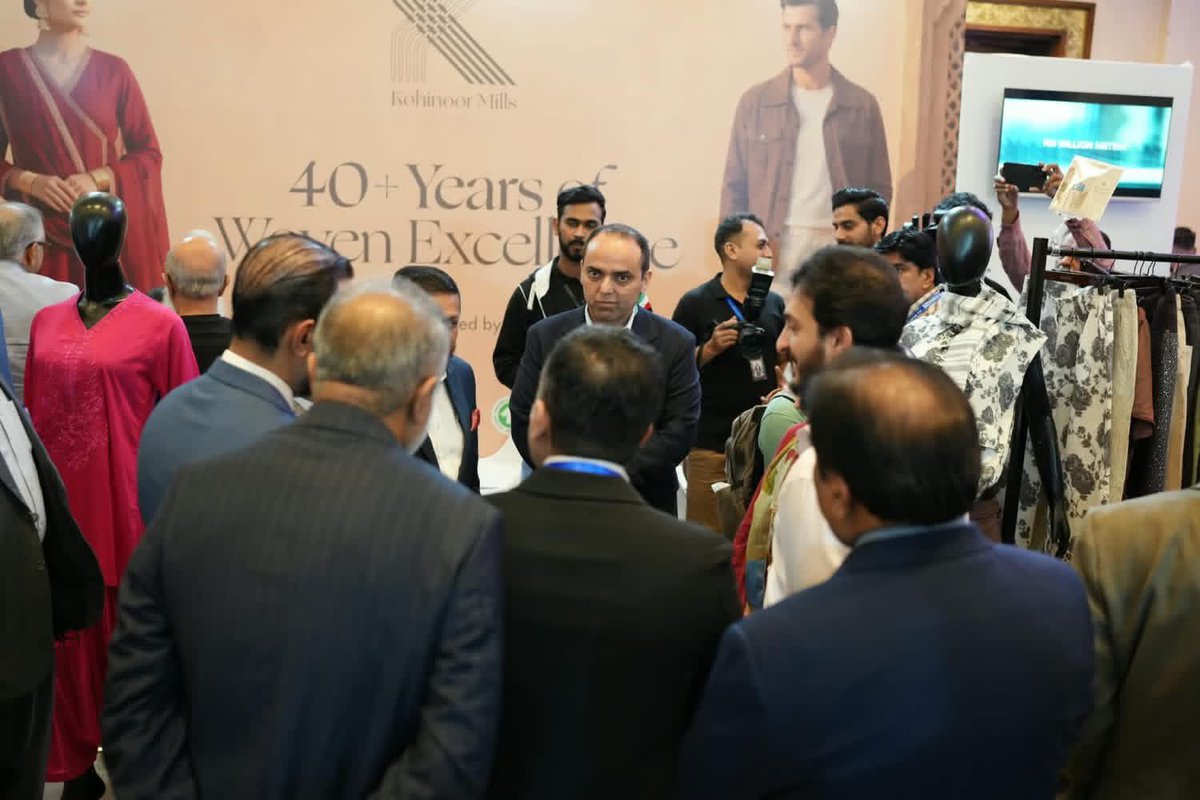
The inaugural collaboration between the Chainstore Association of Pakistan (CAP) and the All Pakistan Textile Mills Association (APTMA) successfully brought textile manufacturers and leading retailers together at the CAP Annual Conference & Exhibition on 17 November 2026 in Lahore.
The initiative marks an important step towards bridging the gap between manufacturing and retail, facilitating direct sourcing relationships, encouraging local value addition and unlocking new opportunities for collaboration.
By bringing Pakistan’s manufacturing capabilities closer to the needs of its retail industry, CAP and APTMA are laying the foundations for a more integrated, innovative and competitive domestic textile ecosystem.
The beginning of a stronger partnership across Pakistan’s textile value chain.
Former APTMA Chairman Mr. Kamran Arshad shares valuable perspectives on Pakistan’s industrial competitiveness, declining cotton production, energy costs, taxation and the urgent need for a coherent, long-term industrial policy.
An important conversation on strengthening Pakistan’s manufacturing base, expanding exports and creating sustainable economic opportunities.
We encourage policymakers, industry stakeholders and the wider public to watch this discussion.
PAKISTAN’S INDUSTRIAL CRISIS: WHO IS RESPONSIBLE?
Former APTMA Chairman Kamran Arshad delivers a candid assessment of Pakistan’s economic failures.
From collapsing cotton production and uncompetitive energy costs to misguided taxation, industrial closures and policies favouring imports over manufacturing.
Why have Bangladesh and Vietnam surged ahead while Pakistan continues to struggle?
A wide-ranging conversation on industrial policy, economic reform, entrepreneurship and Pakistan’s future.
Watch the full podcast with Hassan Naqvi:
https://t.co/Fo9aJwA2bj
#APTMAUncut #PakistanTextiles
Bringing Pakistan’s textile manufacturers and retail brands closer together.
APTMA and CAP are working to strengthen connections in sourcing, product development and local manufacturing capabilities.
A conversation ahead of the From Fiber to Fashion pavilion at the Pakistan Future of Retail Summit & Expo on 17 November at PC Lahore.
@chainstorePk@APTMAofficial@AptmaUncut
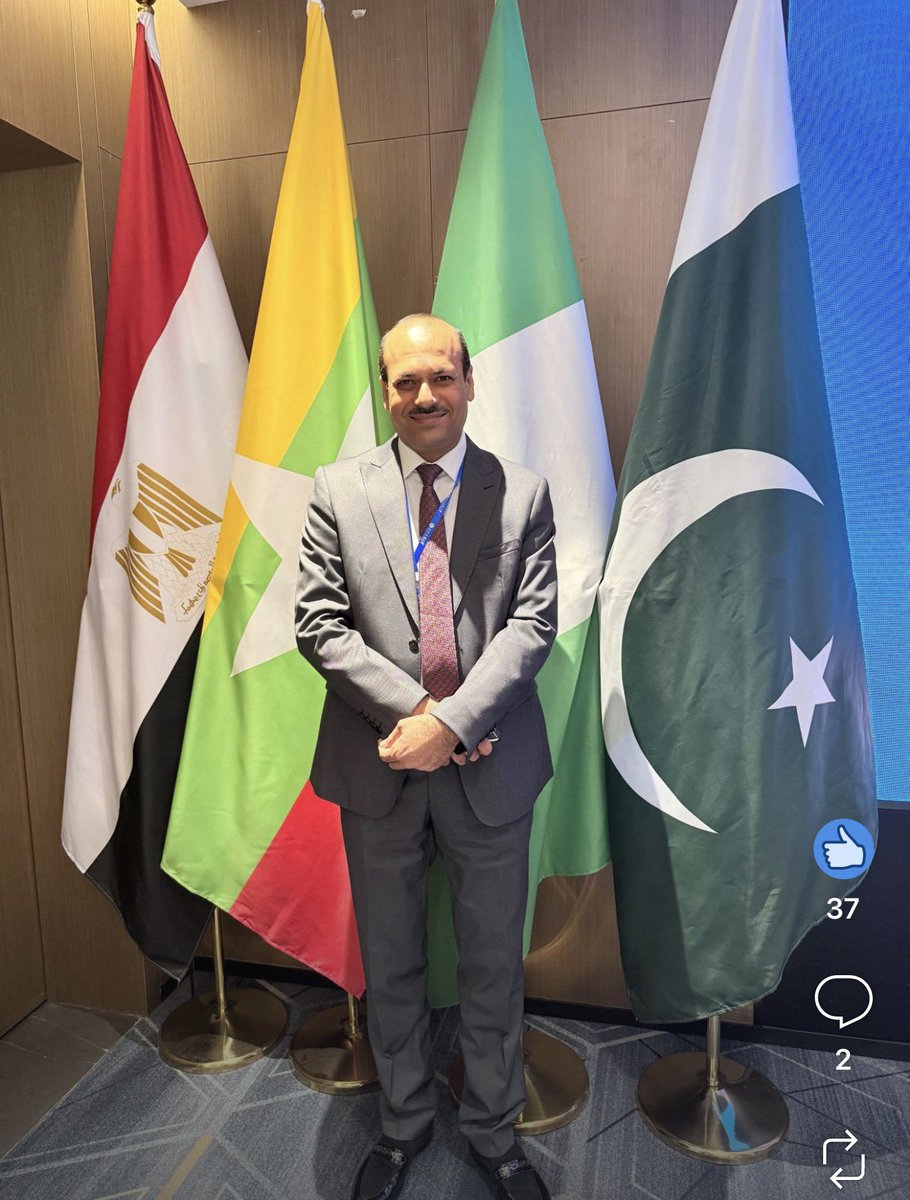
APTMA Cotton Advisor Dr. Muhammad Javed Hassan is representing Pakistan at Wuhan Textile University, China, during an international programme on cotton processing, textiles and trade (2–15 November 2026).
The engagement offers opportunities to explore advanced cotton genetics, mechanization, processing technologies and institutional collaboration.
Pakistan’s cotton revival must go beyond increasing yields. Modernizing the entire value chain through research, innovation and technology transfer is essential to restoring global competitiveness.
#APTMA #CottonRevival #PakistanChina
Pakistan has a strong textile manufacturing base and a growing domestic retail sector. Yet gaps in supplier discovery, product development and commercially viable order quantities continue to limit local sourcing opportunities.
APTMA, in collaboration with the Chainstore Association of Pakistan (CAP), is working to strengthen connections between textile manufacturers and retail brands, particularly in sourcing, innovation and product development.
As part of the 6th Pakistan Future of Retail Summit & Expo, organized by CAP and TerraBiz, a dedicated “From Fiber to Fashion” pavilion is being planned to facilitate industry engagement and explore opportunities for greater domestic sourcing.
The broader objective is to encourage dialogue, improve market connectivity and support the development of a more competitive Pakistani textile and retail value chain.
📍 17 November 2026 | PC Lahore
#APTMA #FutureOfRetail2026 #FiberToFashion
APTMA: $1 BILLION IMPROVEMENT IN NET TEXTILE EXPORTS FOLLOWING EFS REFORMS
APTMA congratulates the Government of Pakistan, SIFC and FBR on reforms that have helped reduce import dependence and strengthen domestic value addition.
In FY2026, textile imports declined from $7.36 billion to $6.46 billion, while net textile exports increased from $10.55 billion to $11.48 billion — an improvement of approximately $930 million. Gross textile exports remained stable at around $17.9 billion.
Pakistan’s integrated textile value chain, from cotton farming and ginning to spinning, weaving, processing and finished products, is a national industrial asset that must be preserved.
APTMA Chairman Asad Shafi emphasised that sustainable export growth requires equal tax treatment for locally manufactured and imported textile inputs, continued facilitation for genuine exporters, and stronger enforcement against misuse of EFS.
High energy tariffs, taxation and financing costs continue to undermine domestic competitiveness.
Pakistan’s export policy must prioritise not merely higher gross exports, but greater net foreign exchange earnings, domestic value addition and a stronger textile industry.
#APTMA #PakistanTextiles #Exports #EFS
APTMA Raises Serious Concerns Over Faceless Customs Assessment and Proposed Relocation of Central Appraising Unit to Islamabad
In a letter to FBR Chairman Rashid Mahmood Langrial, APTMA Chairman Asad Shafi has called for urgent reforms to Pakistan’s customs assessment system, citing mounting delays, arbitrary valuations, rising clearance costs and disruptions to export-oriented manufacturing.
The reported findings of FBR’s own review committee raise serious concerns:
• Average assessment time increased from 25.6 to 40.2 hours.
• Clearance within 48 hours declined from 84% to 70%.
• Review requests more than doubled, from 6% to 14%.
• Laboratory referrals nearly doubled.
APTMA has urged FBR to retain the Central Appraising Unit in Karachi, suspend further rollout pending independent review, introduce binding clearance timelines, restore specialist assessment expertise and protect exporters from detention charges arising from administrative delays.
Customs modernisation must facilitate trade, not increase the cost of doing business. Efficient clearance, predictable procedures and uninterrupted access to imported inputs are essential to Pakistan’s export competitiveness.
APTMA has requested an early meeting with FBR leadership to pursue practical, time-bound solutions.
#APTMA #PakistanTextiles #Exports #TradeFacilitation
APTMA HOSTS BRITISH HIGH COMMISSIONER TO STRENGTHEN UK–PAKISTAN TEXTILE TRADE 🇵🇰🇬🇧
The All Pakistan Textile Mills Association (APTMA) welcomed H.E. Jane Marriott CMG OBE, British High Commissioner to Pakistan, at APTMA House, Lahore, for an interactive engagement focused on expanding bilateral trade, investment, market access and technical cooperation across Pakistan’s textile and apparel value chain.
The High Commissioner, accompanied by Mr. Ben Warrington, Head of the British High Commission’s Lahore Office, and Mrs. Reema Salman, Outreach Lead, engaged with APTMA leadership and senior industry representatives on opportunities to strengthen direct commercial linkages with British high-street brands, retailers and sourcing organisations.
Chairman APTMA, Mr. Asad Shafi, emphasised that UK–Pakistan cooperation must translate into practical, commercially meaningful partnerships. He highlighted opportunities for collaboration with British universities, textile laboratories, testing facilities, research institutions and technical specialists to advance product development, sustainability, quality assurance and innovation.
The discussions focused on several priorities:
• Greater access to UK retailers, brands and sourcing networks
• Technical collaboration in specialised and high-value textiles
• Joint research, innovation and product development
• Sustainability, international compliance and skills enhancement
• Stronger institutional linkages, investment and export opportunities
The High Commissioner appreciated the diversity and sustainability efforts of Pakistan’s textile industry and encouraged exporters to strengthen compliance, participate in UK trade exhibitions and engage directly with British buyers and technical experts.
Mr. Muhammad Siddique Bhatti, Chairman APTMA North, reaffirmed the industry’s commitment to developing durable partnerships that improve productivity, strengthen technical capabilities and expand Pakistan’s presence in the UK market.
APTMA also stressed the importance of establishing a practical framework for continued cooperation with the British High Commission and relevant UK institutions, ensuring that dialogue leads to concrete initiatives across spinning, weaving, processing, garments and home textiles.
The objective is clear: stronger institutional cooperation, deeper buyer–manufacturer linkages and a more competitive, innovative and export-oriented Pakistani textile industry.
#APTMA #PakistanUK #TextileExports #TradeCooperation #PakistanTextiles
What can Pakistan learn from Bangladesh and Vietnam’s textile export success?
And how do we protect our competitiveness in Europe as GSP+ requirements evolve?
Two questions raised at TEXtalks 2026.
Pakistan’s export future depends on productivity, policy consistency and stronger manufacturing capabilities.