Farmers have figured out that the cheapest pesticide is a strip of flowers.
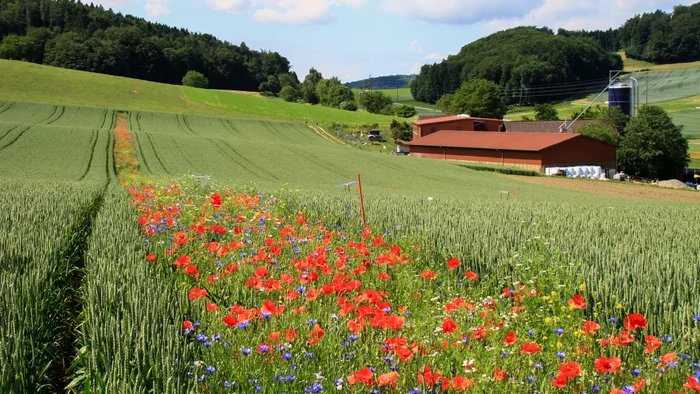
When you plant wildflowers through a crop field, not just around the edge but in strips running through the middle, you get ladybugs, lacewings, hoverflies, and parasitic wasps living in the field instead of visiting it.
They eat the aphids, the caterpillars, and the mites for free, all summer long.
In controlled trials, fields with tailored flower strips had leaf-beetle numbers 40 to 50% lower and crop damage cut by around 60%, enough to drop below the threshold where spraying was even considered worth it.
The flowers attract a standing army to our fields.
We spent decades engineering chemicals to kill the insects eating the crop, when the insects that eat those insects would have worked for the price of seed.
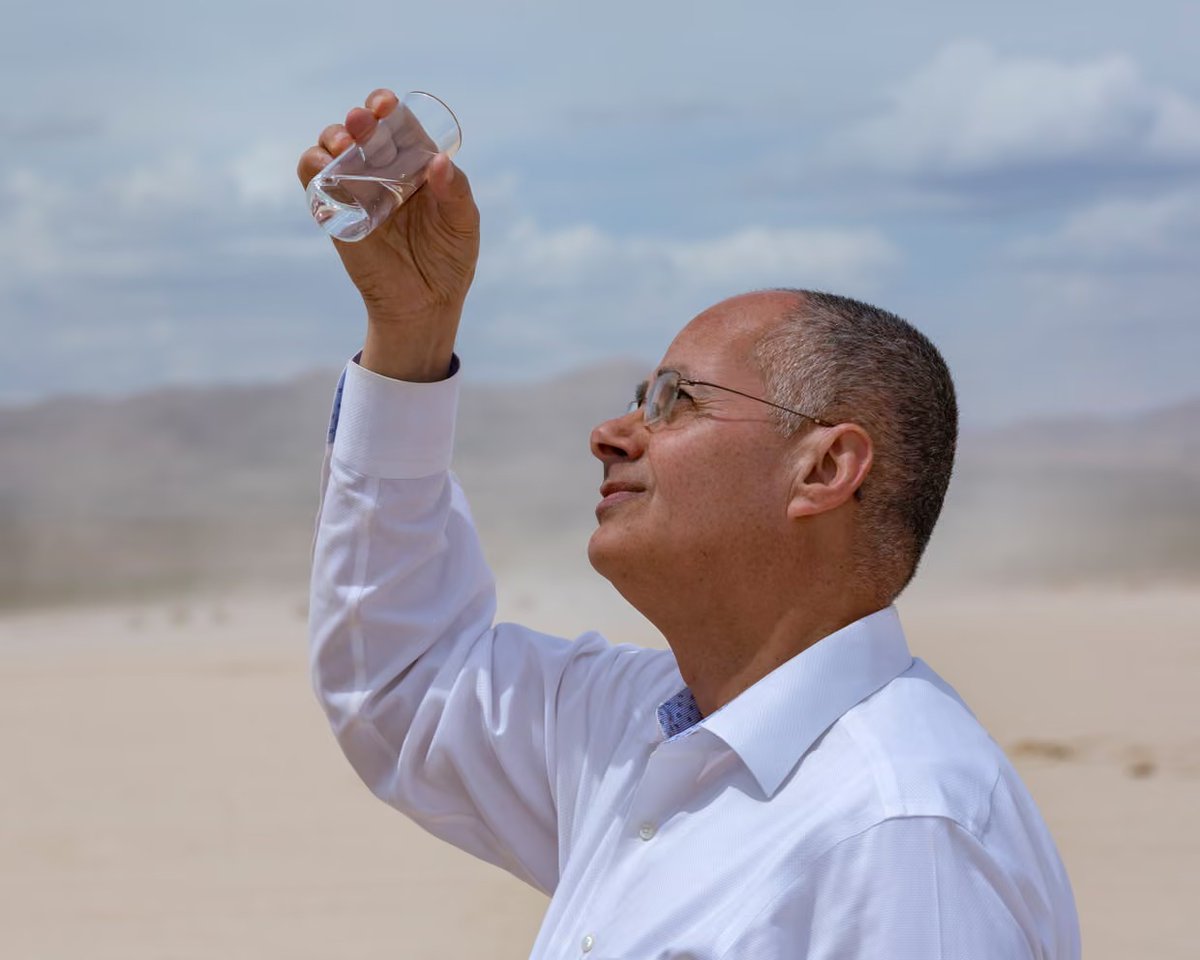
🚨 Nobel Prize winner just invented a machine that pulls clean water out of thin air. Up to 1,000 liters per day, powered by ambient heat, and works in deserts.
Omar Yaghi won the 2025 Nobel Prize in chemistry for inventing this. It uses "reticular chemistry" to create materials that extract moisture from air even in arid conditions.
UN just said we're in "global water bankruptcy era." 2.2 billion people lack safe drinking water. 3.5 billion lack sanitation. 4 billion experience severe water scarcity at least one month per year.
Yaghi grew up in a refugee camp in Jordan with no running water. So he invented a machine that makes water appear from nothing.
When the Venetians first settled the lagoon, there was no firm ground. They drove millions of wooden piles deep into the mud to create a stable foundation. Kept underwater and deprived of oxygen, the wood resists decay and becomes remarkably strong.
On these piles they built wooden platforms, then stone structures, and eventually the breathtaking city we see today.
Venice is no miracle — it is the result of clever engineering, immense patience, and centuries of accumulated know-how.
And honestly, that makes it even more impressive.