An Indian Pond Heron was spotted yesterday by Paul Doniol-Valcroze, marking the 3rd record for Kuwait and the Western Palearctic.
I visited the site this morning and had my first look at the bird. In the evening, I returned with my camera and captured the accompanying photograph
10/09/2024: Migrating birds continue to pass through Kuwait at Abraq Al Habari.
Greater Short-toed Lark looks very neat and clean after the complete post breeding moult.
Western Marsh Harrier, an adult male, not yet finished its primary moult.
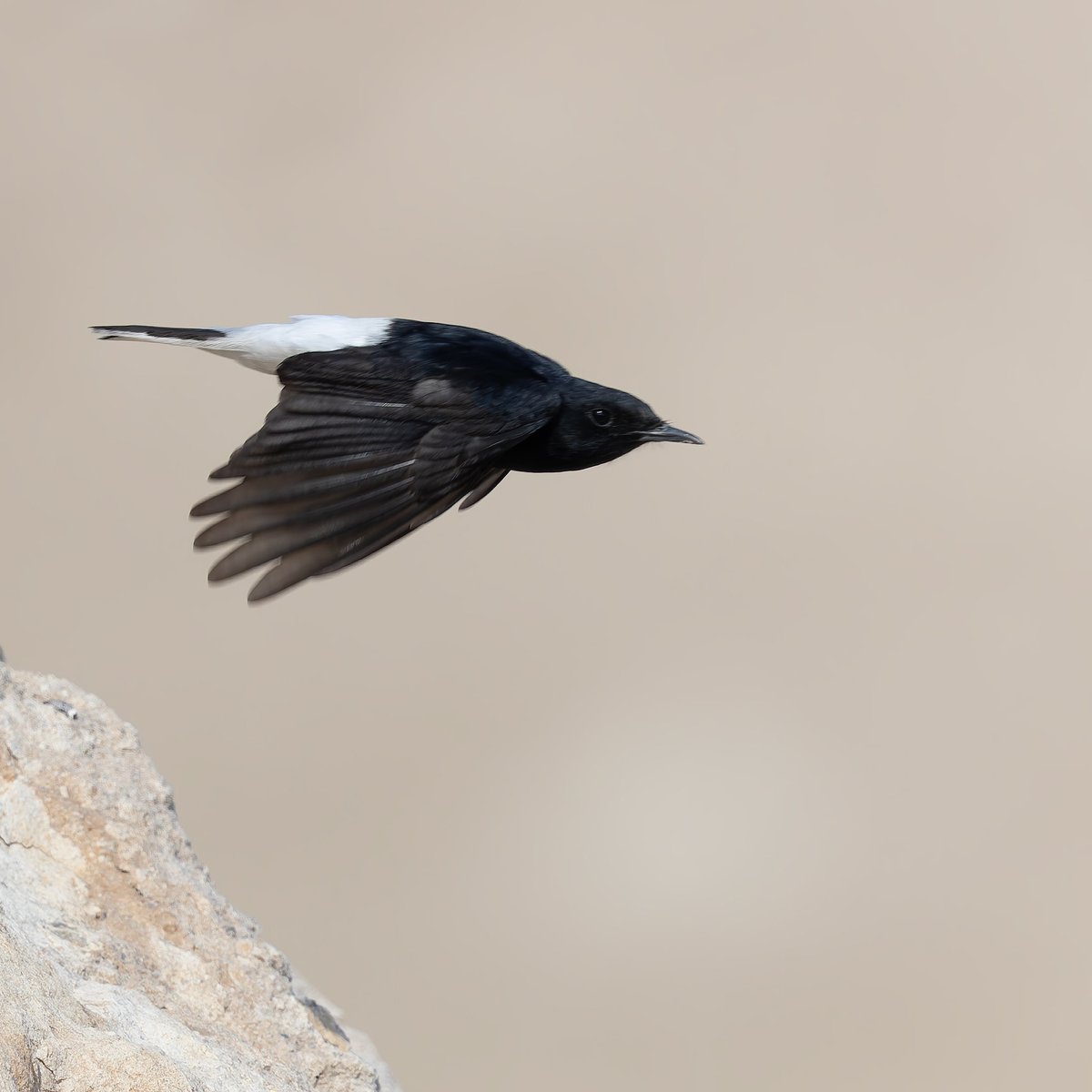
Wheatear adult male fresh plumage
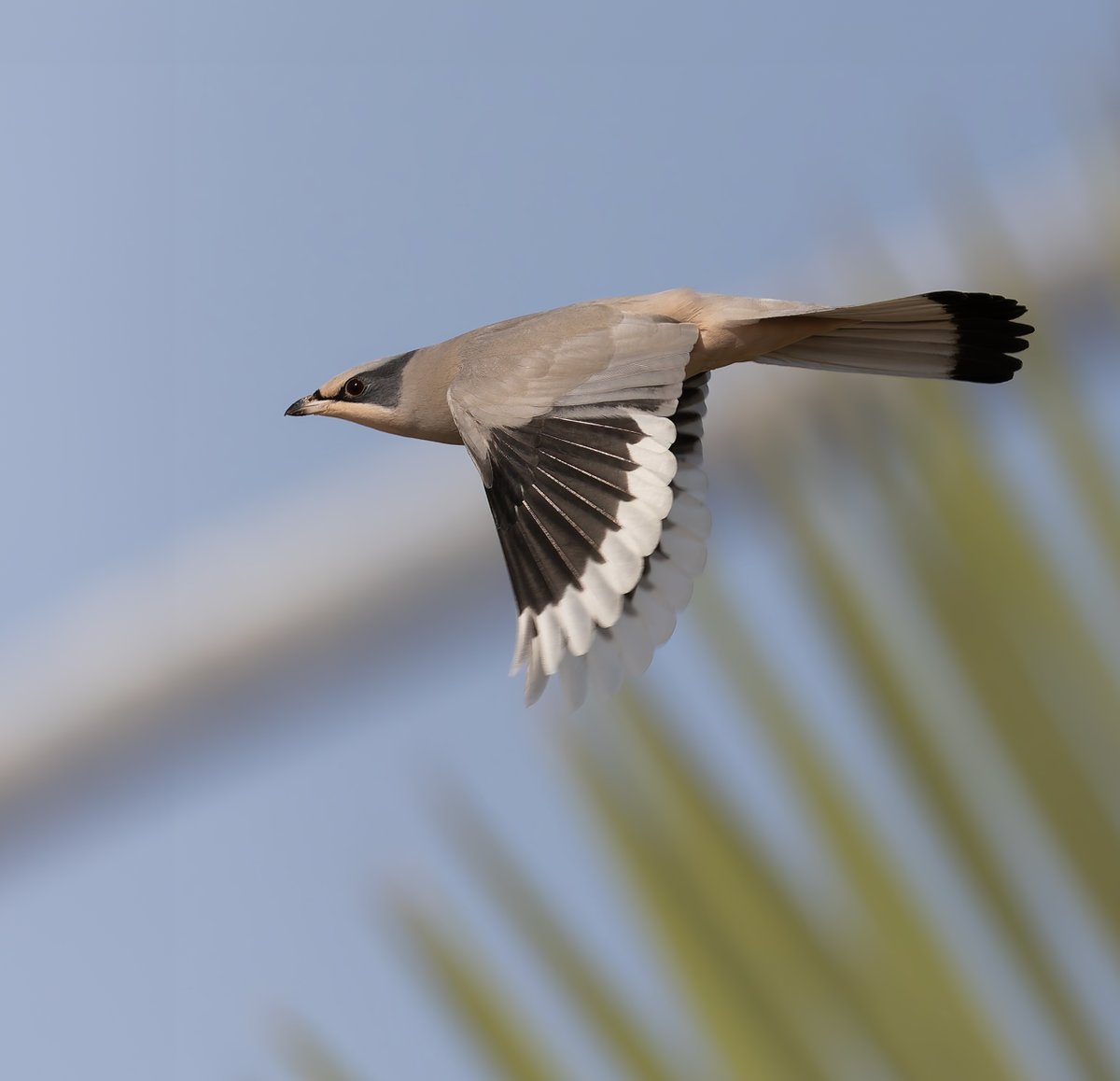
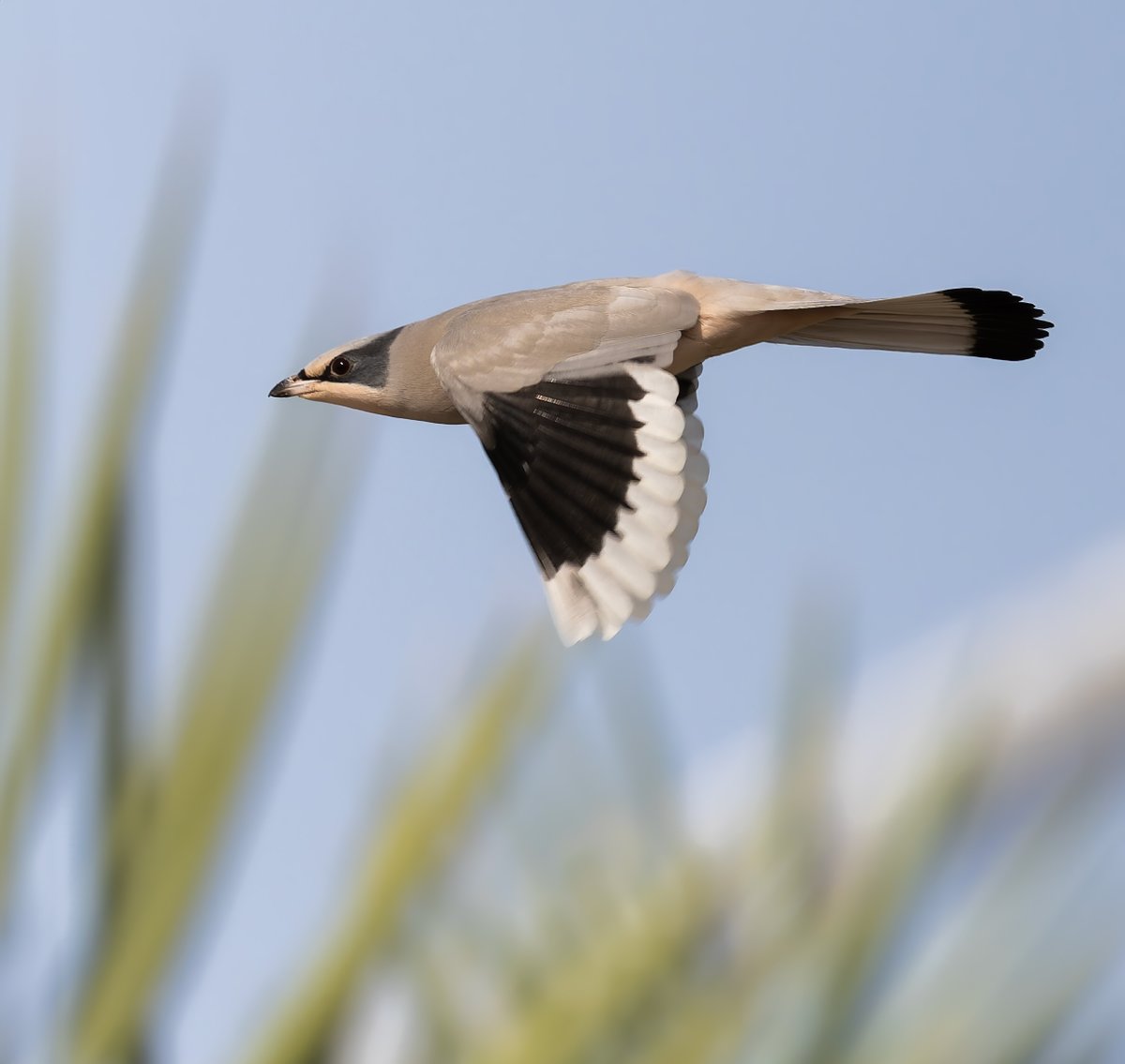
'Caucasian' Woodchat Shrike lanius senator niloticus, adult showing its broad wing bar and large white tail base. Note flight feathers and wing coverts fresh except for primary wing coverts. Kuwait 11/09/2024
The Indian Roller (Coracias benghalensis) is a striking and colourful, and charismatic bird found widely across the Indian subcontinent, Iran, Iraq, UAE and Oman. In winter it is common in Eastern Arabia from Kuwait south to Oman. Known for its vivid plumage and captivating aerial displays, the Indian Roller is a common sight in open countryside, forest edges, and urban areas, where it is often seen perched conspicuously on wires or poles.
The Indian Roller is primarily insectivorous, feeding on a diet of insects, small reptiles, and other invertebrates. It hunts from a perch, swooping down to catch prey on the ground. Grasshoppers, beetles, and small lizards are among its favourite foods. Its hunting style is swift and direct, and it often returns to the same perch after a successful catch.
One of the most famous behaviours of the Indian Roller is its courtship display. During the breeding season, the bird performs acrobatic flights, rolling and diving through the air, which gives the species its name. These dramatic displays are accompanied by loud, harsh calls that add to its conspicuous presence in its environment. https://t.co/X3w3yLjGh6
The Autumn Tour 09-17 Nov 2024 (8 nights), price is only $1600, still has spaces...
https://t.co/jJqIG1YHW5
Book before it is too late!
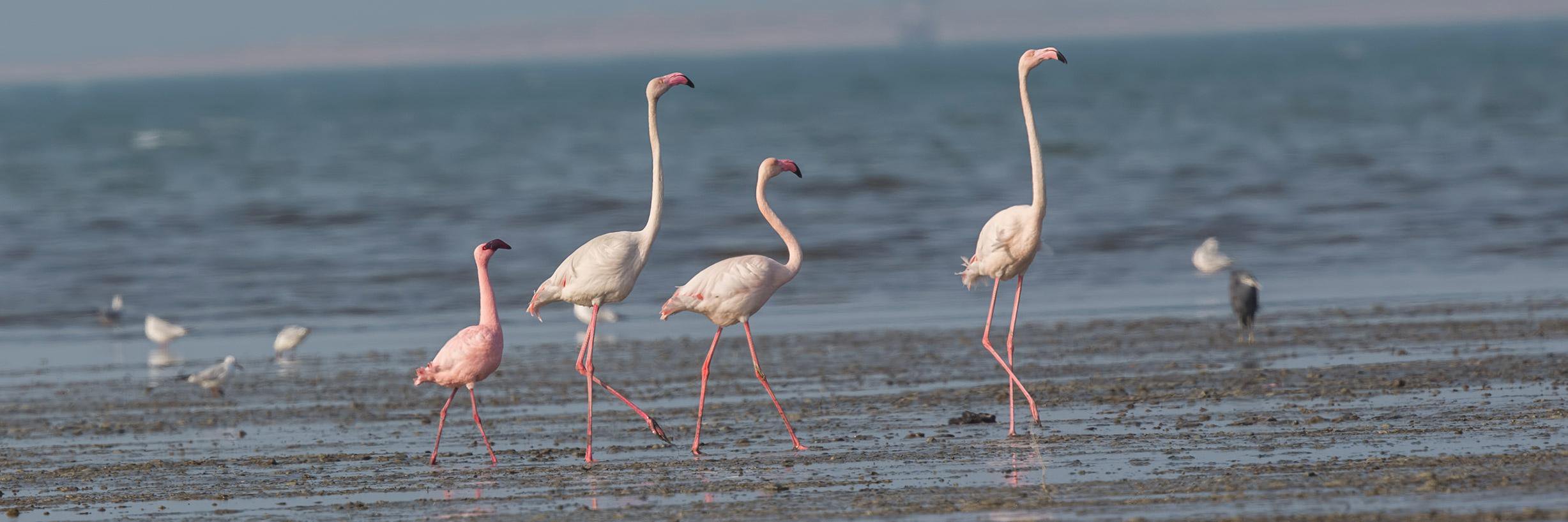
Crab Plover, Hypocolius, Tibetan Plover, Afghan Babbler, Red-tailed Wheatear, Ménétries’s Warbler, Asian Desert Warbler, Daurian Shrike, Steppe Grey Shrike, Masked Shrike, White-breasted Kingfisher, Pied Kingfisher, Grey-headed Swamphen, Little Grebe, Namaqua Dove, Western Reef Egret, Pallid Swift, Greater Spotted Eagle, Eastern Imperial Eagle, Steppe Eagle, Pallid Harrier, Siberian Stonechat, Graceful Prinia, White-tailed Lapwing and Red-wattled Lapwing are all almost guaranteed.
Saudi Arabia Tour 1-9 May 2024 Report
We were fortunate to see all the possible endemic species. The Arabian Lark was not targeted as it doesn’t occur in Asir and Jazan area and couldn’t be included due to time constraints.
To see more: https://t.co/py91YnX61g