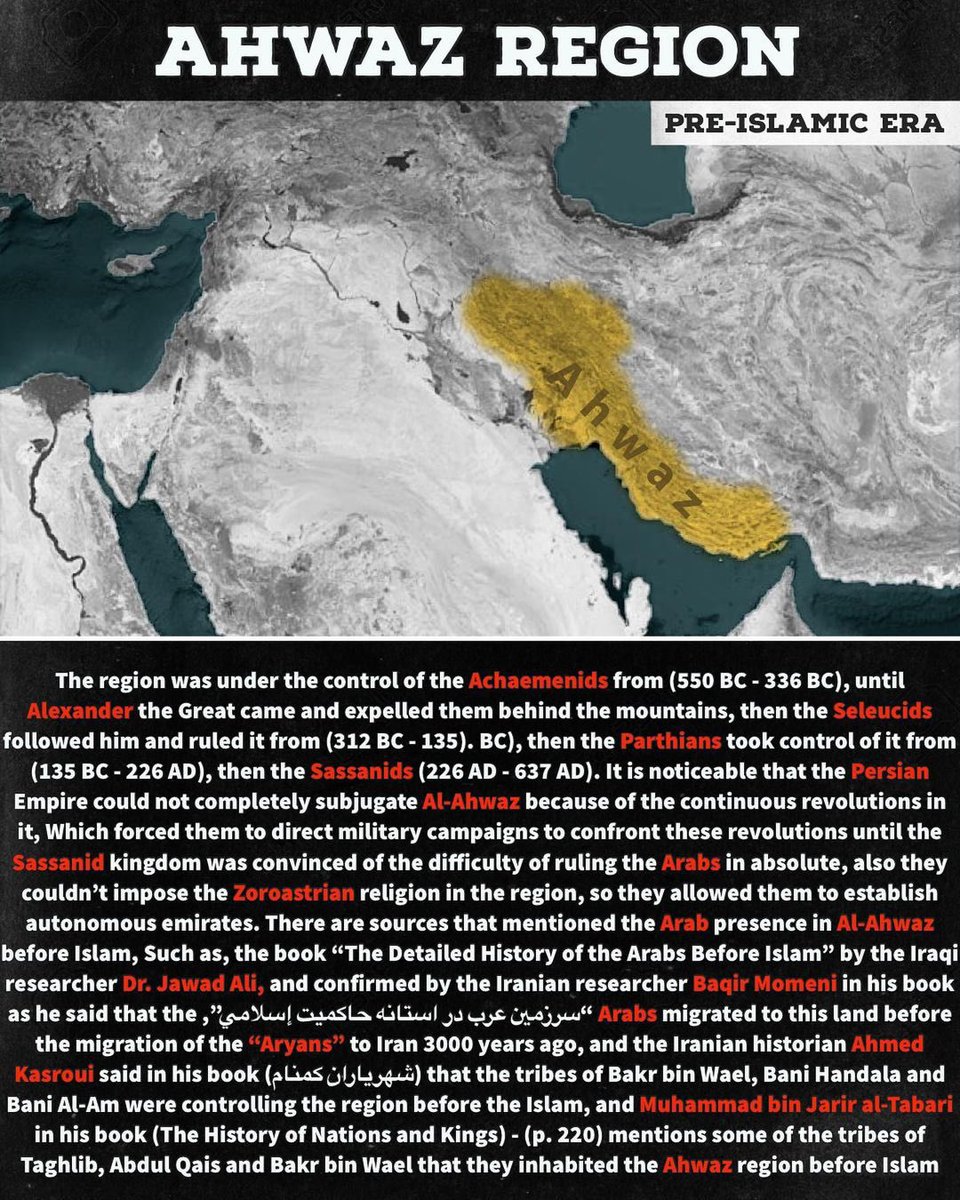
101 years of the unknown Nakba : the Ahwazi Nakba.
On the 20th of April 1920, Reza Pahlavi's occupation forces invaded Al-Ahwaz (Arabistan) and annexed it to Iran.
Following this, many Ahwazis were forced to flee. The region was renamed Khuzestan to erase its Arabness.
⬇️⬇️⬇️
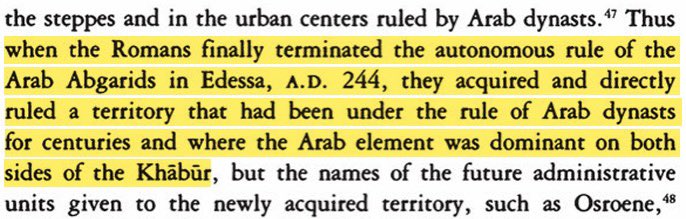
By the time of Pompey's conquest of Syria in 63 BC, Arab groups are found everywhere in the Near East.
The Arab presence was reflected by a variety of groups and kingdoms spread throughout the region, from Egypt to the Arabian Gulf.
Truth is, Arabs have been erased from their own history for decades by rhetoric like this.
The Abgarid Kingdom was an Arab one; that’s a well-known fact. The word "Osroene" literally comes from the name of an Arab tribe.
And if you don’t like it @AramaicWire you can unfollow😉
The new trend in the Middle East: Arabs (and others…) claiming pre-Islamic history as their own & erasing the indigenous claimants.
The race is on between Arabs, Turks & Kurds who all want to rewrite & claim Assyrian & Syriac history.
Edessa was never an Arab city. Abgar was likely an Assyrian or Armenian.
He spoke Aramaic. Edessa is where Aramaic was formalized into Syriac. It is close to Harran, an Ancient Assyrian city.
It was also the spiritual home for Syriac Christianity & the outpost from which it spread through all of Mesopotamia (Assyria) proper.
The church fathers who came from Edessa identified themselves as Mesopotamians who descended not from Arabs, but the Semites of the Fertile Crescent.
If you have no history, your best bet is to try and steal it from someone else.
Source: Prof. Irfan Shahid.
Shahid spent his entire life and career shedding light on the pre-Islamic history of Levantine and Mesopotamian Arabs, as well as their influence on Middle Eastern history.
Sorry, but some random Twitter user isn’t going to change the facts.
"Funerary Couch Mosaic" — Edessa, Arab Abgarid Kingdom, 218-238 AD.
It depicts Zaydallat, a deceased father, with his family. The wife’s headdress (kūfīyah), with its pointed shape and many stripes, indicates the family’s wealth.
Zaydallat is a famous pre-Islamic Arab name.
Sources:
Han J.W. Drijvers. John F. Healey. The Old Syriac Inscriptions of Edessa and Osrhoene. p. 186-188.
Irfan Shahîd. Rome and the Arabs. p. 96, 112.
Pre-Islamic Arab people — Abgarid Edition.
Mosaic portraying Abgar, a king of Osroene, in the center, with a noble Edessan family. Edessa (Urfa). 3rd century.
On the king’s right is Asad son of ‘Aqrab, father of the family, and his wife, ‘Azīl. On the left are Asad’s sons.
Pre-Islamic Arab people — Hatran Edition.
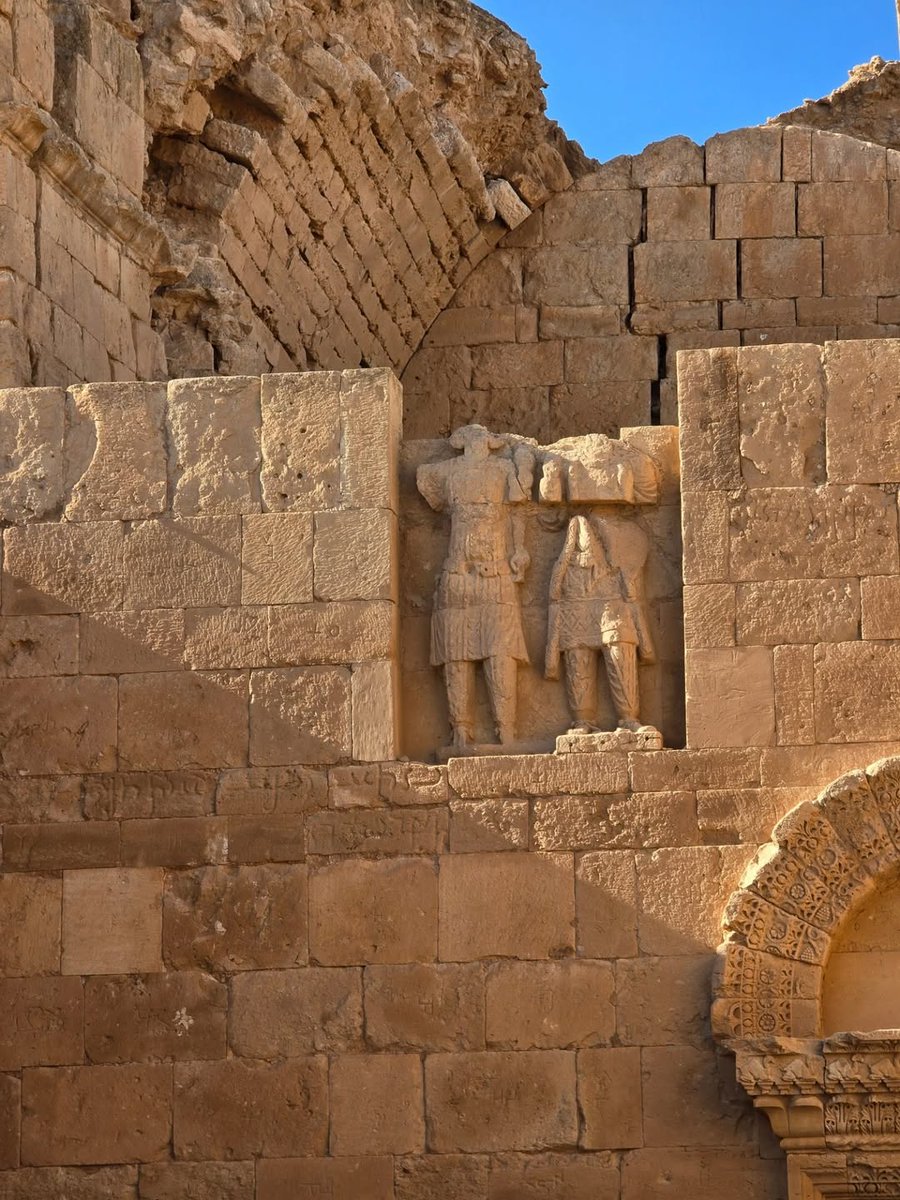
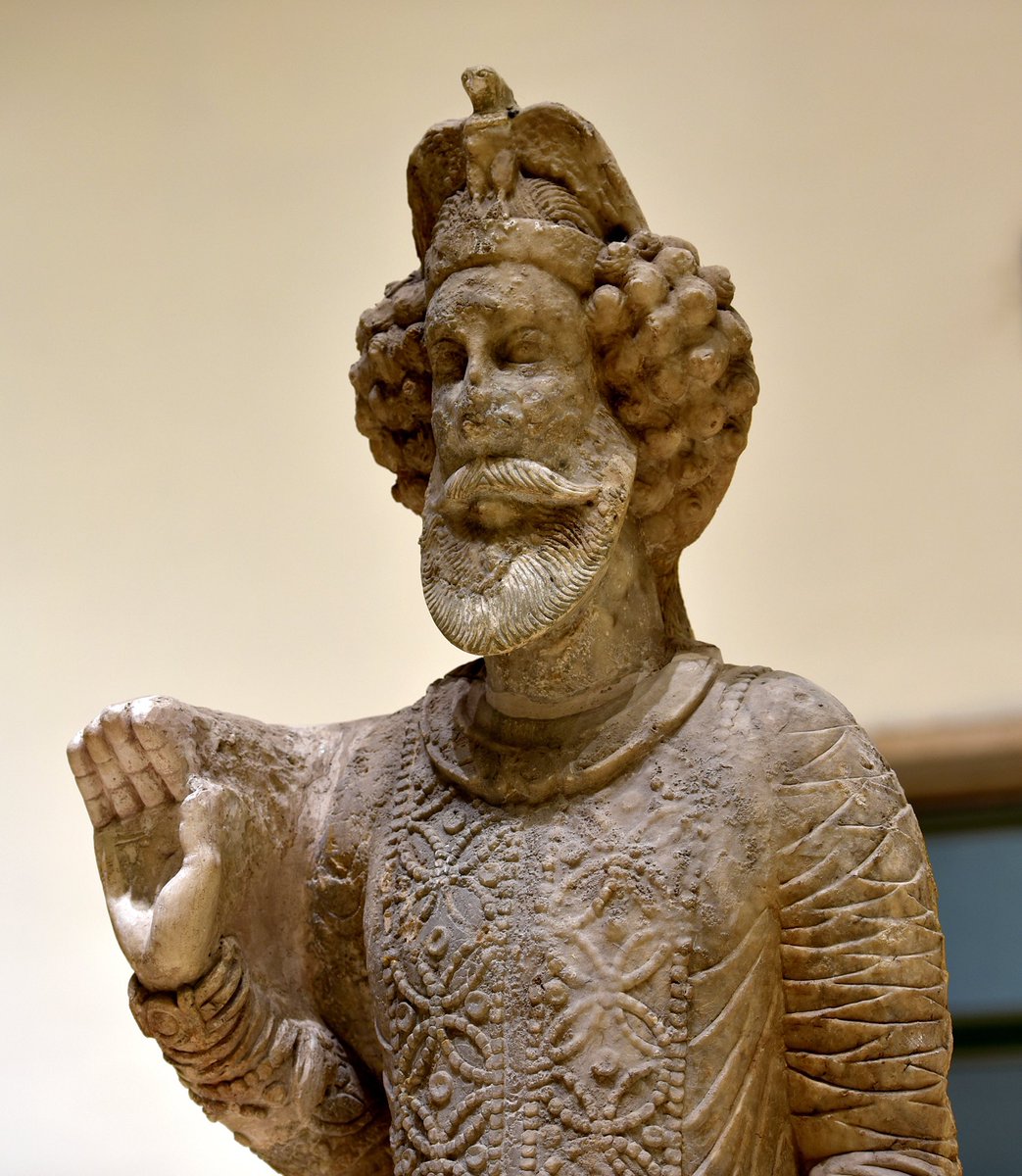
Statues of King Sanatruq I (Left) and his daughter, Princess Doshafri (Right). Hatra, Iraq. 2nd century CE.
Sanatruq was the first king of Hatra (al-Ḥaḍr in Arabic) and held the title “King of the Arabs”.
Abgar VIII is particularly known for his conversion to Christianity, making his kingdom the first Christian state in history.
Osroene was described in sources as a territory mostly inhabited by Arabs. With the Abgarids’ conversion, it became a major center of Arab Christianity.
An interesting similarity in the aesthetics of two women from different eras and different places:
Left: picture of a woman from the Ouled Naïl Arab tribe, Algeria. 19th century.
Right: statue of a Palmyrene woman, Syria. ca. 150 CE.
Pre-Islamic Arab people — Hatran Edition.
Statues of King Sanatruq I (Left) and his daughter, Princess Doshafri (Right). Hatra, Iraq. 2nd century CE.
Sanatruq was the first king of Hatra (al-Ḥaḍr in Arabic) and held the title “King of the Arabs”.
Pre-Islamic Arab people — Himyarite Edition.
Busts of Dhamar ‘Alī Yahbur (Left) and his son Tharan Ya’ub Yuhan’im (Right). Yemen. Late 2nd century CE.
Both were Kings of Himyar, with the title “King of Saba and Dhū Raydān”.
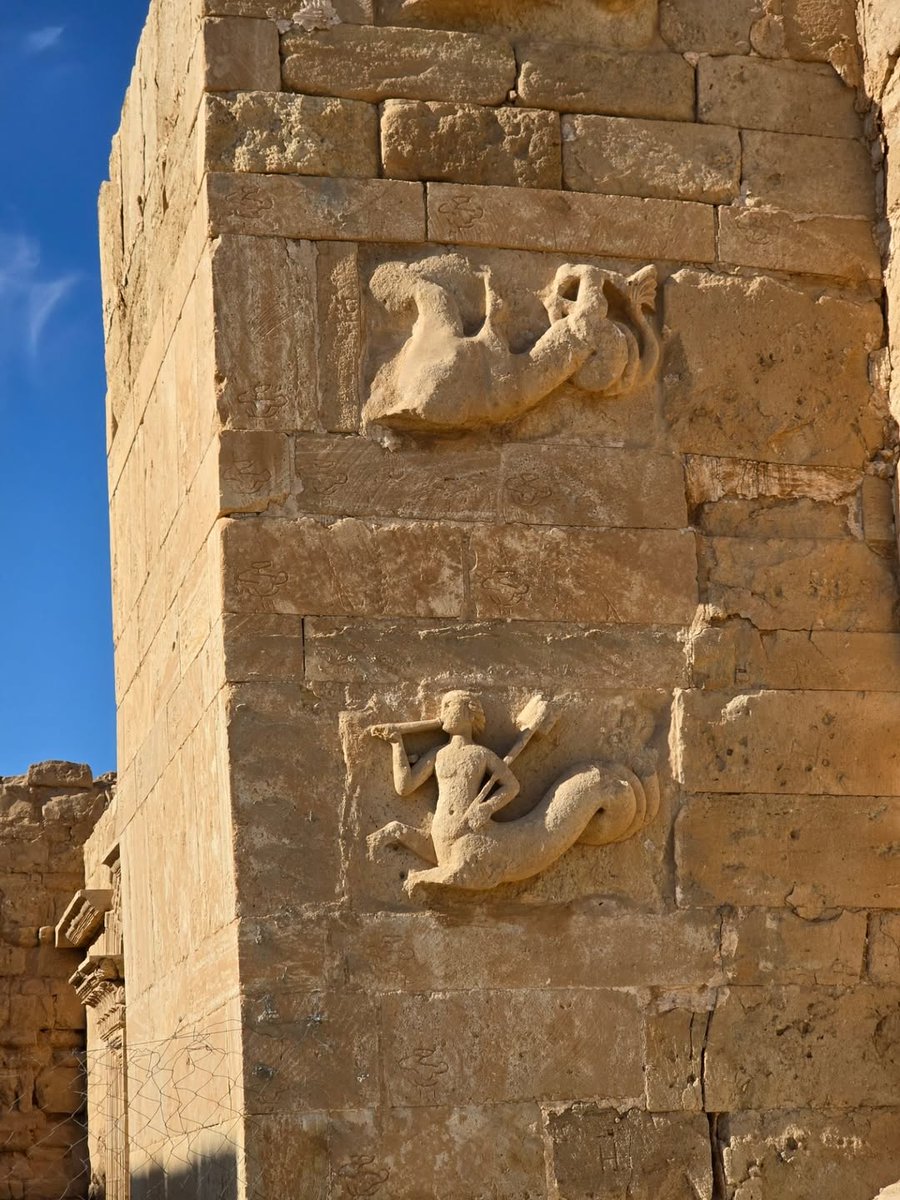
When Sanatruq came to power, Arab communities were widespread throughout the Hatran region and north of Sinjar.
Hatra was the central sanctuary and the main cultic site for all the Arabs living between the Tigris and the Euphrates.
Hence the title “King of [all] the Arabs”.
Reminder : Al-Ahwaz has always been predominantly populated by Semitic peoples (including Arabs) since ancient times, even before the Persians arrived in the region.
101 years of the unknown Nakba : the Ahwazi Nakba.
On the 20th of April 1920, Reza Pahlavi's occupation forces invaded Al-Ahwaz (Arabistan) and annexed it to Iran.
Following this, many Ahwazis were forced to flee. The region was renamed Khuzestan to erase its Arabness.
⬇️⬇️⬇️
Ahwazi oil and gas resources have been plundered, destroying the land and poisoning the rivers. Today, Ahwaz remains one of the most resource‑rich yet impoverished regions in Iran.
Its oil feeds Iran's economy, but the Ahwazi people see none of the benefits.




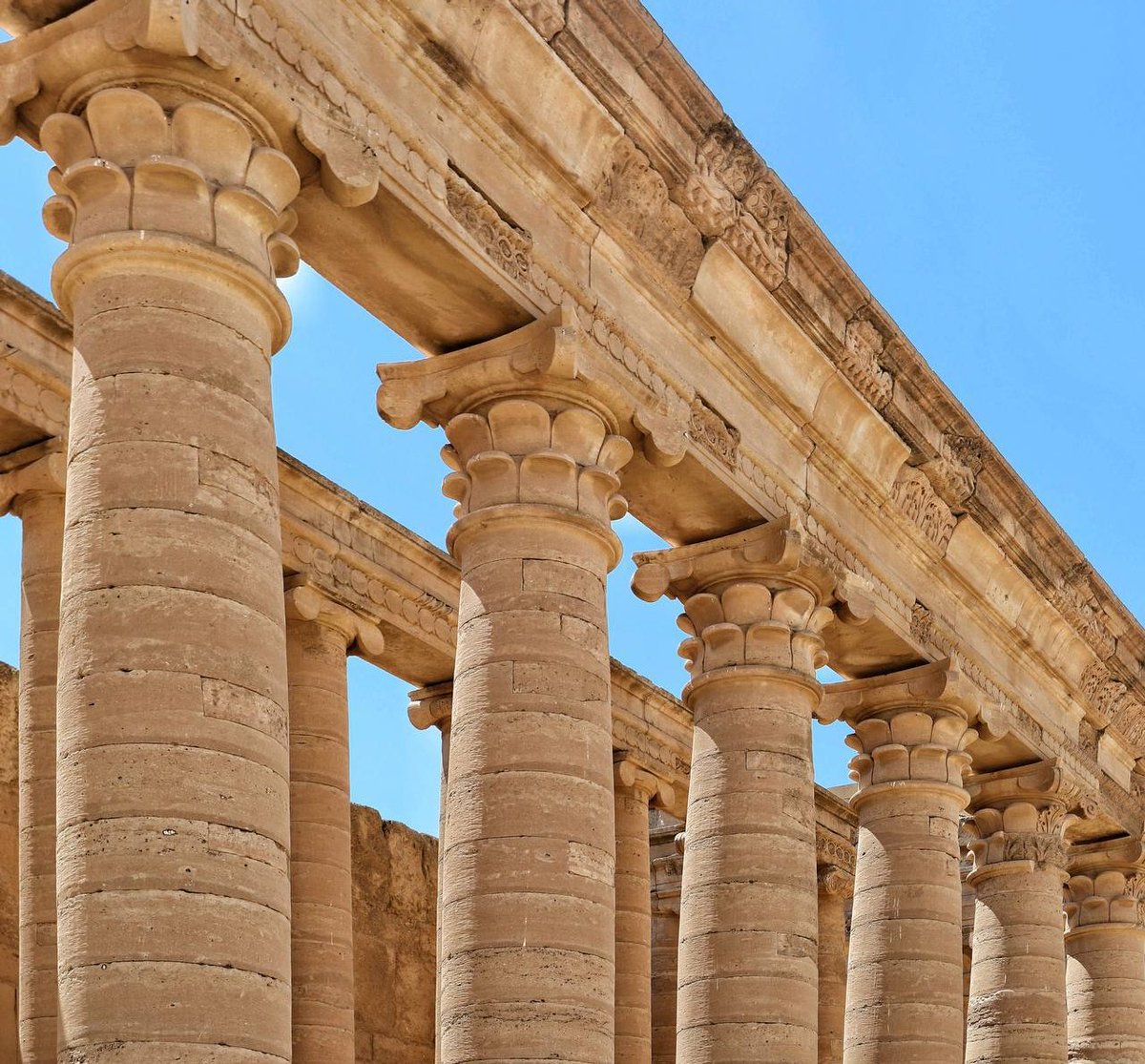


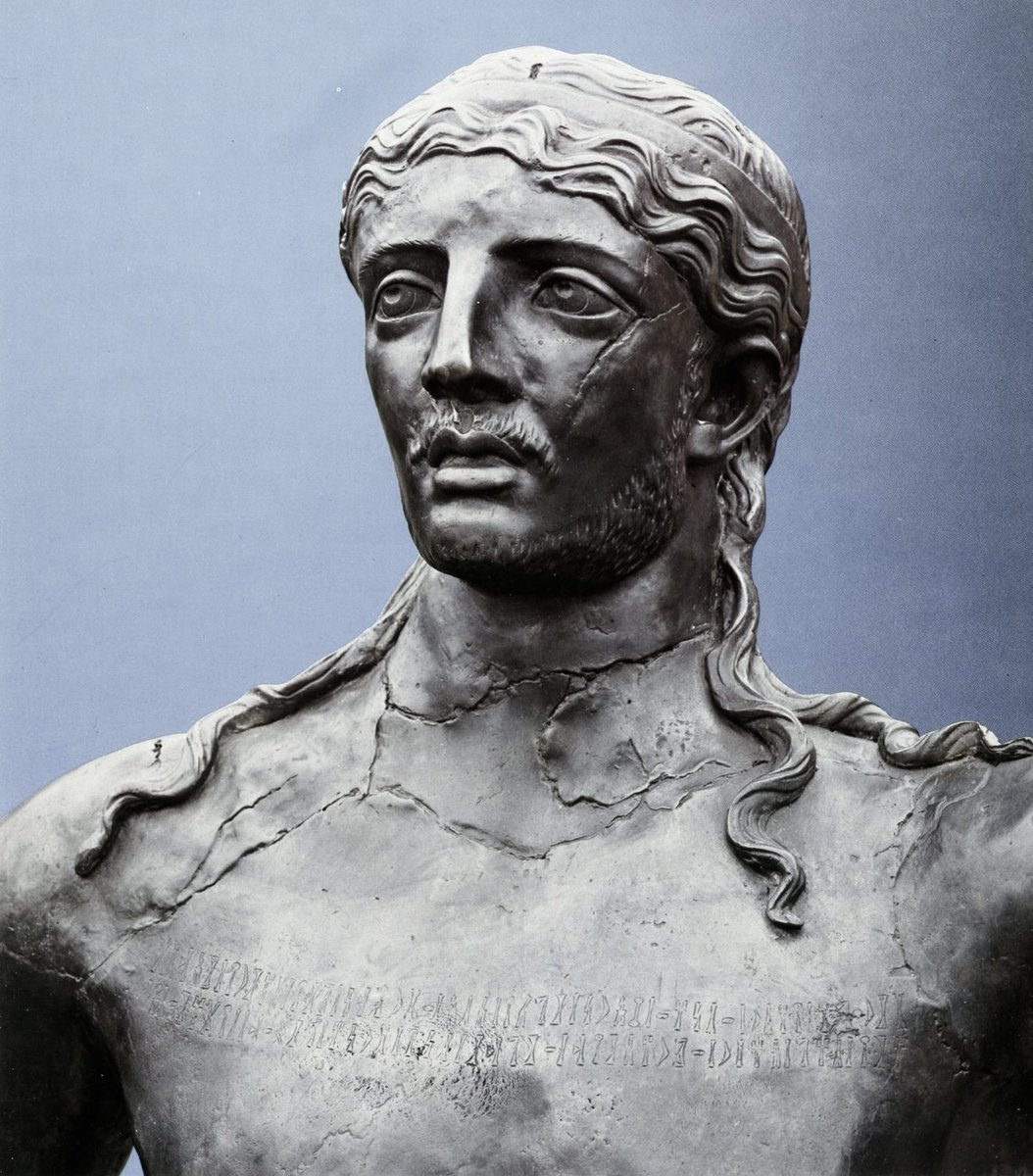
![arabiqa's tweet photo. When Sanatruq came to power, Arab communities were widespread throughout the Hatran region and north of Sinjar.
Hatra was the central sanctuary and the main cultic site for all the Arabs living between the Tigris and the Euphrates.
Hence the title “King of [all] the Arabs”. https://t.co/VRvQrFndAN](https://pbs.twimg.com/media/HGc_2-HXYAA3WYG.jpg)










![arabiqa's tweet photo. When Sanatruq came to power, Arab communities were widespread throughout the Hatran region and north of Sinjar.
Hatra was the central sanctuary and the main cultic site for all the Arabs living between the Tigris and the Euphrates.
Hence the title “King of [all] the Arabs”. https://t.co/VRvQrFndAN](https://pbs.twimg.com/media/HGc_2-LWUAEHfu7.jpg)