Professor @JMPaters of the University of Melbourne and co-director of the Centre for AI and Digital Ethics, recently joined me to examine the rapid development of artificial intelligence and the challenges it presents.
We discussed autonomous AI agents, legal accountability, the risk of another Robodebt-style failure, data privacy, digital duty of care and censorship, as well as the potential impact of AI on critical thinking and human relationships.
"Energy Minister Chris Bowen’s push for a binding global climate agreement at this year’s COP31 summit is under serious pressure after negotiators scrubbed all references to ending fossil fuel use from the summit’s latest draft resolution.
Bowen is leading the United Nations’ global climate talks at the summit in Antalya, Turkey, and surprised onlookers on Monday by releasing an early draft of the final agreement that called for an immediate transition away from fossil fuels.
But after pressure from major petro-states, including Saudi Arabia, negotiators on Friday dropped all references to phasing out fossil fuels and watered down language on other key issues, including electrification and climate financing goals."
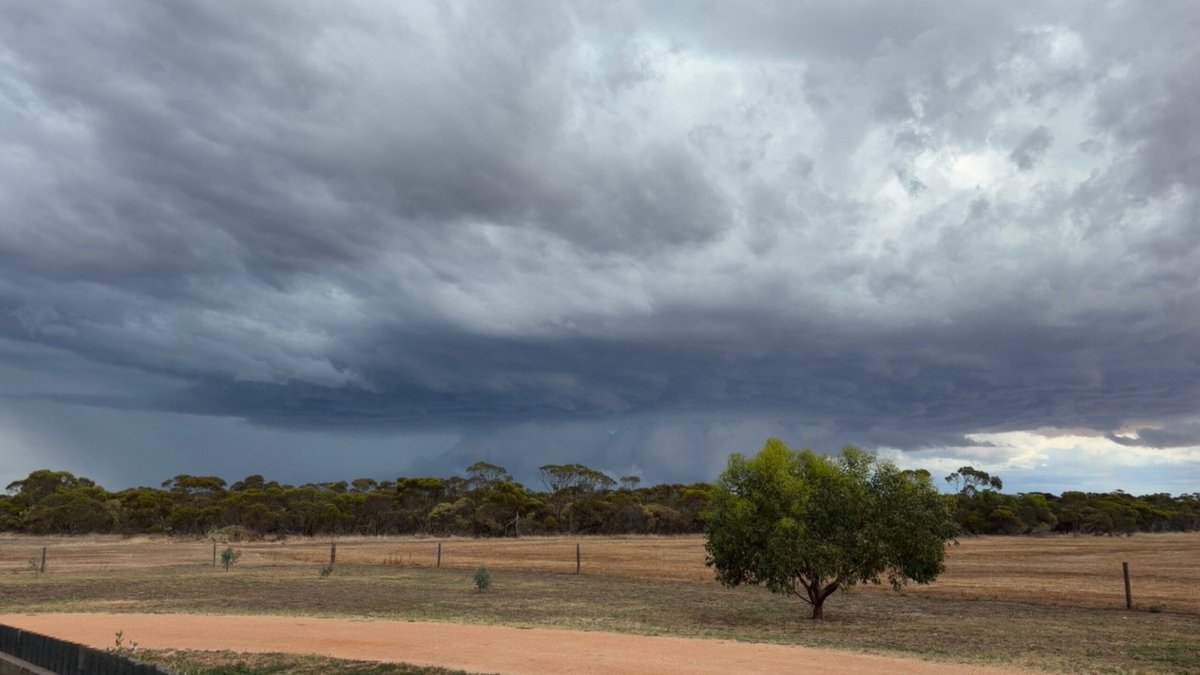
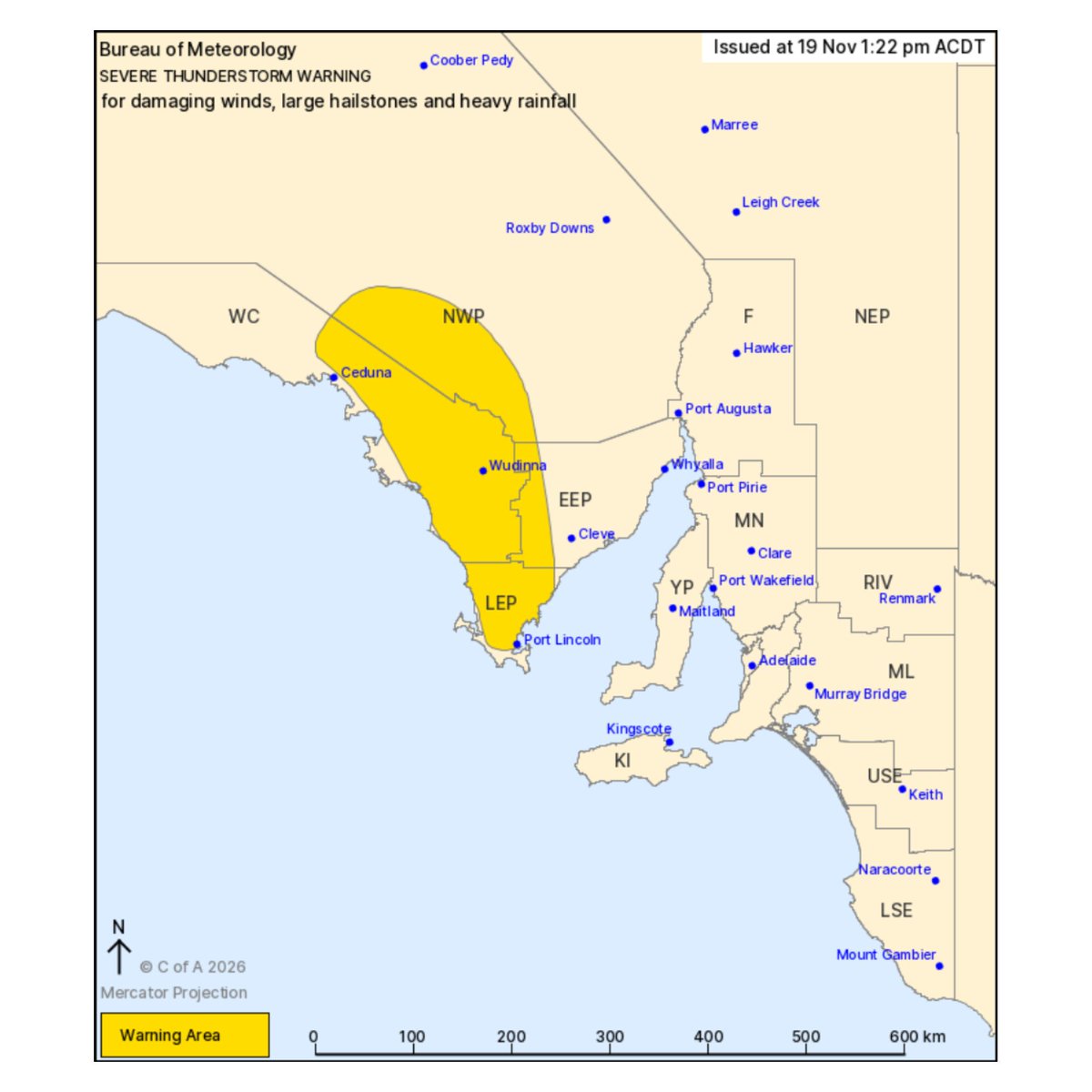
Spare a thought today for the farmers across South Australia whose year of hard and investment work has been devastated in a matter of minutes.
Think about the time spent preparing paddocks, sowing, fertilising, spraying, and waiting for harvest, only to have a severe storm destroy what they have worked so hard to produce.
Hail breaks stalks, knocks grain from heads and flattens crops, leaving paddocks that are simply unable to be harvested.
Some farmers will have taken out crop insurance, often at a significant premium, and may receive some compensation.
Others may be underinsured or have no insurance at all. For those farmers, the financial consequences can be catastrophic.
This is the harsh reality of farming.
Farmers are price takers who have very little control over many of the factors that determine their livelihoods. The weather, pests, input costs, and commodity prices can all work against them, often through no fault of their own.
There is an enormous amount of risk, hard work and uncertainty behind the food that ends up on our tables.
Spare a thought for all those farmers impacted by devastating weather events.
If you eat today and you're clothed, thank a farmer.
Earlier this month, Australia’s largest bank said they expect house prices to decline around 14% from peak to trough.
House prices peaked in March of 2026, since then the combined five-capital city index is already 8.2% below its peak.
The Albanese government’s taxpayer guaranteed 5% deposit scheme for first home buyers and 2% deposit scheme for single parents were terrible ideas from the beginning.
They added further demand to a seriously overheated housing market, loaded vulnerable home buyers up with massive 95-98% home loans, and transferred risk from borrowers and banks to taxpayers.
As of 31 May 2026, 321,141 Australians have had a guarantee issued under the 5% Deposit Scheme. This includes 267,098 Australian citizens and 54,043 non-citizens (permanent residents). The total maximum contingent liability for the 5% Deposit Scheme was $11.06 billion.
The current pace of home price decline is the fastest in at least 40 years.
Most home loans originated under this taxpayer backed deposit scheme were originated at a loan to value ratio (LVR) of 94% or higher. More than three-quarters were originated at a LVR of over 90%.
Those who purchased early in 2026 are almost certainly in negative equity.
If recent borrowers keep their jobs, chew hard and keep up with repayments, they may keep their homes. But if they are forced to sell, it is likely that the sale proceeds, after costs, would not repay their debt in full. The difference may become the responsibility of the taxpayer.
If house prices continue to fall, unemployment rises, borrowing costs remain elevated and inflation continues to squeeze household budgets, this scheme could become a very expensive lesson in the consequences of government intervention.
This risk was obvious and avoidable.
Let’s pray it’s never repeated.
The Australian government’s overall performance rating has fallen to levels not seen since the JWS Research Trust Issues survey began.
Cost of living is the number one issue of concern, followed by housing affordability and the economy.
For the first time in the survey’s history, personal pessimism outweighs optimism.
I am pessimistic about the ideology and ability of our current government, but I remain optimistic about the future of our nation.
We have many problems, but they are not insurmountable.
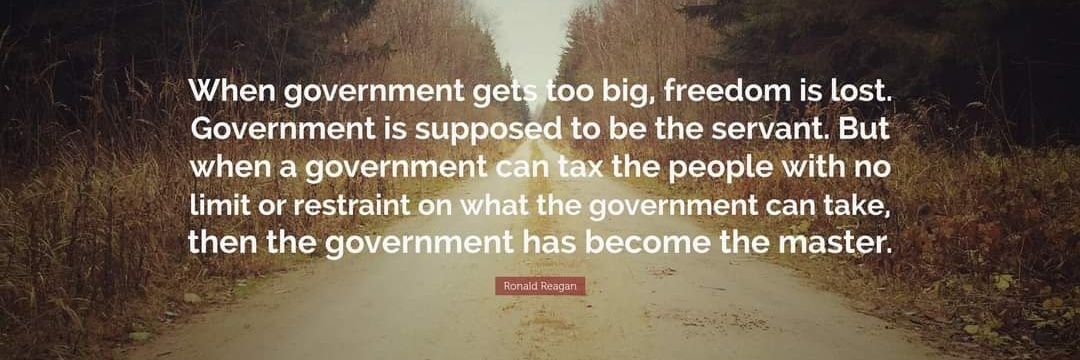
They can be solved through the hard work, initiative and enterprise of everyday Australians, with far LESS government interference.
No politician or political party can solve all the problems we face. But as we've seen in recent years, government can certainly create and compound problems through their interventions.
We must use the ballot box to reject the socialist ideology and policies that have increasingly contributed to many of our challenges and replace them with those who understand the value of small government, liberty and free enterprise.
I am optimistic because I believe in the Australian people and what we can achieve, not because I have faith in government.
Who decides?
A feature documentary exploring the growing national conversation in Australia surrounding the participation of transgender women in female-only spaces, alongside broader questions relating to education, healthcare and public policy.
Binary Australia director @KirralieS recently joined me to discuss the new documentary.
She argues that parents are losing authority over decisions affecting their children and calls for changes to the Sex Discrimination Act. Kirralie also outlines her ongoing legal battle over vilification findings, a $95,000 damages order and her campaign to restore biological sex protections in Australian law.
As gunfire ceased on the Western Front on the morning of November 11, 1918, Australia's first war correspondent Charles Bean observed "the gates to the future silently opened".
The armistice which secured the end of World War I had been signed at dawn, marking the conclusion of a four-year conflict that had claimed more than 60,000 Australian lives.
Confirmation would take several hours to reach Australia, where crowds were gathering in the streets at the first whispers of the news.
In every town and city, people rejoiced at the end of 'the war to end all wars' - and the beginning of a new chapter in Australia's history.
Lest we forget.
I was recently joined by barrister and civil liberties advocate Greg Barns SC to discuss the Digital Duty of Care Bill, social media restrictions, and Victoria’s upcoming election.
Dame Jacinda Ardern has landed a new role at the University of Sydney, where she will, somewhat ironically, focus on empathetic leadership, social cohesion and civic trust.
Written in 1916 by Rev. William J. H. Boetcker. 110 years later, this holds true.
THE TEN CANNOTS
1. You cannot bring about prosperity by discouraging thrift.
2. You cannot strengthen the weak by weakening the strong.
3. You cannot help little men by tearing down big men.
4. You cannot lift up the wage earner by pulling down the wage payer.
5. You cannot help the poor by destroying the rich.
6. You cannot establish sound security on borrowed money.
7. You cannot further the brotherhood of man by inciting class hatred.
8. You cannot keep out of trouble by spending more than you earn.
9. You cannot build character and courage by destroying men’s initiative and
independence.
10. You cannot help men permanently by doing for them what they can and
should do for themselves.
The Victorian Coalition has made an election promise to return passenger trains to Mildura and Horsham if it wins the November state election.
The economics must stack up, but philosophically they're onto something.
Regional workers produce materially higher output per hour, housing is more affordable, birth rates are higher, volunteering rates are stronger and communities are more connected.
If we want to address some of the great challenges like housing affordability, declining birth rates, social disconnection and our reliance on immigration to grow our population, perhaps we should embrace what regional Australia is doing right.