This is the last chance to apply for our computational genomics course, which includes an AI-assisted data analysis module. Deadline in 9 days. More info at https://t.co/2GOiBOkVaS
I'm happy to announce our next computational genomics course for 2025. The deadline for application is January 30th 2025. We will cover:
- AI-assisted data analysis
- Spatial omics analysis
- Multi-omics data analysis.
More info is here: https://t.co/Qks1N5JMCa
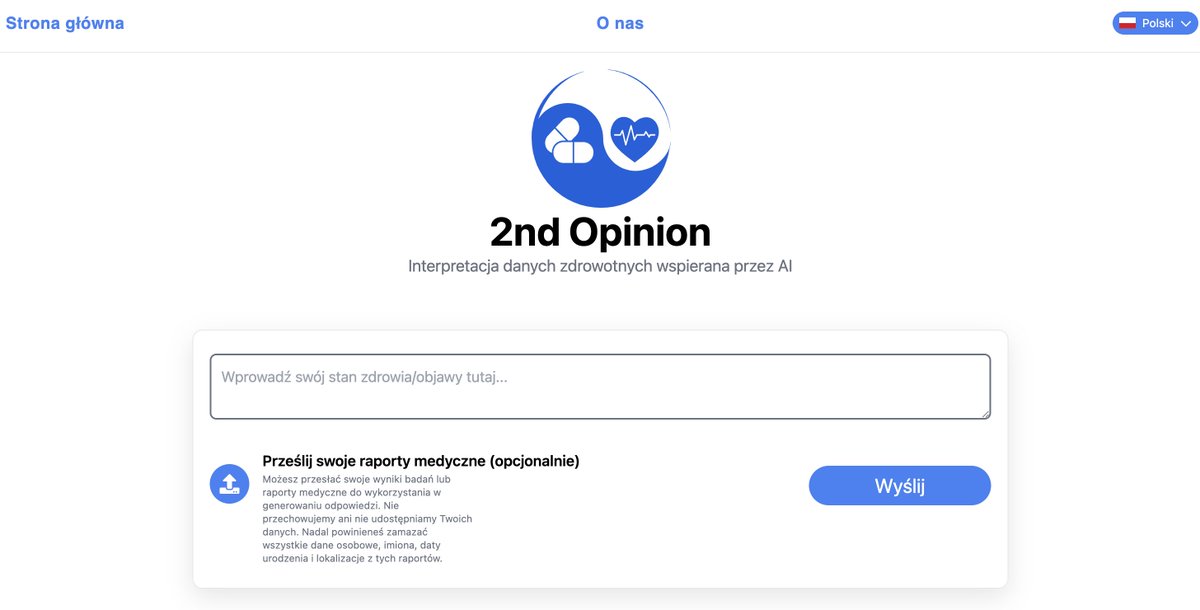
Najnowsze wiadomości! 🚀 2nd Opinion teraz mówi po polsku! 🇵🇱 Zadawaj i odpowiadaj na swoje pytania medyczne, sprawdzaj objawy i otrzymuj jasne wyjaśnienia—wszystko w swoim własnym języku!
TLDR; 2ndOpinion now speaks Polish!
How can AI simplify cancer treatment? @AltunaAkalin and his team developed Onconaut, an AI tool that helps to find personalized therapies faster by analyzing genetic data. 💡🧬
#CancerResearch#AI#PrecisionMedicine
https://t.co/wwUuCaRYGX
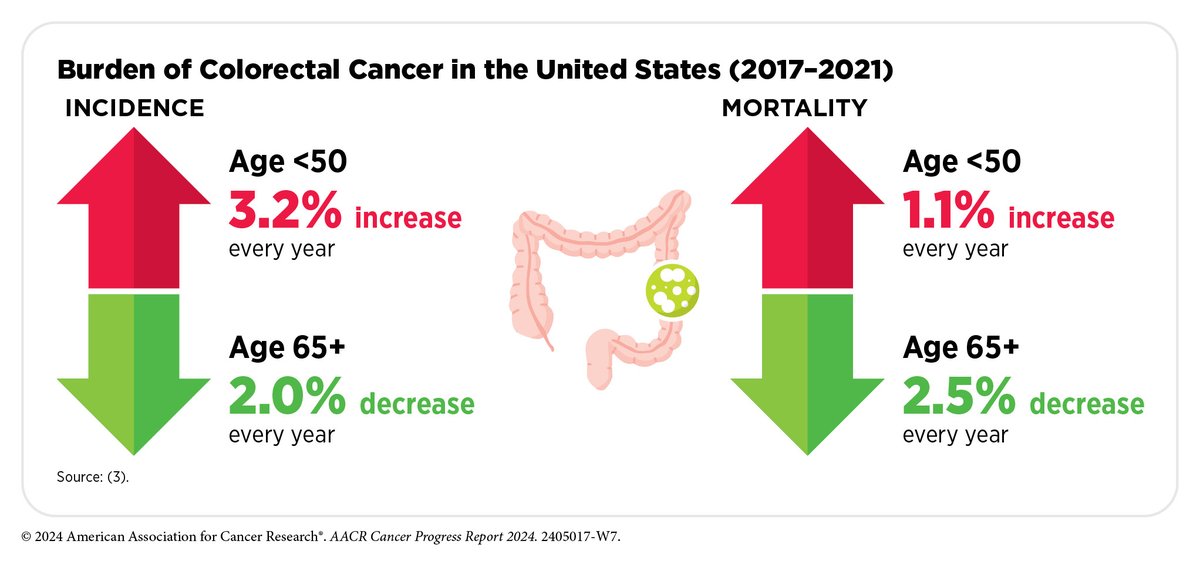
Adults under age 50 have been cancer at increasingly higher rates over the last few decades.
The latest AACR progress report estimates that 40% of all cancer cases are associated with modifiable risk factors such as tobacco use, diet, weight, exercising, ultraviolet radiation and exposure to pollutants.
Check out the video!!, how easily you can zoom in/out large tissue images !! Advanced interactive image visualization is coming to R via VoltRon. The image in the video is 30000x20000
📣 New update is coming soon, which allows manipulating h5/zarr based large images for fast interactive investigation.
Key Findings:
💪 Analysis of the PDBBind dataset reveals significant noise in PCB features, emphasizing the need for more robust training data.
⚗️Fine-tuning with Compass Score enhances the model's ability to predict ligand conformations with favorable PCB properties.
🔶Relying solely on RMSD for evaluation can be misleading, as low RMSD values do not guarantee favorable PCB features.
This paper introduces 𝐂𝐨𝐦𝐩𝐚𝐬𝐬𝐃𝐨𝐜𝐤, a novel method that improves the accuracy and reliability of deep learning-based molecular docking by incorporating physico-chemical and bioactivity (PCB) features
it addresses a critical limitation of current deep learning docking methods, which often prioritize speed and numerical metrics like Root Mean Square Distance (RMSD) over the quality and favorability of ligand-protein interactions.
paper: https://t.co/iW7goZ2gDz
code: https://t.co/tx0VZaVwAy
google collab: https://t.co/Nd5XMd5bsi
𝗖𝗮𝗻 𝗔𝗜 𝗱𝗲𝘁𝗲𝗿𝗺𝗶𝗻𝗲 𝘄𝗵𝗲𝗻 𝗮 𝗽𝗮𝘁𝗶𝗲𝗻𝘁 𝘀𝗵𝗼𝘂𝗹𝗱 𝘃𝗶𝘀𝗶𝘁 𝘁𝗵𝗲 𝗘𝗥 𝗼𝗿 𝘀𝗲𝗲 𝗮 𝗦𝗽𝗲𝗰𝗶𝗮𝗹𝗶𝘀𝘁? 𝗪𝗵𝗮𝘁 𝗮𝗯𝗼𝘂𝘁 𝗱𝗶𝗮𝗴𝗻𝗼𝘀𝗶𝗻𝗴 𝗱𝗶𝘀𝗲𝗮𝘀𝗲𝘀? 🩺🤖
𝗧𝗵𝗶𝘀 𝗽𝗮𝗽𝗲𝗿 explores how advanced AI, particularly Large Language Models (LLMs), can support clinicians in making informed medical decisions.
Here are the key points:
1)🔍 𝗕𝗲𝗻𝗰𝗵𝗺𝗮𝗿𝗸𝗶𝗻𝗴 𝗔𝗜 𝗶𝗻 𝗥𝗲𝗮𝗹-𝗪𝗼𝗿𝗹𝗱 𝗖𝗹𝗶𝗻𝗶𝗰𝗮𝗹 𝗦𝗰𝗲𝗻𝗮𝗿𝗶𝗼𝘀: The study evaluated LLMs, both with and without Retrieval-Augmented Generation (RAG) assistance, across 2,000 real-world medical cases from the MIMIC-IV dataset. The focus was on predicting diagnoses, recommending specialists, and determining the urgency of care.
2) ✨ 𝗘𝗻𝗵𝗮𝗻𝗰𝗶𝗻𝗴 𝐚𝗰𝗰𝘂𝗿𝗮𝗰𝘆 𝗮𝗻𝗱 𝐫𝗲𝗹𝗶𝗮𝗯𝗶𝗹𝗶𝘁𝘆 𝗼𝗳 𝗟𝗟𝗠𝘀: While models demonstrated strong performance across various tasks, the RAG-assisted LLM offered a significant advantage by integrating external, trusted references. This integration improves performance in triage and diagnosis tasks when supplemented with additional patient vitals.
3) 🛠️ 𝗰𝗿𝘂𝗰𝗶𝗮𝗹 𝗿𝗼𝗹𝗲 𝗼𝗳 𝗽𝗿𝗼𝗺𝗽𝘁 𝗲𝗻𝗴𝗶𝗻𝗲𝗲𝗿𝗶𝗻𝗴: The research highlights that how tasks are framed significantly impacts LLM performance. Effective prompt design, especially when combined with RAG workflows, can enhance the quality of clinical decision support.
4) 🤝 𝗟𝗲𝘃𝗲𝗿𝗮𝗴𝗶𝗻𝗴 𝗱𝗶𝘃𝗲𝗿𝘀𝗲 𝗺𝗼𝗱𝗲𝗹 𝗽𝗿𝗲𝗱𝗶𝗰𝘁𝗶𝗼𝗻𝘀 𝗳𝗼𝗿 𝗿𝗼𝗯𝘂𝘀𝘁𝗻𝗲𝘀𝘀
Different LLMs provided varying predictions, suggesting a “mixture of experts” approach could utilize each model’s strengths for better outcomes. Higher agreement between models also indicates increased reliability and robustness in predictions.
paper: https://t.co/l8SdcXVBx5
𝗰𝗮𝗻𝗰𝗲𝗿 𝘁𝗿𝗶𝗮𝗹 𝗺𝗮𝘁𝗰𝗵𝗶𝗻𝗴 𝘄𝗶𝘁𝗵 𝗵𝗲𝗹𝗽 𝗼𝗳 𝗟𝗟𝗠𝘀
1/This paper presents an innovative method to enhance oncology trial matching by leveraging large language models (LLMs) to extract and organize genomic biomarkers from clinical trial documentation.
2/ 𝗞𝗲𝘆 𝗕𝗿𝗲𝗮𝗸𝘁𝗵𝗿𝗼𝘂𝗴𝗵: Open-source LLMs surpassed proprietary models like GPT-4 and GPT-3.5-Turbo in identifying intricate logical expressions tied to genomic biomarkers, showcasing their superior performance with real-world oncology trial data.
3/ 𝗔𝗱𝘃𝗮𝗻𝗰𝗲𝗱 𝗦𝘁𝗿𝘂𝗰𝘁𝘂𝗿𝗶𝗻𝗴: The research emphasizes structuring biomarkers in disjunctive normal form (DNF), enabling precise management of inclusion and exclusion criteria. This advancement leads to more efficient and accurate trial matching for oncology patients.
4/ 𝗢𝗽𝘁𝗶𝗺𝗶𝘇𝗲𝗱 𝗣𝗿𝗼𝗺𝗽𝘁𝗶𝗻𝗴 𝗧𝗲𝗰𝗵𝗻𝗶𝗾𝘂𝗲𝘀: Various prompting strategies—zero-shot, one-shot, two-shot, and prompt chaining—were employed. Open-source models, especially Hermes-2-Pro-Mistral-7B, demonstrated exceptional ability in extracting both inclusion and exclusion biomarkers.
5/ 𝗘𝗻𝗵𝗮𝗻𝗰𝗲𝗱 𝗣𝗲𝗿𝗳𝗼𝗿𝗺𝗮𝗻𝗰𝗲 𝘄𝗶𝘁𝗵 𝗙𝗶𝗻𝗲-𝗧𝘂𝗻𝗶𝗻𝗴: By applying Direct Preference Optimization (DPO), the Hermes-2-Pro-Mistral-7B model’s performance was significantly boosted, particularly in managing exclusion biomarkers during trial matching.
6/ This research establishes a new benchmark for utilizing AI in streamlining oncology trial enrollment by automating the extraction and efficient structuring of genomic biomarkers, thereby improving patient-trial matching.
💻 Code: https://t.co/Tcq0zO066h
🔖 Paper: https://t.co/EaOnujeVs3
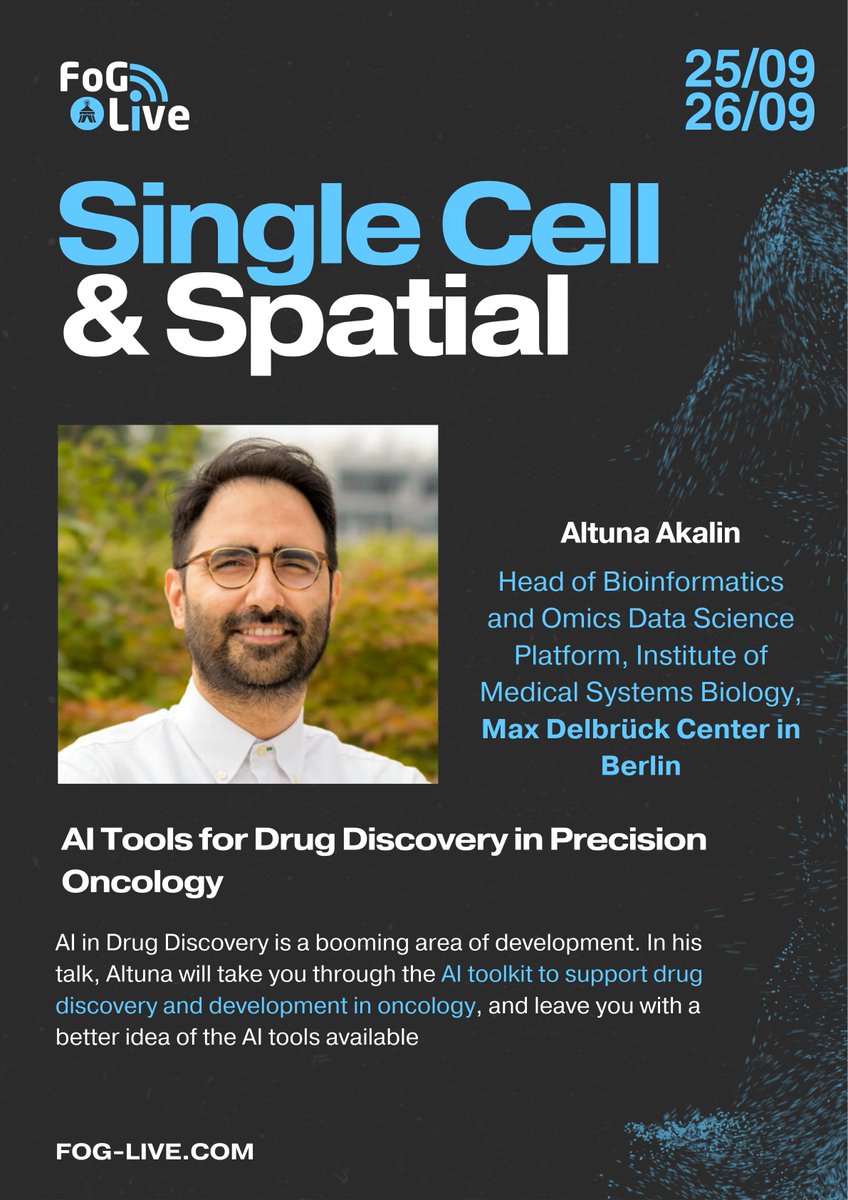
We're kicking off this week with some #singlecell track highlights from the upcoming #foglive event! (https://t.co/xTrUXF6GzQ) First up is @AltunaAkalin from @MDC_Berlin, presenting an #AI toolkit for #drugdiscovery that is working to save cost and time in the lengthy process
𝗔𝗜 𝘃𝘀 𝗽𝗲𝘁 𝘀𝘆𝗺𝗽𝘁𝗼𝗺𝘀: We tested our AI-driven symptom checker on dogs, and it worked—surprisingly well. However, the surprise didn’t last long once we realized, that even though the platform was intended for human conditions it could still draw from a vast pool of biomedical and veterinary science literature to make its decisions.
What more can we do to test the platform for pets? let me know if you have ideas or datasets?
🚑 1/6: Emergency Care Overload
Emergency departments see millions of visits annually in the US alone, but did you know up to 35% of these are unnecessary? That’s $20 billion in avoidable costs! The healthcare system is overwhelmed, and patients are caught in the middle.
How does AI tackle complex medical cases? 🏥 We tested a persistent cough case in a 75-year-old woman. 🤔 Can AI match up to the actual diagnosis? Discover the surprising results and insights! 🌟
Thread 🧵👇
There are 300+ anticancer drugs, many work on and are approved only for certain types of cancer. 🚀 https://t.co/qrzdtIqlll is the platform for navigating the complex landscape of personalized cancer therapies.
Given a patient profile, the platform can currently:
- match patients to treatments using clinical guidelines
- find potential targeted therapies using biomarkers
- match patients to clinical trials
- find patient-relevant literature
🗣️Tell us which feature should be built next ⁉️
What would be the most useful feature for patients and/or clinicians?
𝐕𝐨𝐥𝐭𝐑𝐨𝐧 can now work with many spatial omics technologies including:
𝐎𝐩𝐞𝐧𝐒𝐓,
Visium & Xenium (@10xGenomics ),
GeoMx & CosMx (@nanostringtech ),
STOmics (@mgi_technology),
GenePS,
PhenoCycler (@AkoyaBio),
DBIT-Seq & more. See how here: https://t.co/fJLiELeXJA
Try 𝐕𝐨𝐥𝐭𝐑𝐨𝐧 🤖-> our spatial multi-omics package now has more interactivity
- Analyze molecular resolution data
- integrate pathology images with spatial transcriptome
- investigate tissue niches with interactively
Kudos to @arturman_sl
tutorials: https://t.co/y0RRVX9rD0