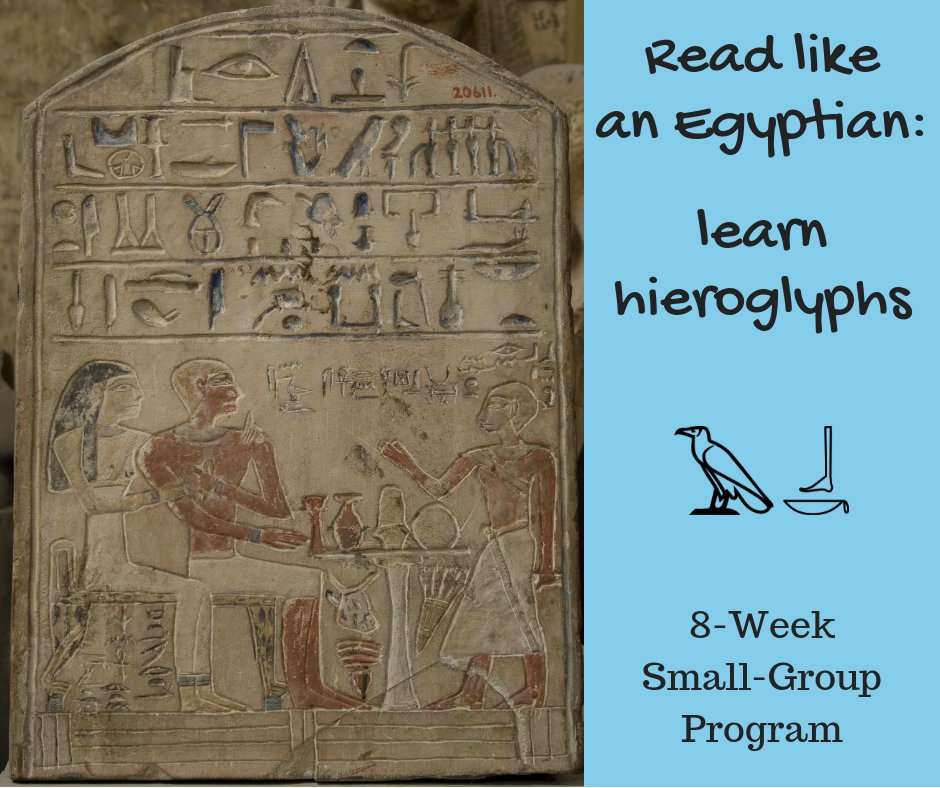
We start in one week! I'm so excited to get going with this new program with an inspired group of students!
***There are a few spots left - last day to sign up is Thursday (17th)***
Want to know more? Reply, send me a message, or visit: https://t.co/0ha3SBgtMe
I loved the way the light hit this face of the goddess Hathor on this libation bowl. Hathor is one of the few figures from ancient Egypt whose face was shown from a fully frontal angle like this.
BM EA1386
The Dead Speak Online is no more! Things are changing around here, including the name. I've moved to Voices of Ancient Egypt (@VoicesAncient on twitter and @voicesofancientegypt on other platforms)
How and why did ancient Egyptians reuse the coffins and other funerary arts of their ancestors? Read about @KaraCooney's research examining many of the 800 21st-dynasty coffins in collections around the world.
https://t.co/ZfETnYZu7e
Photo: Marissa Stevens
Thank you for the love! Because of you, this Twitter and my YouTube channel have really grown over the past year, despite having some life obstacles that often got in the way of posting. I’m so grateful for your support. Stay tuned for for some news coming in the next two weeks.
How did a dedicated team save Abu Simbel in the 1960s? This National Geographic clip features some original footage from the campaign to dismantle, move and reconstruct the colossal temples.
https://t.co/TwMt8gEevc
This beautiful facimile of a scene from the tomb of Menna shows him fishing and hunting birds along the Nile with his family.
This facimile is now in the @metmuseum⠀
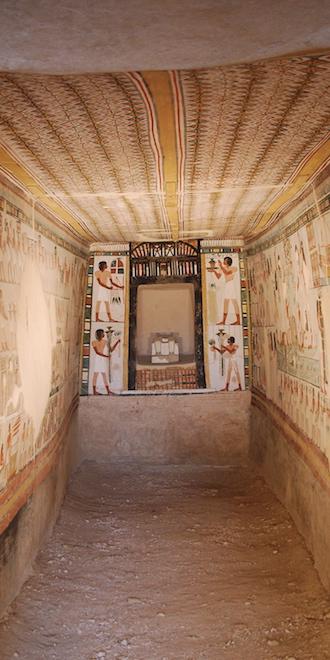
The tomb of Menna is cut into the cliffs of the Theban necropolis on Luxor's West Bank and contains some of the finest examples of 18th-dynasty Egyptian painting still in existence today. Learn about the conservation of this remarkable tomb chapel.
https://t.co/gkKSui0tjc
"A large papyrus sheet discovered in 1934 has been translated for the first time. It was found at the pyramid of Senusret I at Lisht in Lower Egypt by a team sponsored by the Metropolitan Museum of Art."
https://t.co/23CFDVfigX
Hear about the start of the Hieroglyphics Initiative, a synthesis of history and technology that harnesses machine learning to augment the study of ancient languages. https://t.co/RQGMBDOSHi
Curl up with your furry friend and check out Divine Felines, now at the @carlosmuseum. @ajc's art review has this to say: "Bottom line: Gain remarkable insight into the daily lives and rituals of Egyptians through their surprising relationships to cats."
https://t.co/mvKdoC0V1T
Here's another beautiful example, from a bit later than the last. This pair of coffins belonged to a woman named Nephthys, who was a daughter of the local governor/major (Haty-a in Egyptian) and lived during the 12th Dynasty (Middle Kingdom).
They are also in @metmuseum today.
I can't resist posting more coffins... These belonged to Kharushery, who was a "Door Keeper in the House of Amun" (i.e., the temple of the god Amun). Kharushery lived during the 22nd Dynasty, when the Temple of Amun played a huge role in running southern Egypt.
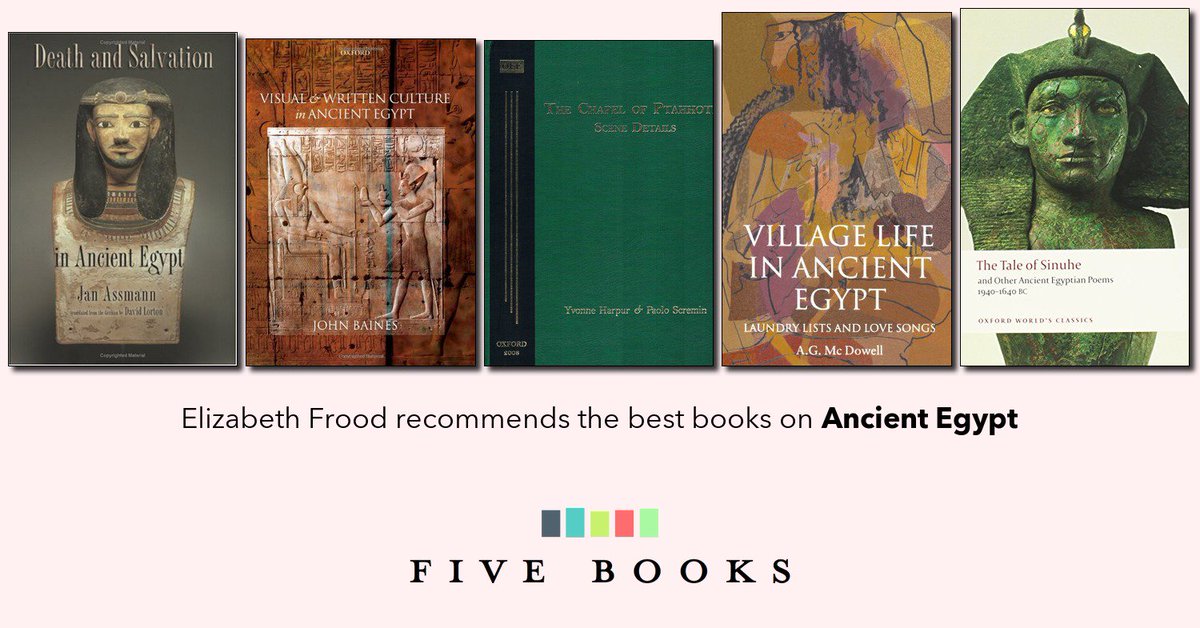
Settle into some Sunday reading with a selection of five books, curated by lecturer in Egyptology Elizabeth Frood. These recommendations take us away from the elite context of Egyptian history and focus on the 'normal' live of Egyptians.
https://t.co/x2kgNTDeOZ
Between the paws of the six-story Great Sphinx in Giza, a slab of hieroglyphs tells the story of how King Thutmose IV dreamed his destiny. Harvard @SemiticMuseum curator Adam Aja led the creation of a reproduction of the monument, now on display.
https://t.co/8MXWLmICBz
The Amarna Project has conducted research for over four decades. In this interview last spring, Director Barry Kemp discusses the challenges and triumphs of his career at the site.
https://t.co/BKWSkYAm79