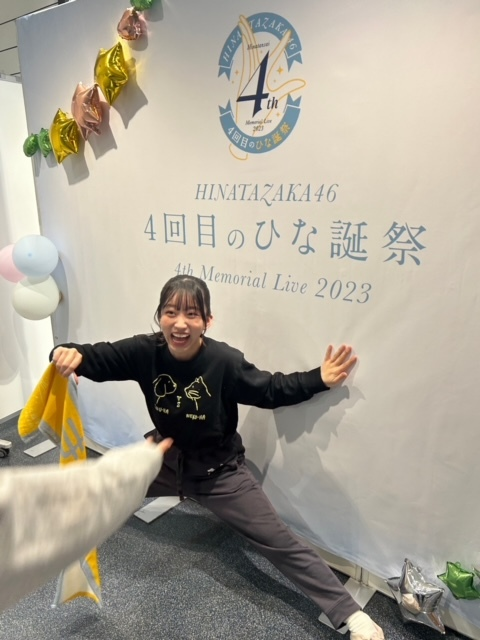
her once more. please forgive me for not posting a lot lately and please continue to support kishihono. i'll be back with renewed vigor sooner than you might think! until then, thank you for your hard work kishi-kun, and i'll always support you!
thank you for understanding.
i'm sorry for this unexpected announcement, but for now, this account will be on rest. i haven't been able to stay on top of kishi-kun's activities and i haven't been able to focus on my own endeavours as well, so i would like to come back when i'll be able to give my 100% for
kishi: #4 there is an aphid species called the soldier aphid. they protect the larvaes and the eggs. ( ∩'-'⊂ )
-> i, too, hope i can become just like a soldier aphid, to protect the hinatazaka our seniors have built up!
kishi:
#3 it's recently discovered that aphids are social creatures like ants and bees. some aphids can poison themselves to later on poison their natural enemies. in fact, this is believed to be how aphids can protect themselves for further evolution.
kishi:
#2 aphids can reproduce asexually with their own genes depending on the season. basically, a female aphid can give birth to a clone of itself.
-> if kishiho were to be an aphid, can you imagine kishiho giving birth to kishiho clones?! imagine an UNLIMITED supply of kishiho
kishi:
the answer - it's because their unborn next generation is already prepared in their womb each. think of it like a matryoshka doll.
-> ... how dreadful...!
kishi:
#1 when condition green, aphids can multiple by x1000s!
-> what menacing reproductive ability... scary :( ;˙꒳˙;):
question on #1 - now what makes it possible for them to reproduce that way?!
[favorite living creature #6]
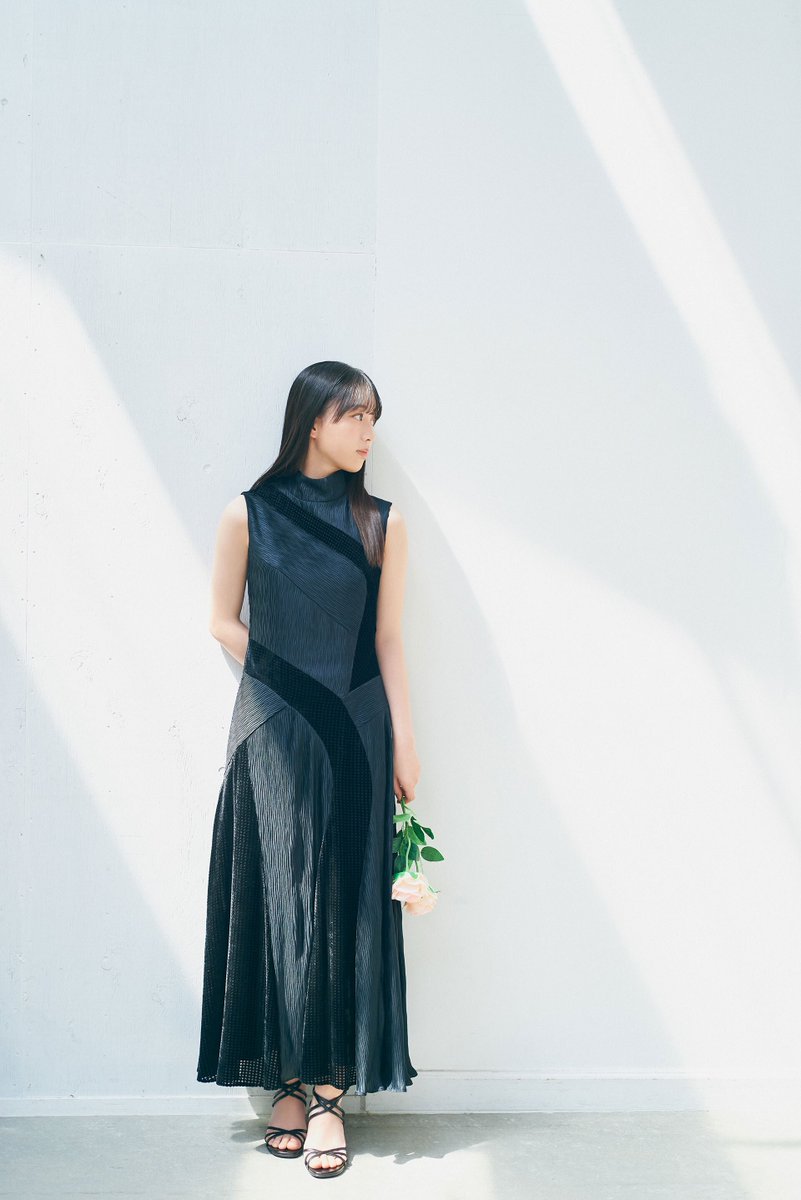
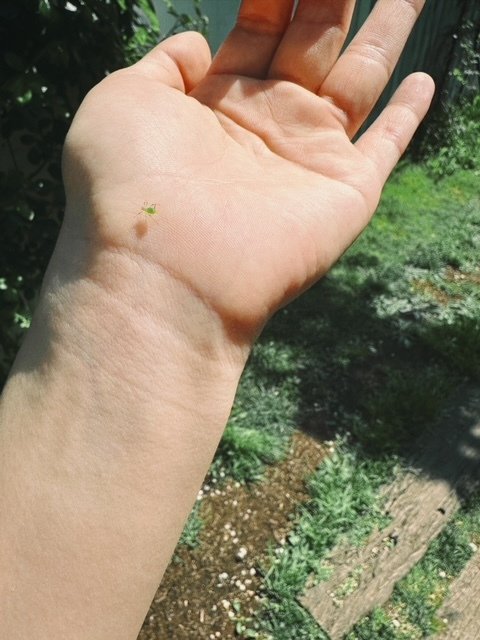
kishi: when i was doing the photo studio series shoot, an aphid sat on my palm! and so - MY FAVORITE LIVING CREATURE #6! so now im going to discuss things about aphids that you may not have heard of before!
kishi: there's a lot of theories and debates on this but it's said that coelacanths are the link between fishes and amphibians. the life of coelacanths still have a lot to discover, and i look forward to future discoveries made by biology in that regard!

























![theblueslope's tweet photo. [favorite living creature #6]
kishi: when i was doing the photo studio series shoot, an aphid sat on my palm! and so - MY FAVORITE LIVING CREATURE #6! so now im going to discuss things about aphids that you may not have heard of before! https://t.co/PYx0X1jO5p](https://pbs.twimg.com/media/FtnMny9aEAEcbYD.png)