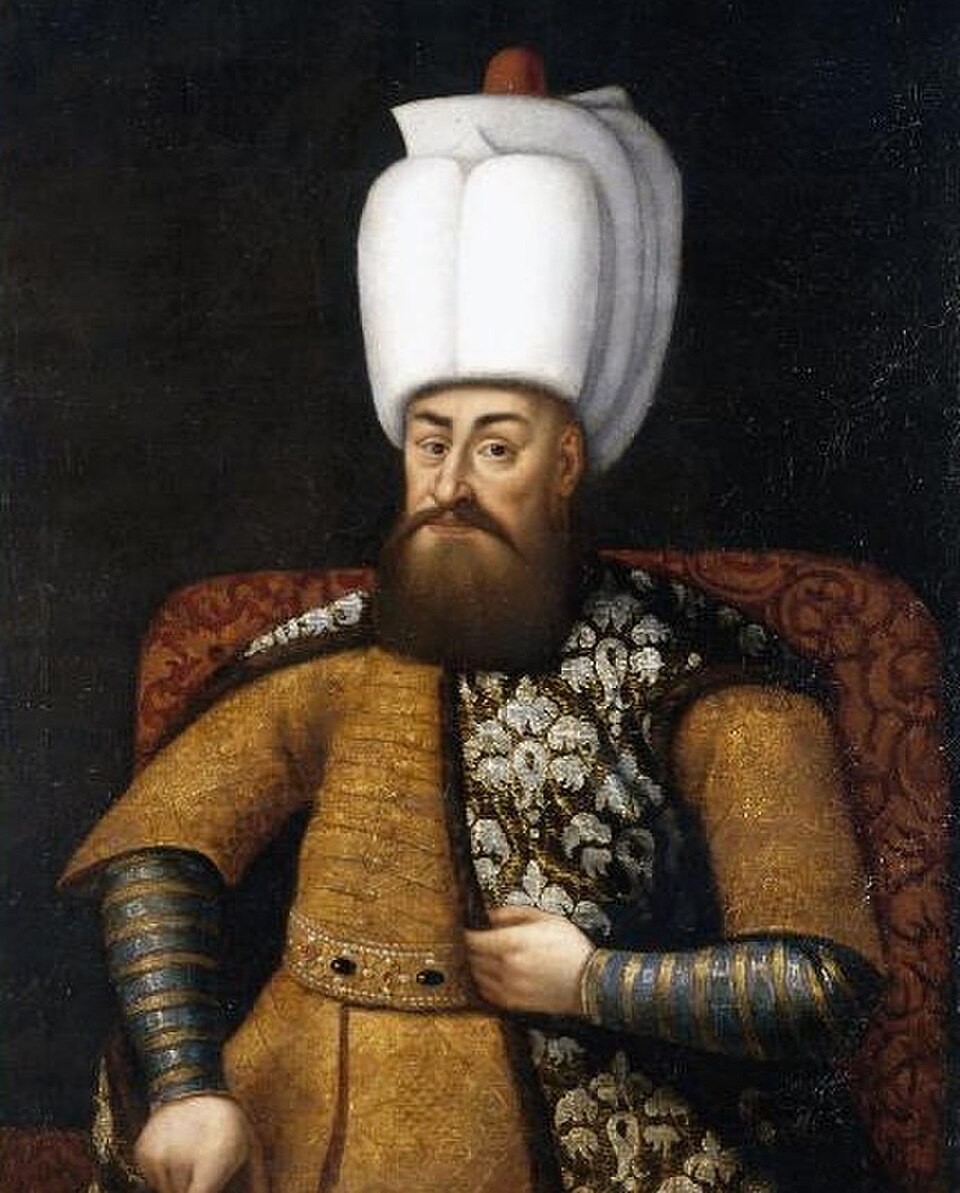
A letter from the Ottoman Sultan Murad III to the governor of Egypt says that news had reached him about the rise of the Galla(Oromo)in habesha,and that they fought and defeated the army of the habesha king(Sarsa Dengel)but were unable to inflict any damage on the Muslim kingdoms
The Yemeni community in Somaliland expresses their congratulations to Somaliland on their 35th year of freedom.
To them, we say thank you, from the people of your second country💚🤍❤️
Somaliland in the 1950s
Scenes from the 1959 Somaliland Parliamentary Elections, Held in Hargeisa and other major cities across Somaliland. Citizens are voting in both urban and rural areas, In voting houses aswell as under the shade of Acacia Trees as was common among the people of Somaliland when electing sultans and other traditional leaders.
The election led to a landslide victory for the moderate National United Front led by Michael Mariano of the Habr Je’lo tribe, defeating the main opposition party of the Somali National League, Under Mohamed Haji Ibrahim Egal. [1959]
A sketch of warrior poet Husein Hasan (Eidagale Garhajis) and his trusted steed Mangalool being pursued by a lioness [1896].
After one of his successful raids, Husein’s horse Mangalool collapsed from fatigue in the midst of a dry year. To save him, Husein rushed his looted camels to a well, then slaughtered them periodically along the 20 mile return journey to provide Mangalool with regular water.
Husein stated that he would rather sacrifice 100 camels, viewing it as a small price to pay, as a recovered Mangalool would eventually help him raid many more.
In the 19th century, the majority of Somali traders who frequented Aden belonged to the wider Isaaq clan.
The Habr Awal composed the bulk of these merchants, completing four voyages to Aden during the trading season, where they tended to hire a house in Aden and were accompanied by their own servants. They procured most of their goods from Harar and its environs, which included coffee, saffron, ivory, and feathers.
Garhajis traders also frequented Aden regularly; however, they procured most of their goods from the Ogaden interior, which included feathers, myrrh, gum, livestock, and ghee.
The Soviet embassy in Mogadishu in the Somali republic was rented from Jirde Hussein, one of the wealthiest merchants in the Somali peninsula. When the Soviets were exiled after the Ogaden war, Jirde converted the building to an orphanage for Mogadishu Children
رحمه الله تعالى
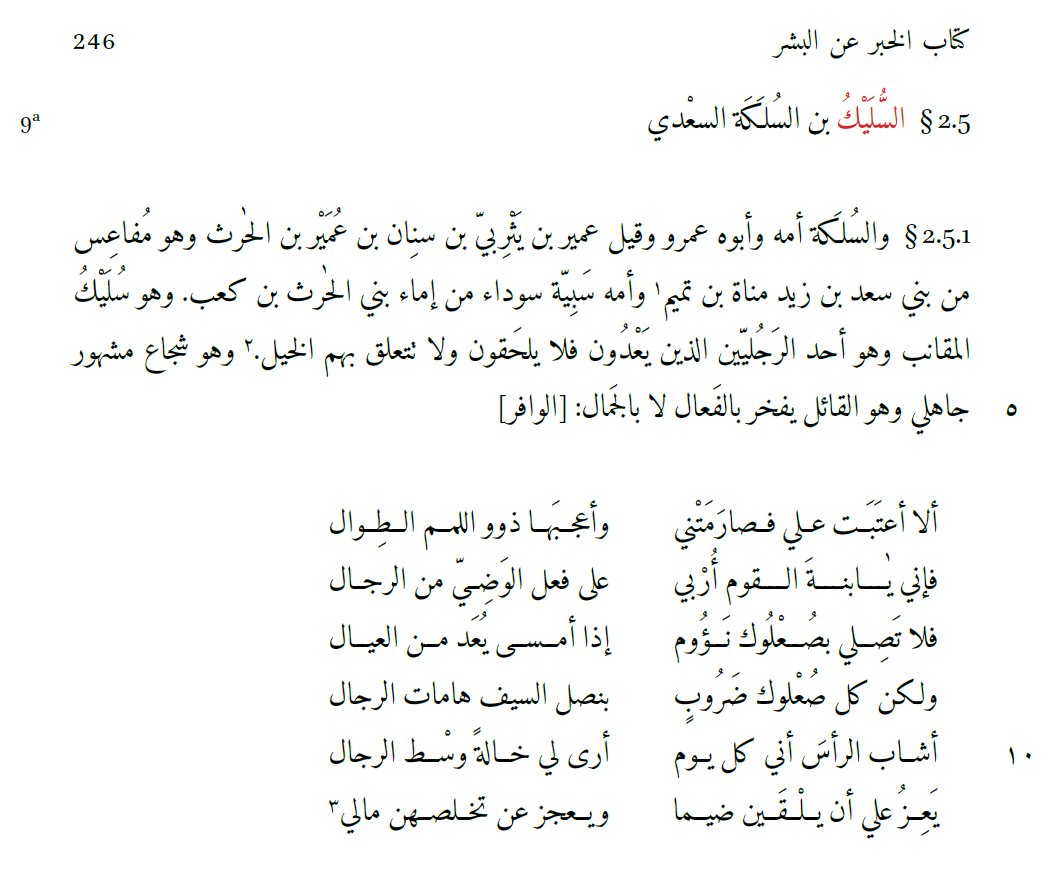
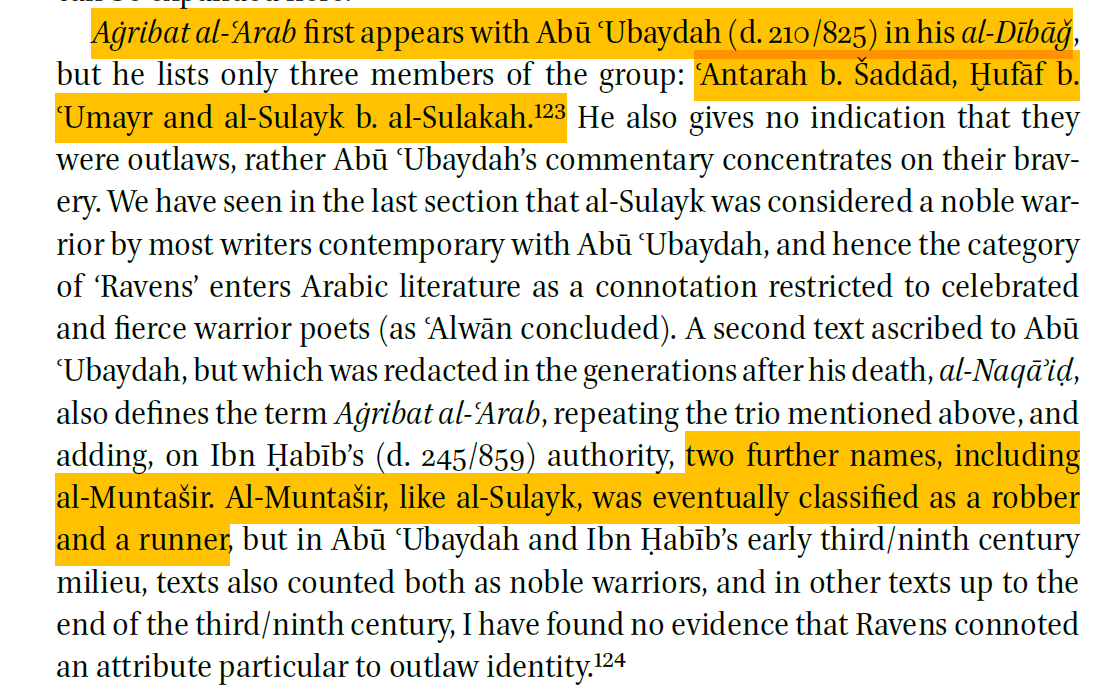
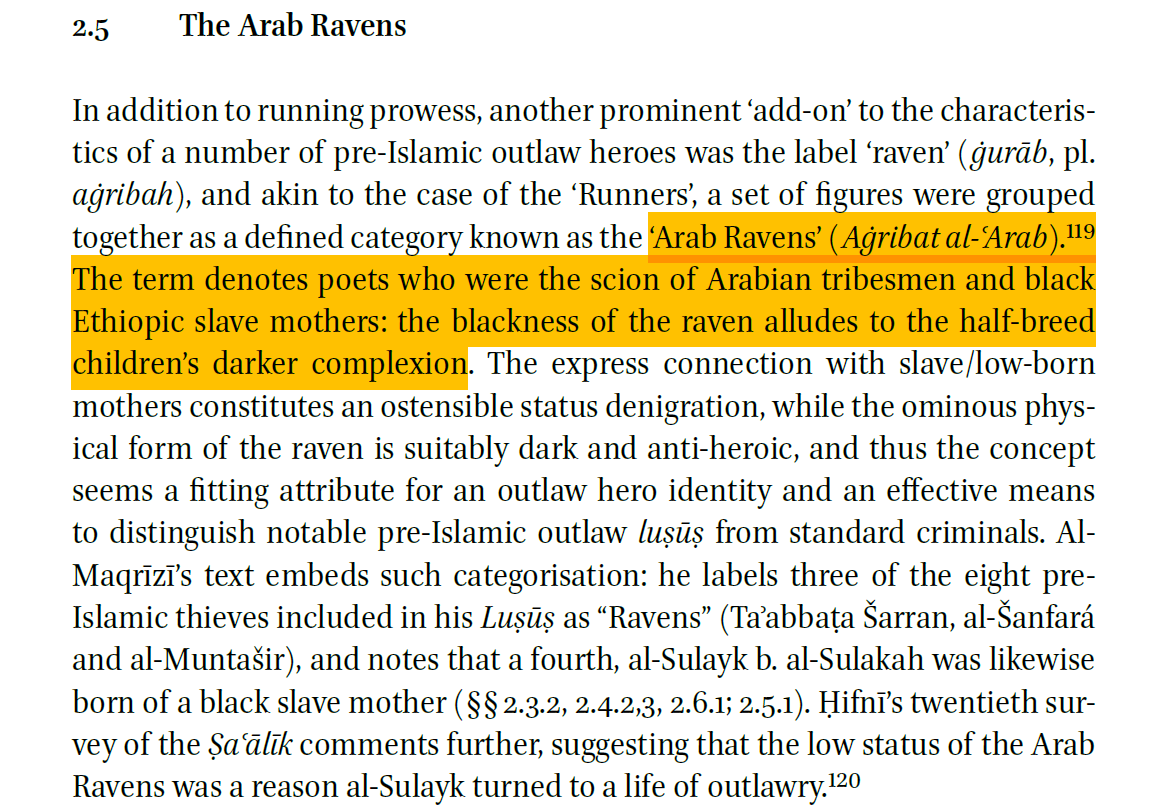
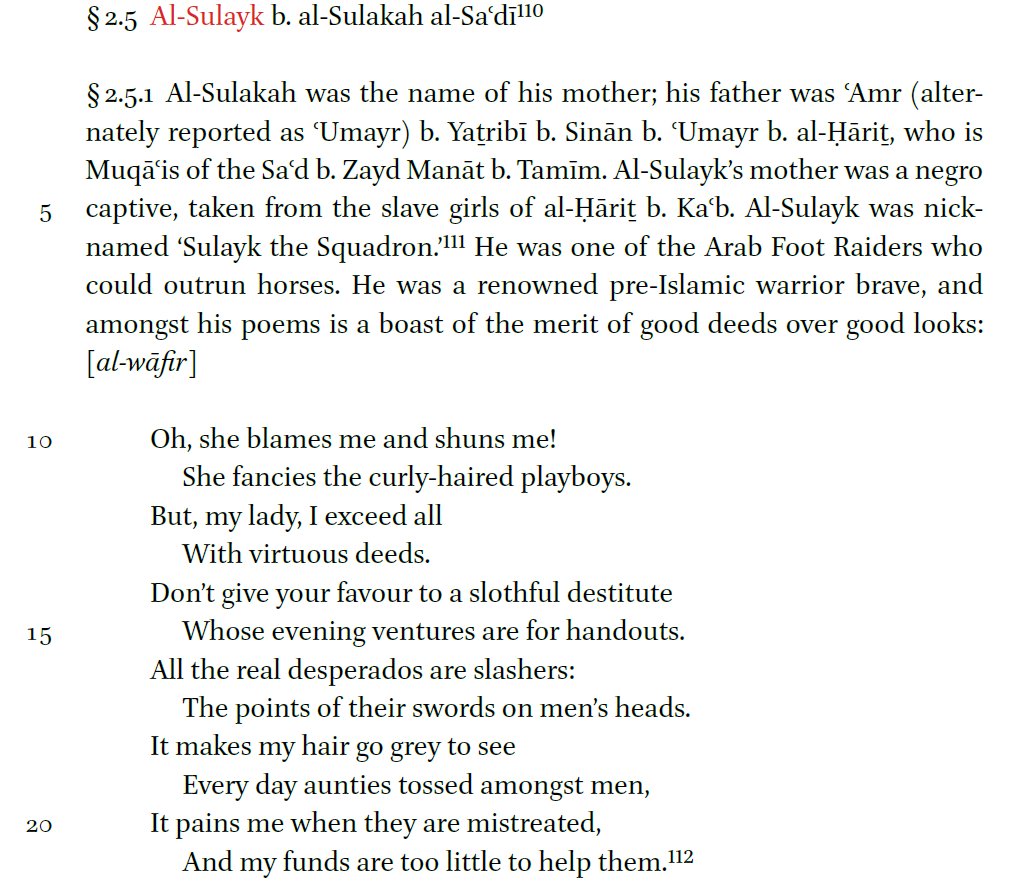
Muslim historians separately used 'Raven' to classify Arab warrior-poets born to 'Habash' mothers in the Jāhiliyyah era as Aġribat al-ʿArab (Arab Ravens).
ʿAntarah & Al-Sulayk are some of the best known Aġribat. The term later broadened for a poet/outlaw in Arab literature.
Yusuf Ahmed (Habr Yunis) father of Suleiman Yusuf and Mohamed Yusuf nicknamed “Al habashi” served as Manager of the Bank of Abyssinia Harar Branch [1911]
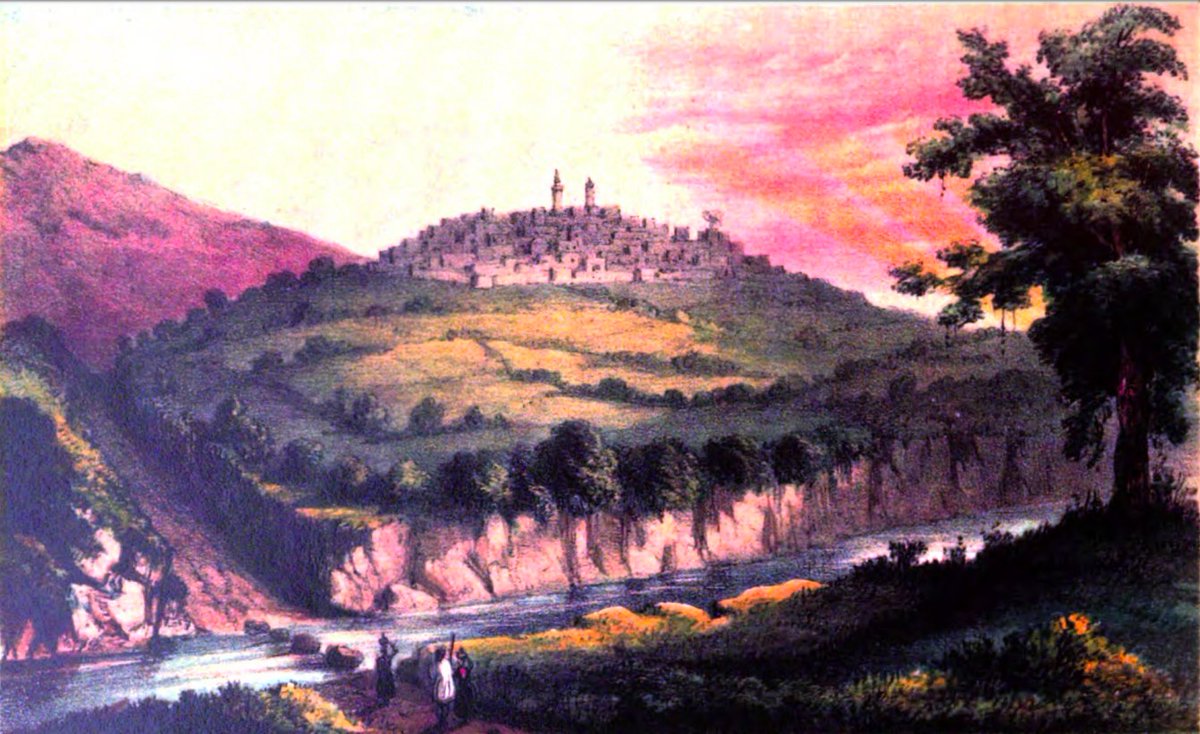
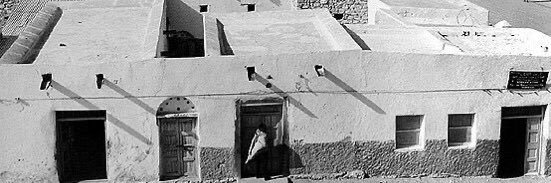
Late 19th century photograph of El Darad (Then known as Ain Tarad), The seat of Muhammad Abdi Liban. The town was known for its large fortress, Built in 1826 by Muhammad himself, And is somewhat visible in the background [1893]
Mohamed Abdi Liban, a wealthy merchant and pirate from El Darad (ceel daraad) alongside Haji Sharmarke attempted to establish a colony in kalangreet, in the land of the Gadabursi, east of Zeila [1855]
Geri Koombe chief Garad Adan requests his Emir Haji Sharmarke’s assistance to construct a fort a few miles from Harar. The Garad wished to assist Sharmarke in diverting Harar’s trade from Berbera to Zeyla using his Geri Koombe tribesmen [1848]
Sharmarke’s authority in the interior [1848]
“around Zeyla the Bedouins have learned to fear and obey Sharmarkay. Letters from him were found useful among the Gadabursi who extend 100 miles inland and the Geri clan which occupies the harar hills. His song is sung by their women-
In response, The NUFRRH was set up The delegation of four representatives from Somaliland traveled to London and New York to raise the issue with the British Parliament and the United Nations. Their pressure pushed Britain to consider buying the land back, but this was rejected
Somalilanders protesing against the Hawd cession [1954]
In 1954, the British handed over the Haud and Reserved Area of southern Somaliland to Ethiopia under the Hawd Agreement. This sparked major protests across the country, as people vehemently opposed losing their lands
In response, The NUFRRH was set up The delegation of four representatives from Somaliland traveled to London and New York to raise the issue with the British Parliament and the United Nations. Their pressure pushed Britain to consider buying the land back, but this was rejected
Somalilanders protesing against the Hawd cession [1954]
In 1954, the British handed over the Haud and Reserved Area of southern Somaliland to Ethiopia under the Hawd Agreement. This sparked major protests across the country, as people vehemently opposed losing their lands
18th century Kachchhi-Gujarati navigation manuscript chart of the Southern Red Sea and Gulf of Aden entrance depicting Zeyla, Berbera, and Cape Guardafui submitted to the held at the Royal Geographical Society Institute of British Geographers in London in 1823
Higher quality image of جميعة الاتحاد الصومال الإسلامي the Somali Islamic Union Club in Aden founded by Haji Farah alongside Palestinian leaders [1939]
A photo of Palestinian leaders with members of the Somali Union Club in Aden, including club president Shaykh Muhammad Abdullah, Barud Farah, Sa’id Muhammad Muuse, and others
British explorer William Cornwallis noted that Haji Sharmarke had strong influence across the entirety of the Afars, With the Afars of Tadjoura paying him an annual tribute of around 1,200–1,600 German thalers [1841]
Sharmarke’s rule over the Afar [1840s]
In 1841, A French expedition under Arnaud-Michel d’Abbadie tried to land on the Danakil Coast and reach Harar, but was halted in Tadjoura by Sharmarke, They were confronted and then forced back to Yemen
British explorer William Cornwallis noted that Haji Sharmarke had strong influence across the entirety of the Afars, With the Afars of Tadjoura paying him an annual tribute of around 1,200–1,600 German thalers [1841]
Sharmarke’s rule over the Afar [1840s]
In 1841, A French expedition under Arnaud-Michel d’Abbadie tried to land on the Danakil Coast and reach Harar, but was halted in Tadjoura by Sharmarke, They were confronted and then forced back to Yemen




![Archives_SL's tweet photo. Yusuf Ahmed (Habr Yunis) father of Suleiman Yusuf and Mohamed Yusuf nicknamed “Al habashi” served as Manager of the Bank of Abyssinia Harar Branch [1911] https://t.co/S8mYhUTysN](https://pbs.twimg.com/media/HGdHGkuWMAAi9F0.jpg)
![Archives_SL's tweet photo. Late 19th century photograph of El Darad (Then known as Ain Tarad), The seat of Muhammad Abdi Liban. The town was known for its large fortress, Built in 1826 by Muhammad himself, And is somewhat visible in the background [1893] https://t.co/y6nhiZP4mX](https://pbs.twimg.com/media/HGNs3mvWkAA5sjR.jpg)
![Archives_SL's tweet photo. Late 19th century photograph of El Darad (Then known as Ain Tarad), The seat of Muhammad Abdi Liban. The town was known for its large fortress, Built in 1826 by Muhammad himself, And is somewhat visible in the background [1893] https://t.co/y6nhiZP4mX](https://pbs.twimg.com/media/HGNs3mvWIAAfoa7.jpg)

![Archives_SL's tweet photo. Mohamed Abdi Liban, a wealthy merchant and pirate from El Darad (ceel daraad) alongside Haji Sharmarke attempted to establish a colony in kalangreet, in the land of the Gadabursi, east of Zeila [1855] https://t.co/LdaOfVag9l](https://pbs.twimg.com/media/Gz7h3rPWYAAoERP.jpg)
![Archives_SL's tweet photo. Mohamed Abdi Liban, a wealthy merchant and pirate from El Darad (ceel daraad) alongside Haji Sharmarke attempted to establish a colony in kalangreet, in the land of the Gadabursi, east of Zeila [1855] https://t.co/LdaOfVag9l](https://pbs.twimg.com/media/Gz7h3rLXMAAAiYd.jpg)
![Archives_SL's tweet photo. Sharmarke’s authority in the interior [1848]
“around Zeyla the Bedouins have learned to fear and obey Sharmarkay. Letters from him were found useful among the Gadabursi who extend 100 miles inland and the Geri clan which occupies the harar hills. His song is sung by their women- https://t.co/OGgvpJF4vP](https://pbs.twimg.com/media/HEweUBjWsAE-qiZ.jpg)


![Archives_SL's tweet photo. Somalilanders protesing against the Hawd cession [1954]
In 1954, the British handed over the Haud and Reserved Area of southern Somaliland to Ethiopia under the Hawd Agreement. This sparked major protests across the country, as people vehemently opposed losing their lands https://t.co/UcuvV61Nwn](https://pbs.twimg.com/media/HFzr40LWYAAzutN.jpg)
![Archives_SL's tweet photo. Somalilanders protesing against the Hawd cession [1954]
In 1954, the British handed over the Haud and Reserved Area of southern Somaliland to Ethiopia under the Hawd Agreement. This sparked major protests across the country, as people vehemently opposed losing their lands https://t.co/UcuvV61Nwn](https://pbs.twimg.com/media/HFzr40JXQAA2hg8.jpg)
![Archives_SL's tweet photo. Somalilanders protesing against the Hawd cession [1954]
In 1954, the British handed over the Haud and Reserved Area of southern Somaliland to Ethiopia under the Hawd Agreement. This sparked major protests across the country, as people vehemently opposed losing their lands https://t.co/UcuvV61Nwn](https://pbs.twimg.com/media/HFzr40IW0AAUavk.jpg)

![Archives_SL's tweet photo. British explorer William Cornwallis noted that Haji Sharmarke had strong influence across the entirety of the Afars, With the Afars of Tadjoura paying him an annual tribute of around 1,200–1,600 German thalers [1841] https://t.co/wey4NbdBuz](https://pbs.twimg.com/media/HFBh0OiWcAA4wWr.jpg)
![Archives_SL's tweet photo. Sharmarke’s rule over the Afar [1840s]
In 1841, A French expedition under Arnaud-Michel d’Abbadie tried to land on the Danakil Coast and reach Harar, but was halted in Tadjoura by Sharmarke, They were confronted and then forced back to Yemen https://t.co/1vHXdrganA](https://pbs.twimg.com/media/HFBhhMqbQAEV6Lp.jpg)
![Archives_SL's tweet photo. Sharmarke’s rule over the Afar [1840s]
In 1841, A French expedition under Arnaud-Michel d’Abbadie tried to land on the Danakil Coast and reach Harar, but was halted in Tadjoura by Sharmarke, They were confronted and then forced back to Yemen https://t.co/1vHXdrganA](https://pbs.twimg.com/media/HFBhhMhbMAAsref.jpg)
![Archives_SL's tweet photo. Sharmarke’s rule over the Afar [1840s]
In 1841, A French expedition under Arnaud-Michel d’Abbadie tried to land on the Danakil Coast and reach Harar, but was halted in Tadjoura by Sharmarke, They were confronted and then forced back to Yemen https://t.co/1vHXdrganA](https://pbs.twimg.com/media/HFBhhMPWwAATb0W.jpg)



![Archives_SL's tweet photo. A sketch of warrior poet Husein Hasan (Eidagale Garhajis) and his trusted steed Mangalool being pursued by a lioness [1896].
After one of his successful raids, Husein’s horse Mangalool collapsed from fatigue in the midst of a dry year. To save him, Husein rushed his looted camels to a well, then slaughtered them periodically along the 20 mile return journey to provide Mangalool with regular water.
Husein stated that he would rather sacrifice 100 camels, viewing it as a small price to pay, as a recovered Mangalool would eventually help him raid many more.](https://pbs.twimg.com/media/HHTr5gLXcAATnBI.jpg)

![Archives_SL's tweet photo. Yusuf Ahmed (Habr Yunis) father of Suleiman Yusuf and Mohamed Yusuf nicknamed “Al habashi” served as Manager of the Bank of Abyssinia Harar Branch [1911] https://t.co/S8mYhUTysN](https://pbs.twimg.com/media/HGdHGluXEAAzJxZ.jpg)
![Archives_SL's tweet photo. Late 19th century photograph of El Darad (Then known as Ain Tarad), The seat of Muhammad Abdi Liban. The town was known for its large fortress, Built in 1826 by Muhammad himself, And is somewhat visible in the background [1893] https://t.co/y6nhiZP4mX](https://pbs.twimg.com/media/HGNs3mwWoAAQJmr.jpg)
![Archives_SL's tweet photo. Mohamed Abdi Liban, a wealthy merchant and pirate from El Darad (ceel daraad) alongside Haji Sharmarke attempted to establish a colony in kalangreet, in the land of the Gadabursi, east of Zeila [1855] https://t.co/LdaOfVag9l](https://pbs.twimg.com/media/Gz7h3rQW8AAXbvV.jpg)
![Archives_SL's tweet photo. Geri Koombe chief Garad Adan requests his Emir Haji Sharmarke’s assistance to construct a fort a few miles from Harar. The Garad wished to assist Sharmarke in diverting Harar’s trade from Berbera to Zeyla using his Geri Koombe tribesmen [1848] https://t.co/VxhtagqAzx](https://pbs.twimg.com/media/HF4vu68XgAA5tqz.jpg)
![Archives_SL's tweet photo. Sharmarke’s authority in the interior [1848]
“around Zeyla the Bedouins have learned to fear and obey Sharmarkay. Letters from him were found useful among the Gadabursi who extend 100 miles inland and the Geri clan which occupies the harar hills. His song is sung by their women- https://t.co/OGgvpJF4vP](https://pbs.twimg.com/media/HEweUB7aEAAWMOO.jpg)

![Archives_SL's tweet photo. Somalilanders protesing against the Hawd cession [1954]
In 1954, the British handed over the Haud and Reserved Area of southern Somaliland to Ethiopia under the Hawd Agreement. This sparked major protests across the country, as people vehemently opposed losing their lands https://t.co/UcuvV61Nwn](https://pbs.twimg.com/media/HFzr40OXkAAt1Yo.jpg)

![Archives_SL's tweet photo. Higher quality image of جميعة الاتحاد الصومال الإسلامي the Somali Islamic Union Club in Aden founded by Haji Farah alongside Palestinian leaders [1939] https://t.co/rVVFtVQ59D](https://pbs.twimg.com/media/HFpG5iCakAIzQYp.jpg)

![Archives_SL's tweet photo. British explorer William Cornwallis noted that Haji Sharmarke had strong influence across the entirety of the Afars, With the Afars of Tadjoura paying him an annual tribute of around 1,200–1,600 German thalers [1841] https://t.co/wey4NbdBuz](https://pbs.twimg.com/media/HFBh0PCaYAEqb2X.jpg)
![Archives_SL's tweet photo. Sharmarke’s rule over the Afar [1840s]
In 1841, A French expedition under Arnaud-Michel d’Abbadie tried to land on the Danakil Coast and reach Harar, but was halted in Tadjoura by Sharmarke, They were confronted and then forced back to Yemen https://t.co/1vHXdrganA](https://pbs.twimg.com/media/HFBhhMzbcAAzLXw.jpg)