The Rules are the Rules 😔
部品の左右の付け間違いで失格となりました。(タイムゲインは一切ないです)
とても悔しいですが、トップでフィニッシュラインを超え、表彰台の頂点に立ち、日の丸と共に、モナコに君が代を流せた事を誇りに思いますし、それは幻でもなんでもなくリアルでした。
今回得た経験、自信、悔しさから、更に良い結果、また今後も表彰台を争える位置で争っていけるよう精一杯頑張ります!
#HY14 #F3 #F3jp
The Deadly Friendship of Yukio Mishima and Yasunari Kawabata
On the surface, the strong friendship between Yukio Mishima (1925-1970) and Yasunari Kawabata (1899-1972) - both world-famous novelists - was at the heart of the Japanese literary firmament in the post-war decades. Until the advent of Haruki Murakami as an international literary superstar in the 1990s, it was Mishima and Kawabata who defined what people thought about when they considered the novel in modern Japan.
Mishima - famously photographed in 1968 with bulked-up bodybuilder physique, sword in hand and bandana around his head - was the poster boy of an ultra-muscular aesthetic and his spectacular death by ritual suicide in 1970 caused headlines around the world.
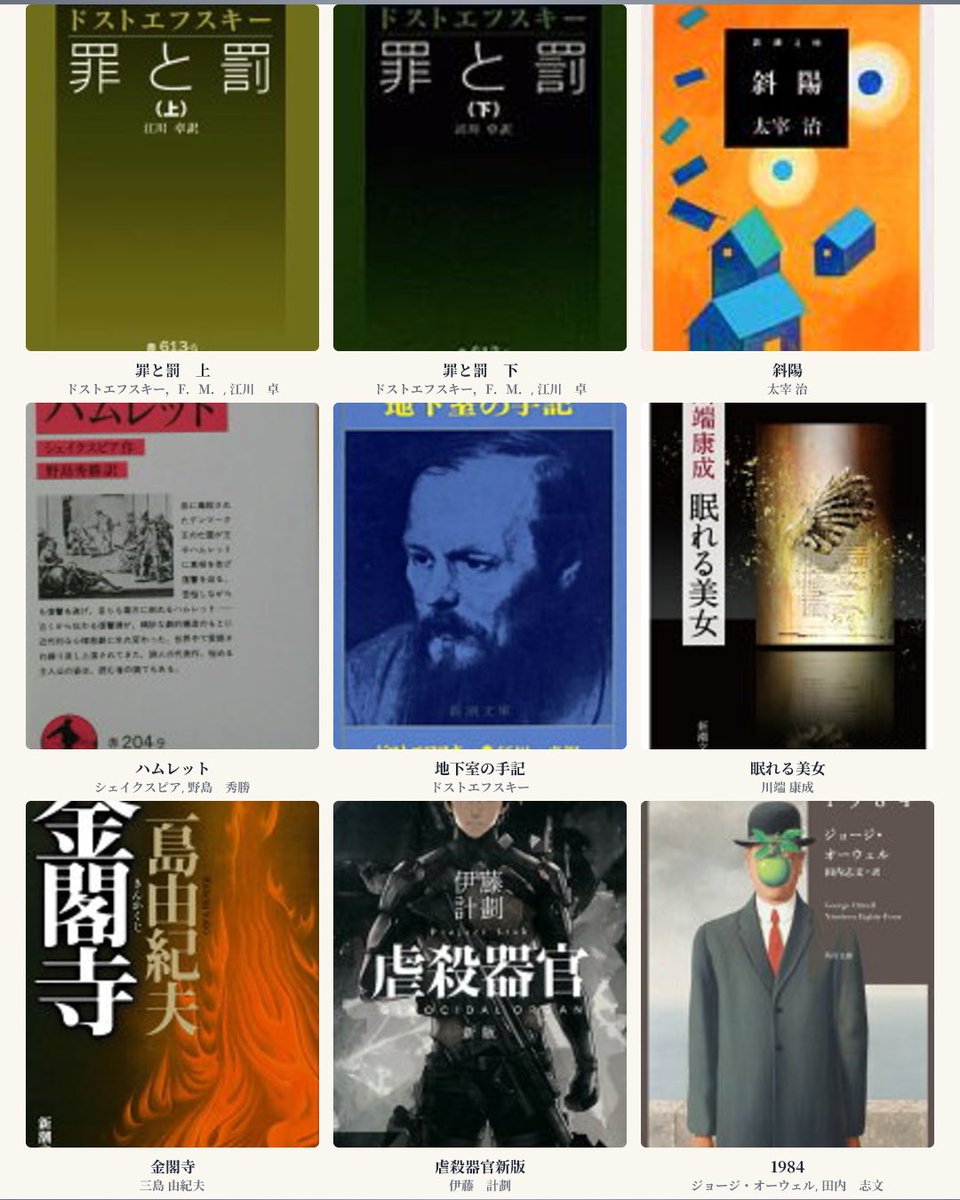
Mishima was the author of iconic works such as his fearless novel of sexual revelation, Confessions of a Mask (1949), and The Temple of the Golden Pavilion (1956), his contemplation of the overwhelming and sometimes destructive power of imagination. His tetralogy The Sea of Fertility (serialized 1965 - 71) which attempted to transcend time itself by tracing the seeming reincarnations of the same person over succeeding generations, is one of the most important and monumental literary achievements of modern Japan.
Kawabata meanwhile was the first Japanese winner of the Nobel Prize for Literature in 1968, famed for exquisite, precise novels such as Snow Country (1935-37), The Sound of the Mountain (1949-54) and The Master of Go (1951), all of which combine modern sensibilities with uniquely Japanese aesthetics. In contrast to the bulked-up ebullience of Mishima, he was a thiny, wiry figure often pictured in Japanese dress.
What is not very well known however is that Mishima was Kawabata's protege, who would later go on to be instrumental in the downfall of his mentor. (1/7)