Just hours after we proposed a living wage for Nigerian workers, the governors have reportedly responded with their own proposal of a ₦100,000 "minimum wage."
These wicked governors know very well that no worker can live decently on ₦100,000 per month in today's Nigeria. That amount can barely purchase a bag of rice, let alone cover housing, transportation, healthcare, education, utilities, and other basic necessities.
They understand the reality of the economic hardships workers face, yet they continue to impose poverty wages while living lavishly at public expense.
They are in panic mode; they fear that Nigerians may discover that a different path is possible, one where workers are paid real living wages, public resources are used for the benefit of the people, and prosperity is shared rather than hoarded by a privileged few.
A minimum wage should guarantee dignity, not perpetual suffering.
#Sowore2027 #LivingWage #WorkersRights #TakeItBack #RevolutionNow
Today exactly 103Days in detention.
And do not mix the truth with falsehood or conceal the truth while you know it." — Surah Al-Baqarah 2:42
Allah yasa muci Jarabawan. Amin Ya Hayyu Ya Qayyum 🙏🏾🙏🏾🙏🏾
NIGERIA BORROWED TO PAY SALARIES UNDER GOODLUCK JONATHAN DESPITE EARNING OVER $300 BILLION.
One of Nigeria’s biggest problems is that we forget too quickly and allow emotions and sentiments to override facts and accountability.
That short memory is exactly why many politicians behave recklessly without fear of consequences.
It is shocking to see some people calling for Goodluck Jonathan to return to power without honestly examining the economic realities of his administration and how they contributed to Nigeria’s present financial struggles.
During the oil boom years, Nigeria reportedly earned well over $300 billion from crude oil sales. Yet, despite this massive revenue, the country failed to build enough lasting infrastructure, strengthen its reserves, or prepare adequately for difficult economic times.
Instead, billions disappeared into wasteful spending, corruption scandals, and reckless luxury by people in power.
There were reports at the time of outrageous extravagance by public officials, while the country itself failed to make meaningful long-term investments that could protect the economy after the oil boom ended.
Then came the oil price crash.
In 2015, former Finance Minister Ngozi Okonjo-Iweala openly admitted that the Federal Government had to borrow money to fund recurrent expenditure, including salaries and overhead costs.
Her exact words were:
“Out of the 882 billion naira budgetary provision for borrowing, the government has borrowed 473 billion naira to meet up with recurrent expenditure, including salaries and overheads.”
This revelation came after global crude oil prices had fallen sharply, severely reducing government revenue.
But the major question Nigerians should still be asking today is this:
If Nigeria earned over $300 billion during the oil boom years, why did the government later resort to borrowing just to pay salaries?
Why was the country so financially unprepared despite years of enormous oil income?
Ngozi Okonjo-Iweala also stated at the time that many state governments worsened their own financial crises because they failed to save adequately during the years of high oil revenues.
This is why many Nigerians find it difficult to understand the growing political attempt to romanticize that era.
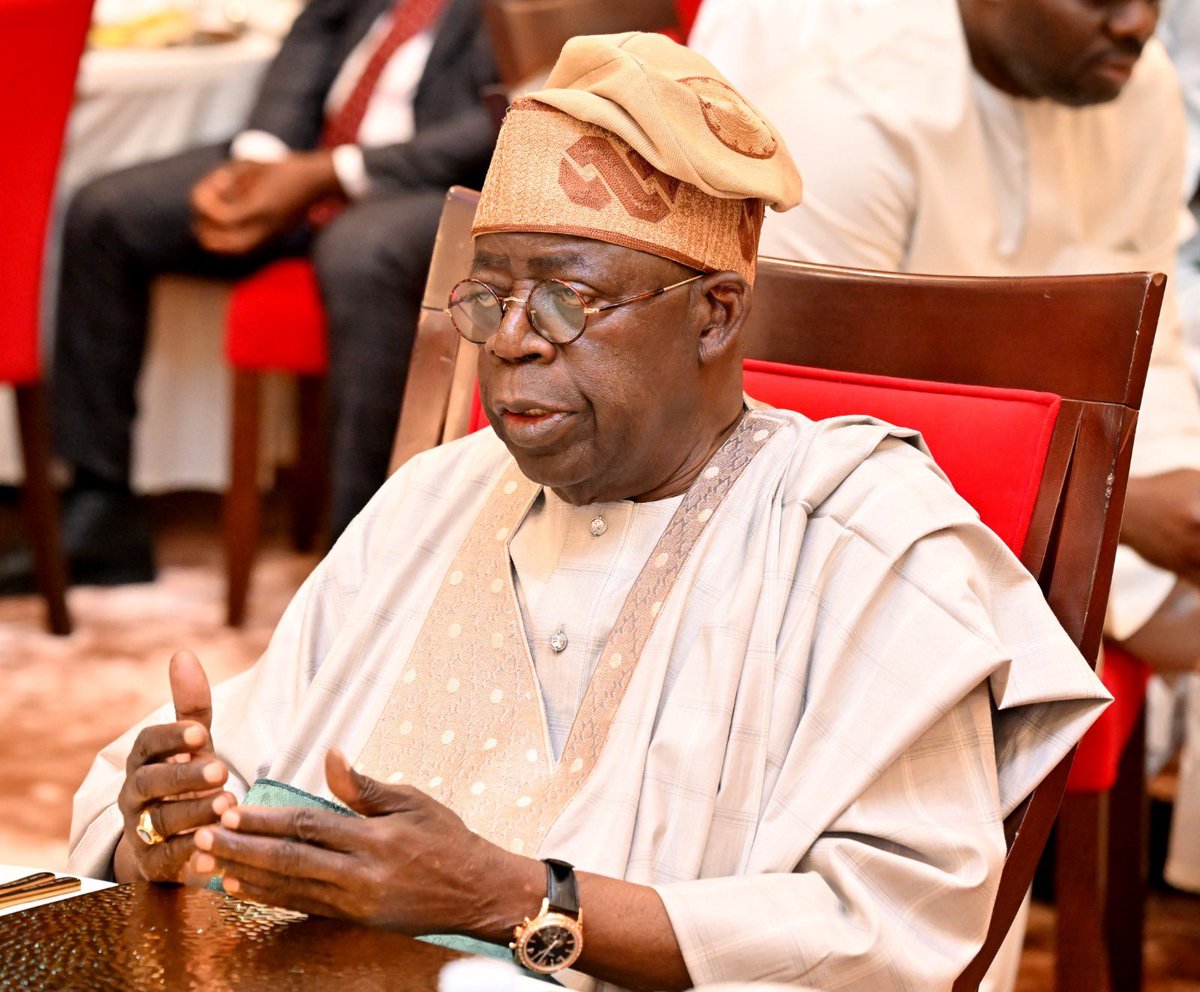
Supporters of Bola Ahmed Tinubu argue that under the current administration, states and local governments now receive improved allocations and are no longer borrowing massively just to pay salaries as was common in the past.
That is why the debate remains deeply divided.
For many people, this conversation is not about emotions, popularity, or political loyalty. It is about accountability, economic management, and whether leaders who failed to maximize one of Nigeria’s greatest oil booms deserve another opportunity to govern.
History should not be forgotten so easily..
God dey watch everybody.
Even history itself no dey forget.
Ugoji Maximilliam
The subsidy is gone. The suffering doubled. The savings disappeared. We are borrowing billions in the same breath we claim to be saving trillions. Someone needs to account for the mathematics of this government.
Now she may not trend because she is a Muslim girl who wears a hijab. #Repost/Share
This is Abdullahi Aisha Bara.
She delivered an outstanding performance in the 2026 UTME, scoring an impressive 326.
Breakdown:
ENG: 63 | PHY: 98 | BIO: 74 | CHE: 91
Aggregate: 326
Congratulations on this remarkable achievement.
Safiyyah, a hijab-wearing Muslimah and daughter of renowned Islamic scholar, Sheikh Ismael Busayri, has emerged as the Best Graduating Student of Faculty of Pharmaceutical Sciences at Usmanu Danfodiyo University.
* She bags over 20 awards, graduates with 4.91 CGPA
#UDUS#Hijab
The New World Order Controllers:
1. The United States of America
2. The Russian Federation
3. The People’s Republic of China
4. The Islamic Republic of Iran
The Islamic Republic of Iran is the only country in the history of the world that confronted the joint military operation by the U.S. and Israel against it and still succeeded.
African leaders need to recalibrate their foreign policy objectives.
I would like to express my profound appreciation to all those who have celebrated this great milestone with us in one way or another.
May the knowledge acquired continue to be useful to humanity, Ameen…🌹
The World Bank has removed its Nigeria Development Update report from its website after initially advising the Federal Government to sustain the importation of Premium Motor Spirit (PMS) to stabilise fuel supply.
The April 2026 report, released earlier this week, had recommended continued fuel imports alongside a gradual transition to a competitive downstream market.
However, checks by Nairametrics show that the report was no longer available on the bank’s website as of the time of filing this report.
Today, I paid a condolence visit to Mallam Nasir El-Rufai over the painful loss of his beloved mother.
I extended my heartfelt sympathies and prayed Almighty Allah grants her eternal rest in Aljannatul Firdaus, and gives the family the strength to bear this irreparable loss.
In this moment of grief, I stand in solidarity with Mallam El-Rufai and his family.
— Abubakar Malami, SAN
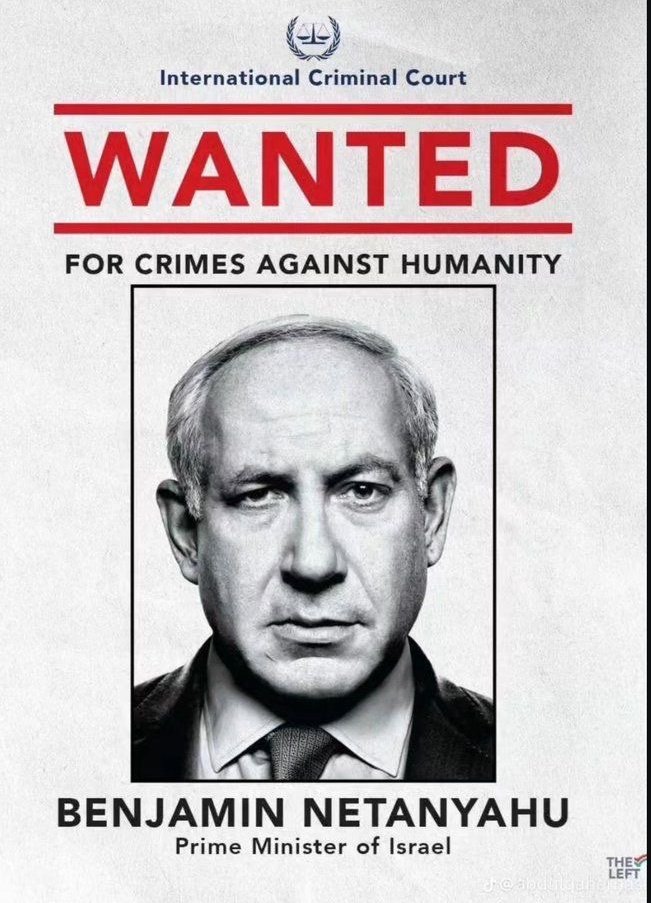
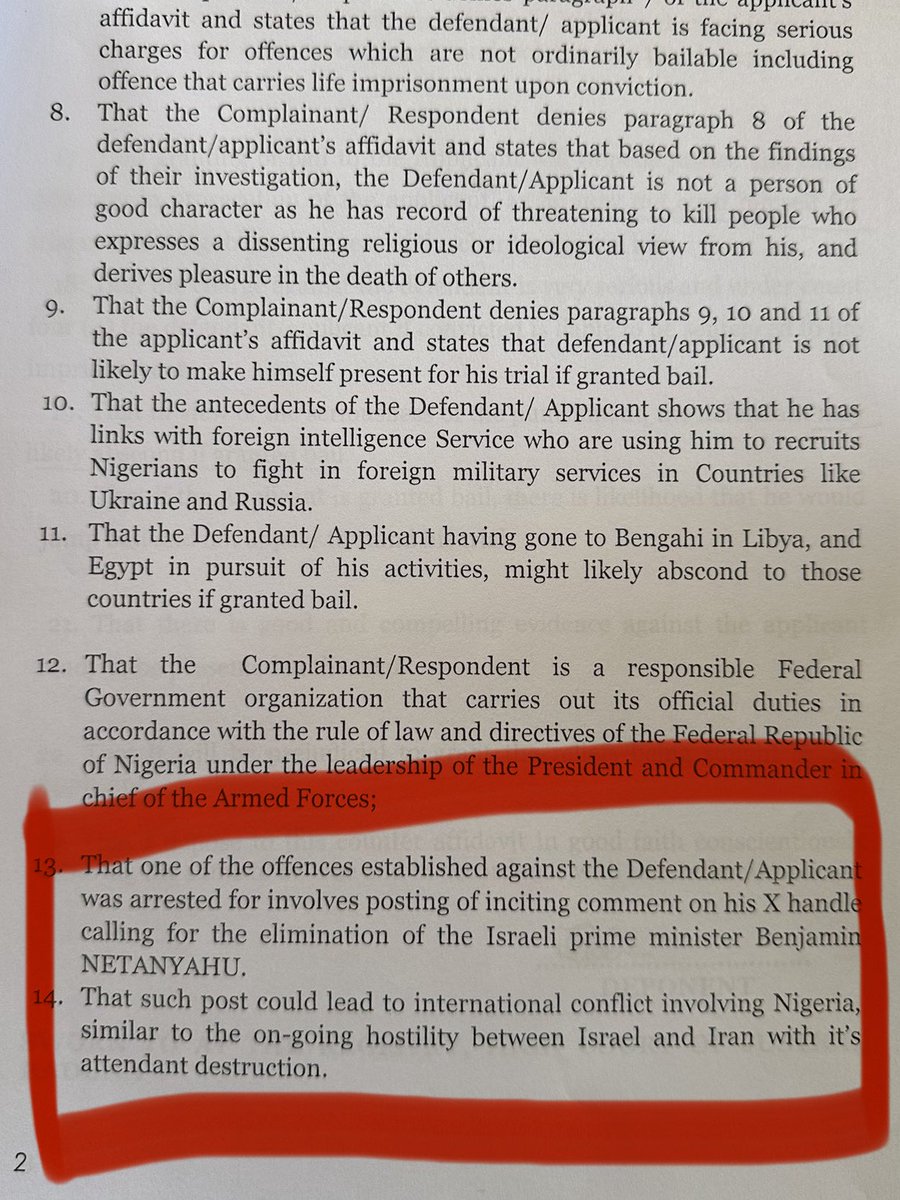
It is shocking that the lawless and incompetent @OfficialDSSNG would file a counter-motion in a Nigerian court claiming it is detaining a Nigerian citizen simply because he made an unsavory comment about Israel’s Prime Minister, Benjamin Netanyahu, a war criminal.
Even the state of Israel would not arrest, let alone detain, an Israeli citizen for making such a post. As I have long said, the DSS has gone, far beyond useless!
NIGERIA AT THE BRINK: CORRUPTION, IMPUNITY, AND THE FAILURE OF LEADERSHIP - By: Hon Abubakar MG - January 21, 2026 - Part 1
Nigeria, in my humble but deeply considered view, is drifting dangerously toward collapse under the weight of retrogressive, corrupt, and visionless leadership that has plagued the country since independence in 1960. I say this not with bitterness, but with a heavy sense of responsibility as a citizen who has watched the steady erosion of hope, institutions, and national purpose. Our history has been unfortunate in leadership choices, but it would be dishonest of me to pretend that leadership alone carries all the blame. The citizens, disunited and often compromised by ethnicity, religion, fear, or personal gain, have also failed to rise collectively against the common enemy of progress.
I am convinced that the real common enemy of the Nigerian people is not one ethnic group, not one religion, and not one region, but a ruling elite entrenched in corruption and protected by a culture of impunity. Over the decades, these rulers because I deliberately refuse to dignify many of them with the title of leaders, have demonstrated a consistent lack of respect for the interests, welfare, and wellbeing of the Nigerian people. Governance has been reduced to a private enterprise, while public office has become a tool for personal enrichment rather than public service.
In my observation, these rulers have systematically destroyed the foundational pillars required for meaningful development and sustainable economic growth. This destruction is even more tragic when viewed against the backdrop of the enormous natural resources with which God has blessed Nigeria. From fertile land to solid minerals, from oil and gas to human capital, Nigeria possesses all the ingredients of greatness. Yet, abundance has paradoxically become our curse because it has attracted predators rather than patriots into positions of power.
I often reflect on the uncomfortable comparison between Nigeria and the United Arab Emirates, particularly Dubai. From the early 1970s to date, Nigeria has earned more revenue from crude oil than the UAE. This is not speculation, it is a fact supported by historical data. Yet today, Dubai stands as a global hub for investment, tourism, innovation, and efficient governance. Nigeria, on the other hand, struggles to provide stable electricity, quality healthcare, or reliable security for its citizens. For me, the difference is simple and painful, leadership quality and national discipline.
What Nigeria has succeeded in nurturing over the years is not innovation or productivity, but banditry, political thuggery, and organized criminality often sponsored or tolerated by the political class. Democracy, in practice, has become detached from the will of the people. Elections are frequently reduced to rituals emptied of substance, where outcomes are negotiated by elites rather than determined by voters. As someone who lives in Nigeria, I do not rely on theory alone, I speak from lived experience and eyewitness accounts of systemic decay and institutional failure.
Take healthcare as a clear example. Many public hospitals in Nigeria still function as what was once described, quite accurately, as mere consulting clinics. Ironically, this description was made by Muhammadu Buhari in 1983. Yet decades later, and after Buhari himself spent eight years as President and Commander in Chief of the Armed Forces, the healthcare system remained largely unchanged. For me, this exposes a deeper problem, a ruling class that diagnoses problems accurately when out of power but lacks either the will or the integrity to solve them when entrusted with authority.