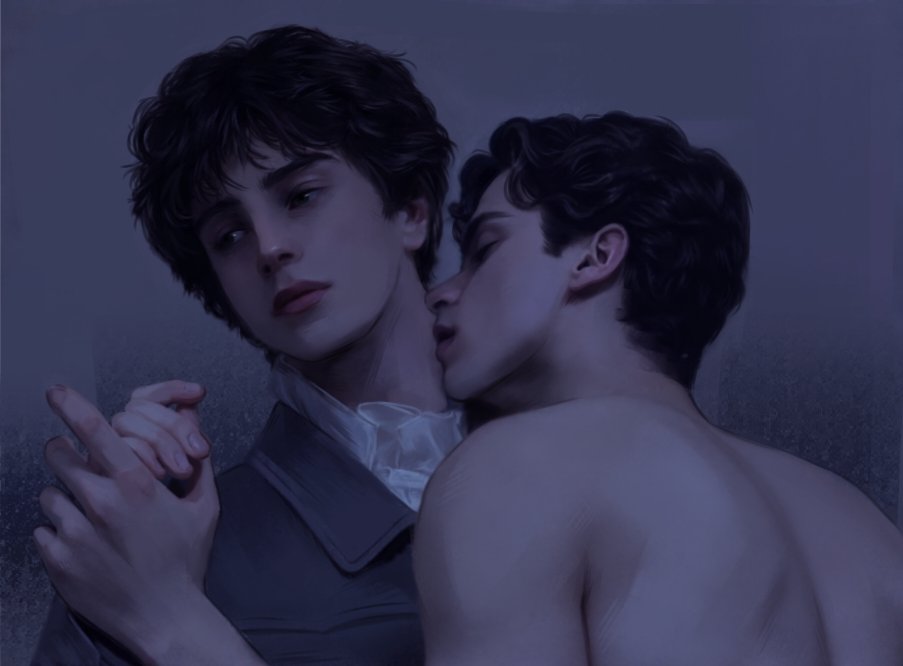
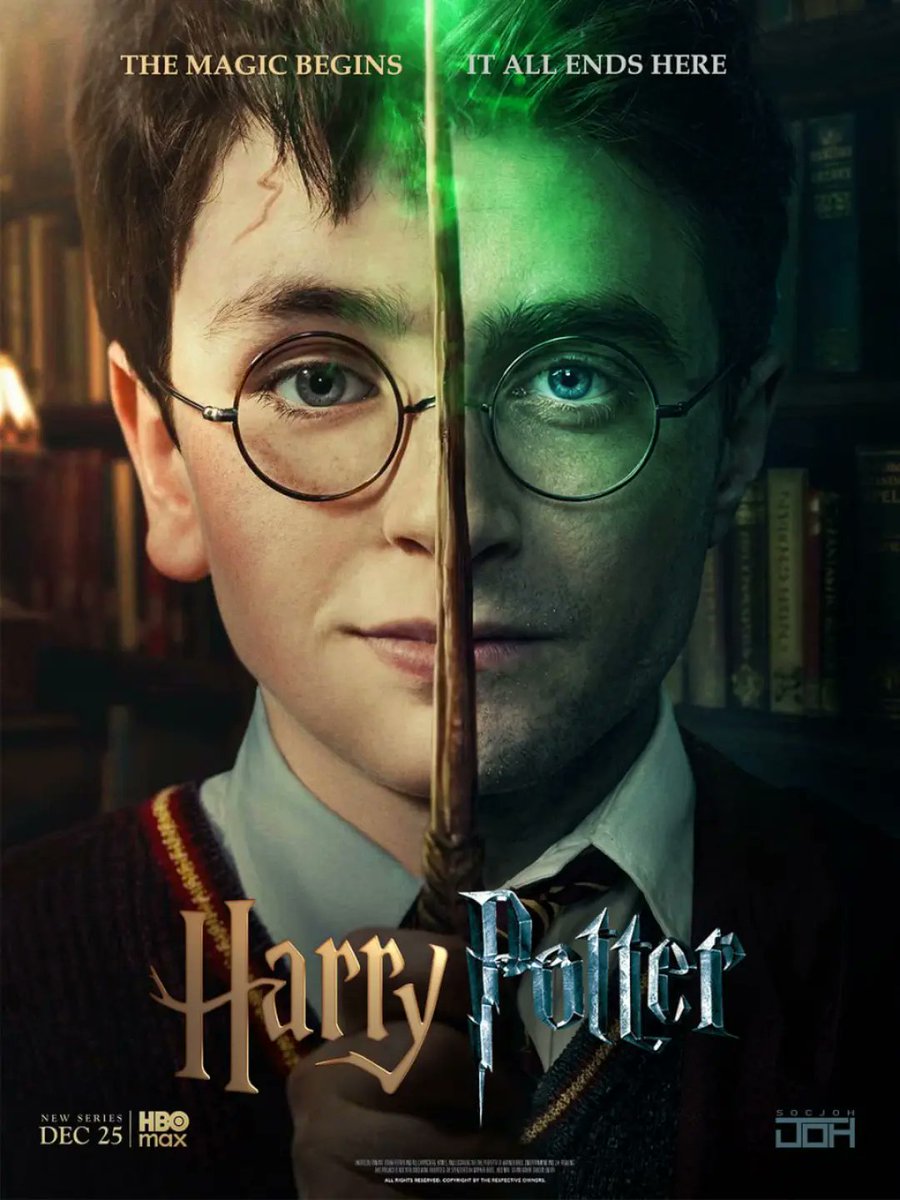
@lucilithfan Do you know someone made an image of Alastor and Red based on these images.
It's called: anh_drawings it's from Instagram, credits to her.
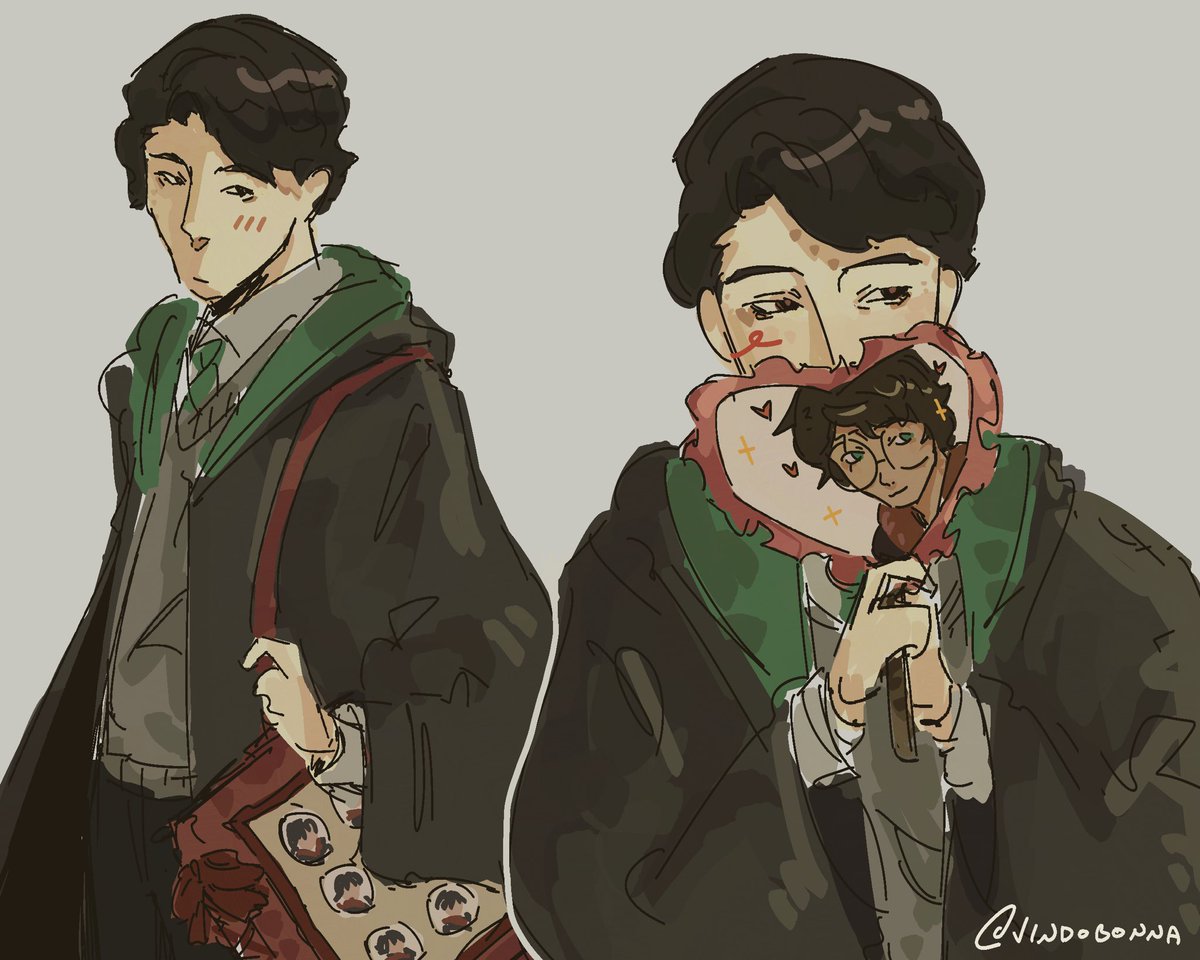
#tomarry James and Sirius had completely lost their minds lately, turning the Auror Office into a pocket-sized franchise for their personal vendettas. The moment some poor sod at school dared look at Harry with too much adoration or tried asking him out on a date, the
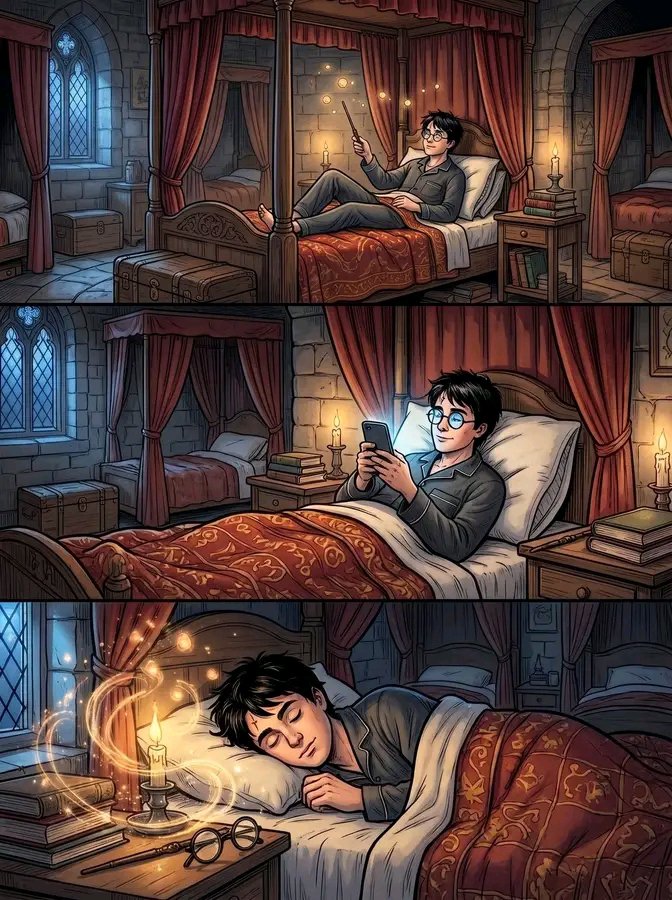
One of the lesser-known facts about Hogwarts is that Muggle electronic devices did not work properly inside the castle.
Although students could use extraordinary magical objects, devices such as phones, computers, and other electronic equipment would malfunction because of the enormous concentration of magic surrounding the school.
This particular detail is explained in the fourth book, when Harry suspects that Rita Skeeter might be using electronic devices to listen in on conversations. Hermione reminds him that Muggle electronics don't work at Hogwarts because there is too much magic in the atmosphere. She even mentions that this information can be found in Hogwarts: A History, one of her favourite books.
What's particularly interesting is that Hogwarts didn't need modern technology to perform many of the same functions. Wizards could communicate through owls, fireplaces connected to the Floo Network, and enchanted objects. Instead of using electricity to light their rooms, they relied on floating candles and other magical enchantments.
This detail showed that Hogwarts wasn't simply an ancient castle that rejected technology; it was a place where magic itself interfered with it. Although the films portrayed a world filled with extraordinary objects, they never explored this explanation in much detail.
So, even if a student had brought a computer or mobile phone to school, they wouldn't have been able to use it normally inside the castle.
Harry Potter fulfilled his dream of becoming an Auror after defeating Voldemort, even though he never completed his final year of studies at Hogwarts.
Ever since he was a teenager, he had shown an interest in the profession, which involved hunting dark wizards and protecting the wizarding community.
After the Battle of Hogwarts, the new Minister for Magic, Kingsley Shacklebolt, allowed Harry to join the Department of Magical Law Enforcement as an Auror straight away. His experience fighting Voldemort and numerous Death Eaters was considered sufficient to qualify him without completing the academic examinations normally required.
Harry began working alongside Ron Weasley, who also became an Auror after the war. Together, they helped capture former followers of Voldemort and transform a department that had suffered numerous problems while the Ministry was under Death Eater control. However, Ron eventually left the profession to work alongside George at Weasleys' Wizard Wheezes.
Perhaps the most remarkable part of Harry's career is that he eventually became Head of the Auror Office at just twenty-six years old. Unlike other wizards who sought recognition or power, Harry had chosen to dedicate his life to fighting the same threats that had shaped his childhood.
Even after defeating the Dark Lord, Harry continued protecting the wizarding world, this time as a member of the Ministry of Magic.