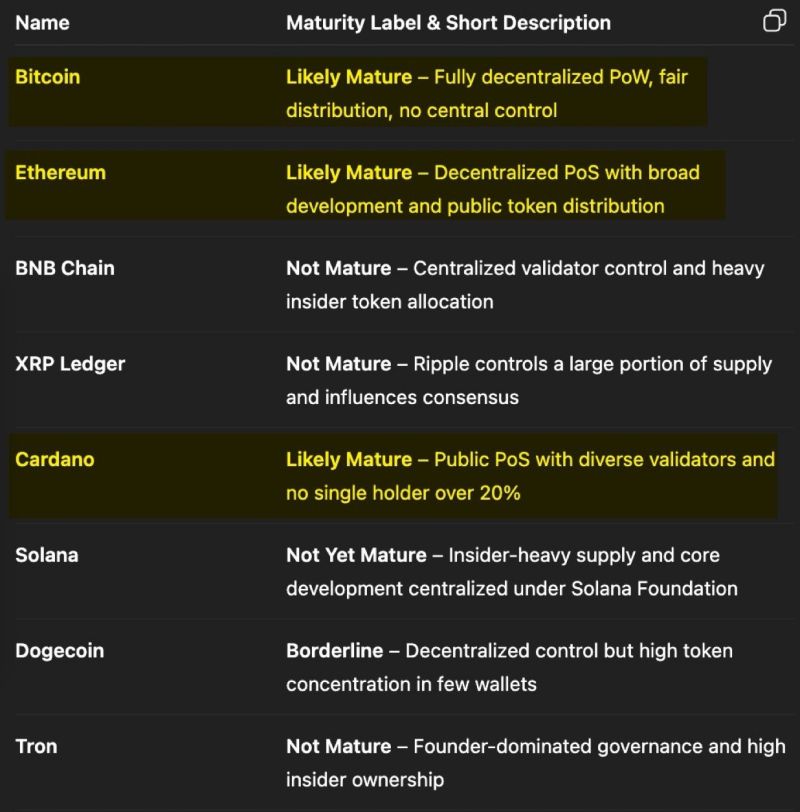
For nearly a decade, Cardano has been one of the largest, most reliable, and secure blockchains, with zero downtime since its launch in 2017.
Cardano runs on eUTXO, an extension of Bitcoin’s UTXO accounting model, with native programmability. Transactions execute in parallel. Multiple assets settle in a single transaction. Fees are known before you submit. Smart contract outcomes are deterministic at the protocol level. There are no failed transactions that eat fees. What you model is what executes.
Cardano also handles tokens differently. Native Assets inherit the same properties as ADA itself, secured directly at the ledger level. No ERC-20 style smart contracts sit between users and their tokens.
Given these architectural differences from EVM chains, a major limitation has always been connectivity: Cardano didn’t speak the same language as the rest of crypto.
Cardano, Chainlink and Stellar futures are now available to trade.
Expand your trading strategy with the capital efficiency and flexibility of these new contracts, available in both larger and micro sizes.
Start trading today. ➡️https://t.co/CMksnUfZpo
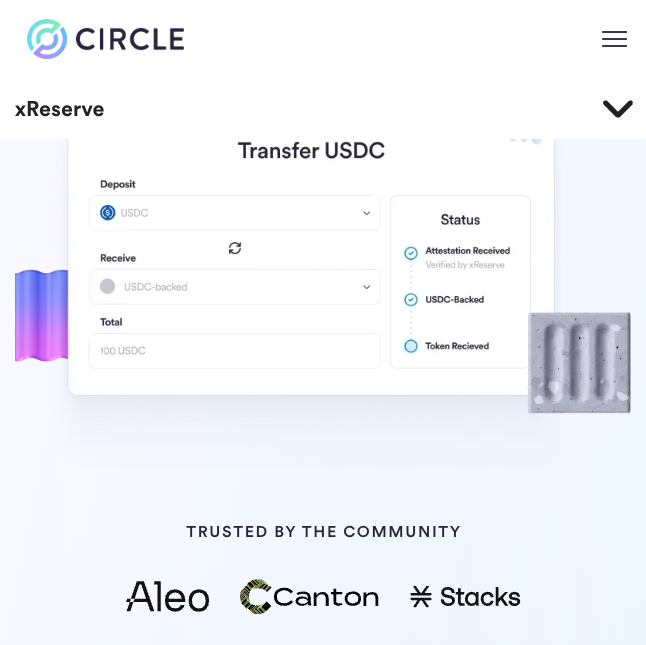
USDCx is a relatively new product in the Circle ecosystem.
It's basically the USDC for non-EVM blockchains.
So far Stacks, Aleo and Canton implemented it just last month.
The next blockchain to implement it will be Cardano $ADA.
Las revueltas siempre vuelven. Da igual el país, la cultura o el motivo concreto. La gente aguanta, aguanta y aguanta… hasta que un día deja de hacerlo. A veces es el precio de la comida, otras la corrupción, una ley absurda o, simplemente, la sensación persistente de que trabajas más y vales menos cada año. No es nada nuevo. Es una constante histórica.
Lo realmente curioso no es que haya protestas. Lo curioso es contra qué se protesta.
Se señala a políticos, a gobiernos, a presidentes, a partidos. Se grita, se marcha, se vota a “los otros” esperando que esta vez sí funcione. Y casi nunca funciona. Cambian las caras y los discursos, pero el fondo sigue intacto. La máquina sigue rodando como siempre. Porque el poder real rara vez está donde se cree. Está en algo mucho más cotidiano y por eso mucho más eficaz: el dinero.
Quien controla la moneda controla el tiempo de la gente. Decide cuánto vale tu trabajo hoy y cuánto valdrá mañana. Decide si ahorrar tiene sentido o si es una bomba de relojería que te estallará en la cara. Ese es el corazón del sistema, y casi nadie lo señala como el origen real de muchos de los problemas que se denuncian en la calle.
Mientras la mayoría de revueltas buscan que el poder actúe mejor, #Bitcoin hace algo mucho más peligroso para ellos: permite dejar de alimentarlo. No hay que tomar el parlamento, basta con apartar tu riqueza de su alcance. No hay que quemar bancos, basta con que dejen de ser necesarios. Y eso es infinitamente más subversivo que cualquier consigna.
La ironía es evidente. Mucha gente protesta porque su vida es cada vez más cara, pero sigue ahorrando en una moneda diseñada para perder valor. Se queja de que no llega a fin de mes, pero acepta como normal un sistema donde unos pocos crean dinero de la nada mientras el resto intercambia años de vida por billetes que valen menos cada año.
Se habla mucho de abuso de poder, pero se ignora el más constante y dañino de todos. #Bitcoin no es una pancarta. Es una forma de decir “no” sin gritar. Una manera de sacar tu tiempo, tu esfuerzo y tu futuro del circuito que los drena, de su puto alcance. No hace falta entenderlo todo ni volverse un especialista tecnológico. Basta con comprender lo básico: que el control del dinero es el control de la sociedad.
Ahí está el fallo colectivo. No se ha entendido Bitcoin como una herramienta de protesta. Como una renuncia práctica a lo que realmente da poder a estados y bancos centrales: decidir qué vale tu trabajo y cuándo deja de valerlo. Se protesta contra los síntomas mientras se sigue sin identificar la enfermedad real.
No hace falta llegar a Cuba, Irán, China o Venezuela para darse cuenta. A veces basta con optar por la salida antes de que sea tarde y te pille con una pancarta en la mano… o con un porrazo de un policía.
¡Sorteamos 5 pares de entradas para @labitconf 2025! 🟠
No pierdas tu chance de asistir al evento más grande del ecosistema cripto, lleno de actividades y speakers de primer nivel 💪
Cada ganador se llevá 2 entradas para asistir al evento con quien quiera el próximo 07 y 08 de noviembre en Costa Salguero 👌
Para participar 👇
1️⃣ Seguinos (@fiwind_io).
2️⃣ Retuiteá éste post.
3️⃣ Etiquetá a esa persona con la que te gustaría ir.
Sorteamos el próximo miércoles 05/11/25, luego nos pondremos en contacto con los ganadores para coordinar la entrega de las entradas 🙌
Estamos en el 2025.
NO usar billeteras de papel, ni Linux Tails, ni pendrive memoria USB. Y si se te ocurre usarlos, NO los iguales 🟰 a una hardware Wallet de código abierto. 👇🏽
Just a few minutes ago, President Trump signed an Executive Order to establish a Strategic Bitcoin Reserve.
The Reserve will be capitalized with Bitcoin owned by the federal government that was forfeited as part of criminal or civil asset forfeiture proceedings. This means it will not cost taxpayers a dime.
It is estimated that the U.S. government owns about 200,000 bitcoin; however, there has never been a complete audit. The E.O. directs a full accounting of the federal government’s digital asset holdings.
The U.S. will not sell any bitcoin deposited into the Reserve. It will be kept as a store of value. The Reserve is like a digital Fort Knox for the cryptocurrency often called “digital gold.”
Premature sales of bitcoin have already cost U.S. taxpayers over $17 billion in lost value. Now the federal government will have a strategy to maximize the value of its holdings.
The Secretaries of Treasury and Commerce are authorized to develop budget-neutral strategies for acquiring additional bitcoin, provided that those strategies have no incremental costs on American taxpayers.
IN ADDITION, the Executive Order establishes a U.S. Digital Asset Stockpile, consisting of digital assets other than bitcoin forfeited in criminal or civil proceedings.
The government will not acquire additional assets for the Stockpile beyond those obtained through forfeiture proceedings.
The purpose of the Stockpile is responsible stewardship of the government’s digital assets under the Treasury Department.
PROMISES MADE, PROMISES KEPT
President Trump promised to create a Strategic Bitcoin Reserve and Digital Asset Stockpile. Those promises have been kept.
This Executive Order underscores President Trump’s commitment to making the U.S. the “crypto capital of the world.”
I want to thank the President for his leadership and vision in supporting this cutting-edge technology and for his rapid execution in supporting the digital asset industry. His administration is truly moving at “tech speed.”
I also want to thank the President’s Working Group on Digital Asset Markets — especially Treasury Secretary Scott Bessent and Commerce Secretary Howard Lutnick — for their help and support in getting this done. Finally Bo Hines played a critical role as Executive Director of our Working Group.