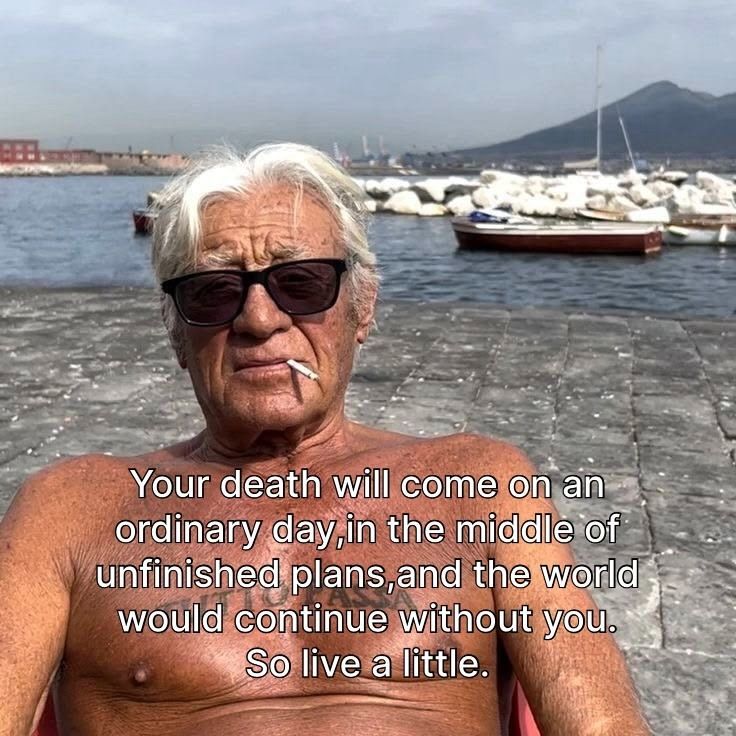
True story. My dad smoked most of his life. For most of the years I was around he drank probably a quart of whiskey a week. He had a number of other vices as well. But he did hard physical labor so at least he got exercise. He died at 91. Three weeks before he died he was still fast walking 4 miles a day. But he had a gall bladder operation, got a staff infection, and never recovered.
The lesson I take from this - drink if you want, smoke if you want, but stay the hell away from doctors.
🤣🤣🤣
Un professore di economia di una scuola superiore aveva dichiarato che nessuno degli studenti del suo corso era mai stato bocciato, ma si è recentemente ritrovato a far bocciare un'intera classe.
Tutta la classe aveva insistito nel dire che il socialismo funziona e che, di conseguenza, nessuno sarebbe stato né povero né ricco. Un mezzo egualitario eccezionale.
Allora il profesoore annunciò: "OK, faremo allora un piccolo esperimento di classe. Al prossimo compito in classe, farò la media di tutti i vostri voti e ve lo assegnerò. Avrete tutti lo stesso voto, nessuno riceverà un'insufficienza né prenderà un dieci".
Dopo il primo scritto fu fatta la media dei voti e tutti ottennero un 7. Quelli che avevano studiato molto erano delusi, quelli che avevano studiato poco erano contenti.
Nel secondo compito in classe, quelli che avevano studiato poco studiarono meno e quelli che avevano studiato tanto decisero di seguire la strada dei loro compagni furbetti studiando poco. La media del secondo esame fu un 4. Nessuno era contento.
Al terzo compito in classe, la media fu 2. Nel corso dei successivi esami i voti non migliorarono mai. Cominciò a crescere il nervosismo e gli scambi di accuse, gli insulti colorivano le conversazioni e tutti vissero male quella situazione. Nessuno volle studiare a beneficio degli altri. A grande sorpresa di tuta l'intera classe fu bocciata.
Fu allora che il professore affermò che il socialismo era il viatico del fallimento, poiché quando la ricompensa è grande, l'impegno nel riuscire è altrettanto grande. Ma quando lo Stato elimina ogni possibilità di premio, nessuno offrirà il proprio impegno né vorrà ottenere successo. Non potrebbe essere più semplice.
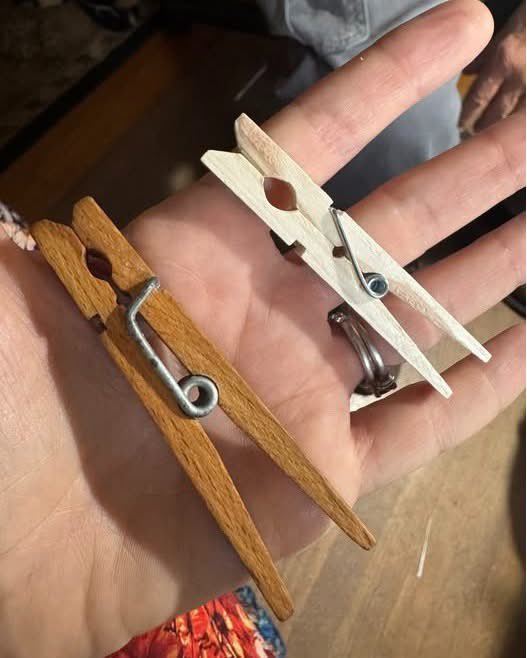
My dad handed me two clothespins. “This,” he said, “is the story of everything.”
In one hand: a clothespin from the 1960s. Solid hardwood, smooth from decades of use. It still works perfectly, some 60 years later.
In the other: a clothespin from 2025. Lighter, paler wood, brittle. The spring is thin and unstable. Marketed as “extra durable,” my dad just raised an eyebrow.
At first glance, it’s just two clothespins. But they tell a bigger story — the shift from durability to disposability, from craftsmanship to cost-cutting, from stewardship to constant consumption. This is planned obsolescence in action.
Products are designed to fail so we must keep buying. Slowly, subtly, they break. Frayed wires, cracked hinges, brittle springs. Not because we want more, but because the old was never built to last.
The costs are everywhere. Landfills overflow. Wallets empty. And maybe most quietly, our spirits grow accustomed to impermanence, to the idea that nothing is meant to endure.
What if this philosophy extends beyond objects? What if it shapes how we treat relationships, communities, homes, even the Earth — as temporary, replaceable, disposable?
It doesn’t have to be this way. That 1960s clothespin reminds us another path is possible. That we once made things to last, and we can again. That quality, care, and intention matter. That we can design for repair, for continuity, for meaning.
The story in my palm is about more than laundry. It’s about the choices we make and the world they create.
MMA trainer Gholamreza Khani Shekarab was executed this morning, less than 24 hours after his sentence was read.
He was given zero fair trial. The islamic regime simply tortured him into giving a false confession, and then hanged him.
Stop negotiating with these barbarians.
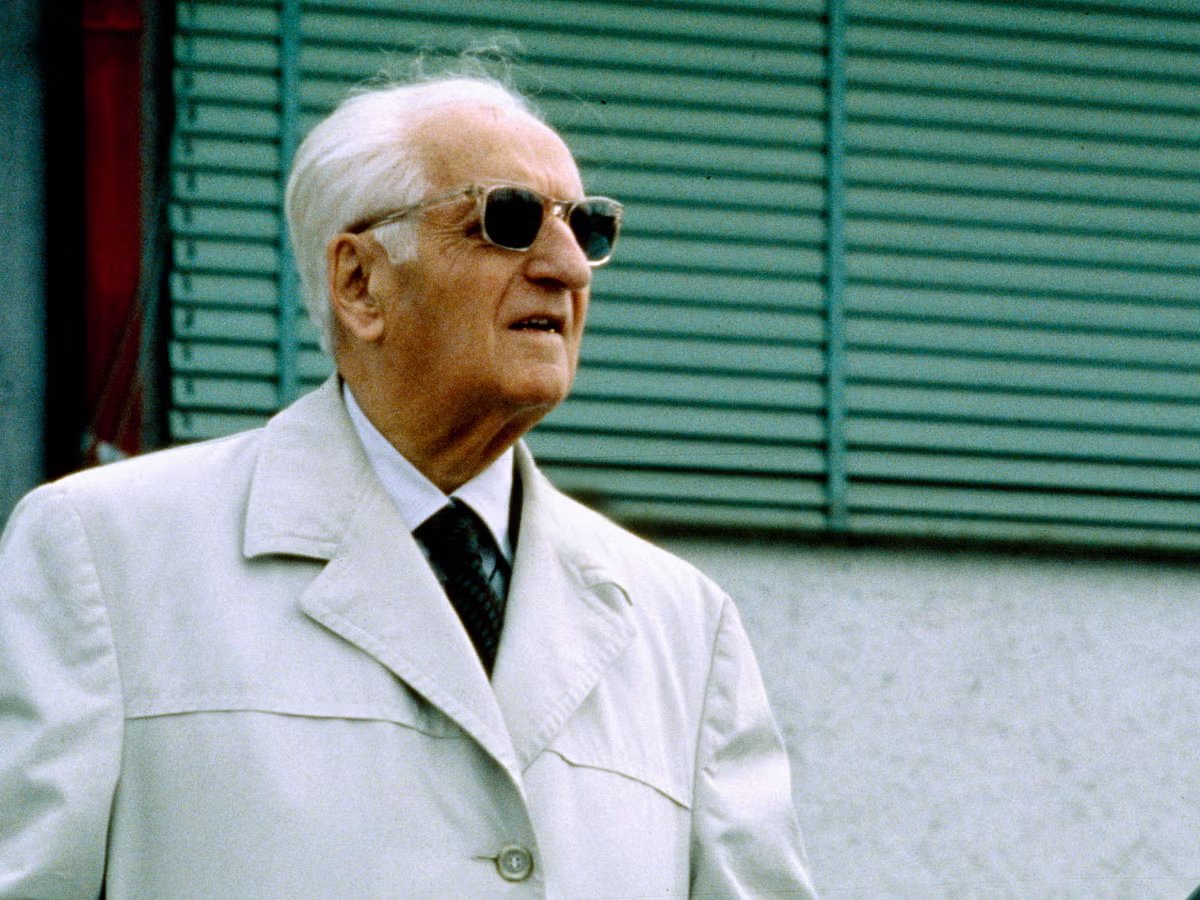
Enzo Ferrari refused to build a four-door car his entire life.
He called the rear seats of any GT 'seats for the dog.'
Every Ferrari he approved pointed one direction: forward, low, loud.
The Luce has five seats, 4 doors, and was designed by the man who made the iPhone.
Enzo is rolling in his grave.