My first radio interview! 🎙️ Episode 64: Ocean Biogeochemistry 🌎 An absolute pleasure to speak with Nina Morgan at WRFM's Science On The Radio about my DPhil research 🌊🦠 Link below to listen (/read) 👇
https://t.co/RGv9Tb2CQg
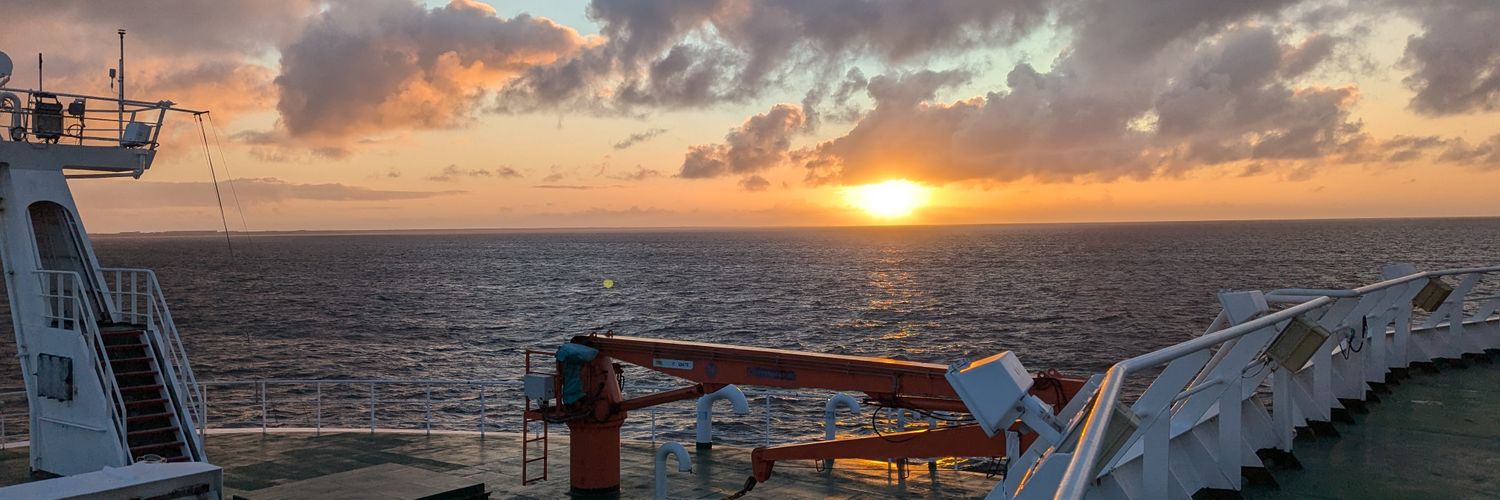
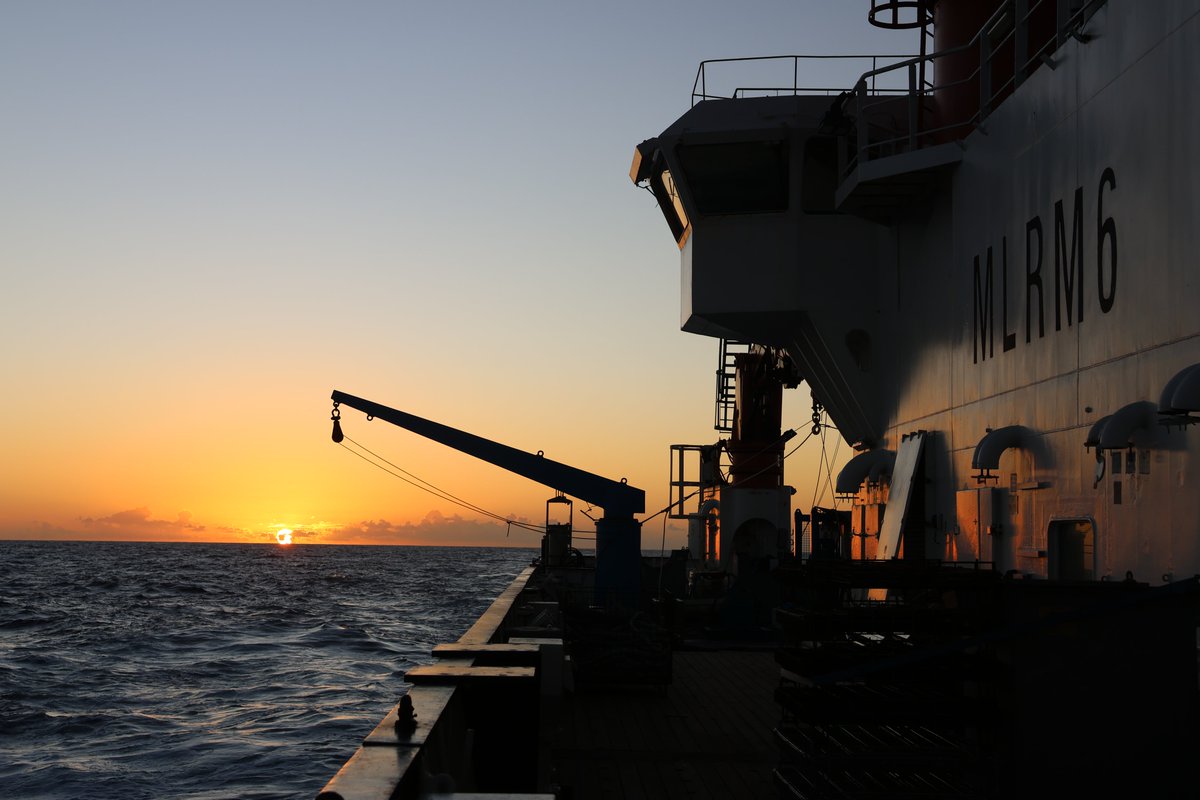
5000L of seawater, 4000 nautical miles, 47 days at sea, 35 experiments, 21 scientists investigating the role of marine plankton in the global carbon cycle 🌎 Read more: https://t.co/eGDRclgRYb
@challengersoc#marinebiology#oceanography#climatechange#plankton
If anyone is in need of some light twixmas watching - another piece out in @newscientist from my time on @biocarbon_nerc JC269 🌊
Diving into the world of zooplankton and their role in carbon storage with the team from @UniofExeter @ExeterMarine
https://t.co/bXqcwBf9jA
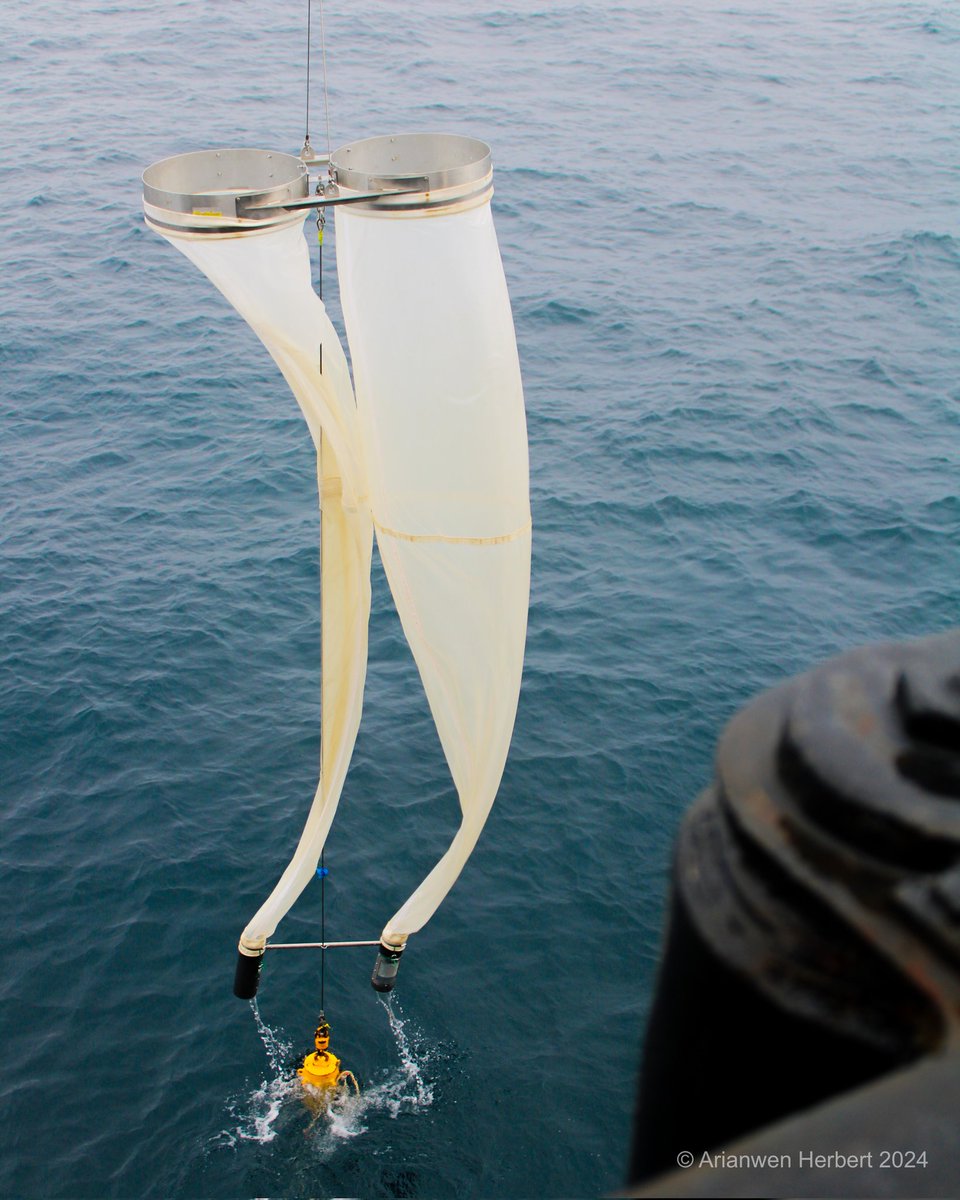
'Bongos at midday and midnight' - not, it turns out, a strange oceanographic ritual 🪘 these nets descend hundreds of metres into the ocean and dredge up zooplanktonic delights 🦐 to help us understand their importance in the global carbon cycle 🌎 #JC269 @biocarbon_nerc
@CyanoNey @CampionSchool@JED_Science Awesome stuff. I don't think I'd even heard of bacteriophage before I left school! I wish I'd had an opportunity like this at that age. Inspiring the next generation, one plaque assay at a time 🦠🧫
A bleary-eyed 5am good luck to the final deployment of #JC269 🤩 Autonomy is a big focus of @biocarbon_nerc, with floats and gliders allowing for longer time series' than expeditions alone ⛵️ Looking forward to the data this one will send home! @flav_petit@NOCnews@LovLabo
An absolutely breathtaking royal escort for the RRS James Cook on expedition #JC269 today🐬 Without a doubt one of the most stunning things I have ever witnessed. Feeling grateful to be an oceanographer today 🌊 @biocarbon_nerc #dolphins#marinebiology
The RRS James Cook, currently in the Atlantic on the NERC BIO-Carbon initiative #jc269. Credit to crew member Marshall MacKinnon for this amazing drone footage
Follow our journey at https://t.co/r6XkHAtt0Q
More on the NERC BIO-Carbon project https://t.co/nsiLr4dGaR
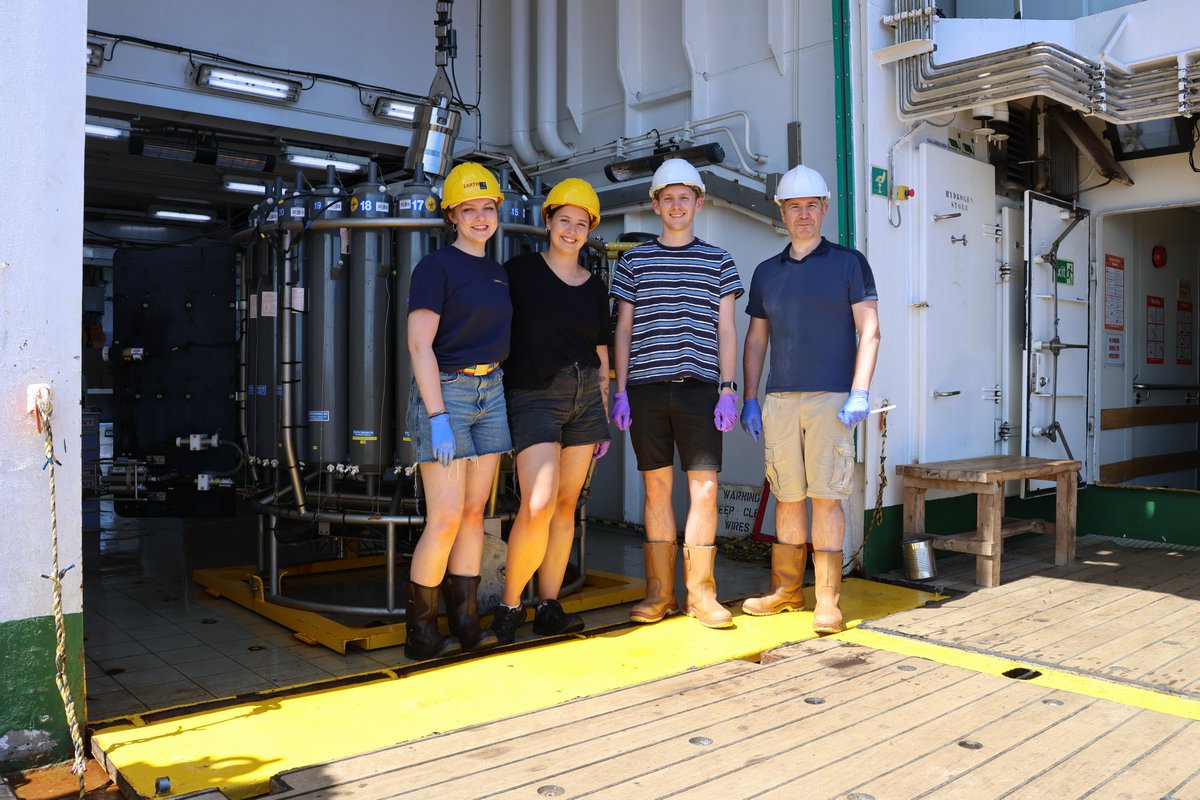
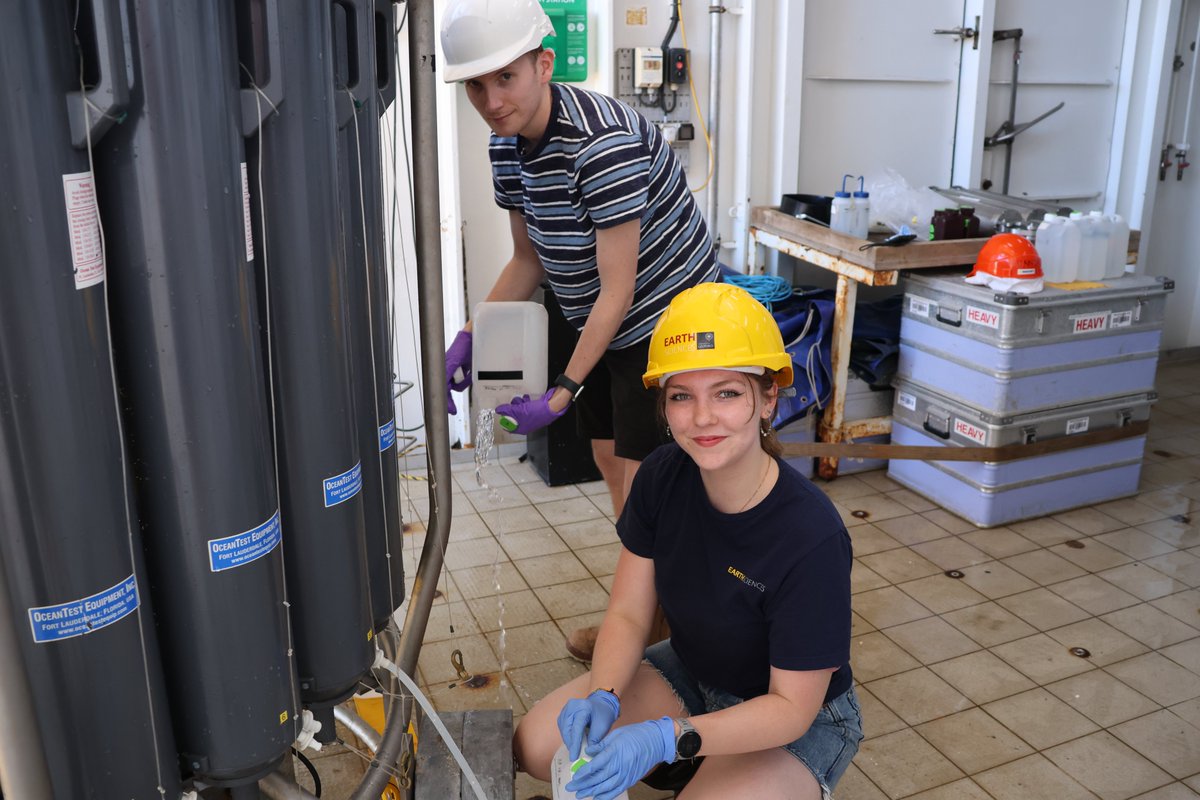
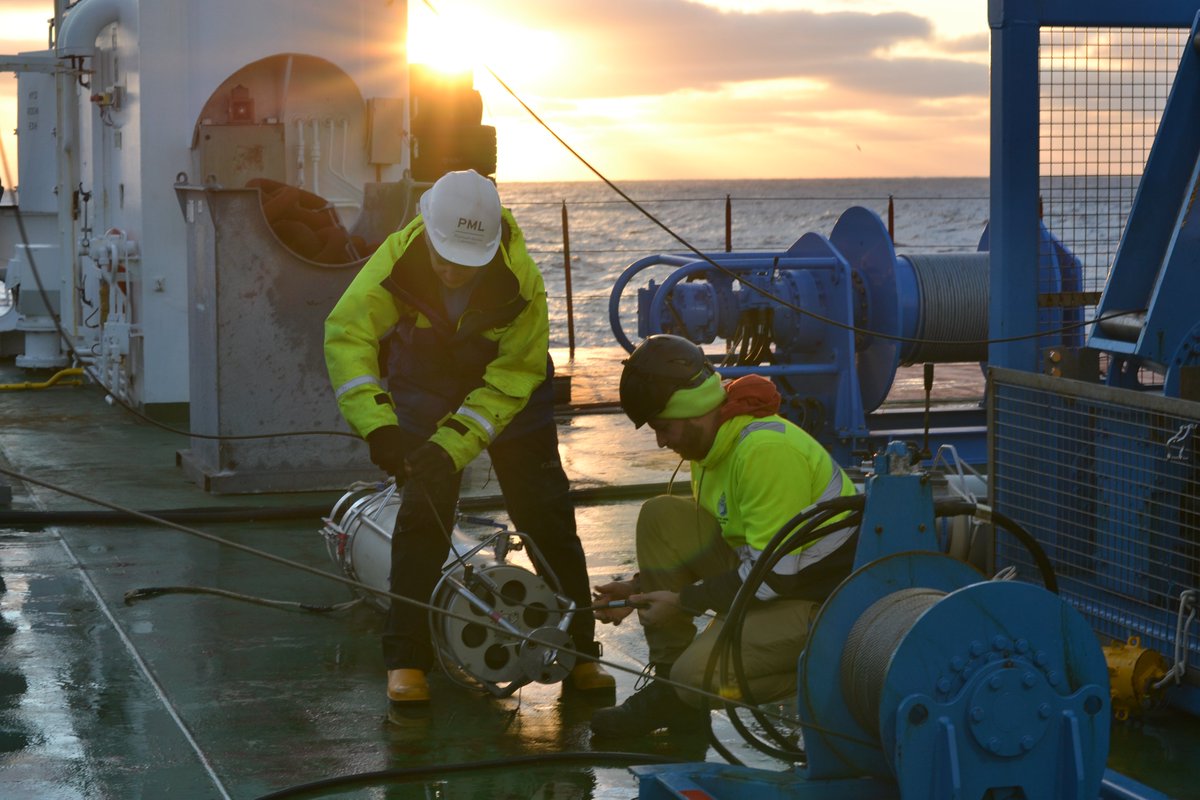
CTD deployment: a story in four parts. On #JC269 we deploy 2 CTDs on station days. They contain sensors which transmit real-time data as they descend a km below the surface, and bring back water samples for analysis of biological matter and abiotic factors 🌊🦠🔬 @biocarbon_nerc
PML marine biologist Dr @SaskiaRuehl is in the North Atlantic as part of the @biocarbon_nerc #JC269 expedition. She's studying "marine snow" (made up of organic detritus) and its role in the #carbon cycle. Thanks to @arianwenherbert for the action shots #marinebiology#expedition
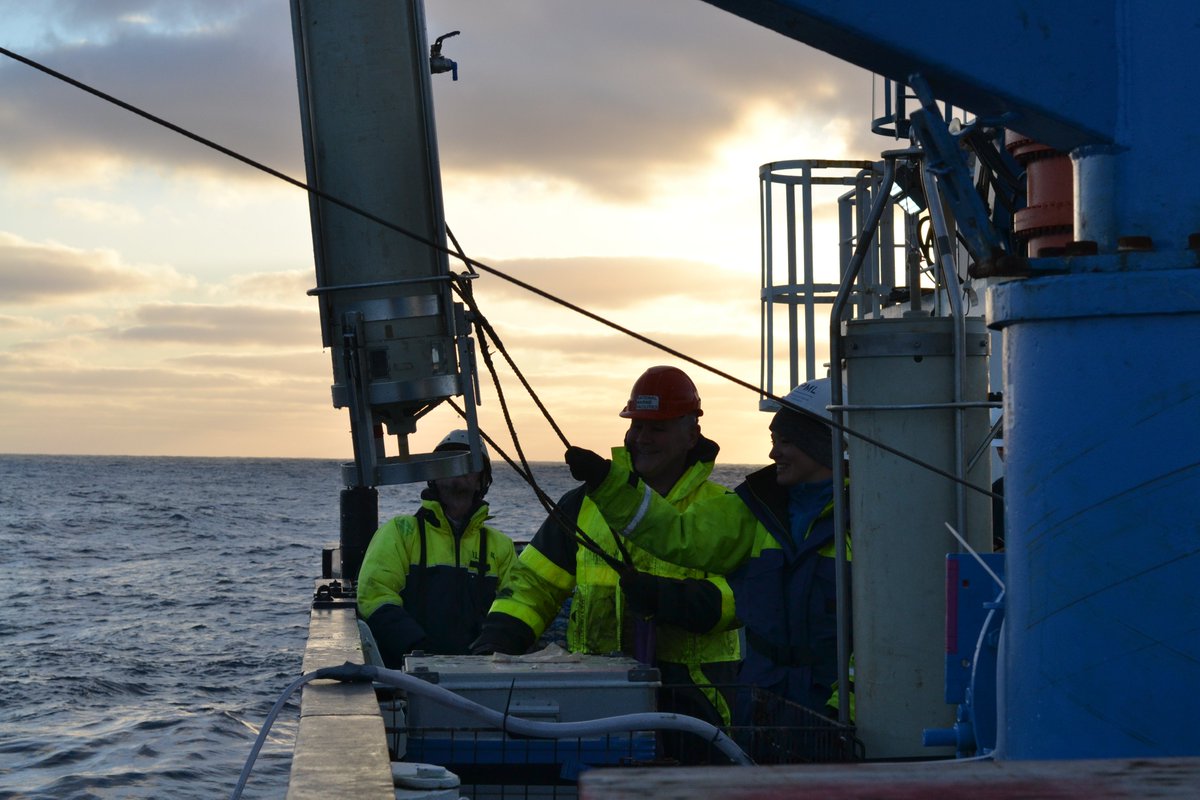
Nothing like a sunrise Marine Snow Catcher deployment to start the day 🌞 the MSC descends 400m into the ocean and collects samples of marine snow (ie particulate matter), allowing us to study the distribution of particles throughout the water column 🌊 @biocarbon_nerc #JC269
The most joyful day exploring a new side of science communication with the demo team at @Ri_Science
If my younger self could see me now, in my pink lab coat, on the other side of the table 👩🔬🩷
#sciencecommunication#pinkisprofessional
Had a fantastic time (as you can tell!) @SWMaritime doing my Personal Survival Techniques sea survival training today 🌊
Cannot wait to get out on the ocean ... we're on the countdown now 🛥️
https://t.co/L4euQaGp3n
Chairing this panel later today at Jesus College, come along to hear some fantastic panelists speaking on the intersection of science and policy in making decisions about the climate and our environment 🌎 @OxfordEnvRes@Ox_DTP
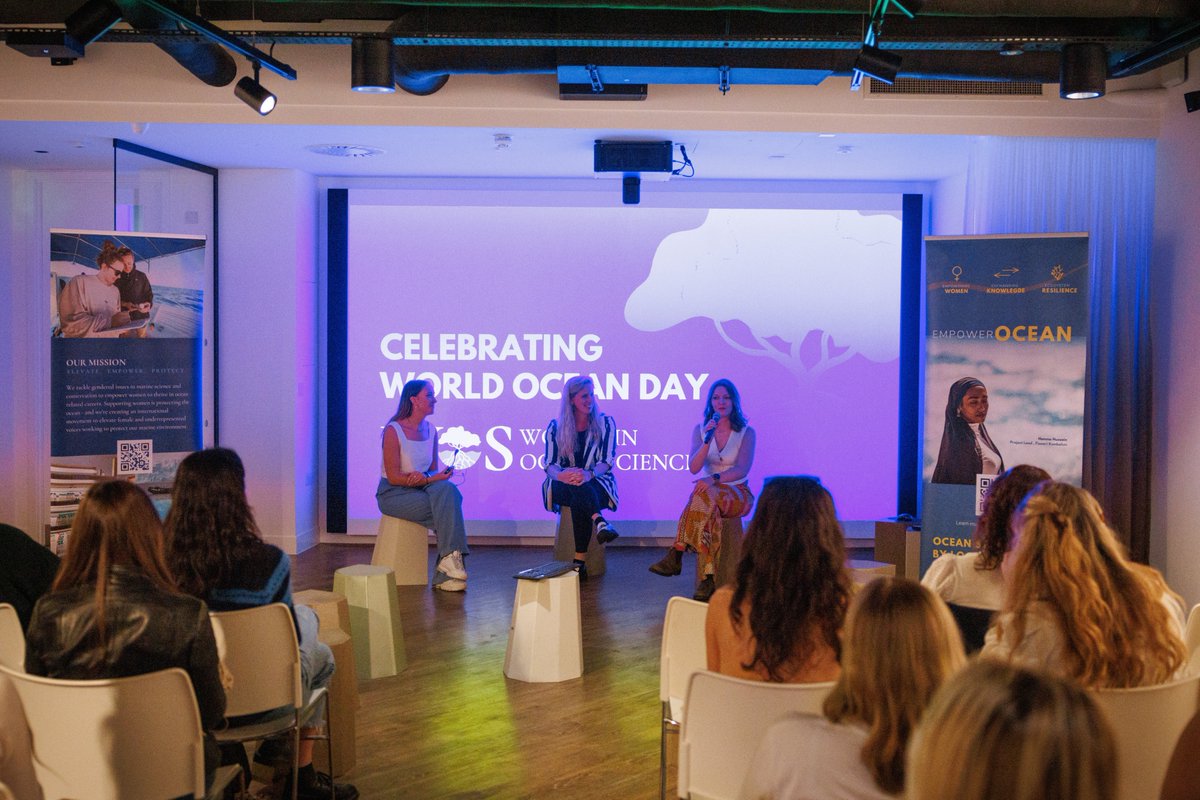
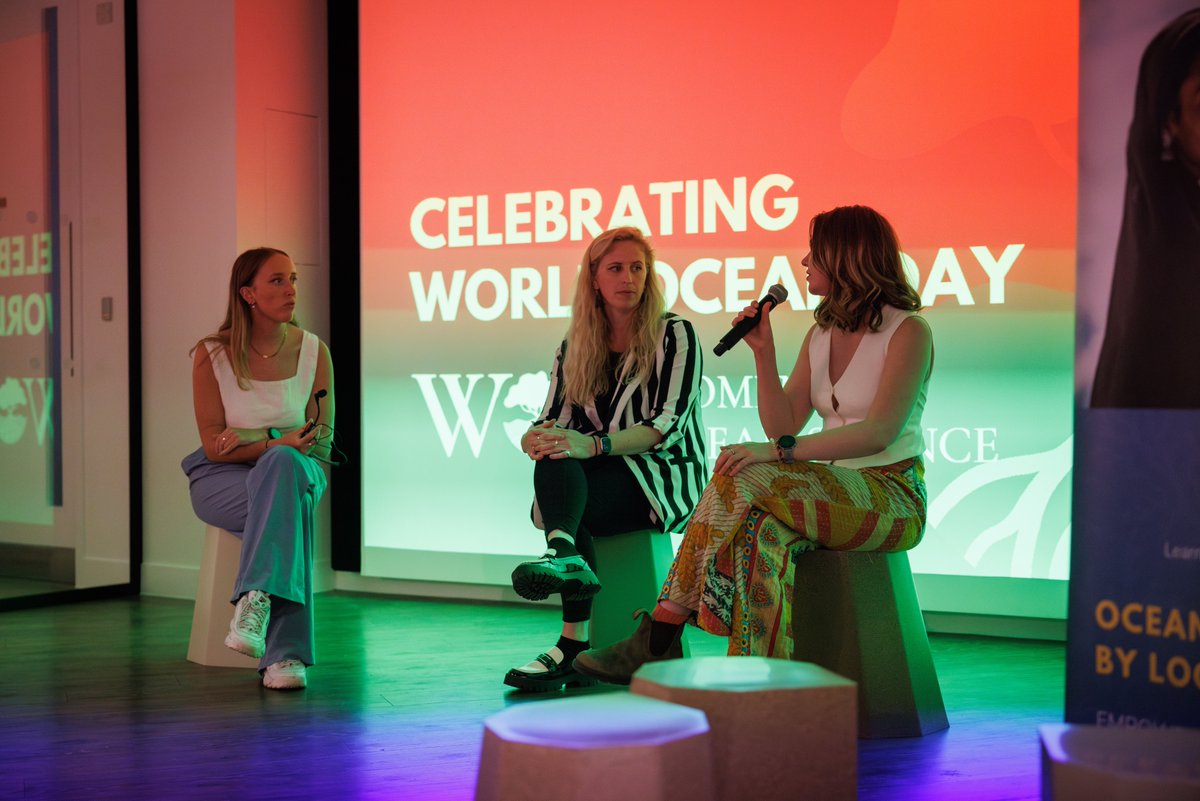
Thank you @mads_ocean for organising and giving me the opportunity to be a part of something so special. And to Chess @LoveTheOceans for being a fantastic co-panelist and long time inspiration. Here's to all the incredible women I met this weekend; until the next time!
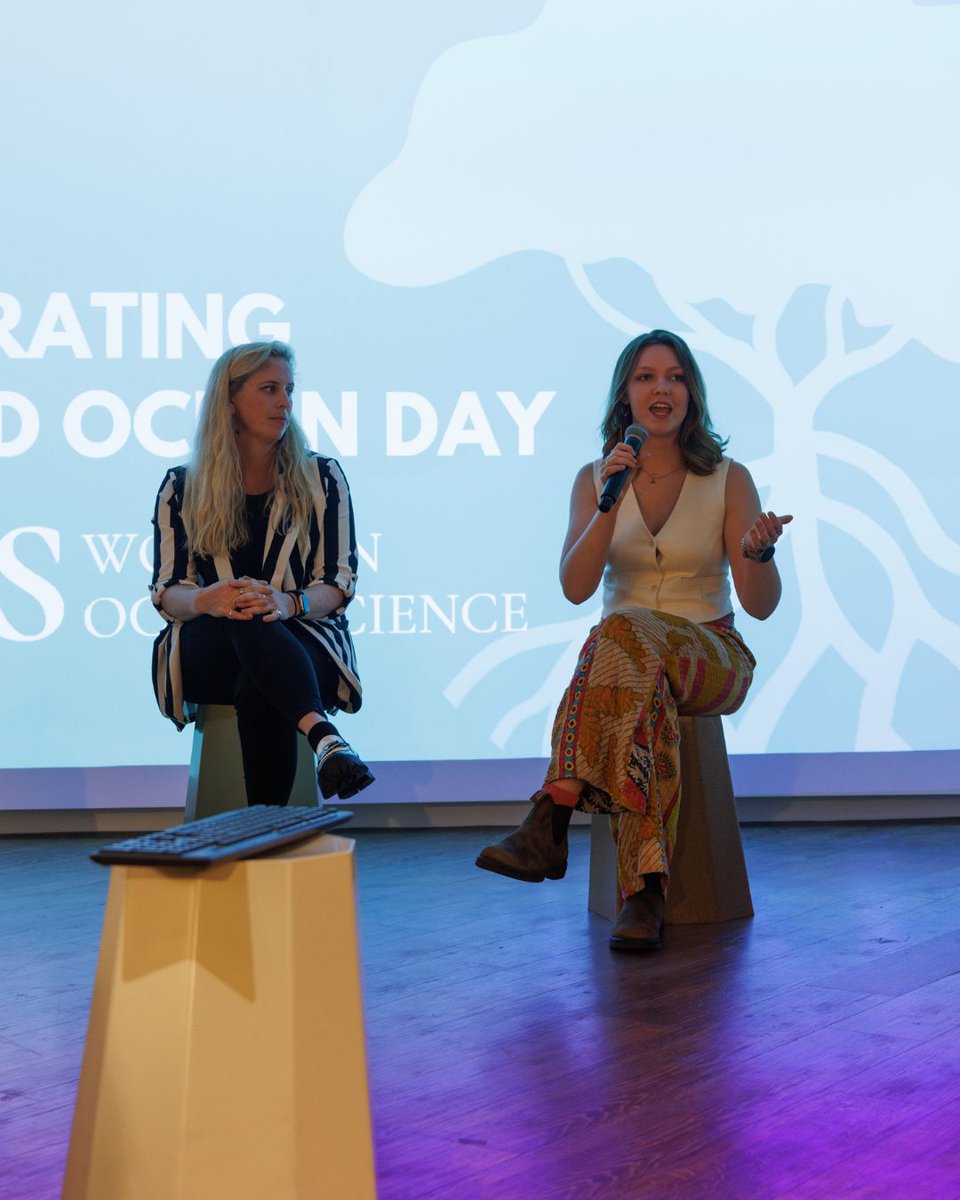
Celebrating #WorldOceanDay in a room full of female ocean scientists, communicators, educators, activists, entrepreneurs, storytellers and creatives with @WomeninOceanSci. My heart is so full.
If you missed us here you can catch us next at the Old Fire Station, Oxford (@ArtsatOFS) on the 20th of June for the @CO2REhub 'Goodbye Greenhouse Gas' exhibition https://t.co/vIj0L3J5Ds
On Friday my research group at @OxUniEarthSci and I had the pleasure of being a part of the Oxford University Museum Of Natural History (@morethanadodo) annual 'Late Night'. All in all, a fantastic event, engaged audience (of over 1000 people!) and beautiful venue.
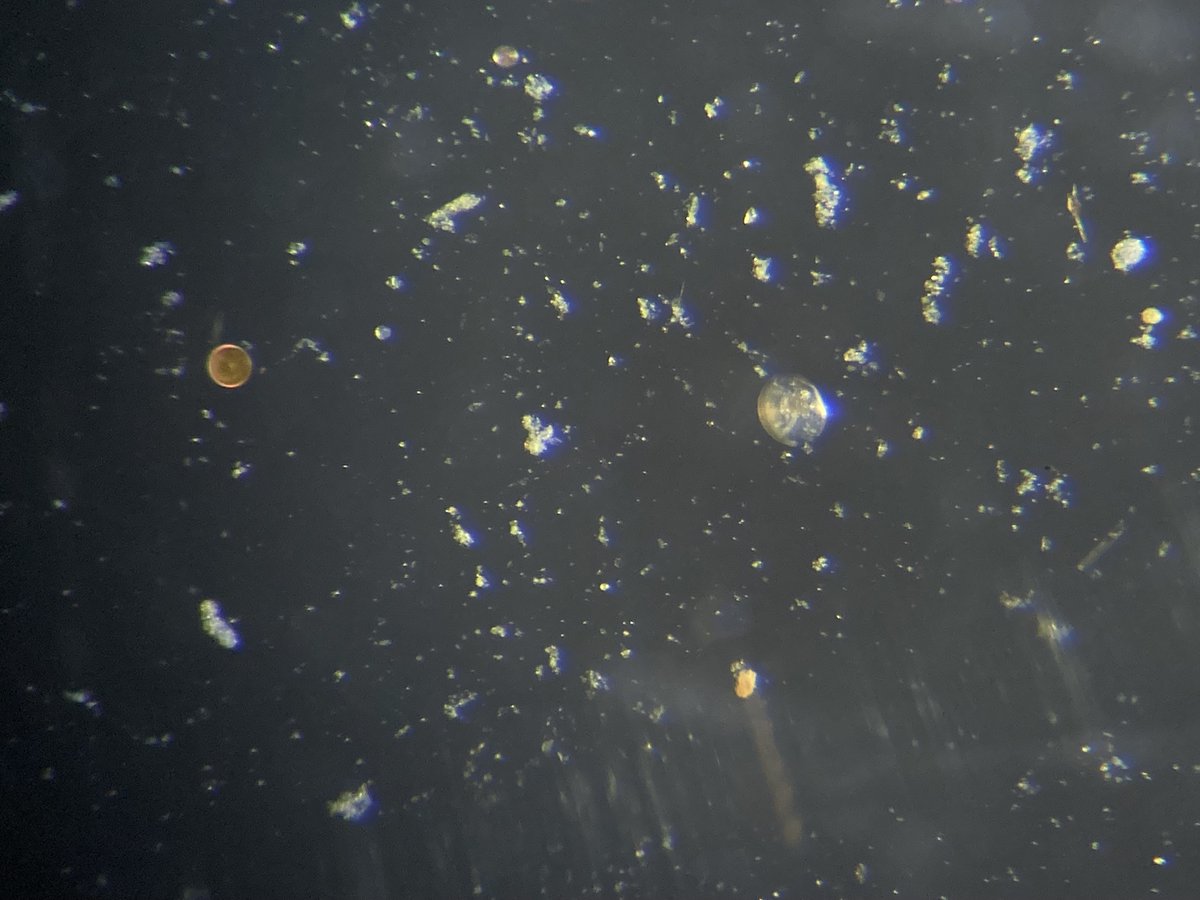
Using satellite images of a bloom in Venezuela, and a series of real green algal cultures grown under different nutrient concentrations, guests were able to see with their own eyes the individual microscopic organisms that, when blooming, can be seen from space.