Contemporary research on the intersection of autism, sexuality, and gender identity asserts that autistic individuals are more likely to identify as LGBTQIA+ than the allistic (non-autistic) population. Autistic individuals who identify as LGBTQIA+ face increased discrimination in access to care, cultural stigmas, and violence. Such experiences can drive poor mental health and suicidality, which are already high among autistic and LGBTQIA+ communities.
To better support autistic LGBTQIA+ individuals, we must accept, listen to, and honor the lived experiences of this community. We hope these resources from across the web are helpful to LGBTQIA+ members of the autism community and those who love and support them.
https://t.co/nfXTWZsRGT
ARI Board of Directors member Wenn Lawson, PhD, recently appeared on the Testing Psychologist Podcast to discuss the foundational cognitive structures of autism that are often overlooked by traditional diagnostic frameworks.
https://t.co/xCNgOEe4Oh
"The larger issue emerging from this conversation is no longer whether autistic adults can work successfully. Many already are. The more difficult question is whether workplaces are structured in ways that allow them to remain healthy while doing it."
https://t.co/wfK5VIh1Fz
A pilot study found that elevated gut microbe-derived metabolites could identify many children with autism, raising the possibility of a simple urine-based screening tool and a newly proposed autism subtype tied to microbiome dysfunction.
https://t.co/EoOUUhP7k1
A new study explores why some autistic kids excel at detecting subtle sound variations but struggle to process the temporal features of spoken language.
https://t.co/qbGkYKICTH
The paper, published in Nature Human Behavior, suggests that social differences emerge when autistic individuals are very young, yet considerable changes can unfold by the time they reach adulthood.
https://t.co/OAJSKKNT1S
Free Webinar: June 10
This talk explores how the brain processes speech and voices in autism, and how these differences relate to real-world communication. Drawing on naturalistic neuroscience approaches, we highlight how understanding these processes can inform more effective supports.
Register: https://t.co/YJYJuIIbZ9
Did you miss "Synergistic Therapies: Combining Nutrition, ABA, and Environmental Interventions in Autism Care"? ARI webinars are recorded and you can watch the playback, free, anytime on our website. https://t.co/6qO7MKQPF9
Missed today’s webinar with ARI research grant recipient Daniel Vogt on Monogenic Syndromes and Autism?
Watch the replay and take the knowledge quiz:
https://t.co/dvTlxv4ptS
#AutismResearch#Autism#Neuroscience
A systematic review into whether the “rapid prompting method” or “spelling to communicate” can help autistic people express themselves comes up empty yet again.
https://t.co/usD4285Rki
Researchers are investigating whether existing dementia assessment methods may overlook signs of cognitive decline in autistic adults because many screening tools were developed around neurotypical populations.
https://t.co/9uEhmRqe6T
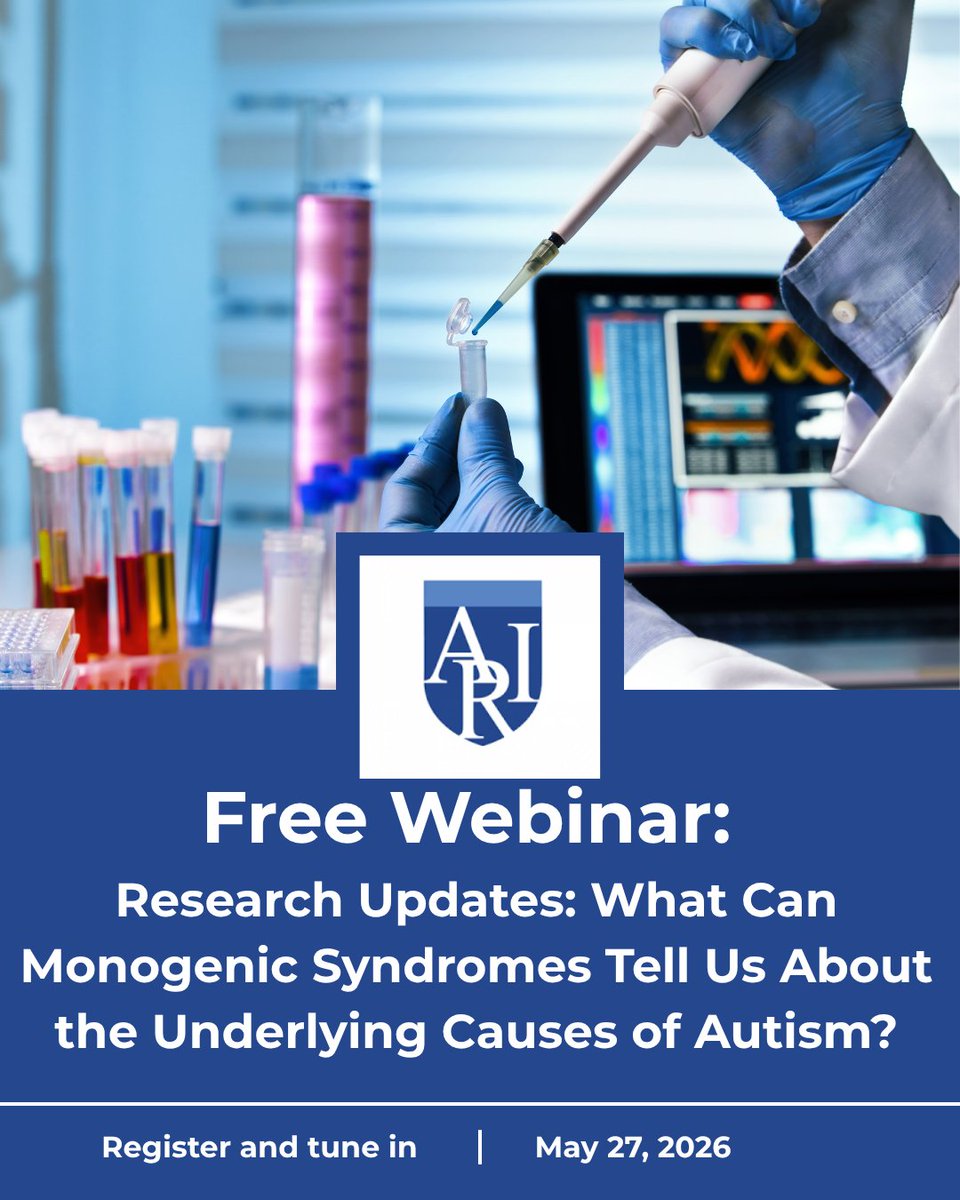
Free webinar at 1:00 p.m. Eastern time (US), May 27, 2026
Dr. Daniel Vogt, Ph.D., will discuss his current research on monogenic syndromes and what they can tell us about the underlying causes of autism.
Register and tune in: https://t.co/dvTlxv3REk
Just ahead of the summer travel season, another airline is taking steps to be more welcoming toward travelers on the spectrum.
Virgin Atlantic says that it will train all of its cabin crew on how to support individuals with autism and their families.
https://t.co/TbHXzmhYql
Did you miss our webinar "Emerging Research on Autism Rates and Covid", presented by Dr. Morgan Firestein? Catch the playback here: https://t.co/CEQtPvjUih
A study found that early-life epigenetic changes and gut microbiome development are closely linked and may shape the risk of autism and ADHD. Some gut bacteria appeared to offer protective effects against these conditions.
https://t.co/Ytssd8POYz
Free webinar at 1:00 p.m. Eastern time (US), May 27, 2026
Dr. Daniel Vogt, Ph.D., will discuss his current research on monogenic syndromes and what they can tell us about the underlying causes of autism.
Register: https://t.co/dvTlxv3REk
This page outlines strategies for identifying high-quality autism information, provides sources for finding original research, explains the components of a peer-reviewed article, and explains how to know if a study is relevant to you.
https://t.co/w4sgXuFluI
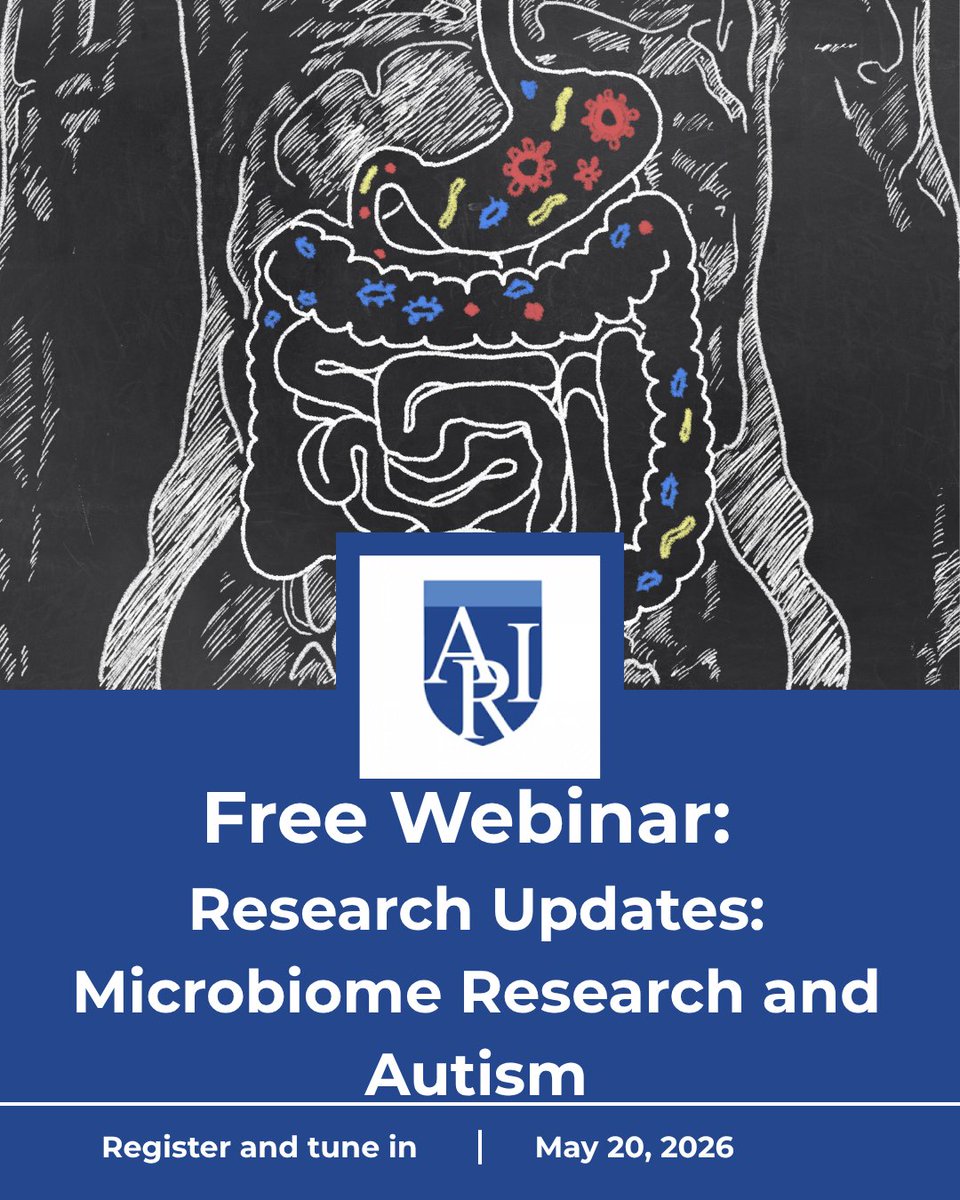
Free webinar at 1:00 p.m. Eastern time (US), May 20, 2026
Rosa Krajmalnik-Brown, Ph.D., will discuss her research on gut microbiota in individuals with autism who have gastrointestinal (GI) problems. She will share updates on what we know about human microbiomes, how they interact with our bodies, and the potential they hold for treating autism symptoms.
Register: https://t.co/jGNJKATSpt
Get caught up with the Transmitter's roundup of autism-related news and research spotted around the web for the week of 11 May.
https://t.co/mq80NEQPQp