We strongly encourage all growers to have their say by participating in this poll.
Grains Levy Review | Grain Producers Australia https://t.co/IMwoGsfk2s
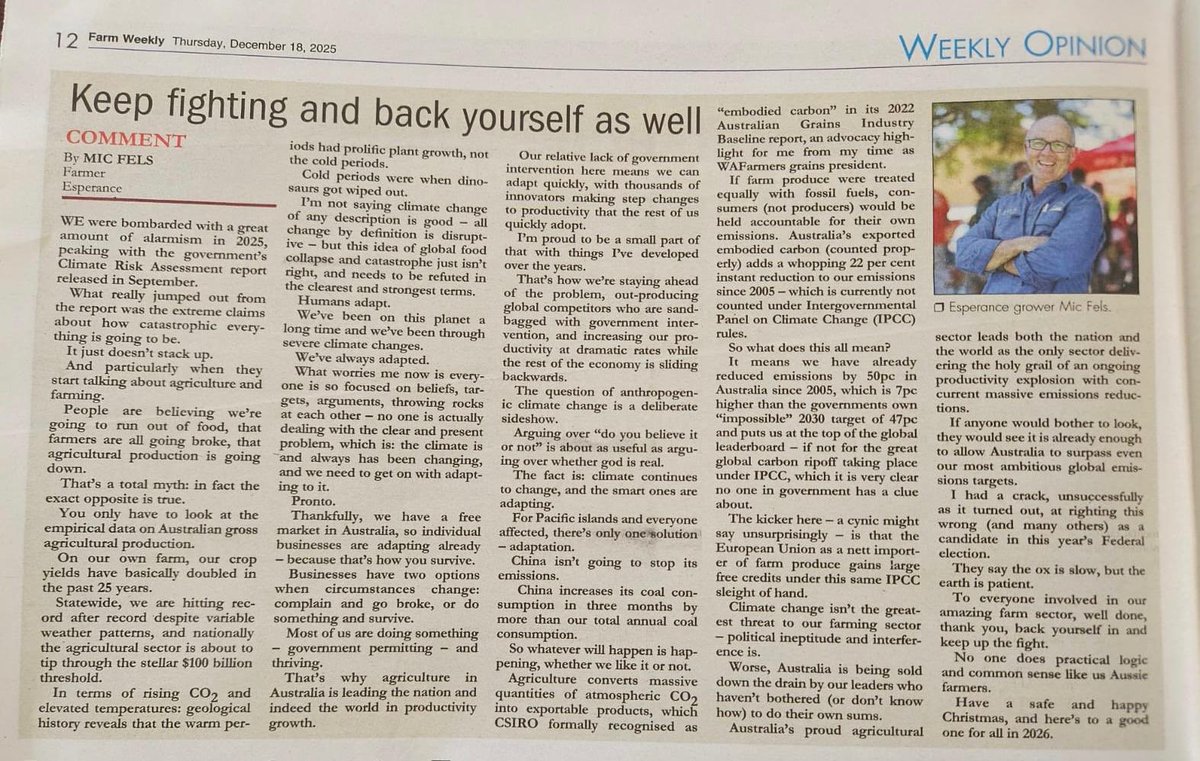
You read this correctly. 4th record WA crop in 5 years.
Yes rainfall patterns are changing, & yes we are in a warming period. But NO, agriculture is not producing less. It is more bountiful than ever in history.
It's time the govt & their departments spoke honestly about this.
An analysis of wheat crops across our group in 2024/25. A thread:
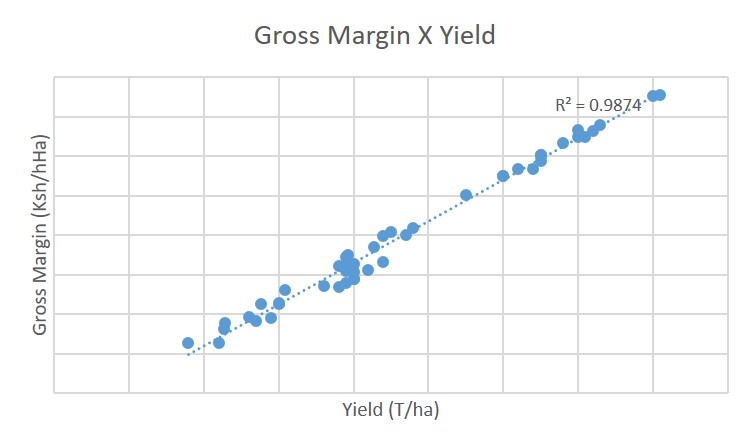
How often do I hear "yield is not important, it's about gross margin".
Well for every single year I have done the costing exercise, yield and margin are two of the same thing. The relationship is near perfect.
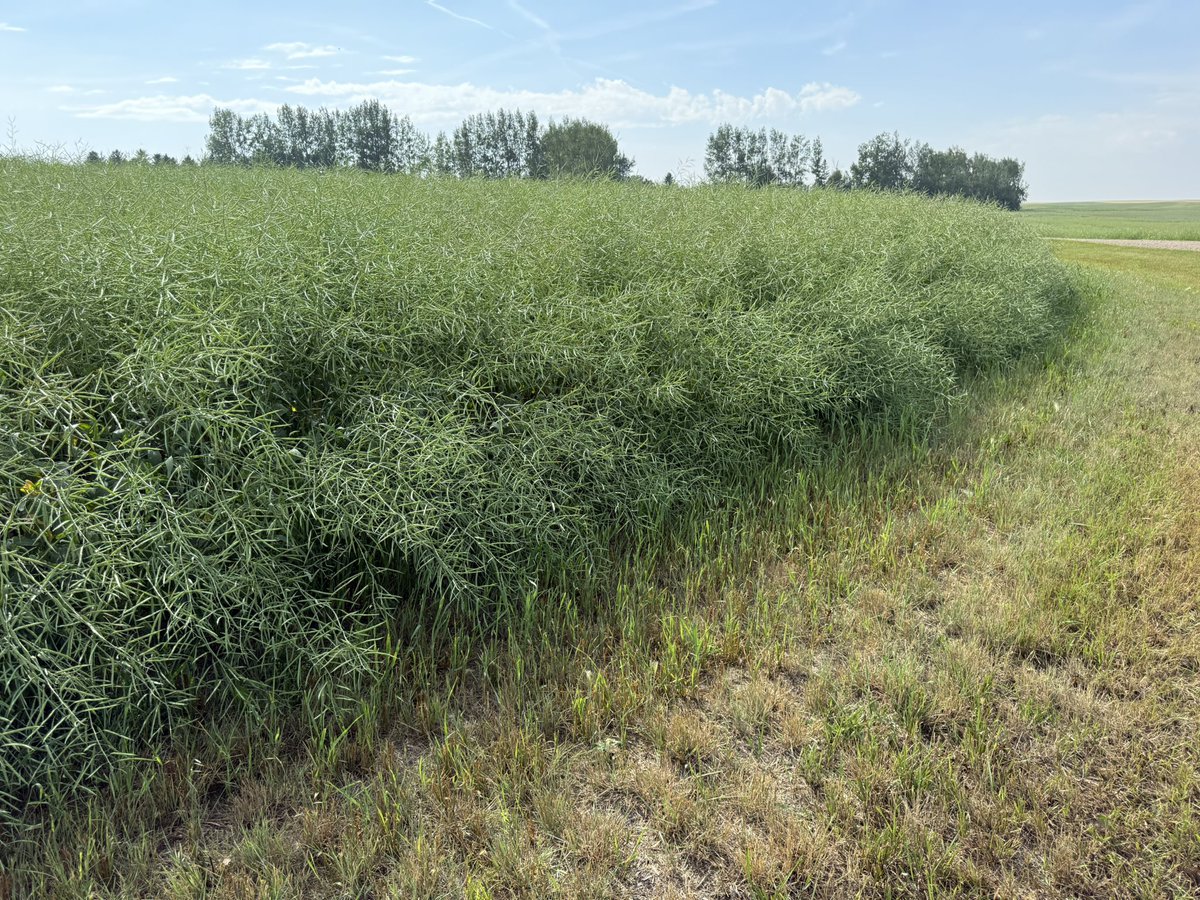
Just as western Canadian farmers begin to start harvesting Canola, China imposed significant tariffs on Canadian canola products, escalating a trade dispute that began with Canada’s tariffs on Chinese electric vehicles (EVs), steel, and aluminum in 2024. Here’s a detailed breakdown of the situation based on recent developments:
• Preliminary Anti-Dumping Duty (August 2025): On August 12, 2025, China announced a preliminary anti-dumping duty of 75.8% on Canadian canola imports, effective from August 14, 2025. This move targets Canada, the primary supplier of canola (rapeseed) to China, the world’s largest canola importer. The duty is part of an ongoing anti-dumping investigation launched in September 2024, expected to conclude by September 2025, with a possible six-month extension.
• Retaliatory Tariffs (March 2025): Separately, following an anti-discrimination investigation initiated on September 26, 2024, China’s State Council Tariff Commission imposed a 100% tariff on Canadian canola oil and canola meal, effective March 20, 2025. These tariffs also include a 100% duty on peas and a 25% duty on pork, fish, and seafood products. This was in direct retaliation to Canada’s 100% tariff on Chinese EVs and 25% tariff on Chinese steel and aluminum, introduced in October 2024. The anti-discrimination tariffs are distinct from the ongoing anti-dumping probe into canola seeds, which could lead to additional duties.
• Economic Impact:
• Canola Industry: China is a critical market for Canadian canola, with exports valued at nearly $5 billion in 2024, including $918 million in canola meal and $20.6 million in canola oil. The 100% tariffs on canola oil and meal effectively block these exports, causing significant losses. The Canola Council of Canada and Canadian Canola Growers Association estimate a potential $1.5–$2.35 billion hit to the industry, similar to losses experienced during China’s 2019–2020 tariffs. Canola farmers face lower prices, unsold crops, and increased storage costs.
• Other Sectors: The 25% tariffs on pork ($468.6 million in 2024 exports) and seafood ($1.3 billion in 2024) threaten Canada’s fishing and pork industries, with the Fisheries Council of Canada calling the seafood tariffs an “existential threat” to the sector.
• Broader Economy: The tariffs affect about 1.5% of Canada’s total exports, with a projected 0.4% reduction in GDP growth for 2025. Rural communities, particularly in the Prairie provinces, face job losses (estimated 15,000 jobs at risk) and economic hardship.
• Reasons and Context:
• China’s tariffs are a response to Canada’s trade measures, which Beijing views as protectionist and discriminatory, violating World Trade Organization rules. Canada’s EV tariffs align with similar U.S. measures, reflecting concerns about Chinese subsidies flooding North American markets with cheap EVs.
• The timing is notable, coinciding with U.S. tariff pressures under the Trump administration, creating a “two-front trade war” for Canada. Some speculate China’s move could be a strategic test of Canada’s trade resolve or an attempt to secure canola seed supplies for domestic crushing by reducing competition from Canadian canola oil and meal imports.
• Historical tensions, including Canada’s 2019 detention of Huawei CFO Meng Wanzhou, have previously led to Chinese restrictions on Canadian canola, indicating a pattern of targeting agriculture in trade disputes
Why haven't the RO's already conducted a review so they can make recommendations to reduce the levy?? It's not really the role of the GRDC board to do this. Things need to move quickly to change before harvest starts.
Please see a JOINT statement by @WAFarmersGrains, @WAPastoralists & @WAGrainsGroup in response to the GRDC Right Size Review recently carried out by ACIL Allen.
Our detailed comments on this review process are contained in the following post. (1/2)
I really think most miss the biggest problem:
Trade Differentials have never been wider. It costs so much to update or upgrade.
- used equip depreciates faster than ever
- tech features lose value especially fast
- new equipment is crazy expensive
- interest rates ⬆️
Ag machine technology is massively increasing the ticket price of machines ....... but is it also devaluing the resale value of same - much quicker because of the short life span on technology?
https://t.co/Wkqpw3iDsG
So who do you think is going to blink first.
OEM’s, dealerships or farmers/contractors?
Tier 1 Harvesting gear - have they gotten way too expensive for their benefit? https://t.co/70jFNRR1Ds
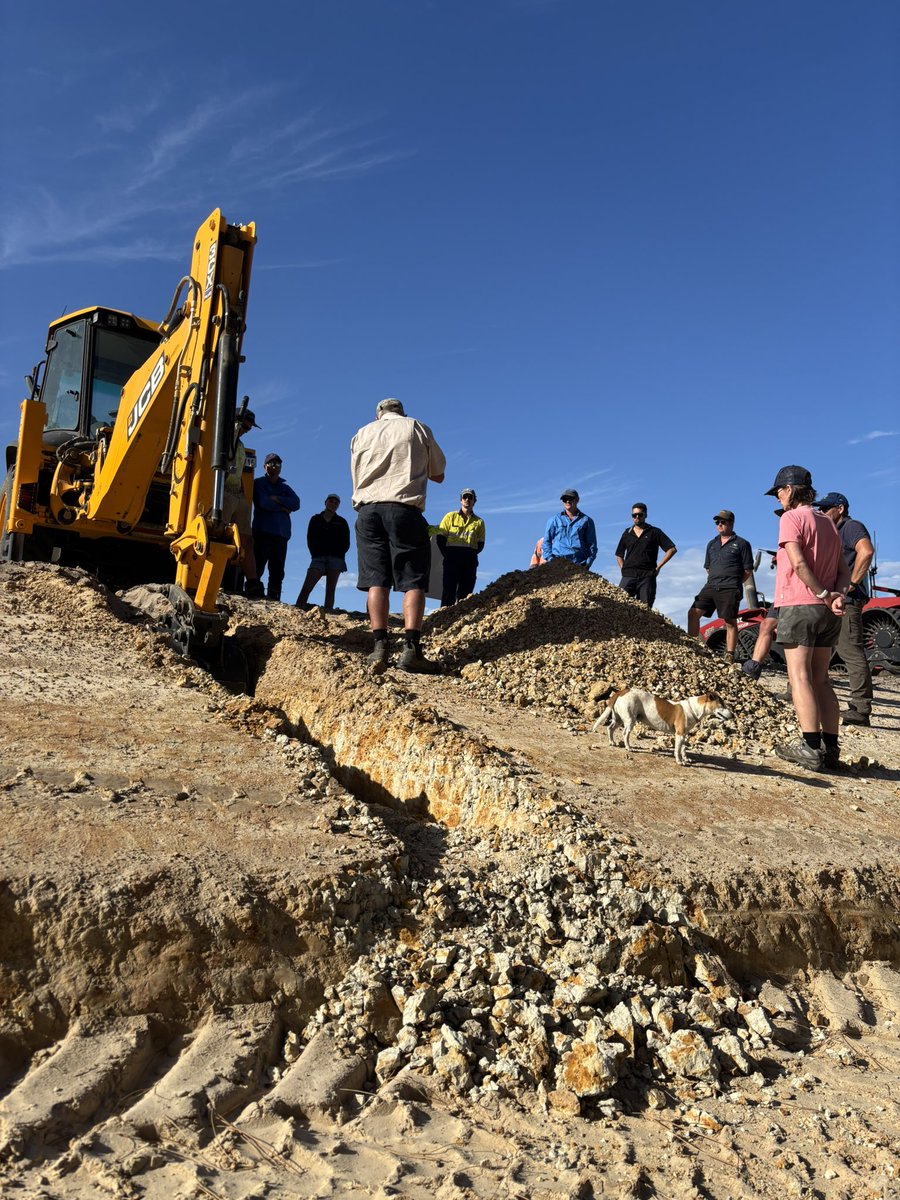
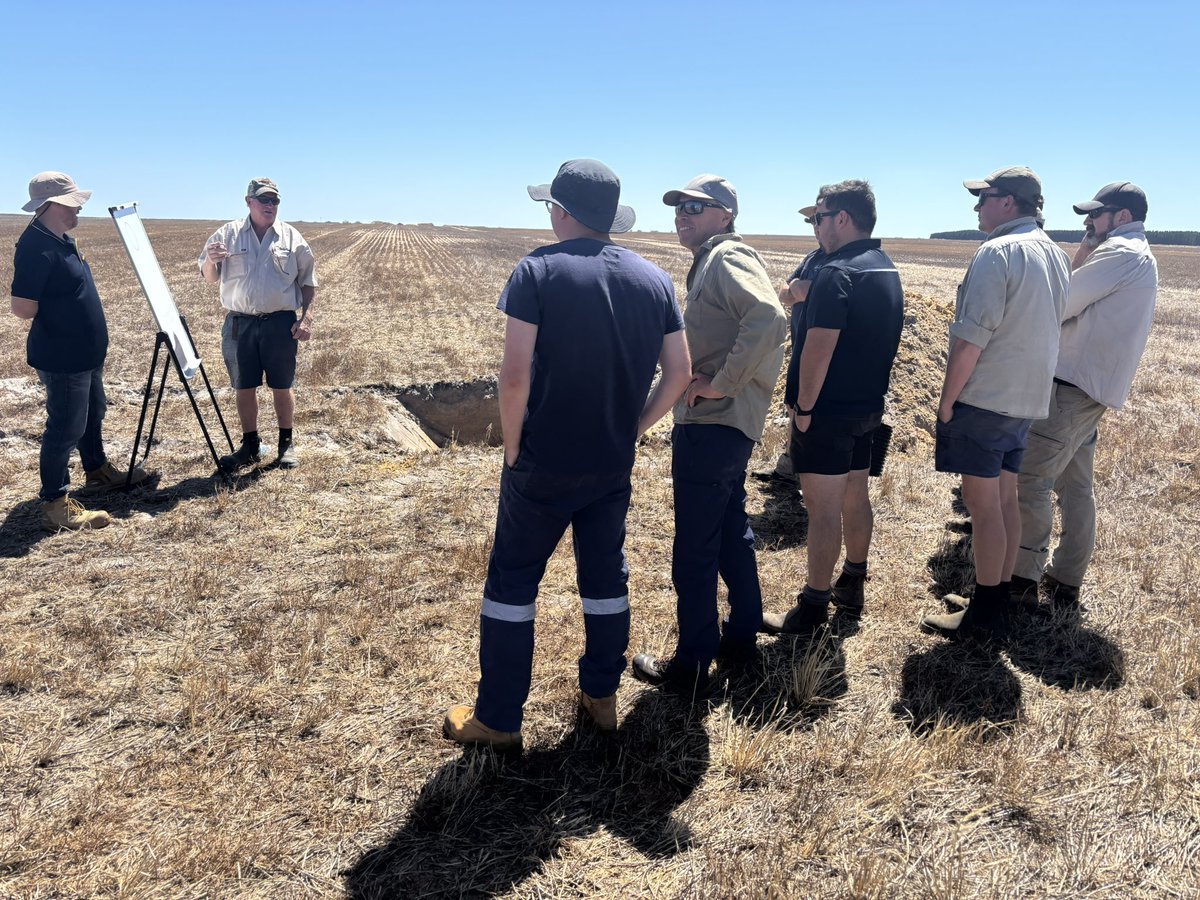
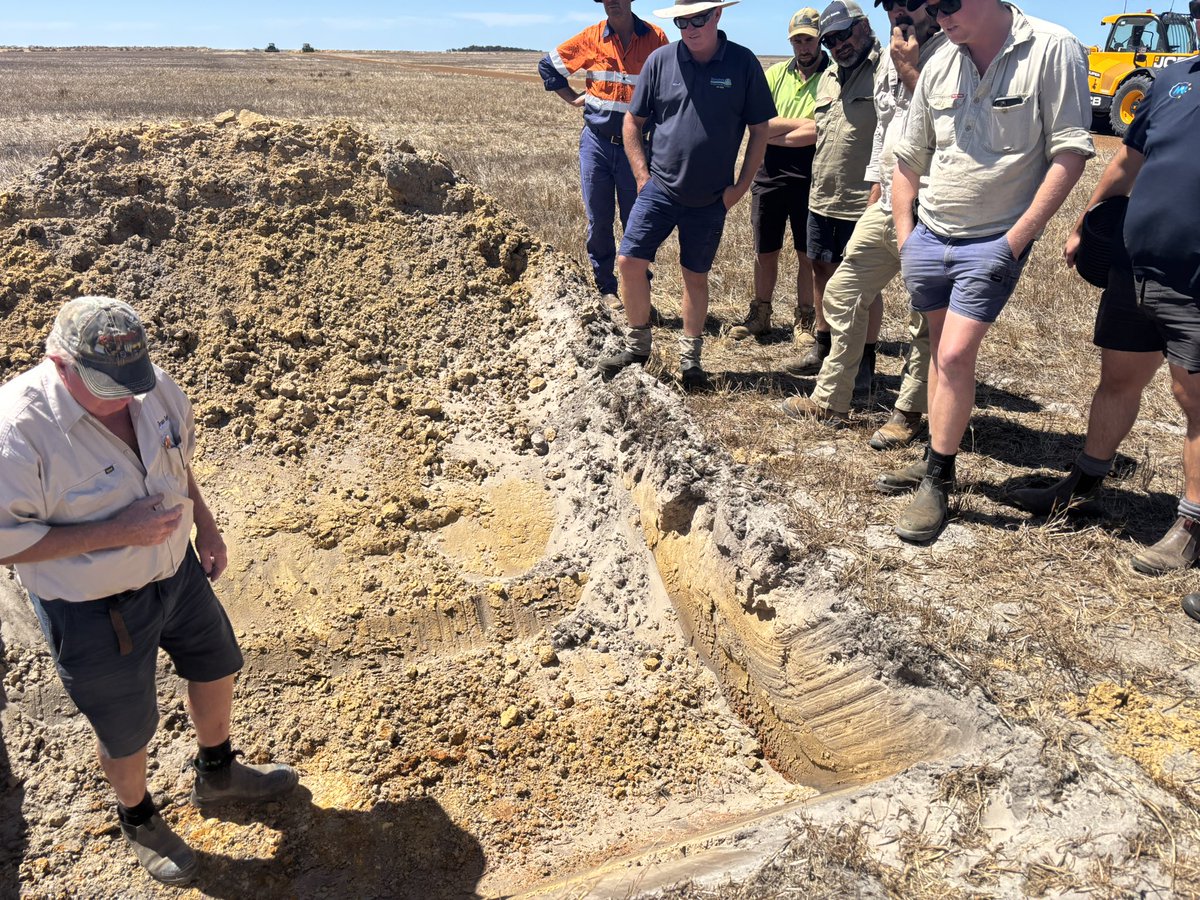
Great couple of days with growers in the Esperance Port Zone looking at drainage in the HRZ and early sowing results. Thanks to all who attended these Hyper Profitable Crops (HPC) discussion group meetings @SEPWA_ag@theGRDC@far_australia
No matter what farming method:
→ Agroecological,
→ Conventional.
→ Regenerative.
→ Organic.
→ No-till.
↳ Clearing land for crops destroys biodiversity.
The real issue is stopping more land from being converted and here is why...
🧵1/
Shouldn't a balanced news report question the net impact of trucking gas 800km when there is already a perfect pipeline in place? (Don't let the truth get in the way of a good story!)
https://t.co/uf6069o7a3
As promised, herewith the latest Issue of InGRAINed on disease management in wheat. In this edition of inGRAINed (Issue 5) we address flag leaf sprays and their importance in disease management strategies for wheat. https://t.co/J9lWWPXbyZ
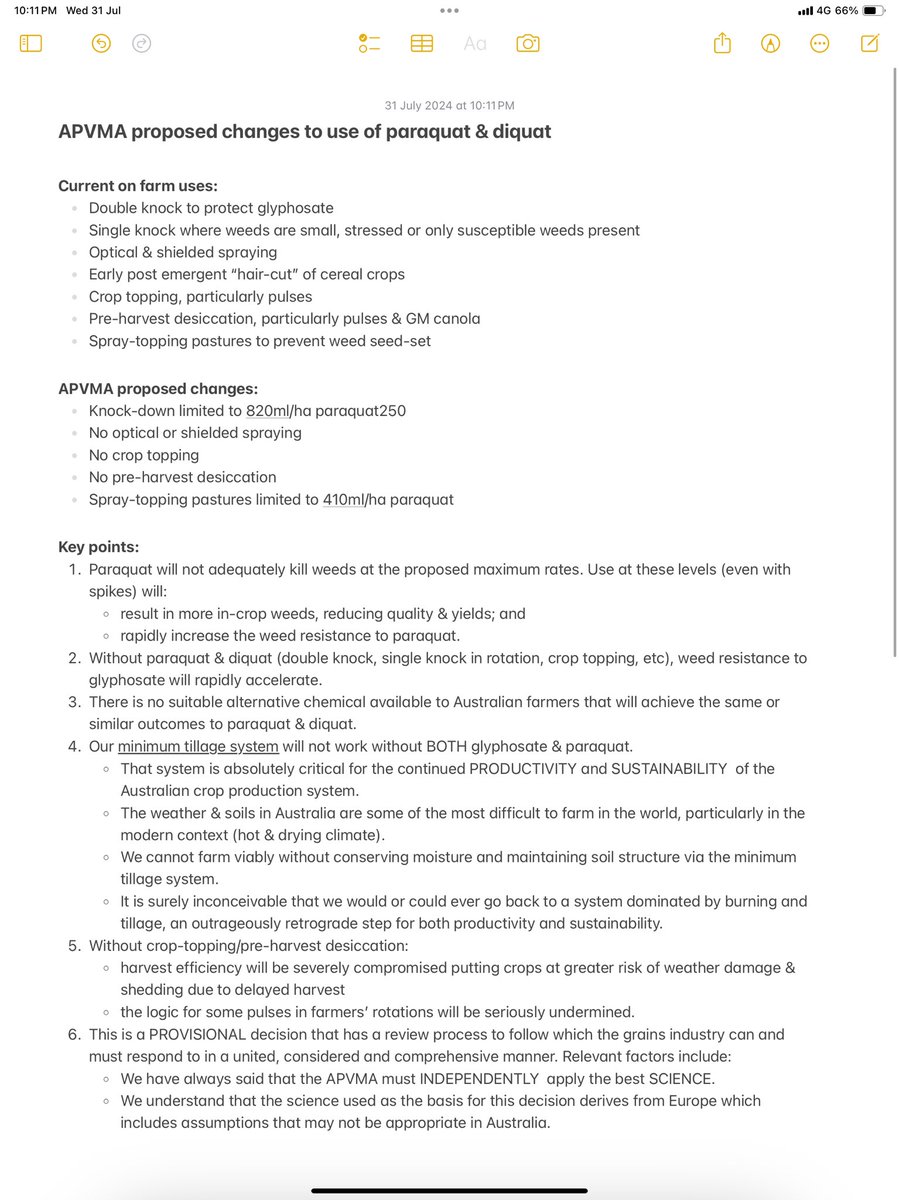
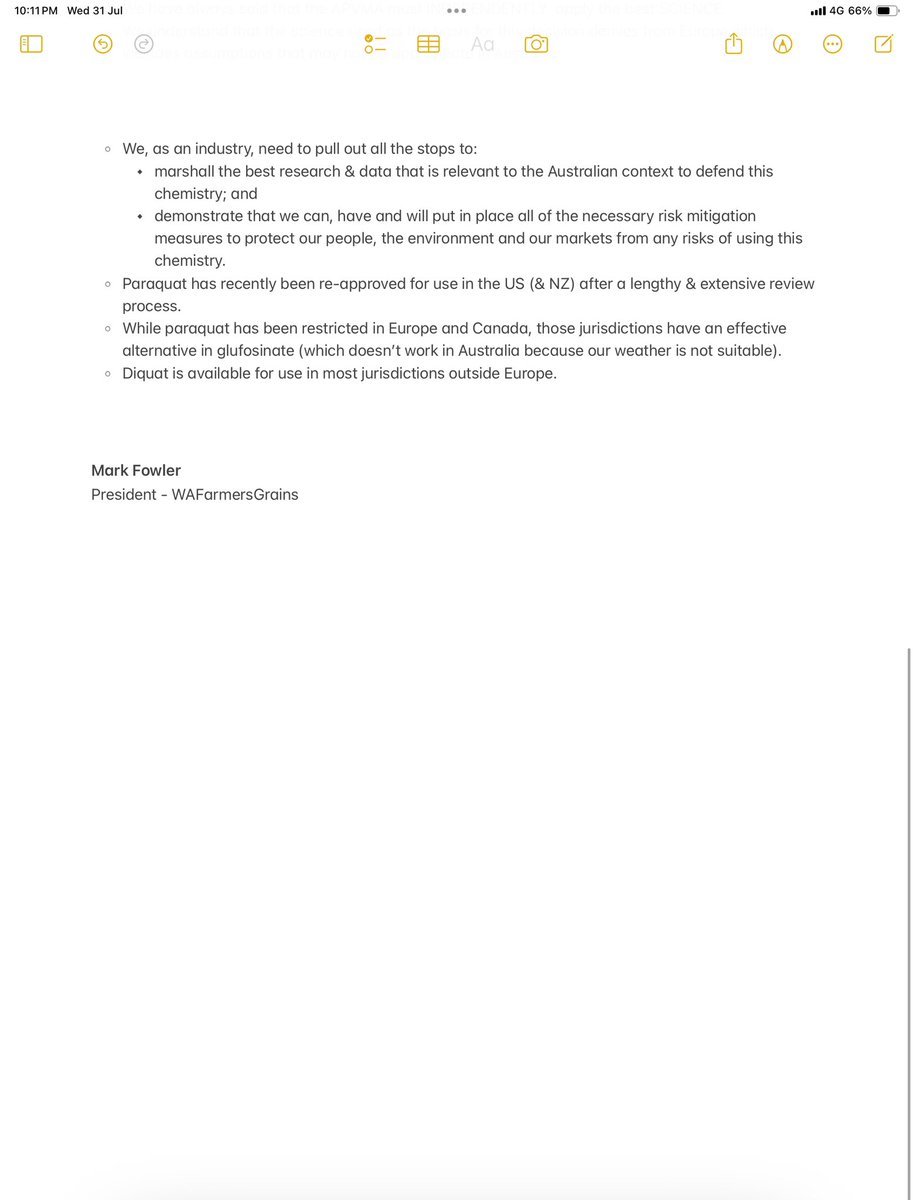
This is what we have been able to distill so far regarding the APVMA provisional decision on paraquat & diquat. We will keep you posted as we learn more. @WAFarmersGrains@GrainProducers
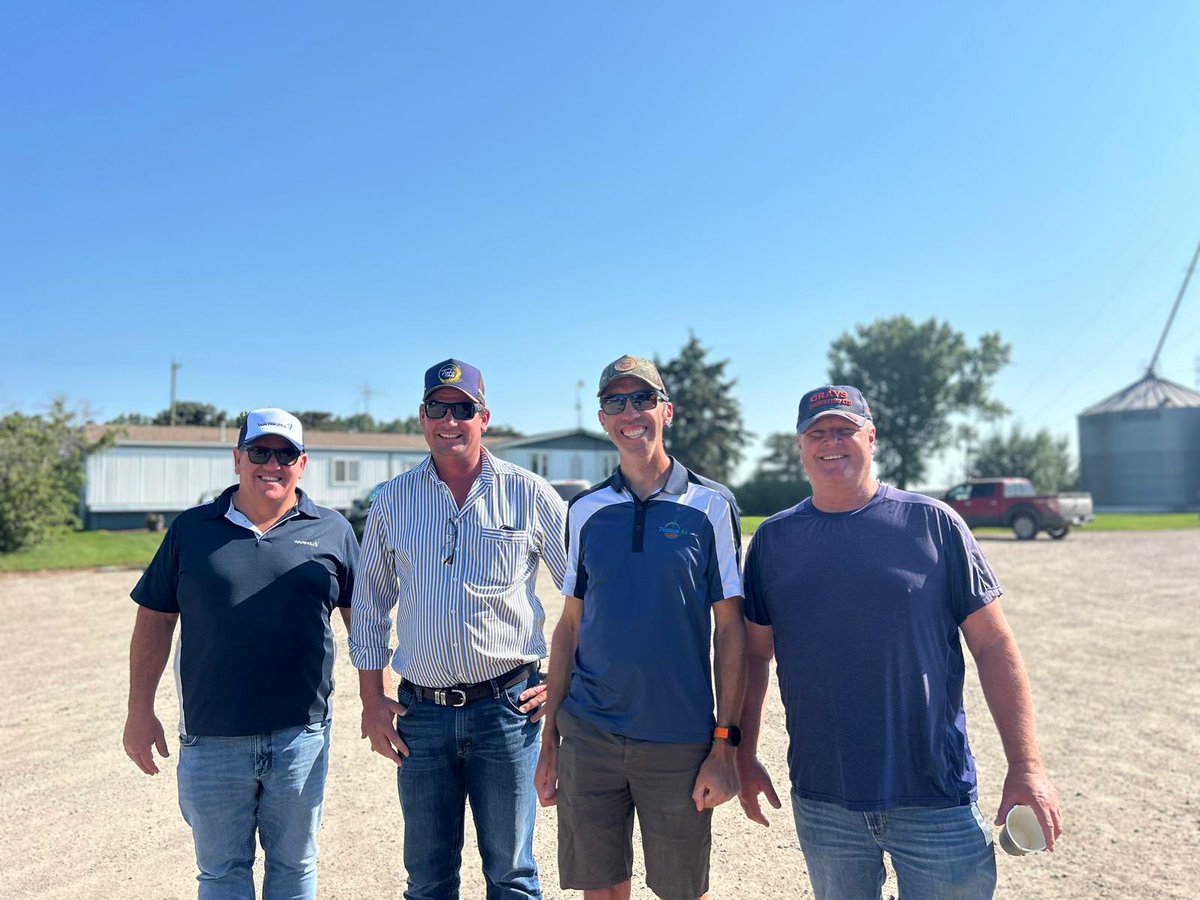
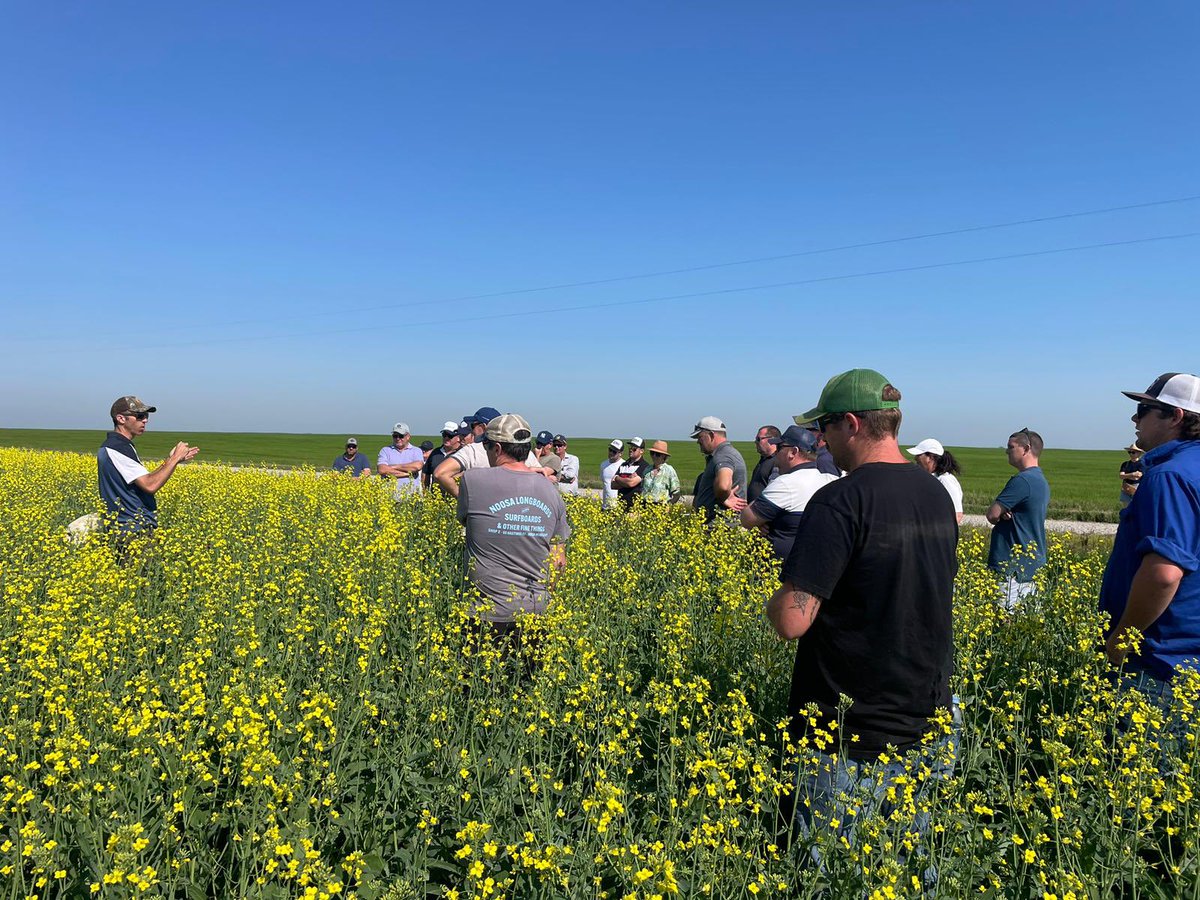
Such valuable time spent networking with some very progressive Ag people from all over Australia! Banff, Lake Louise, and back to Cheadle for a feedlot / crop tour! Thx so much @WaringaFarming@bungulla6409 and the rest of the bus! 🙏