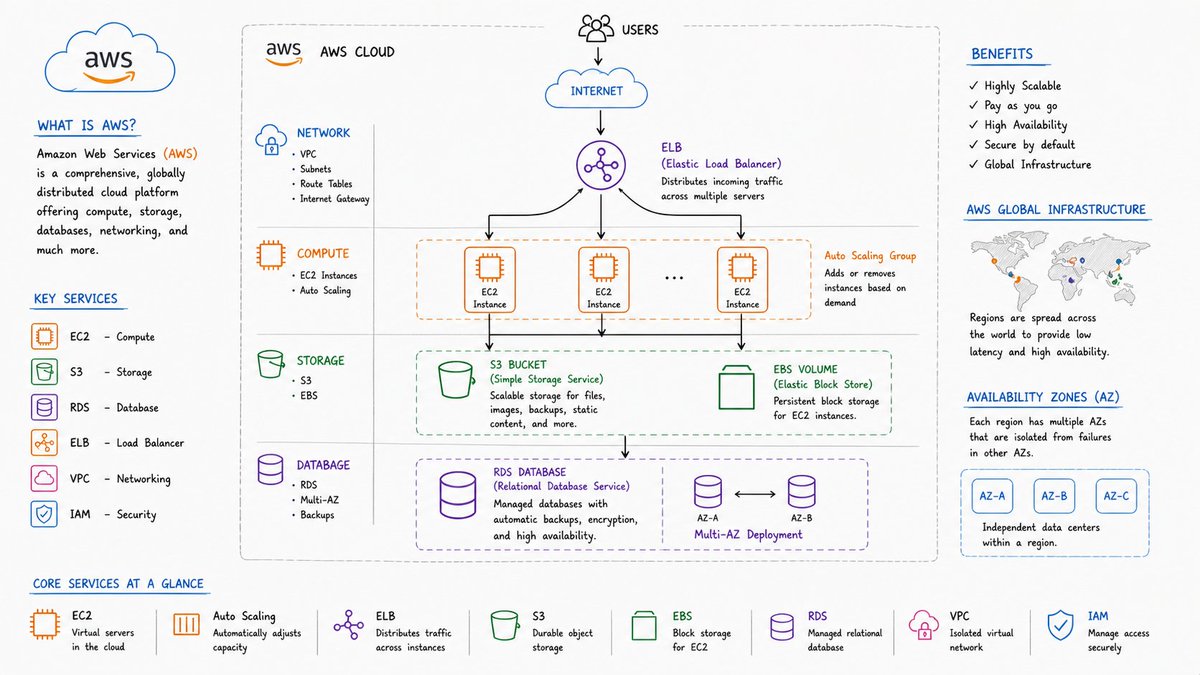
“What happens when we search a site”
Browser asks OS, OS forwards via router and ISP to a DNS resolver (jio/airtel or public like google/cloudflare).
Domain resolved querying root ->TLD -> authoritative DNS(aws route53/godaddy dns) -> an IP or CDN endpoint.
Now that http can be Streamable HTTP (https://t.co/7YNrXMmNNz)
- the server can stream chunks of data progressively
- Internally is using, HTTP/1.1 has chunked transfer, HTTP/2 has multiple independent streams over a single TCP connection
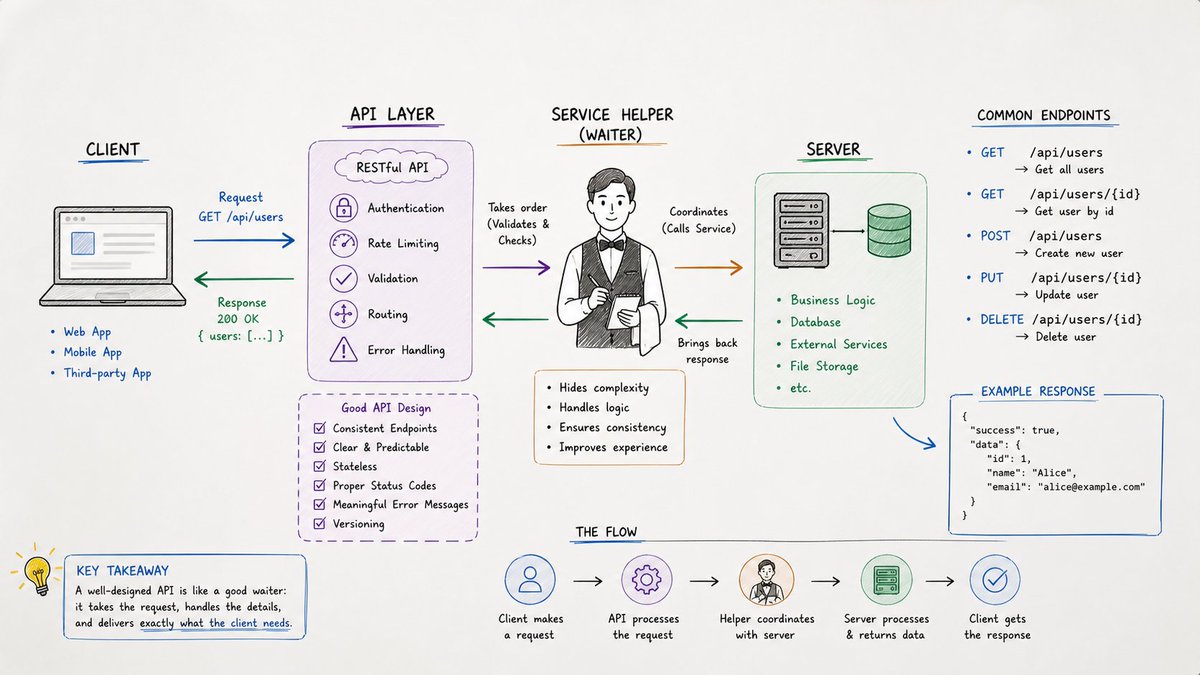
MCP is a protocol (a promise between client and server that request/response format will be in this way)
It can sit on top of HTTP(will act as transport layer)
This makes it easier to integrate with existing web infrastructure.
To clarify -
promise is not really a object(the way se think in java)
think of it as a container that after “eventual completion” will hold the result.
Thats why the name “promise” krta hu kuch value to lekr aaunga
- With the event loop as the foundation, JavaScript handles asynchronous operations using callbacks.
- Promises provide a cleaner way to handle async results.
- Async/await (ES2017) is syntactic sugar over promises, making async code look synchronous.
https://t.co/hM2878A7Pz
📦Browser Storage Overview
- Local/Session Storage: Easy for frontend apps to use, but exposed to XSS.
- Normal Cookie: auto-sent, but JS can read them(XSS).
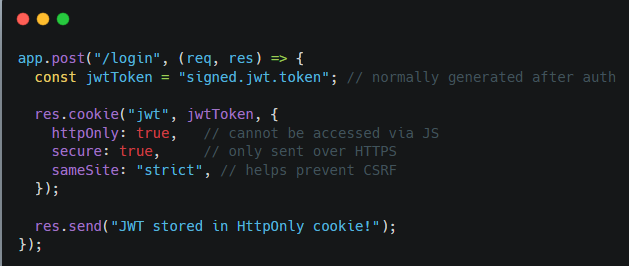
- HttpOnly Cookie: invisible to JS, safer for JWTs, but need CSRF protection.
Best practice: HttpOnly + Secure cookies.