For years I called myself a builder.
But nothing ever made it past localhost.
Why?
Perfectionism.
I told myself:
“It’s not ready.”
“What if people don’t like it?”
Spoiler: they won’t.
And that’s fine.
The real hypocrisy?
I preach human-centric design.
“Build what users ask for.”
Yet I never shipped long enough to get real feedback.
So I’m done waiting to feel ready.
This year I’m choosing:
• discomfort over perfection
• shipping over polishing
• feedback over fear
And I’m documenting everything.
First step: I shipped.
https://t.co/FIClPMQu6q
Follow along if you’re tired of overthinking and want to actually build 🚀
@SumitM_X Call me crazy, but surely the answer here is 0??
(Assuming you move the useState in the component etc etc) The timeout still only calls the callback function at 1 second, and as quick as useEffect and setState are, they're not instant??
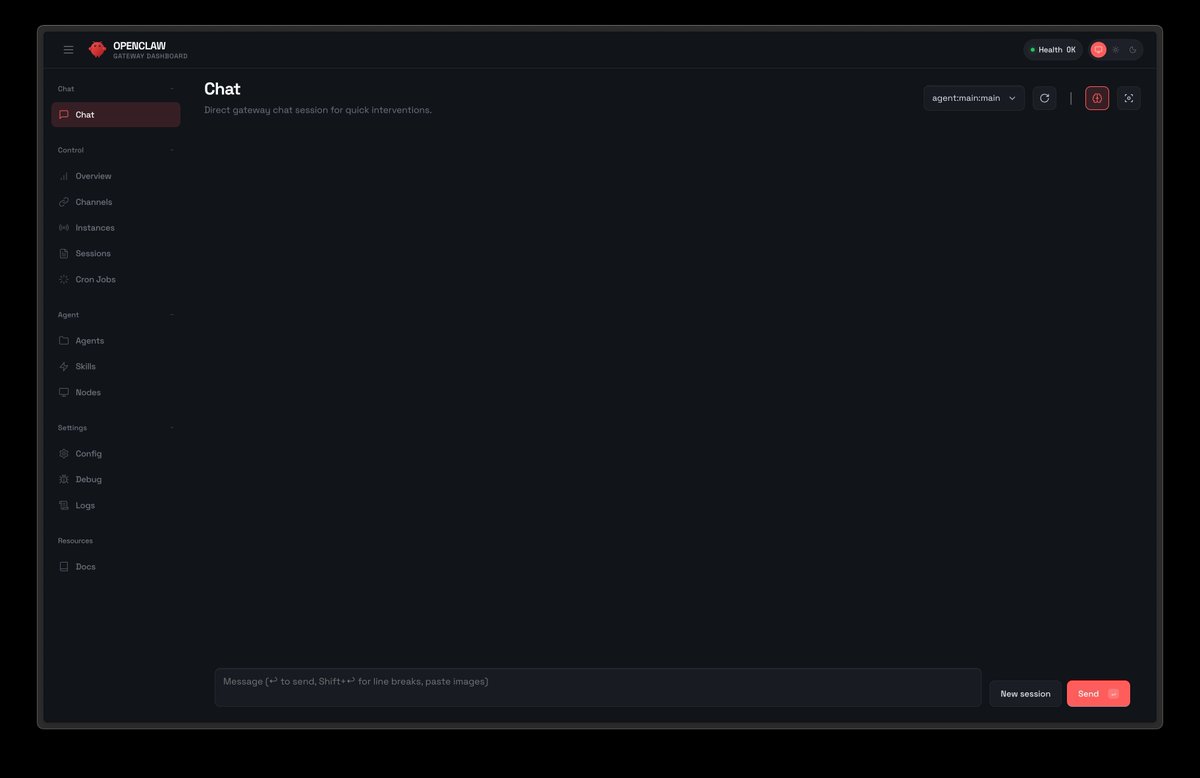
As promised, I tried setting up OpenClaw via @Cloudflare
It took me 35 minutes and cost me $5 USD
The good: The self service (for the most part) was simple and made it easy to get going quickly
The bad: The docs are already out of date, or more difficult to follow than they need to be. There are also some security design decisions I don't love, but I think I can tune those after set up
Lesson: It’s great for creating a quick instance of OpenClaw to play around with, will share my findings as I play around with the tool more!
@Timur_Yessenov That's awesome!! I'd love to know what you've found works vs what doesn't
And agree, having guardrails sounds like it would slow you down at face value. But I think it improves quality and reduces maintenance longer term
I feel like platform engineering principles like golden paths might also translate nicely to building with agentic coding
Enabling AI to be self sufficient, but having the appropriate guardrails and security built-in by default
Honestly, I'm a big big fan of this implementation
One of the drawbacks with the Bezier curve method is that the hit area gets drawn from the far left. The side effect of that is when you're just trying to navigate through the parent menu items you get a jitter effect
This one solves that completely by drawing the cone from the cursor itself and only anchoring to the parent when the cursor leaves the area! 👏
@sazi_zZz@sorenblank Users like to travel from point A to point B as the crow flies. So sometimes they will "clip out" of the hit area
This article describes the problem quite nicely: https://t.co/zOAARtRzJq
As a frontend engineer
Please master these fundamentals instead of chasing every new shiny library or framework every few months.
Focus on going deep in
- JavaScript and TypeScript core mechanics (event loop, closures, prototypes, this keyword, async patterns, microtask queue)
- Modern CSS (Flexbox and Grid mastery, container queries, cascade layers, logical properties, :has selector, scroll-driven animations)
- Responsive and adaptive design (mobile-first approach, fluid typography with clamp, smart breakpoints without media-query overload)
- Browser rendering and performance (Critical Rendering Path, reflow and repaint, Core Web Vitals, lazy loading, code-splitting, proper memoization, avoiding common useMemo and useCallback mistakes)
- Accessibility as a non-negotiable skill (semantic HTML, ARIA roles, keyboard navigation, screen reader testing, color contrast, focus management)
- Web security basics on the client side (XSS prevention, Content Security Policy, secure cookies, input sanitization, understanding CORS)
- Component architecture and composition (compound components, moving from render props to hooks to modern composition patterns, avoiding prop drilling issues)
- State management patterns (not just one library, understand when to use Context, Zustand or Jotai, Redux Toolkit, or server components)
- Testing culture (unit tests to integration tests to end-to-end tests to visual regression, using tools like Jest or Vitest with React Testing Library plus Cypress or Playwright)
- Debugging and DevTools mastery (performance profiling, network throttling, React DevTools, CSS containment techniques)
- Build tools and developer experience (Vite mastery, Turbopack basics, module federation when it makes sense, bundle analysis workflows)
- API integration and data fetching patterns (REST plus GraphQL plus tRPC plus React Server Components, caching strategies, optimistic UI updates, solid error handling and loading states)
- Framework internals (React Fiber and reconciler, Next.js App Router versus Pages Router, SSR SSG ISR trade-offs, suspense and streaming rendering)
- Collaboration with design and UX teams (Figma to code handoff, design tokens, component-driven development workflows)
- Streaming UIs with SSE integration
Pick one primary framework go deep enough to explain why it works the way it does, not just follow the latest trending boilerplate.
Depth creates real leverage.
Constant framework hopping leads to tutorial hell and shallow knowledge.
🤔 Their postmodern states that they use staging accounts? And by the sounds of it are distributed across several regions (which is why only customers in us-east-2 were affected)
I guess the main failure(s) here (which they addressed) were:
1. Not separating customer facing services and non customer facing services (is this what you are surprised by); and
2. Multi-region fail over, which is not trivial
Progress for today:
(Not that I would expect anyone to need this feature 😝)
But fixed the downgrade flow for paid users. Downgrading will allow users to keep paid features until the end of the billing cycle.
Next step - clean up the UI 🧹
Curious to know if people are setting up staging environments for their projects (If so please let me know what your set up is), or if you're just going straight to prod?
Building software is art
One book I re-read constantly and recommend to every developer
Show Your Work - @austinkleon
I’m still trying to live it, but every page hits harder each time I read it