این دیدگاه که وظیفهی درمانگر سوقدادن بیمار به واضح دیدن واقعیت است، بخش عظیمی از این ایدئولوژی است که درمانگر را در جایگاهِ استادِ واقعیت قرار میدهد. این ایدئولوژی طراحی شده تا بکارگرفتن برخی کارکردهای «نرمال سازی» توسط درمانگر، توجیه شود.
برداشتم از بروس فینک
@Nagin___@MehdiJalali نظرت محترم و شاید درست باشه. اما امید...
امید من از انفعال نمیاد. از تموم شدن دوران انفعاله. دروانی که یکی دیگه بیاد برامون کاری کنه، تعریف درست کنه.
@Nagin___@MehdiJalali چسب زخم، واقعیت سخت جنگه.
بر باد شدن این توهم که اینا میرن، ضعیفن، دیگه آخرشه، فقط یه حزب و یه ائتلاف کافیه..
البته که همه اینها که گفتی یکسری پدر سالار هستند با ویژگی اقتدارگرایی. یکی اقتدار رو تو شاه میبینه، یکی تو ج.ا. یکی تو نیروی نظامی آمریکا
@Manboodan این آخرین نبرد مسخرهشون، منظورم آخرین تلاش آمریکا و اسرائیل و حملهی زمینی هست که در صورت وقوع، قطعا شکست استراتژیک میخوره. و ما میمونیم با ج.ا. اتمی.
این متاسفانه باعث دلسردی کسایی میشه که به کمک خارجی دل بستن و بهم امید میده که شاید به خودشون بیان و از داخل تلاش کنند.
@joekent16jan19 Ultimately, this pressure doesn’t come from rising prices, but from shortages of materials. Israel, however, feels much less pressure because they continuously receive dollars that flow through the free market pipeline straight from the pockets of American taxpayers.
@joekent16jan19 Doesn’t this difference in objectives you mentioned stem from the fact that the financial resources of the U.S. and Israel are supplied through very different channels?
It seems that Iran, by closing the energy supply chain, has managed to exert real pressure on the U.S. gov...
@inazkam قبل از جنگ هم این موضوع مطرح شده بود. من توی فارس خونده بودم که خودش نقل از رویترز بود.
در مورد خصوصی سازی نفت هم قبل از جنگ کارهایی انجام شده بود با موضوع «شرکت ملی نفت بورسی میشود؟»
اما در حقیقت نفت متعلق به مردم خوزستان هست. نفت متعلق به منطقهای هست که در اون استخراج میشه
ستاد احیا اگر واقعاً دنبال احیای دریاچه ارومیه است، پاسخ دهد چرا با وجود بارشها، بخشی از روانابها قبل از رسیدن به دریاچه در دشتها پخش و گم میشوند؟ تصاویر ماهوارهای نشان میدهد در زرینهرود حدود ۲۰هزار هکتار آبپخششدگی و در سیمینهرود حدود ۸هزار هکتار تجمع آب رخ داده؛ این یعنی مشکل فقط کمبارشی نیست، بلکه لایروبی ناقص، انسداد مسیر و ضعف مدیریت جریان است. احیا با جلسه و شعار اتفاق نمیافتد؛ آب باید به دریاچه برسد، نه به دشت!
#دریاچه_ارومیه
#ستاد_احیا
رژیم حتی با جنگ هم رفتنی نیست.
بمبهاش رو ما میخوریم
رسانههای خارجی پر شده از این قضیه که آمریکا و اسرائیل گیر افتادن
ولی شما کی قراره از توهم دربیاید؟
کی میخواید بفهمید که رژیم حتی در ضعیف ترین حالتش هم اینطوری رفتنی نیست.
شما کی قراره بیدار بشید؟
شما کی میفهمید؟
مشکلم با تفاوت واقعیت و تصورات هر کسی هست. حتی خودم.
قدرت آمریکا در تصورات ما شبیه فیلمهای هالیوودی بود ولیکن در واقعیت دیدیم که کمتره.
ج.ا. رو همیشه ضعیف در نظر گرفتیم و انقدر این تصورمون با واقعیت فاصله داره که نمیخواهیم ببینیمش.
متوهمین به سالهای خفقان پیش رو سلام کنید.
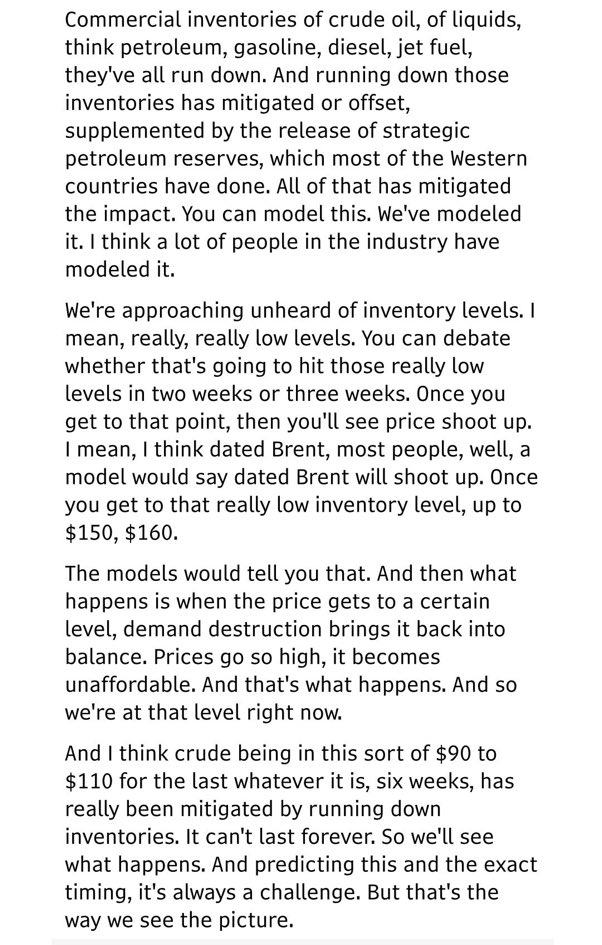
Everyone should read what Senior Vice President of Exxon Neil Chapman says about the oil price surge coming in 2-3 weeks
The next wave of the energy shock is approaching fast
@MehdiKharratya آیا رفتن به سمت خروج از NPT باعث تحدید وجودی اسرائیل نمیشه و اونها حملهی پیشدستانهی اتمی نخواهند کرد؟
چرا در عوض ما این سناریو رو نمیچینیم که اسرائیل باید جزو NPT قرار بگیره و براش اسرار کنیم؟
چرا بجای رفتن به سمت سلاح اتمی پیمانی با پاکستان و کرهی شمالی نمیبندیم مثلا؟
@ahwaz2025@MehdiJalali اگر مواردی که آقای جلالی ریتوییت کردند رو دنبال کنید، تقریبا ۸۰ درصد مطالب همون هستند.
اسپیسها هم البته دو دفعه اخیر فقط نیم ساعت اول تحلیل خودشون بود.
اما مطالب خانم زرگر که و بقیه رو میتونید به گروک، هوش مصنوعی توییتر بگید که براتون خلاصه کنه اسپیس رو.
The limitations of American arsenal to obliterate Iran
President Trump has announced on more than one occasion that Iran would have its infrastructure destroyed and be reduced to the Stone Age if it did not meet American demands. However, this task is not so simple and is not fully within the reach of the current American arsenal.
According to the most recent data, Iran has between 130 and 150 large power generation units in full operation.
When medium-sized plants and small distributed power stations are added, the total number of generation points connected to the national grid exceeds 1,000, forming a highly decentralized system designed to withstand high-intensity conflicts.
Iran’s oil and derivatives infrastructure includes approximately 350 to 400 main facilities, distributed among processing, storage, and export units. These include 9 main refineries, 66 drilling platforms, and more than 10 large complexes, occupying a combined area of over 500 km² spread across Iranian territory.
To obliterate both the electrical and oil sectors, multiple waves of missiles and guided bombs would be required against each of these targets. We would be talking about 6,000 to 10,000 projectiles, attacks that would take weeks and for which the ammunition simply does not exist in the American arsenal available today, except for short-range bombs.
During the war that began on February 28, joint US and Israeli attacks dropped between 30,000 and 40,000 tons of bombs and guided missiles on Iran. For comparison, in the 1991 Gulf War, the US-led coalition dropped about 88,500 tons of bombs in 43 days.
Today, repeating that volume over 40 days would require much greater exposure of American aviation at a time when Iranian air defenses have been expanded, modernized, and redistributed. This is because, at the required quantity, the US would largely depend on JDAM bombs, with a range of approximately 28 km, and the JDAM-ER version, with a range of around 80 km.
While JASSM-ER missiles and Tomahawks were the most used weapons in the first phase of the war, this ratio would now be reversed.
The operational inventory of JASSM-ER missiles before the start of the war was approximately 2,300 units. The Tomahawk inventory was around 4,000. The US has already used about 27% to 30% of its entire global Tomahawk stockpile in the first 40 days of the conflict.
The shortage is so concrete that the Pentagon informed Japan that the planned delivery of 400 Tomahawks would be delayed, as new missiles were being redirected to the front lines.
RTX (Raytheon) announced a plan to increase production to 1,000 missiles per year, but reaching that scale will take time and massive investment in the industrial base.
Read the full article:
https://t.co/snDZH4fjNL