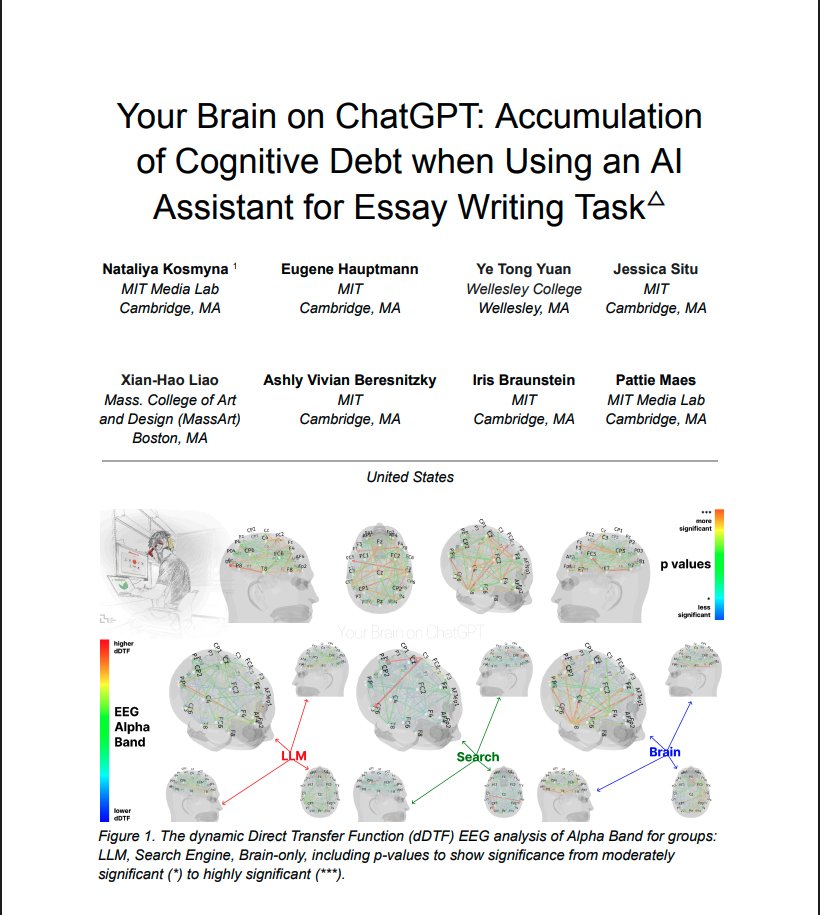
BREAKING: MIT just completed the first brain scan study of ChatGPT users & the results are terrifying.
Turns out, AI isn't making us more productive. It's making us cognitively bankrupt.
Here's what 4 months of data revealed:
(hint: we've been measuring productivity all wrong)
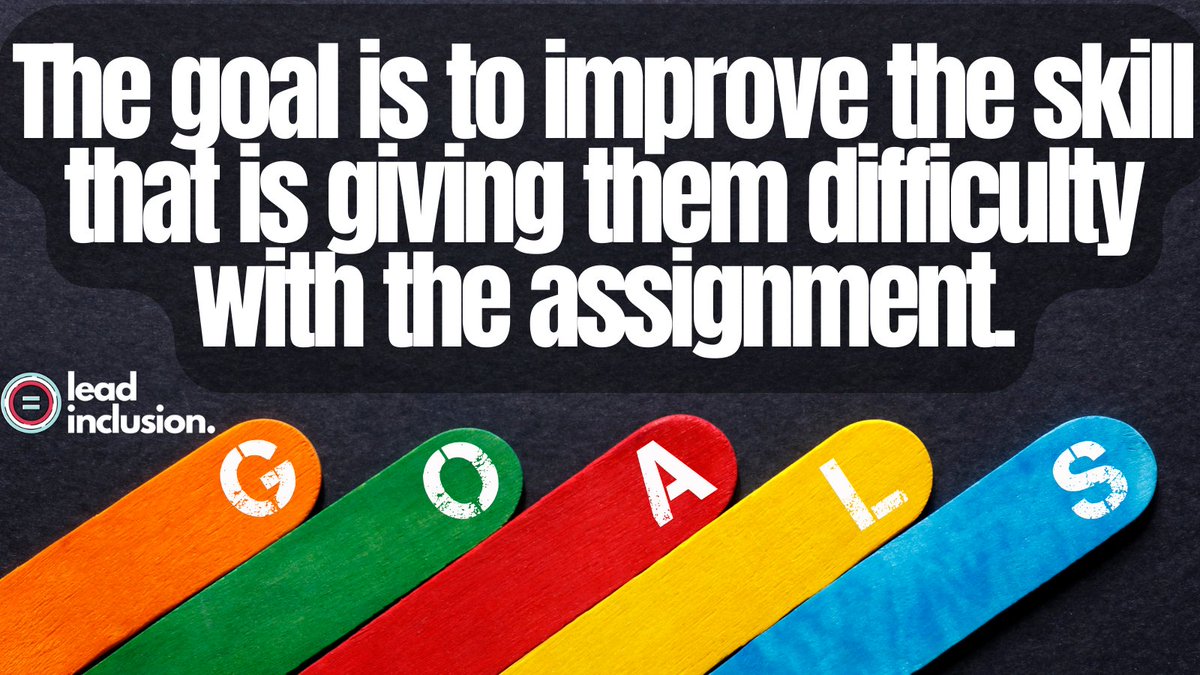
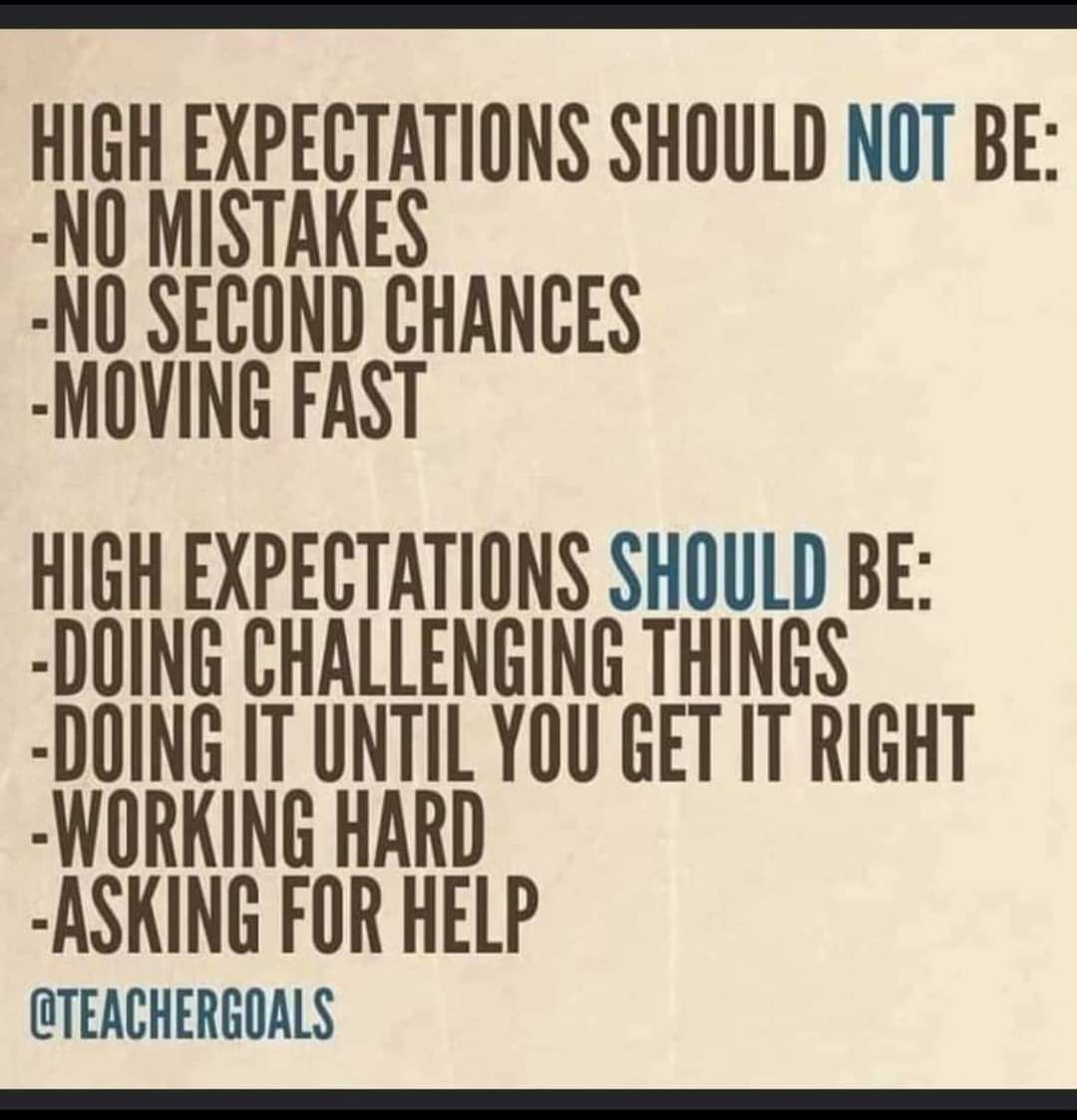
If a student is having trouble with an assignment, the goal isn't to get through the assignment. The goal is to improve the skill that is giving them difficulty with the assignment. #LeadInclusion#TeacherTwitter#UDL#InclusiveEd#EdLeaders
🧠🧠✨ Struggling with slow processing speed in your classroom? Check out these effective classroom modifications to support your students! These strategies can create a more inclusive #learning environment.
https://t.co/g9fSZOwZdO via @ils_learning#teaching#edutwitter
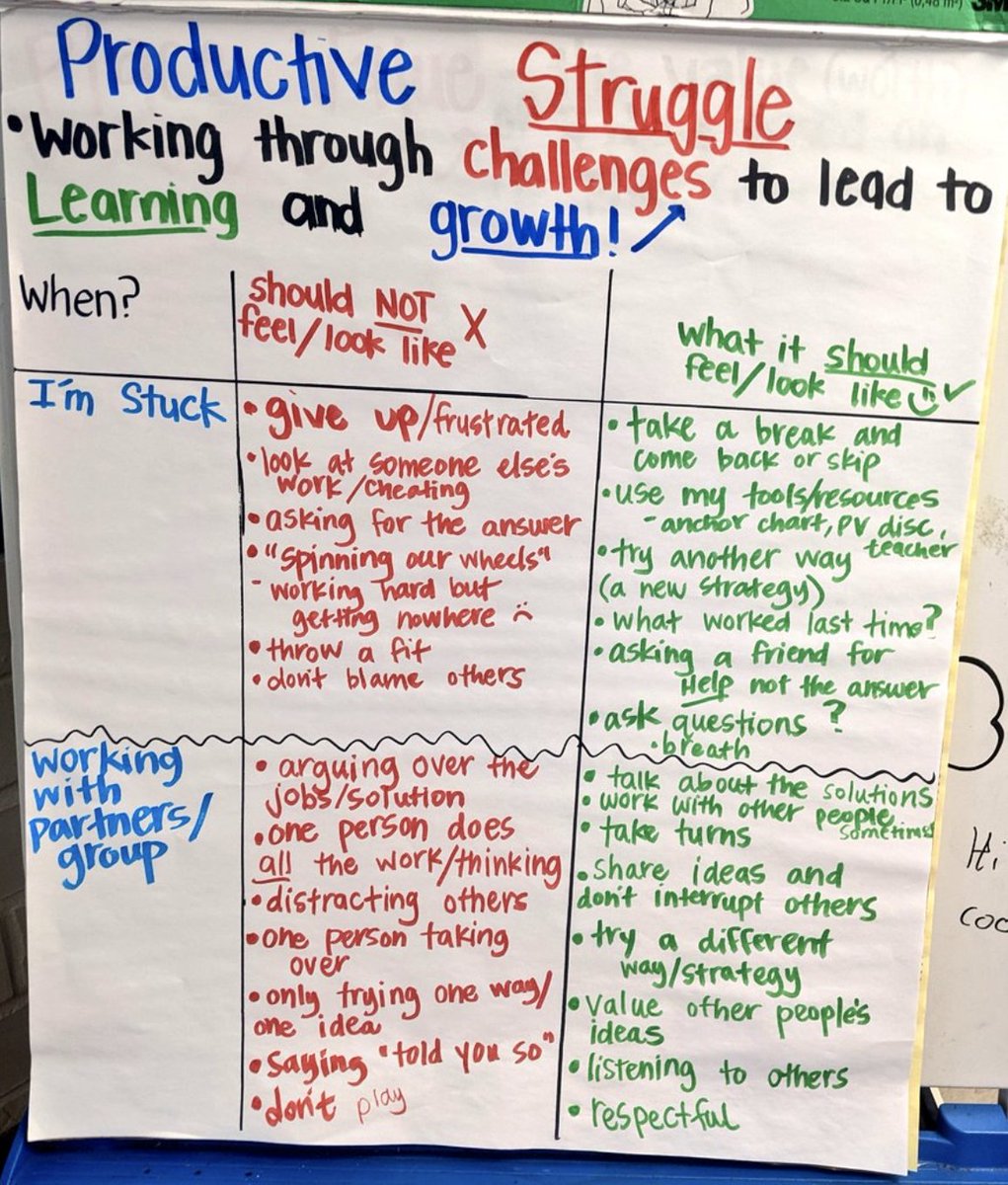
What does "productive struggle" mean to your Ss?
The definition educator @KatieP1120 and her Ss come up with is a cornerstone in their classroom all year long!
Here's how she does it: https://t.co/Kcz3f2vw7X
Math worksheets without pre-worked examples can be nothing but problems. Start putting the power of pre-worked examples to work for you and your students today at https://t.co/wdwYh1WzP0.
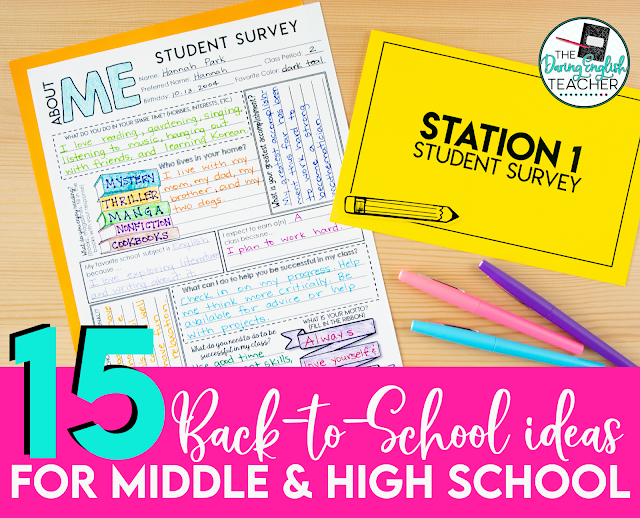
It's back-to-school time! Start planning engaging activities for the first week to kick off the new school year with excitement and energy.
https://t.co/pIwWOZU6WS via @DaringEnglish#teachertwitter#mschat#hschat
When people age, they accumulate biological damage that eventually reaches a tipping point and leads to a cascade of catastrophic health issues.
The same thing happens to students learning mathematics.
Students accumulate knowledge gaps as they progress through math, and they stop taking math classes once the number of gaps reaches a tipping point and spirals out of control.
Knowledge gaps can form in a variety of ways. To name a few:
• A student may get stuck on foundational topics yet still be required to complete homework on more advanced topics, leading them to scrape by without really understanding the subject matter. Even a grade of B+ or A- means that there are things in the course that the student never completely grasped, much less mastered.
• Students typically do not review material learned in previous years (unless it just happens to be practiced implicitly while attempting to learn new content), and they often do not even review material from their current year unless they are preparing for a test. This leads them to forget what they’ve learned -- often so severely that they need to re-learn it from scratch when it shows up again in the future.
• Gaps can also be created if a student takes a course that is watered down or otherwise not comprehensive. When a future course assumes prior knowledge that the student never actually learned, that’s a gap.
Now here’s the real kicker: gaps beget more gaps.
Once you have a gap, you are unable to fully understand any new information further down that learning path. The gap proliferates.
Consequently, once a student amasses a critical number of gaps, things spiral out of control and a vicious cycle kicks off.
1. The cycle begins with a student trying to imitate procedures cookbook-style, without really understanding what’s going on, because they can’t intuitively grasp any of the new material that they’re being taught.
2. Soon after that, they find themselves unable to solve any problems that involve critical thinking or many steps.
3. Finally, they stop taking math classes because they feel it’s impossible to succeed no matter how hard they try.
The student may interpret this situation as "I'm not smart enough to learn more math" -- when in fact, their mathematical lifespan could have been extended simply by having their knowledge gaps detected and repaired.
1/ What’s the greatest breakthrough in the science of education over the last century?
Characterizing the mechanics of learning in the brain. Learning is all about the interplay between working memory (WM) and long-term memory (LTM).
If you understand that, then you can actually derive – from first principles – the methods of effective teaching.
The science of reading is for older students, too! Here’s how to integrate research-backed practices into your daily instruction—and encourage joyful, deep reading. 📘✨ https://t.co/kjLGxtSvT2
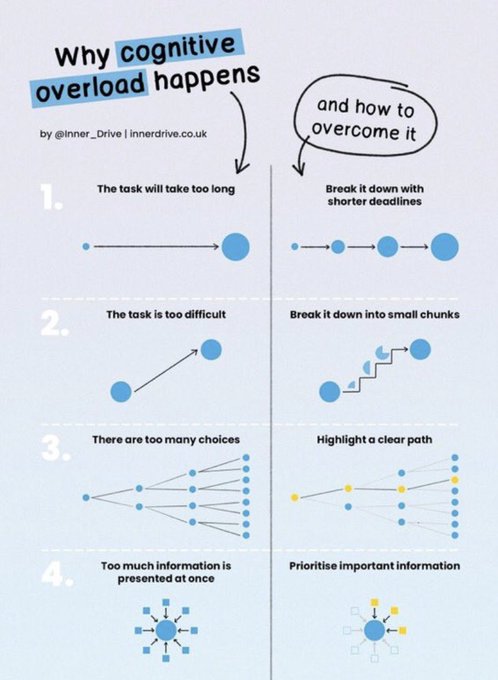
"I’m always arguing for rigor for everyone – in the context of each child’s zone of proximal development. This infographic does a fantastic job of operationalizing scaffolding." —Leader @TracyAMatthews
(Via @Inner_Drive)
This is a huge day for @X.
My documentary, Cancer: A Food-Borne Illness, is finally here.
It is only on this platform that I am able to release a film that challenges big food conglomerates and mainstream health claims without fear of censorship.
Here is the story of how I, an 18 year old girl, spent 2 years relentlessly searching for the for the true cause of cancer.
Here's what I found:
"It is my job to help all my students belong ... This means part of my job is to educate the wider community about the needs of a child who may be perceived as “different” to help them become embraced as part of the community."
#specialeducation#education#autism#teachers #leadership #sped #teachertwitter