Posterior knee pain differential diagnosis.
I’ve focused on the more common injuries but it’s worth noting that bone stress injuries (such as tibial stress fractures) and bone tumours can also cause posterior knee pain, although they are more rare.
Kaplan et al. conducted a systematic review & qualitative evidence synthesis to explore the perspectives of patients & parents on ACL injury & care.
⭐️”ACL injuries have profound & lasting impacts on a patient's physical, emotional, & social identity.”
The Endurance Performance Pyramid.
Start with a strong base of consistently, recovery and fuelling and then progress up the pyramid by building volume then adding intensity and S&C.
Consult a Running Coach for a plan to achieve your goals 🥇
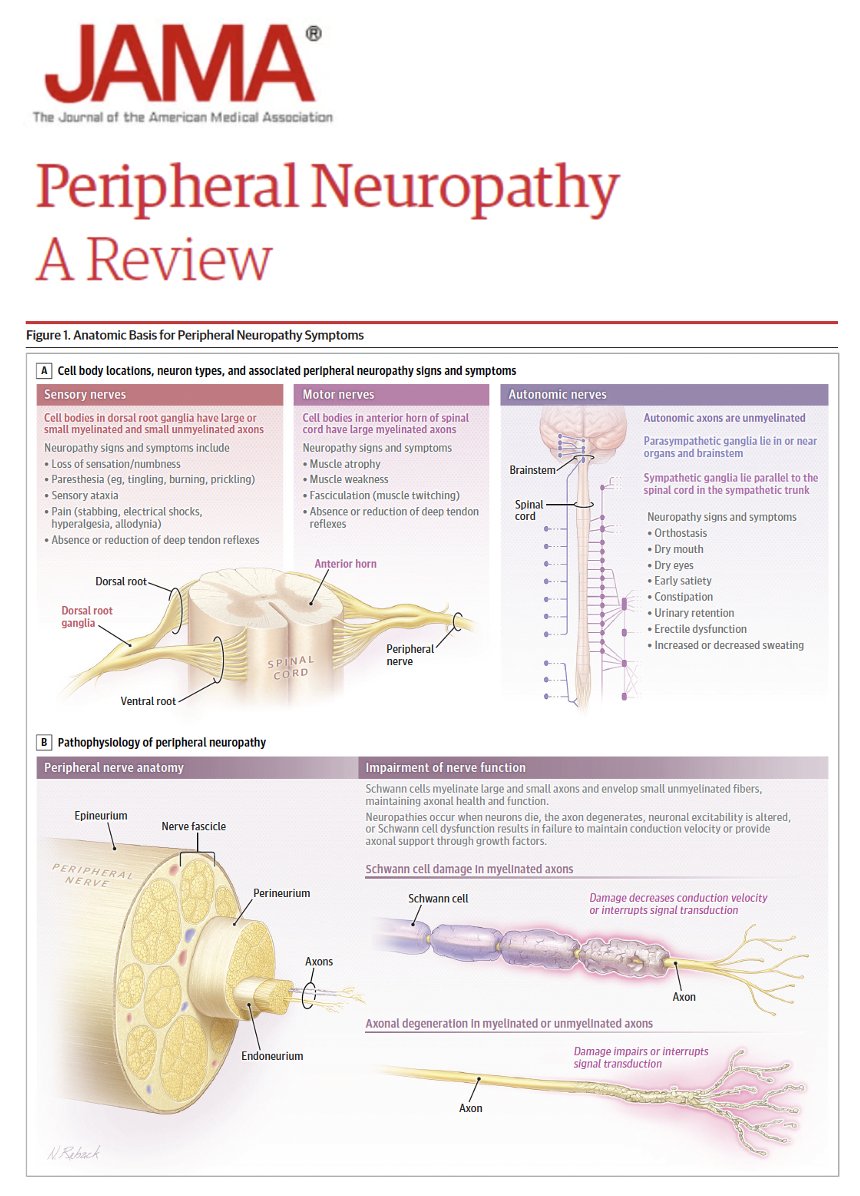
A 2025 neuropathy update: What does every family needs to know about numb feet and other body parts? One of every hundred people will develop neuropathy. Neuropathy refers to injury or dysfunction of peripheral nerves that carry sensory, motor and autonomic information throughout the body. Michelle Mauermann and colleagues describe in a new paper in JAMA the latest advances in diagnosing and treating neuropathy.
Key Points:
- Peripheral neuropathy affects about 1 percent of adults worldwide and usually presents in a length dependent pattern starting in the toes before moving upward.
- Diabetes remains the leading cause of neuropathy and many folks also develop neuropathy from nutritional issues, alcohol use, medications or genetic factors.
- First line medications for neuropathic pain include gabapentin, pregabalin, duloxetine and amitriptyline, however pain relief is frequently incomplete.
My take: Many diseases include neuropathy (numbness or sensory loss) as a feature. Also, it is possible to have neuropathy + another disease. It is also possible to take too many vitamins like B6 and to develop a neuropathy from the vitamins. I love this review article, and these 5 points resonated w/ me: 1- Recognize early symptoms such as numbness, tingling or burning in the toes before it spreads. 2- Understand that diabetes, nutritional deficiencies, alcohol use, and certain medications are frequent culprits. 3- Know that B12 levels, glucose measures and monoclonal protein testing are key starting labs for figuring out the cause. 4- Realize that pain therapies help many folks, however they rarely remove symptoms completely. 5- Remember that foot care, safe shoes and daily skin checks can prevent dangerous complications.
https://t.co/k0Q9X9xfZf @ACPIMPhysicians@FixelInstitute@ParkinsonDotOrg@JAMANeuro@JAMA_current
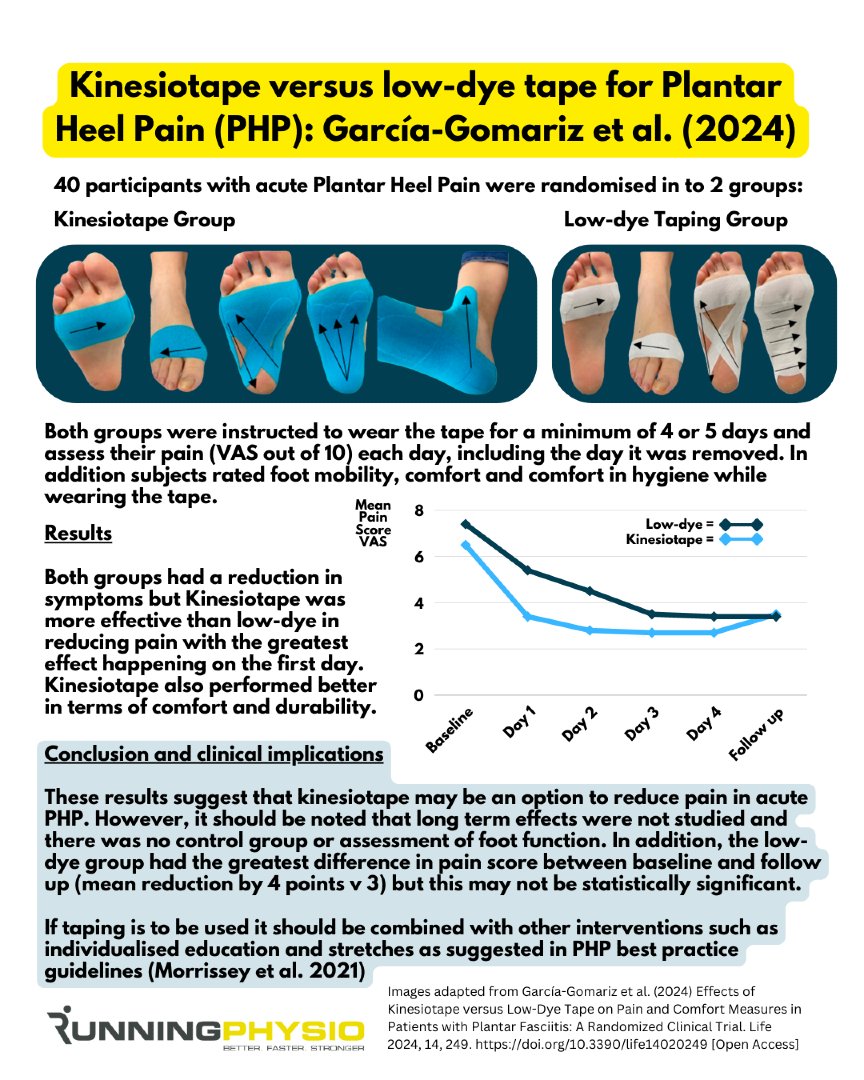
Kinesiotape or low dye tape for Plantar Heel Pain?
Both strategies may be effective for short term pain reduction in PHP. Consider patient preference, goal activities and previous response to taping.
❄️ COLD THERAPY (Cryotherapy)
Purpose: Reduce inflammation, numb pain, and slow down cellular damage.
When you apply ice or a cold compress, blood vessels constrict (called vasoconstriction). This limits swelling, slows nerve transmission of pain, and prevents further tissue damage — especially useful right after an injury.
📚 Research Highlights:
A 2018 review in the Journal of Athletic Training found that cold therapy significantly reduces swelling and pain in acute soft-tissue injuries when applied within the first 48 hours.
A 2021 study in Sports Medicine showed cryotherapy decreases nerve conduction velocity, explaining its powerful pain-numbing effect.
American College of Sports Medicine guidelines recommend 20 minutes on / 20 minutes off intervals to prevent skin or nerve damage.
✅ Best For:
Sprains, strains, bruises
Post-surgical inflammation
Migraines or tension headaches
Minor burns or overuse soreness
⚠️ Avoid if:
You have poor circulation, cold sensitivity, or chronic tightness — cold can make muscles stiffer over time.
---
🔥 HEAT THERAPY (Thermotherapy)
Purpose: Increase blood flow, relax muscles, and accelerate tissue repair.
Heat works by causing vasodilation, expanding blood vessels and improving oxygen delivery to stiff or sore areas. It also reduces muscle guarding and promotes flexibility in fascia and joints.
📚 Research Highlights:
Studies published in Clinical Rehabilitation found that applying heat for 15–30 minutes increases tissue elasticity and reduces muscle spasms.
A 2020 study in Pain Research and Management demonstrated that localized heat therapy reduces chronic lower back pain intensity by up to 50% compared to placebo treatments.
Long-term use supports parasympathetic activation (the “rest and repair” state), improving overall recovery and stress reduction.
✅ Best For:
Muscle stiffness or tension
Chronic back or neck pain
Arthritis or joint soreness
Menstrual cramps
Muscle spasms
⚠️ Avoid if:
There’s active inflammation, swelling, or bruising — applying heat too early can worsen tissue damage.
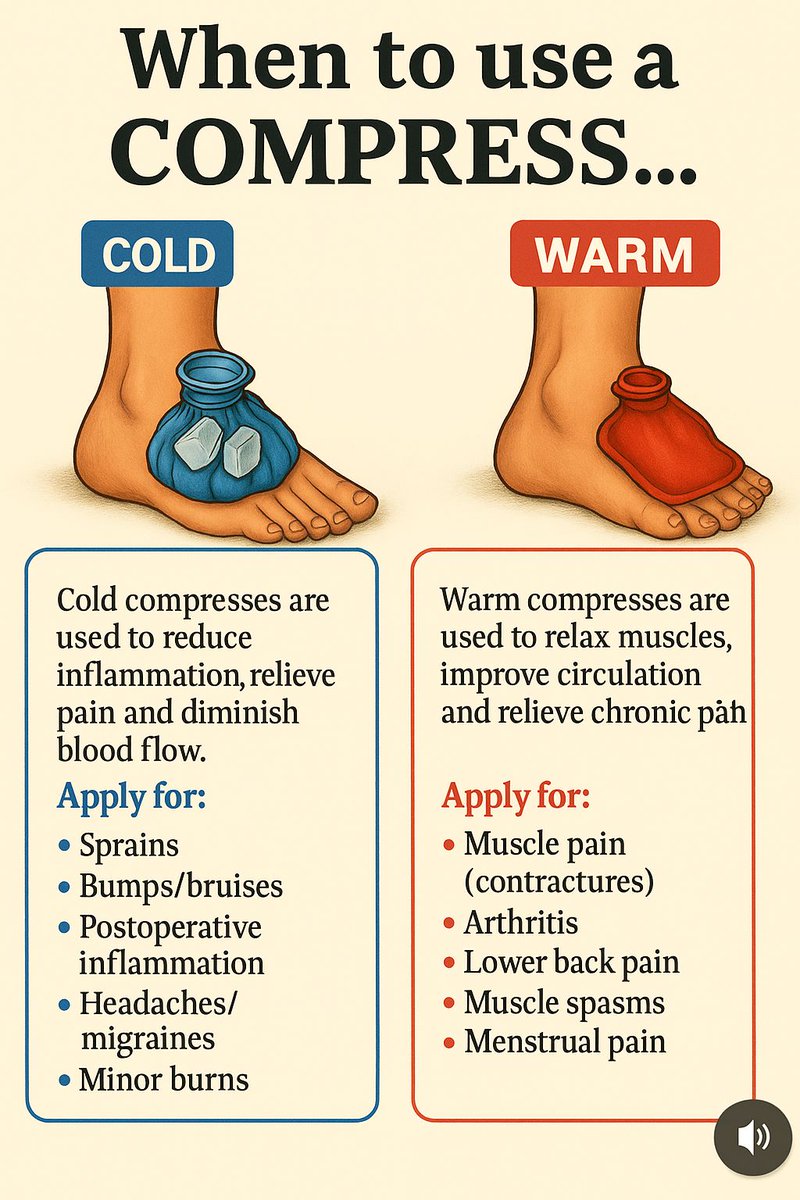
When to use COMPRESS...
COLD
Cold compresses are used to reduce inflammation, relieve pain, and decrease blood flow.
They are applied to:
• Sprains
• Blows/bruises
• Postoperative inflammation
• Headaches (migraines)
• Minor burns
HOT
Hot compresses are used to relax muscles, improve circulation, and relieve chronic pain.
They are applied to:
• Muscle pain (strains)
• Arthritis
• Back pain
• Muscle spasms
• Menstrual pain
Share with others and save it for later