@PayPal I was doing a 10 dollars transaction, that was failed, but I was still charged a dollar on my card, I tried twice and hence was charged 2 dollars.
What is the situation here?
Whenever I start to feel that spark with someone (a new friend, a potential cofounder, someone I might want in my life for the long haul) I reach for what I call my brunch table theory.
I imagine a long brunch table in my parents’ home. Sunlight, steel cutlery, hum of multiple conversations. My parents, my sister, my closest friends, all the people who know me in ways I don’t always know myself. And then, in that mental picture, I seat this new person right in the middle of it all.
Do they shrink? Do they perform? Do they try too hard? Do they relax into the rhythm of the room?
Who do they sit next to?
What stories do they choose to tell?
What do they ask my family?
What do they clock quietly and respond to instinctively?
The brunch table theory works because it removes the performance. When you place someone in a space filled with the people who actually matter to you, the mask slips. You see the version of them that shows up when they’re surrounded by your non-negotiables.
But there’s another part of the theory that matters even more: the butter test.
Picture this:
The table is buzzing. Someone is pouring juice, someone is laughing at a bad joke, someone is passing around the aloo tikki that always finishes too fast. The butter dish is almost empty.
Now what does this person do?
There are three broad possibilities:
1. They take the last pat of butter for themselves.
Not evil. Not dramatic. But telling. This is someone who monitors scarcity first. Who looks at “not enough” and prioritises self. A lot of people move through the world like this, not out of malice but out of unexamined habit.
2. They point out the empty dish and expect someone else to fix it.
This is the passive participant. They notice, but they won’t intervene unless nudged. Their default setting isn’t selfishness, but it also isn’t contribution.
3. They get up, hunt for the butter, and refill the dish without fanfare.
These are the people who treat belonging as a verb. They assume responsibility for small comforts. They don’t outsource care. They don’t wait to be asked.
The third type, that’s my table. That’s my family. Those are my people.
The brunch table theory works because it tests for something most realities overlook: micro-kindness. Not grand gestures, not intention wrapped in eloquent language, but the tiny, boring behaviours that reveal character.
Anyone can tell a good story over brunch.
Anyone can be charming for two hours.
But the butter test tells you if they know how to be with people, how to stitch themselves into a moment without expecting applause.
Relationships aren’t built on birthdays and anniversaries and big highs. They’re built on the hundreds of unnoticed refills (butter, water, emotional bandwidth, patience, humour) that we contribute without keeping score.
Your brunch table is a proxy for your life.
Your family’s quirks mirror your non-negotiables.
Your friends’ instincts mirror your values.
Their dynamics are a blueprint for the kind of environment you thrive in.
So if someone can’t sit in that ecosystem, connect gently, care instinctively, participate without performing…what are the odds that they’ll show up for you in the long run?
Over the years, people have joined and left my imaginary table. Some failed the butter test in ways that were obvious right from the start. Some passed in small, surprising ways that made me rethink my assumptions. But the table has remained.
If I can’t imagine breaking bread with you, sharing my people with you, trusting you with the micro-gestures that make my world function…
you’re not my person.
The brunch table theory works because it isn’t about manners or hospitality or “being nice.” It’s about the kind of person who believes that comfort is something we create together.
And that is who I want in my life.
@Razorpay I was supposed to receive a 100 rs amazon pay gift card on my transaction, haven't received anything, why even advertise if there is no follow up?
@ZoomcarBLR@zoomcarvictim I had booked a car on zoomcar, now upon returning the car, that too early, the owner is claiming a dent, and trying to extort me for money, now i have returned the car, but the owner has not given me the pin to end the trip, neither is zoomcar helping.
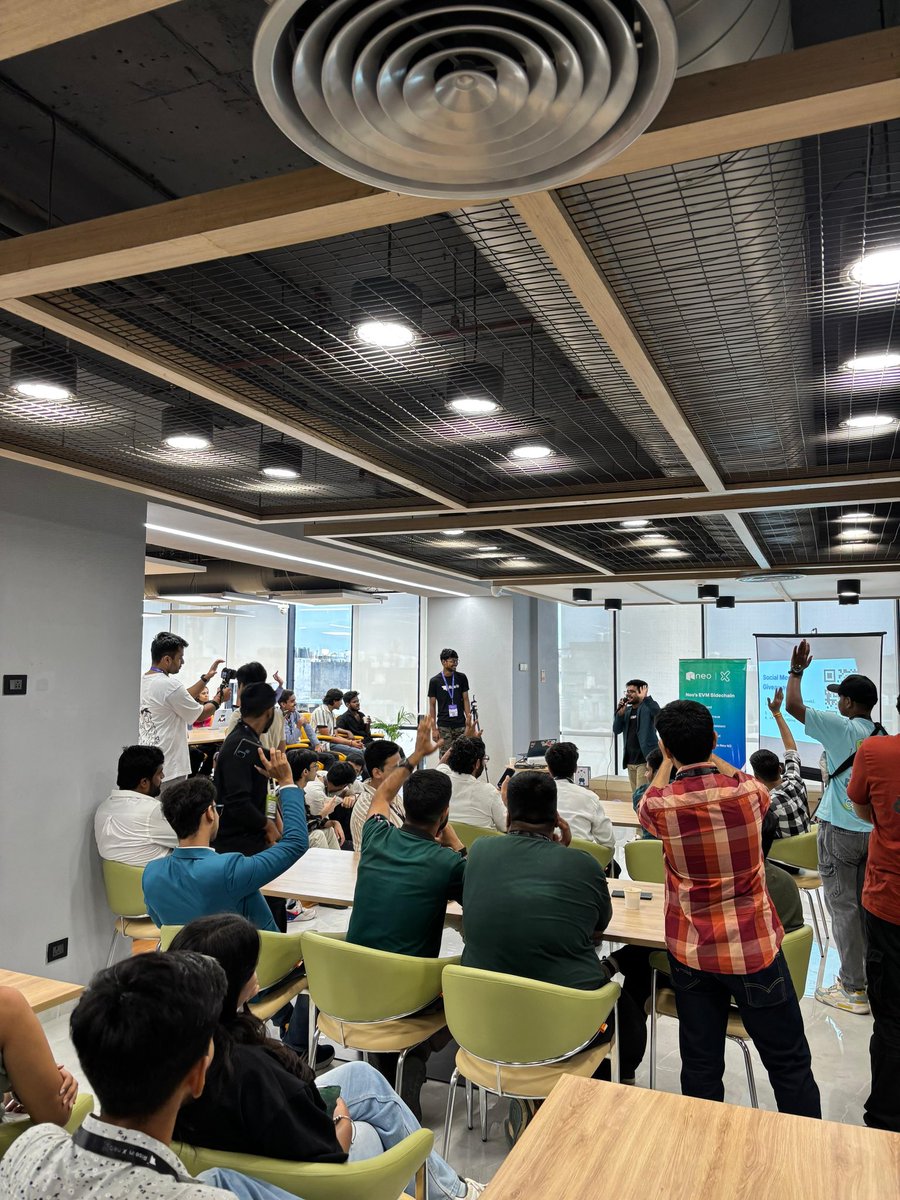
Super excited to participate in the NeoX Grind Hackathon, Rise In edition, happening in Delhi! 🚀 Ready to innovate, build, and grind with the best minds in Web3. Let’s make something amazing on NeoX! 🔥