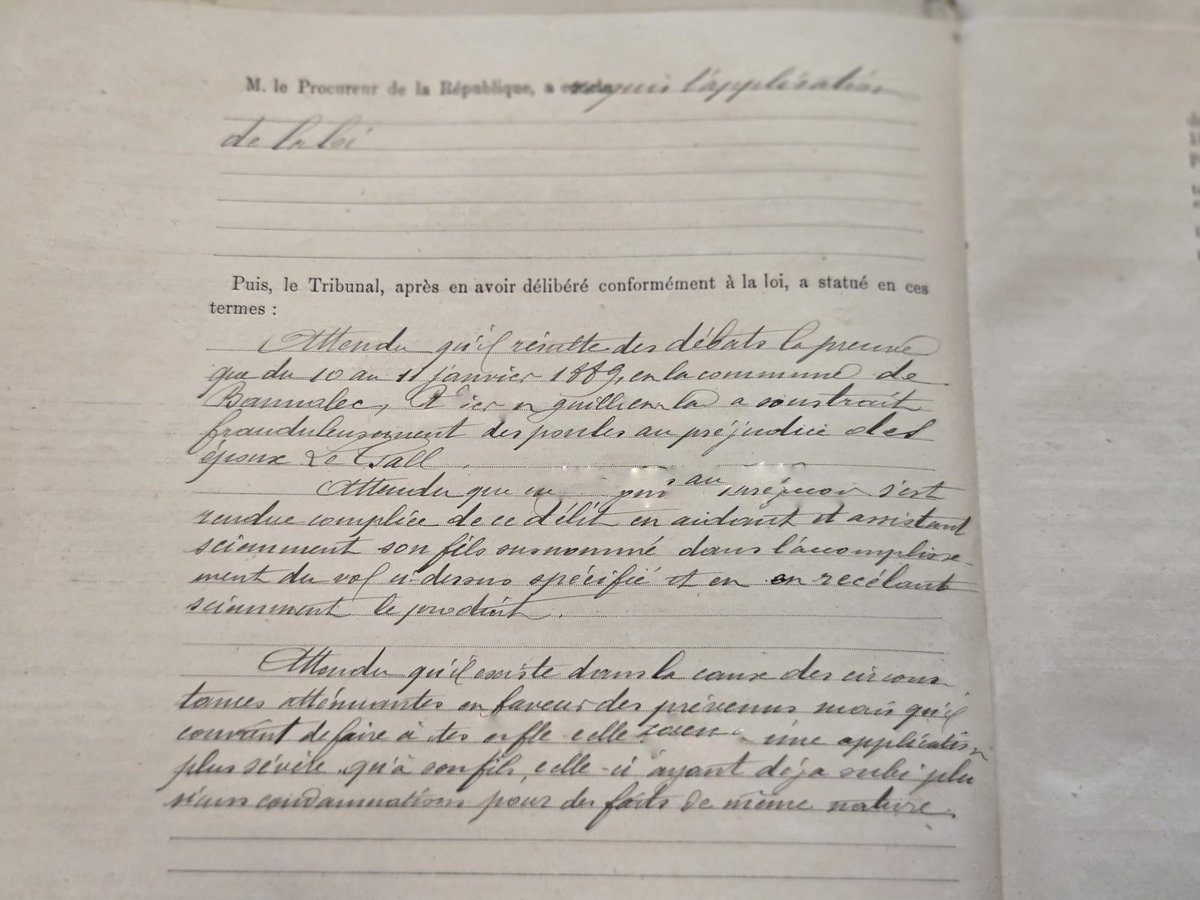
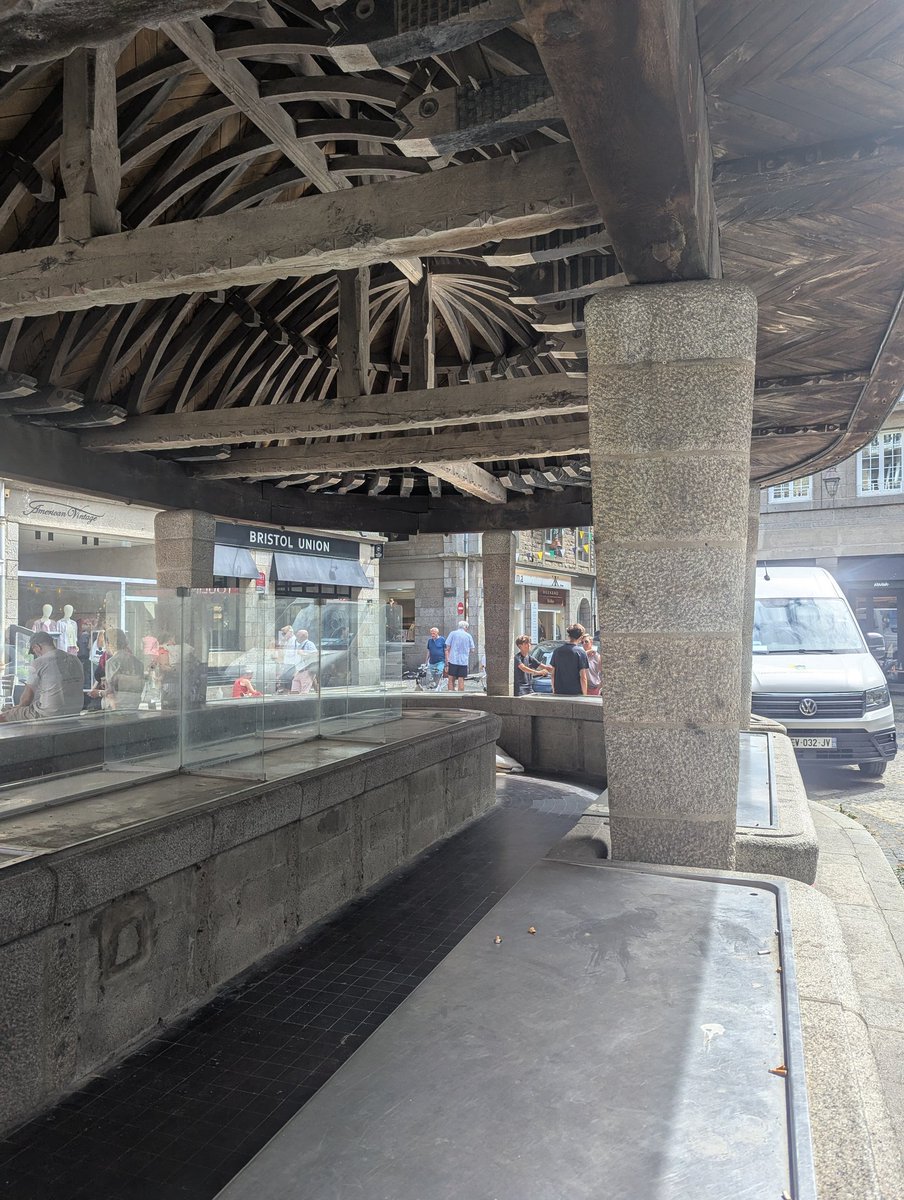
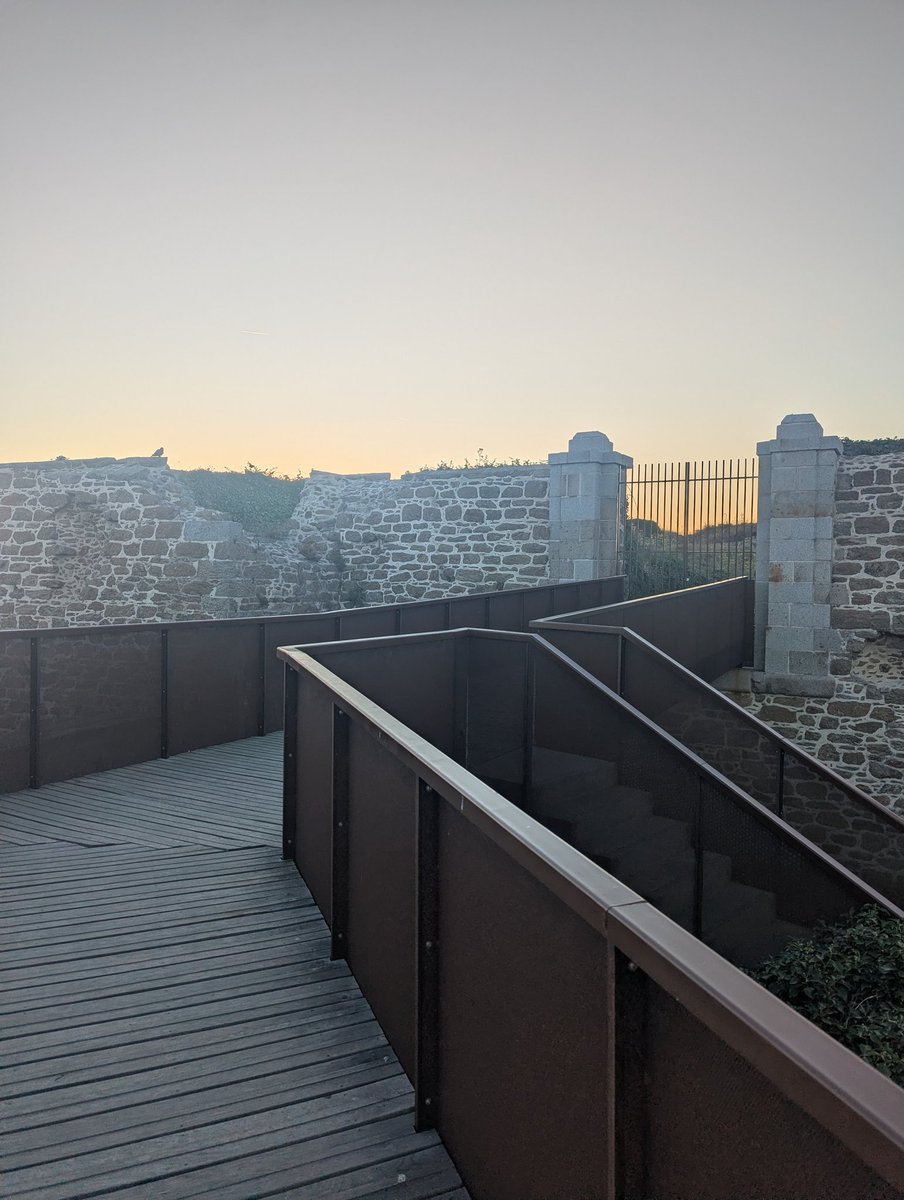
Sinon a accompagné ma tante mordue de généalogie aux archives de Quimper pour savoir pourquoi notre arrière arrière (...) grand-mère avait fait de la prison en 1889
Je descends donc d'une voleuse de poules récidiviste
Appetite for architecture. How to roast whole oxens, harness prevailing winds, be the first to utilize cast iron construction in Portugal.
The Alcobaça kitchen is an 18th-century meat-processing cathedral jammed between refectory and monks’ hall—tiled floor-to-ceiling in clinical white-and-blue azulejos, built over the old warming room because the previous setup couldn’t handle the volume once the Cistercians quietly dropped the no-flesh rule three days a week.
Under the central fire-pit they roasted whole oxen. Actual entire oxen. Plus mutton posts, river fish still twitching from the Alcoa canal that ran straight through the floor tank, venison piles, sausage, sugar-rocks of pastry, Brazilian messes, even Chinese bird’s-nest and shark-fin experiments by a transplanted lay brother. Bread and heroic wine rations. Rabbits from the attached warren. The kind of caloric theater that turned “ora et labora” into fat-waddling monks who needed a narrow shame-door just to fetch seconds.
The chimney is the real star: a 26-meter glazed-tile rocket shaft, the monastery’s second-tallest structure, held up by eight cast-iron columns—Portugal’s first structural iron, maybe Europe’s—engineered specifically so the northwest wind wouldn’t blow ox-smoke back into the church. Two side hearths feed the same throat. Water in, grease out. A perfect machine for turning spiritual restraint into rendered fat and tourist awe.
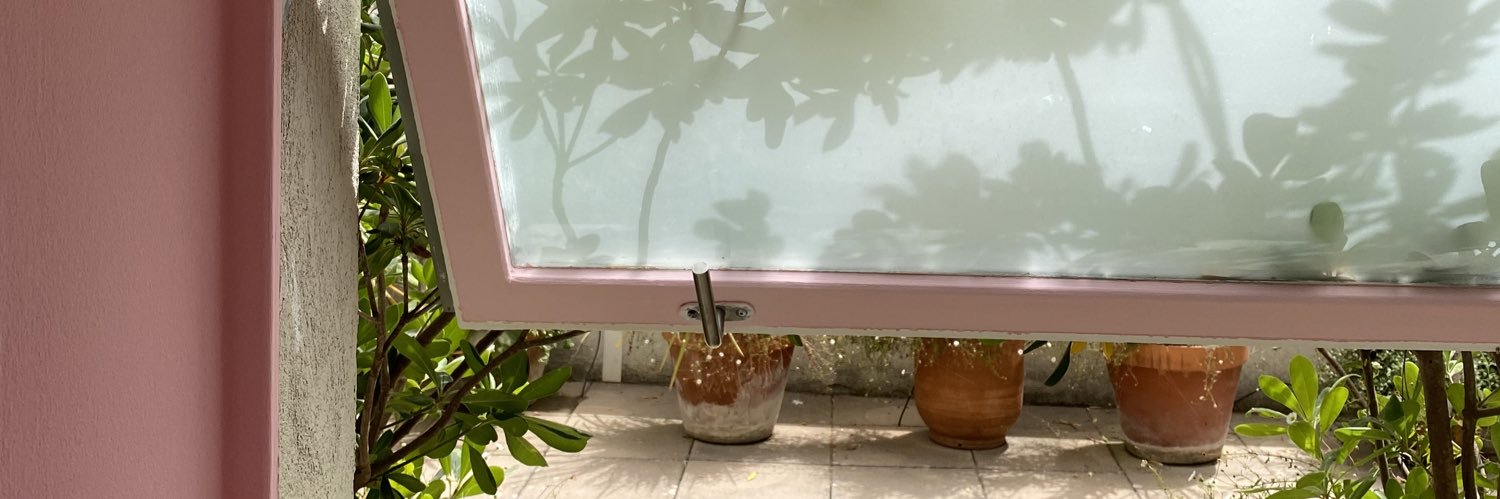
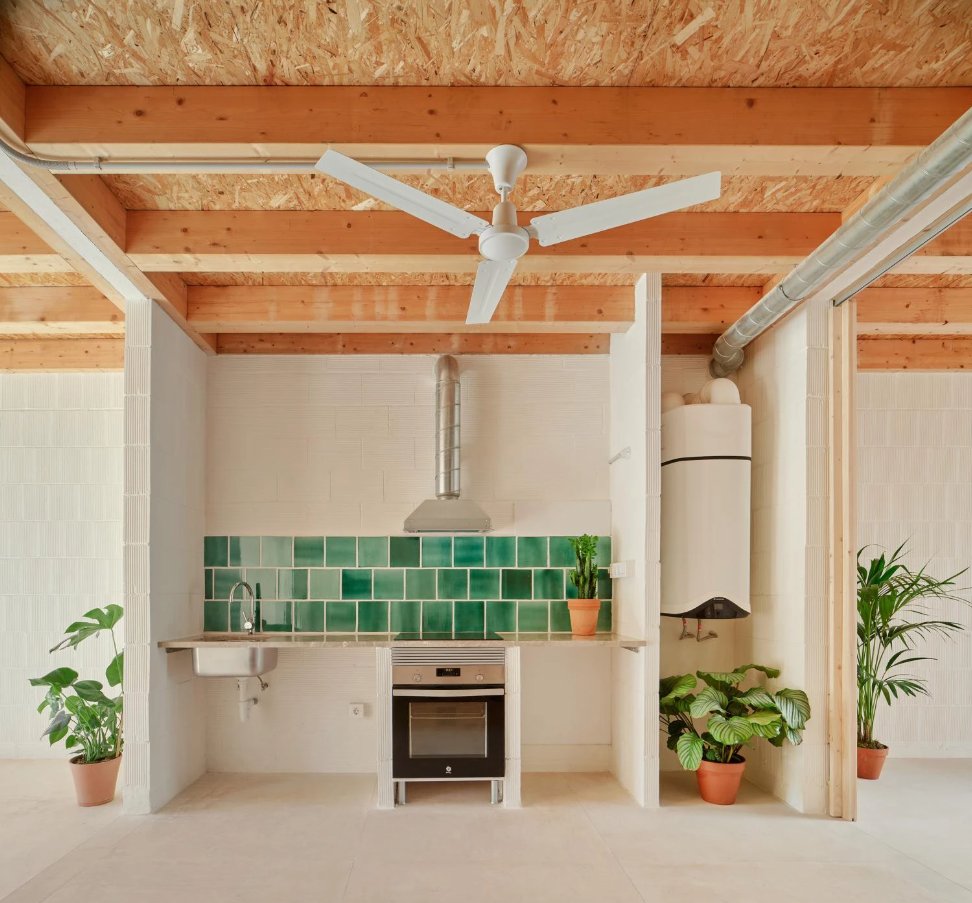
Ensemble de 6 logements sociaux à Majorque, par Alventosa Morell Arquitectes, 2024
Ce que proposent les Baléares en termes d'architecture contemporaine ces dernières années... 🤯