Will AI take your job?
Here's a story that might give you the answer.
In 1980, a manager who wanted to send a memo usually didn't write it himself. He dictated it, or scribbled a draft, and handed it to a typist. She typed it. He marked it up. She retyped the entire thing. Back and forth until it was right.
Then word processors made typists 10x more productive. In theory.
But that’s not what happened. Typists disappeared entirely.
Why? Because word processors made it far more efficient for the manager to type the memo himself.
An entire feedback loop vanished. The person who knows what needs to be done, could produce the document directly, faster than a team of typists ever could.
Typing didn't die. It became part of everyone's job.
So - The real risk to your job is that AI makes it far more efficient for the person who KNOWS what needs to be done, to skip you entirely.
The product manager stops asking the analyst for a first-pass summary. The partner drafts the clause instead of assigning it to an associate. The founder ships a prototype without routing it through engineering.
There will be MORE output. But less of it will be produced by the specialist roles of today.
So how do you know if your job will survive?
Ask where you sit in the workflow:
1. Who knows what needs to be done?
2. Who can verify the result?
3. Who is accountable for the work?
Are you one of these people?
If yes, the productivity gain makes you more valuable and you will be the one taking the jobs of others. If no, somebody else - your boss, probably - will just do it himself.
The world won't stop typing.
It will just need far fewer typists.
Will AI take your job?
Here's a story that might give you the answer.
In 1980, a manager who wanted to send a memo usually didn't write it himself. He dictated it, or scribbled a draft, and handed it to a typist. She typed it. He marked it up. She retyped the entire thing. Back and forth until it was right.
Then word processors made typists 10x more productive. In theory.
But that’s not what happened. Typists disappeared entirely.
Why? Because word processors made it far more efficient for the manager to type the memo himself.
An entire feedback loop vanished. The person who knows what needs to be done, could produce the document directly, faster than a team of typists ever could.
Typing didn't die. It became part of everyone's job.
So - The real risk to your job is that AI makes it far more efficient for the person who KNOWS what needs to be done, to skip you entirely.
The product manager stops asking the analyst for a first-pass summary. The partner drafts the clause instead of assigning it to an associate. The founder ships a prototype without routing it through engineering.
There will be MORE output. But less of it will be produced by the specialist roles of today.
So how do you know if your job will survive?
Ask where you sit in the workflow:
1. Who knows what needs to be done?
2. Who can verify the result?
3. Who is accountable for the work?
Are you one of these people?
If yes, the productivity gain makes you more valuable and you will be the one taking the jobs of others. If no, somebody else - your boss, probably - will just do it himself.
The world won't stop typing.
It will just need far fewer typists.
@AmIsraelChai30@EllaTravelsLove אתה חי בסרט, עד המהפך ב- 1977 היתה מכסה של 800 דחויי שירות והשאר התגייסו, בין השאר לנח״ל החרדי שהופעל על ידי אגודת ישראל.
Will AI take your job?
Here's a story that might give you the answer.
In 1980, a manager who wanted to send a memo usually didn't write it himself. He dictated it, or scribbled a draft, and handed it to a typist. She typed it. He marked it up. She retyped the entire thing. Back and forth until it was right.
Then word processors made typists 10x more productive. In theory.
But that’s not what happened. Typists disappeared entirely.
Why? Because word processors made it far more efficient for the manager to type the memo himself.
An entire feedback loop vanished. The person who knows what needs to be done, could produce the document directly, faster than a team of typists ever could.
Typing didn't die. It became part of everyone's job.
So - The real risk to your job is that AI makes it far more efficient for the person who KNOWS what needs to be done, to skip you entirely.
The product manager stops asking the analyst for a first-pass summary. The partner drafts the clause instead of assigning it to an associate. The founder ships a prototype without routing it through engineering.
There will be MORE output. But less of it will be produced by the specialist roles of today.
So how do you know if your job will survive?
Ask where you sit in the workflow:
1. Who knows what needs to be done?
2. Who can verify the result?
3. Who is accountable for the work?
Are you one of these people?
If yes, the productivity gain makes you more valuable and you will be the one taking the jobs of others. If no, somebody else - your boss, probably - will just do it himself.
The world won't stop typing.
It will just need far fewer typists.
Will AI take your job?
Here's a story that might give you the answer.
In 1980, a manager who wanted to send a memo usually didn't write it himself. He dictated it, or scribbled a draft, and handed it to a typist. She typed it. He marked it up. She retyped the entire thing. Back and forth until it was right.
Then word processors made typists 10x more productive. In theory.
But that’s not what happened. Typists disappeared entirely.
Why? Because word processors made it far more efficient for the manager to type the memo himself.
An entire feedback loop vanished. The person who knows what needs to be done, could produce the document directly, faster than a team of typists ever could.
Typing didn't die. It became part of everyone's job.
So - The real risk to your job is that AI makes it far more efficient for the person who KNOWS what needs to be done, to skip you entirely.
The product manager stops asking the analyst for a first-pass summary. The partner drafts the clause instead of assigning it to an associate. The founder ships a prototype without routing it through engineering.
There will be MORE output. But less of it will be produced by the specialist roles of today.
So how do you know if your job will survive?
Ask where you sit in the workflow:
1. Who knows what needs to be done?
2. Who can verify the result?
3. Who is accountable for the work?
Are you one of these people?
If yes, the productivity gain makes you more valuable and you will be the one taking the jobs of others. If no, somebody else - your boss, probably - will just do it himself.
The world won't stop typing.
It will just need far fewer typists.
Will AI take your job?
Here's a story that might give you the answer.
In 1980, a manager who wanted to send a memo usually didn't write it himself. He dictated it, or scribbled a draft, and handed it to a typist. She typed it. He marked it up. She retyped the entire thing. Back and forth until it was right.
Then word processors made typists 10x more productive. In theory.
But that’s not what happened. Typists disappeared entirely.
Why? Because word processors made it far more efficient for the manager to type the memo himself.
An entire feedback loop vanished. The person who knows what needs to be done, could produce the document directly, faster than a team of typists ever could.
Typing didn't die. It became part of everyone's job.
So - The real risk to your job is that AI makes it far more efficient for the person who KNOWS what needs to be done, to skip you entirely.
The product manager stops asking the analyst for a first-pass summary. The partner drafts the clause instead of assigning it to an associate. The founder ships a prototype without routing it through engineering.
There will be MORE output. But less of it will be produced by the specialist roles of today.
So how do you know if your job will survive?
Ask where you sit in the workflow:
1. Who knows what needs to be done?
2. Who can verify the result?
3. Who is accountable for the work?
Are you one of these people?
If yes, the productivity gain makes you more valuable and you will be the one taking the jobs of others. If no, somebody else - your boss, probably - will just do it himself.
The world won't stop typing.
It will just need far fewer typists.
Will AI take your job?
Here's a story that might give you the answer.
In 1980, a manager who wanted to send a memo usually didn't write it himself. He dictated it, or scribbled a draft, and handed it to a typist. She typed it. He marked it up. She retyped the entire thing. Back and forth until it was right.
Then word processors made typists 10x more productive. In theory.
But that’s not what happened. Typists disappeared entirely.
Why? Because word processors made it far more efficient for the manager to type the memo himself.
An entire feedback loop vanished. The person who knows what needs to be done, could produce the document directly, faster than a team of typists ever could.
Typing didn't die. It became part of everyone's job.
So - The real risk to your job is that AI makes it far more efficient for the person who KNOWS what needs to be done, to skip you entirely.
The product manager stops asking the analyst for a first-pass summary. The partner drafts the clause instead of assigning it to an associate. The founder ships a prototype without routing it through engineering.
There will be MORE output. But less of it will be produced by the specialist roles of today.
So how do you know if your job will survive?
Ask where you sit in the workflow:
1. Who knows what needs to be done?
2. Who can verify the result?
3. Who is accountable for the work?
Are you one of these people?
If yes, the productivity gain makes you more valuable and you will be the one taking the jobs of others. If no, somebody else - your boss, probably - will just do it himself.
The world won't stop typing.
It will just need far fewer typists.
@RepCasar Congress should not try to stop AI from taking jobs. That is an extreme proposal that would undermine U.S. competitiveness and make it harder for American companies to compete globally.
https://t.co/UYO0wRpkq6
Will AI take your job?
Here's a story that might give you the answer.
In 1980, a manager who wanted to send a memo usually didn't write it himself. He dictated it, or scribbled a draft, and handed it to a typist. She typed it. He marked it up. She retyped the entire thing. Back and forth until it was right.
Then word processors made typists 10x more productive. In theory.
But that’s not what happened. Typists disappeared entirely.
Why? Because word processors made it far more efficient for the manager to type the memo himself.
An entire feedback loop vanished. The person who knows what needs to be done, could produce the document directly, faster than a team of typists ever could.
Typing didn't die. It became part of everyone's job.
So - The real risk to your job is that AI makes it far more efficient for the person who KNOWS what needs to be done, to skip you entirely.
The product manager stops asking the analyst for a first-pass summary. The partner drafts the clause instead of assigning it to an associate. The founder ships a prototype without routing it through engineering.
There will be MORE output. But less of it will be produced by the specialist roles of today.
So how do you know if your job will survive?
Ask where you sit in the workflow:
1. Who knows what needs to be done?
2. Who can verify the result?
3. Who is accountable for the work?
Are you one of these people?
If yes, the productivity gain makes you more valuable and you will be the one taking the jobs of others. If no, somebody else - your boss, probably - will just do it himself.
The world won't stop typing.
It will just need far fewer typists.
Will AI take your job?
Here's a story that might give you the answer.
In 1980, a manager who wanted to send a memo usually didn't write it himself. He dictated it, or scribbled a draft, and handed it to a typist. She typed it. He marked it up. She retyped the entire thing. Back and forth until it was right.
Then word processors made typists 10x more productive. In theory.
But that’s not what happened. Typists disappeared entirely.
Why? Because word processors made it far more efficient for the manager to type the memo himself.
An entire feedback loop vanished. The person who knows what needs to be done, could produce the document directly, faster than a team of typists ever could.
Typing didn't die. It became part of everyone's job.
So - The real risk to your job is that AI makes it far more efficient for the person who KNOWS what needs to be done, to skip you entirely.
The product manager stops asking the analyst for a first-pass summary. The partner drafts the clause instead of assigning it to an associate. The founder ships a prototype without routing it through engineering.
There will be MORE output. But less of it will be produced by the specialist roles of today.
So how do you know if your job will survive?
Ask where you sit in the workflow:
1. Who knows what needs to be done?
2. Who can verify the result?
3. Who is accountable for the work?
Are you one of these people?
If yes, the productivity gain makes you more valuable and you will be the one taking the jobs of others. If no, somebody else - your boss, probably - will just do it himself.
The world won't stop typing.
It will just need far fewer typists.
Will AI take your job?
Here's a story that might give you the answer.
In 1980, a manager who wanted to send a memo usually didn't write it himself. He dictated it, or scribbled a draft, and handed it to a typist. She typed it. He marked it up. She retyped the entire thing. Back and forth until it was right.
Then word processors made typists 10x more productive. In theory.
But that’s not what happened. Typists disappeared entirely.
Why? Because word processors made it far more efficient for the manager to type the memo himself.
An entire feedback loop vanished. The person who knows what needs to be done, could produce the document directly, faster than a team of typists ever could.
Typing didn't die. It became part of everyone's job.
So - The real risk to your job is that AI makes it far more efficient for the person who KNOWS what needs to be done, to skip you entirely.
The product manager stops asking the analyst for a first-pass summary. The partner drafts the clause instead of assigning it to an associate. The founder ships a prototype without routing it through engineering.
There will be MORE output. But less of it will be produced by the specialist roles of today.
So how do you know if your job will survive?
Ask where you sit in the workflow:
1. Who knows what needs to be done?
2. Who can verify the result?
3. Who is accountable for the work?
Are you one of these people?
If yes, the productivity gain makes you more valuable and you will be the one taking the jobs of others. If no, somebody else - your boss, probably - will just do it himself.
The world won't stop typing.
It will just need far fewer typists.
Will AI take your job?
Here's a story that might give you the answer.
In 1980, a manager who wanted to send a memo usually didn't write it himself. He dictated it, or scribbled a draft, and handed it to a typist. She typed it. He marked it up. She retyped the entire thing. Back and forth until it was right.
Then word processors made typists 10x more productive. In theory.
But that’s not what happened. Typists disappeared entirely.
Why? Because word processors made it far more efficient for the manager to type the memo himself.
An entire feedback loop vanished. The person who knows what needs to be done, could produce the document directly, faster than a team of typists ever could.
Typing didn't die. It became part of everyone's job.
So - The real risk to your job is that AI makes it far more efficient for the person who KNOWS what needs to be done, to skip you entirely.
The product manager stops asking the analyst for a first-pass summary. The partner drafts the clause instead of assigning it to an associate. The founder ships a prototype without routing it through engineering.
There will be MORE output. But less of it will be produced by the specialist roles of today.
So how do you know if your job will survive?
Ask where you sit in the workflow:
1. Who knows what needs to be done?
2. Who can verify the result?
3. Who is accountable for the work?
Are you one of these people?
If yes, the productivity gain makes you more valuable and you will be the one taking the jobs of others. If no, somebody else - your boss, probably - will just do it himself.
The world won't stop typing.
It will just need far fewer typists.
Will AI take your job?
Here's a story that might give you the answer.
In 1980, a manager who wanted to send a memo usually didn't write it himself. He dictated it, or scribbled a draft, and handed it to a typist. She typed it. He marked it up. She retyped the entire thing. Back and forth until it was right.
Then word processors made typists 10x more productive. In theory.
But that’s not what happened. Typists disappeared entirely.
Why? Because word processors made it far more efficient for the manager to type the memo himself.
An entire feedback loop vanished. The person who knows what needs to be done, could produce the document directly, faster than a team of typists ever could.
Typing didn't die. It became part of everyone's job.
So - The real risk to your job is that AI makes it far more efficient for the person who KNOWS what needs to be done, to skip you entirely.
The product manager stops asking the analyst for a first-pass summary. The partner drafts the clause instead of assigning it to an associate. The founder ships a prototype without routing it through engineering.
There will be MORE output. But less of it will be produced by the specialist roles of today.
So how do you know if your job will survive?
Ask where you sit in the workflow:
1. Who knows what needs to be done?
2. Who can verify the result?
3. Who is accountable for the work?
Are you one of these people?
If yes, the productivity gain makes you more valuable and you will be the one taking the jobs of others. If no, somebody else - your boss, probably - will just do it himself.
The world won't stop typing.
It will just need far fewer typists.
Will AI take your job?
Here's a story that might give you the answer.
In 1980, a manager who wanted to send a memo usually didn't write it himself. He dictated it, or scribbled a draft, and handed it to a typist. She typed it. He marked it up. She retyped the entire thing. Back and forth until it was right.
Then word processors made typists 10x more productive. In theory.
But that’s not what happened. Typists disappeared entirely.
Why? Because word processors made it far more efficient for the manager to type the memo himself.
An entire feedback loop vanished. The person who knows what needs to be done, could produce the document directly, faster than a team of typists ever could.
Typing didn't die. It became part of everyone's job.
So - The real risk to your job is that AI makes it far more efficient for the person who KNOWS what needs to be done, to skip you entirely.
The product manager stops asking the analyst for a first-pass summary. The partner drafts the clause instead of assigning it to an associate. The founder ships a prototype without routing it through engineering.
There will be MORE output. But less of it will be produced by the specialist roles of today.
So how do you know if your job will survive?
Ask where you sit in the workflow:
1. Who knows what needs to be done?
2. Who can verify the result?
3. Who is accountable for the work?
Are you one of these people?
If yes, the productivity gain makes you more valuable and you will be the one taking the jobs of others. If no, somebody else - your boss, probably - will just do it himself.
The world won't stop typing.
It will just need far fewer typists.
Will AI take your job?
Here's a story that might give you the answer.
In 1980, a manager who wanted to send a memo usually didn't write it himself. He dictated it, or scribbled a draft, and handed it to a typist. She typed it. He marked it up. She retyped the entire thing. Back and forth until it was right.
Then word processors made typists 10x more productive. In theory.
But that’s not what happened. Typists disappeared entirely.
Why? Because word processors made it far more efficient for the manager to type the memo himself.
An entire feedback loop vanished. The person who knows what needs to be done, could produce the document directly, faster than a team of typists ever could.
Typing didn't die. It became part of everyone's job.
So - The real risk to your job is that AI makes it far more efficient for the person who KNOWS what needs to be done, to skip you entirely.
The product manager stops asking the analyst for a first-pass summary. The partner drafts the clause instead of assigning it to an associate. The founder ships a prototype without routing it through engineering.
There will be MORE output. But less of it will be produced by the specialist roles of today.
So how do you know if your job will survive?
Ask where you sit in the workflow:
1. Who knows what needs to be done?
2. Who can verify the result?
3. Who is accountable for the work?
Are you one of these people?
If yes, the productivity gain makes you more valuable and you will be the one taking the jobs of others. If no, somebody else - your boss, probably - will just do it himself.
The world won't stop typing.
It will just need far fewer typists.
Vibe coding gave us execution speed. To stay relevant as a coder, move one level up from prompts to spec engineering.
Spec engineering is turning human judgment into precise, testable definitions of done. Goals in Codex are an early glimpse of this.
That’s the future role of humans in coding.
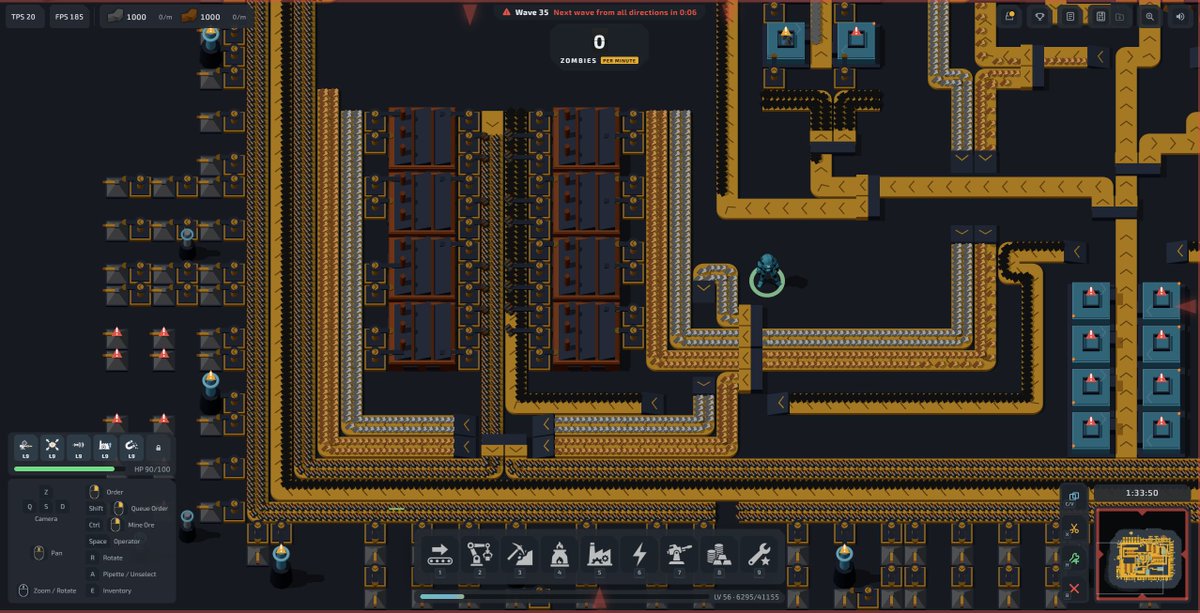
One of the most powerful use case for /goal in Codex with 5.5 xhigh: performance optimization
In my game I display >100k moving items and 10k moving animated zombies.
And I couldn't understand why I was at 120fps average but with big dips to 20fps at random time. I was going crazy.
So I launched Codex and it spent THE WHOLE DAY on this
"/goal run this 5s gameplay save: profile and iterate until you strictly reach 0 frame above 8.3 ms"
Now my game is BUTTERY smooth, average 200fps with 0.01% at 120fps.
Impossible optimization is now possible