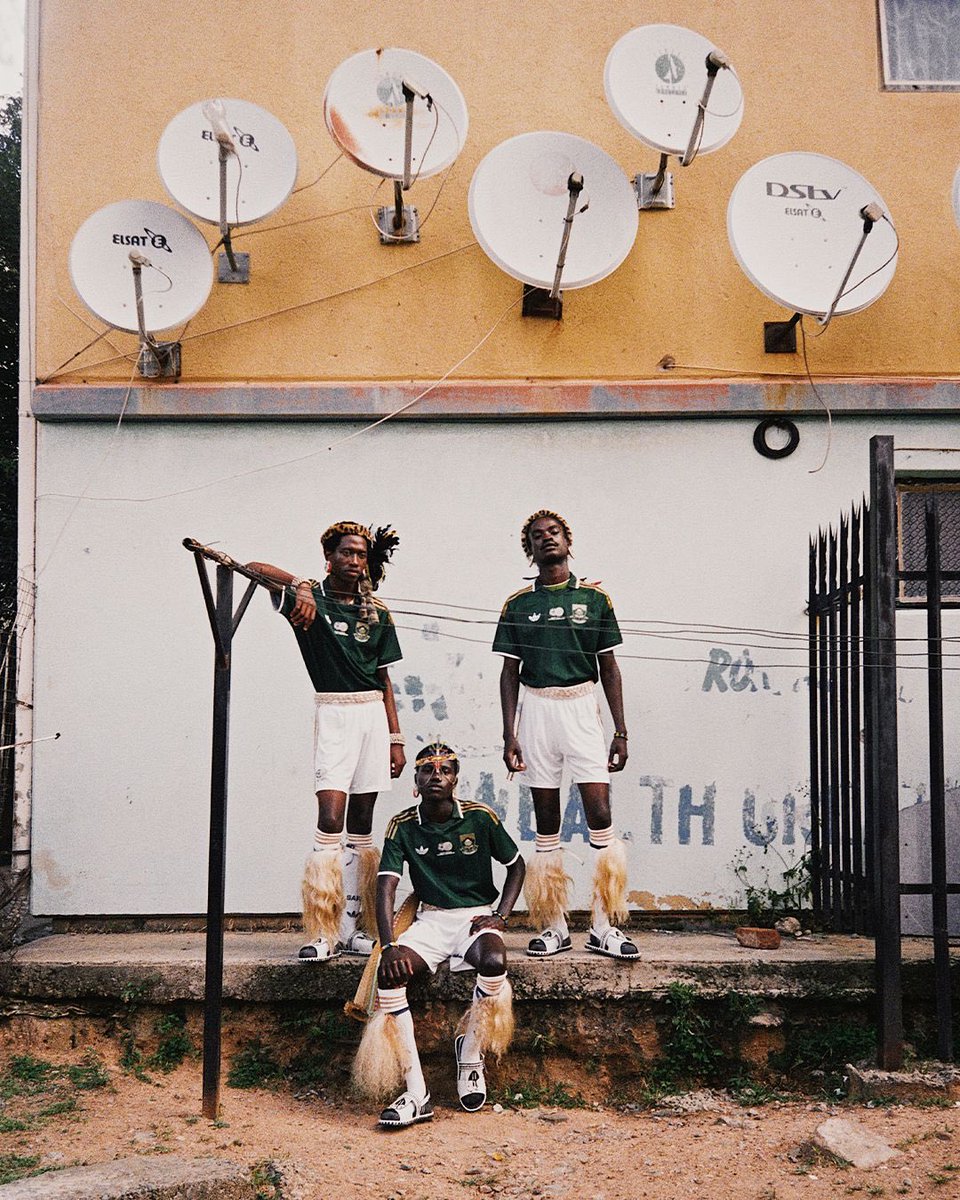
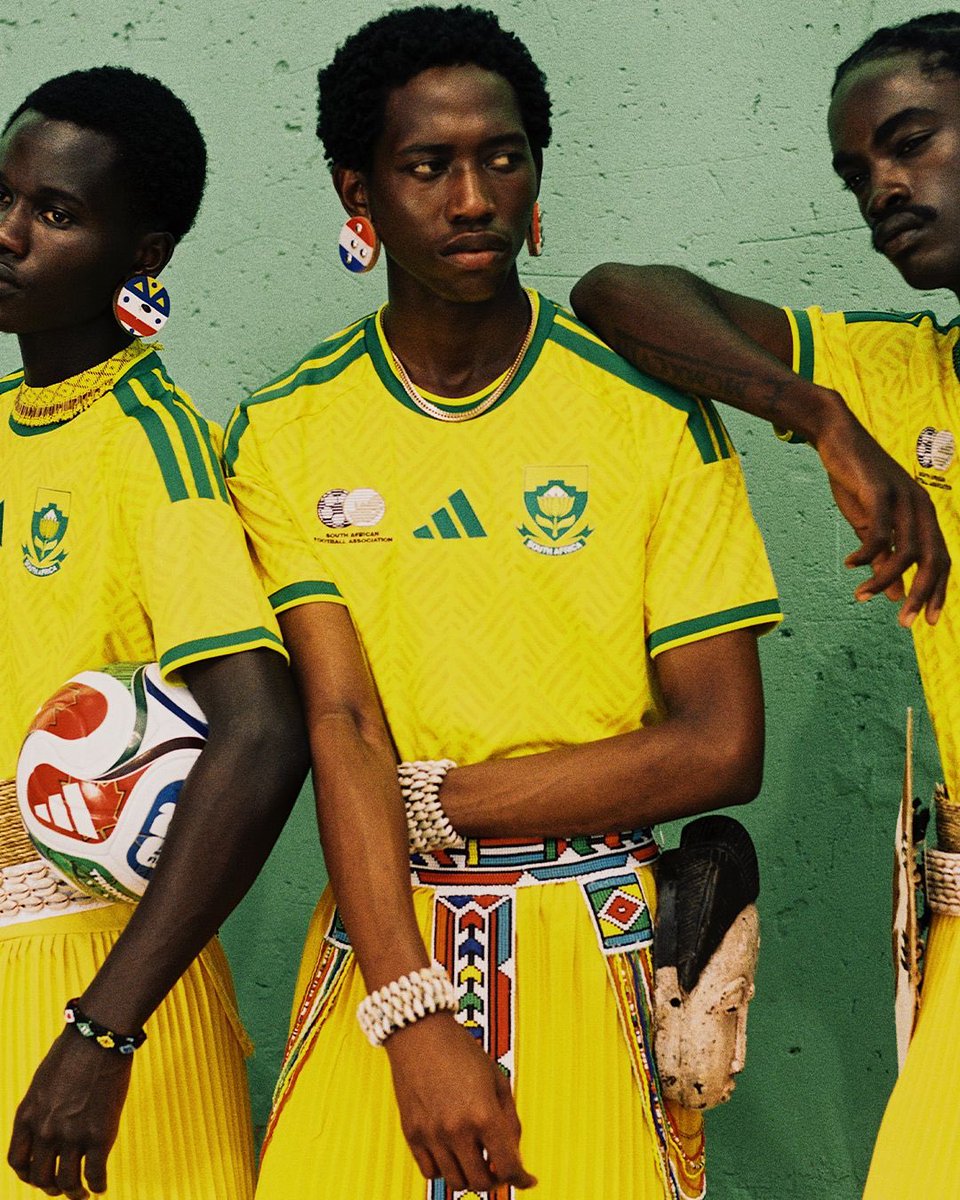
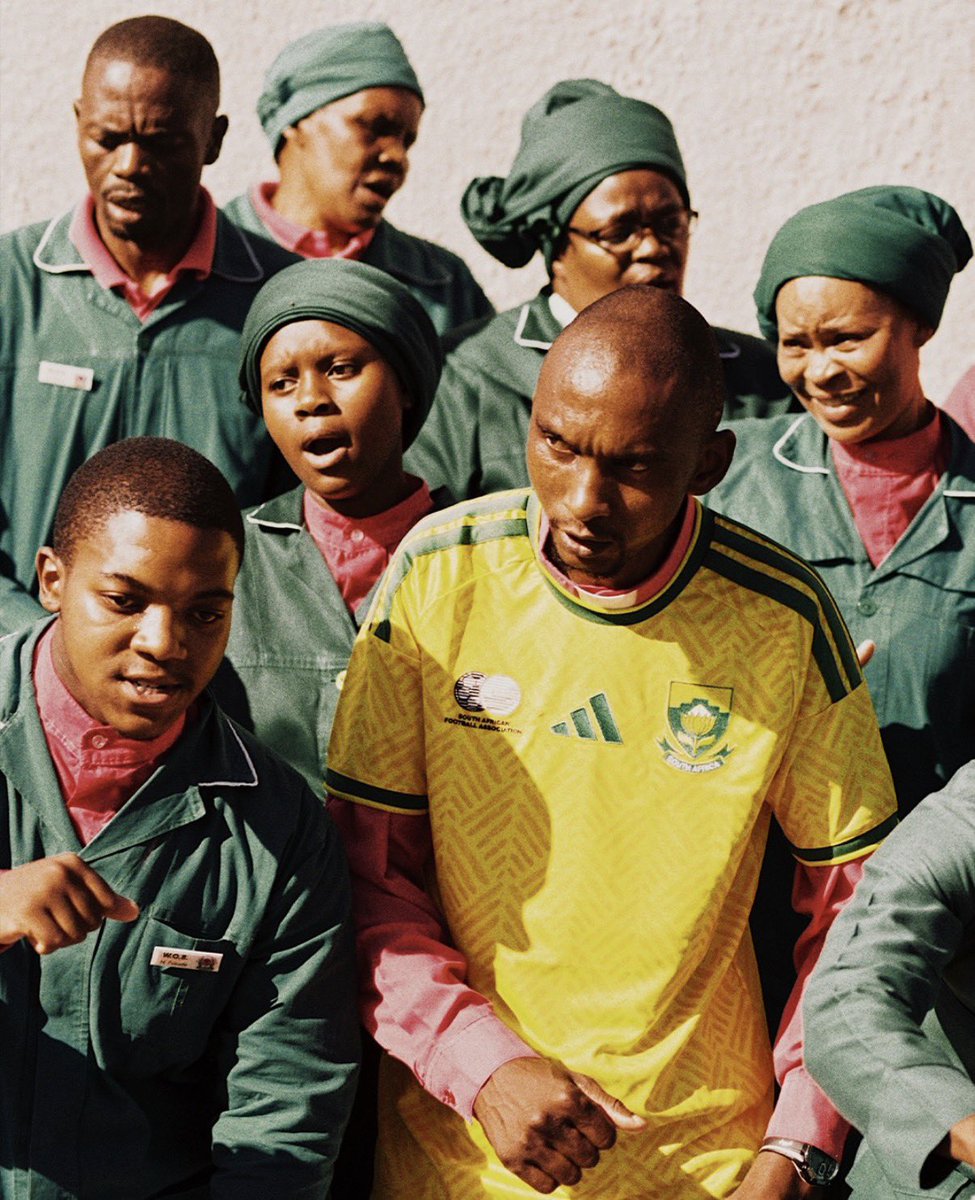
Feeling super grateful and warm about having had the opportunity to share some thoughts and reflections on photography with #Fujifilm! 📸
Give it a read here: https://t.co/nJSYYERjR3
TAKE TEN: Celebrating 10 years of the X-Mount System via @FujifilmEMEA South Africa
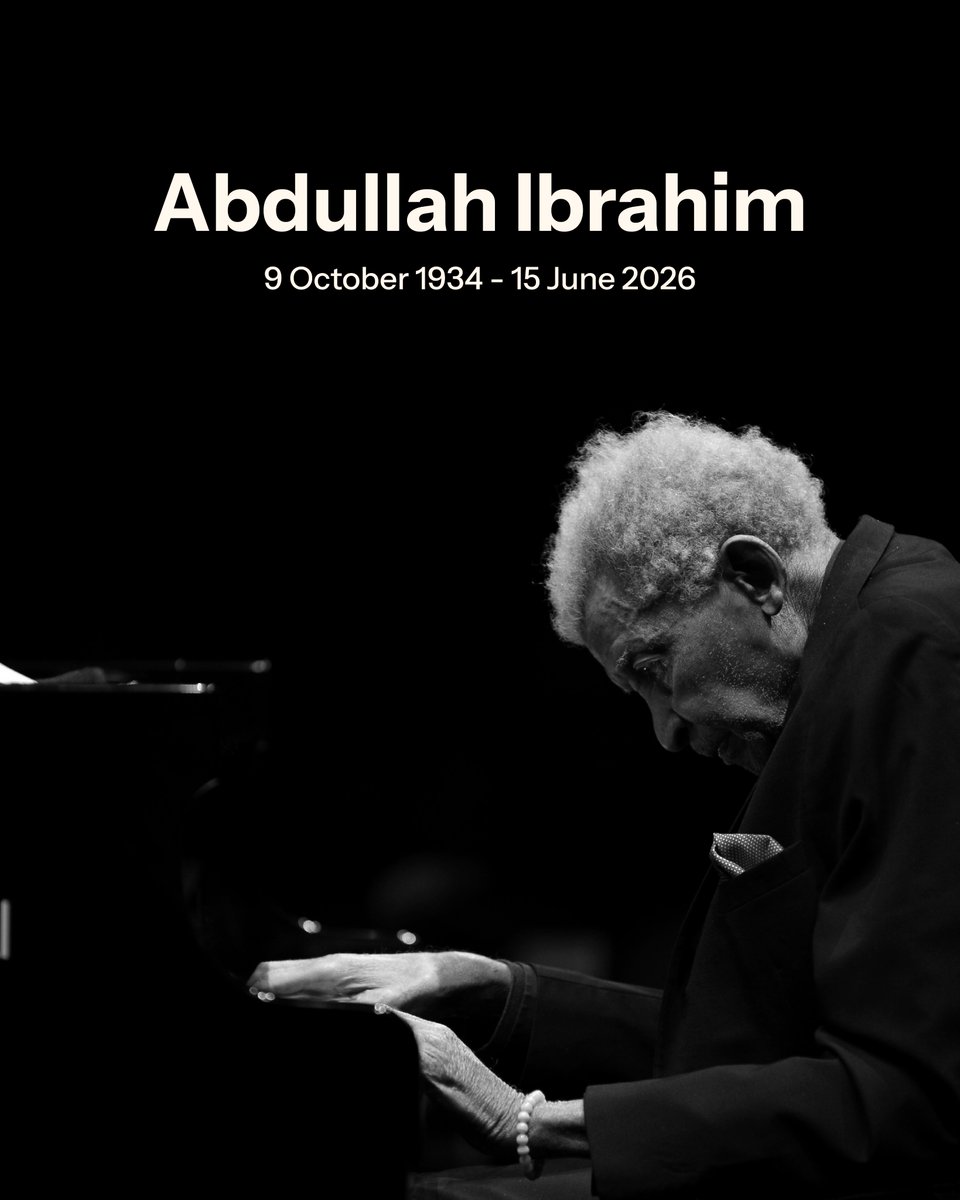
Today, we mourn the loss of Abdullah Ibrahim (1934-2026).
A giant of South African and global jazz, we are honoured that his final public performance took place on the Rosies Stage at CTIJF on 27 March 2026.
Rest in peace, maestro. Your music lives on. 🕊️🎹
I’m super excited to announce the title of my debut solo project: radicis
Coming out in August 2026 with support from the good people at Teal Street Records.
Stay tuned for more announcements 🖤
📸: my brother @TKtakatso_
Nobody asked, but I’m launching my full length debut as Zwide Serves Bass this year. Excited to share what’s been brewing.
First show featuring this new music is Sunday May 3 at Selective Live.
Images by my brother Takatso Mahlangu on 120mm film
🚨🚨🚨COMPETITION 🚨🚨🚨
Stylists, Photographers & Videographers This is your break.
Pull up with your best work for a chance to shoot an official Studio 88 & adidas campaign.
Each walks away with R30 000 cash + adidas drip worth R30 000.
ENTER NOW!
#OriginalCollective88
Tomorrow Wits is hosting an important discussion on AI in African Music.
This is timely because of the recent debate on 2-3 popular songs that are suspected to have been generated on an AI model trained on African music.
The data keeps moving. Triggered by @feziledhlamini_
5,215 people watched the presentation. The presentation: https://t.co/u9PiPOJVPU
Since releasing the IDC and NEF dataset, the community has built three separate tools on top of it:
@SandilePensulo built the full interactive visualisation at https://t.co/ScblsYbcnW
@TeeJaySeatlholo from @BusinessHustleZA built a dedicated NEF dashboard at https://t.co/cxaMGJQe3m
Now developers are building on the data without being asked.
This is what open data does. You release it and people who care about the problem show up with skills you did not plan for.
The original dataset: 1,248 funded businesses. 856 IDC. 392 NEF. Every company name. Every rand. Every province. Compiled from parliamentary questions and official disclosures using AI-assisted research.
One researcher. Public documents. AI tools. Now a growing ecosystem of people who decided that transparency in South African development finance should not be optional.
The institutions did not build this infrastructure. The public did.
I built a database of 1,248 South African businesses funded by the IDC and NEF.
856 from the IDC. 392 from the NEF. Every company name. Every amount. Every province.
The data tells a story the public needs to see.
NEF UPDATED: https://t.co/nb2oR3LdAC
IDC: https://t.co/B7nHWtxKAq
E&O expected.
keep struggling
when things come too easy, you don’t exercise the brain nor the emotions. ease can feel like progress, but it often skips the reps that actually change you.
growth is usually a loop, not a straight line – you take passes. you try, you fail, you reframe. you come back with a slightly better model, a slightly calmer nervous system, a slightly wider range of what you can handle.
hardship isn’t the goal. but friction is gold. it shows you where your understanding is thin, where your habits are brittle, where your ego is doing the steering. the struggle is the curriculum.
agents are making things easier, and that’s good. but don’t confuse speed with depth. use AI to remove busywork, then spend the saved energy on the parts that still hurt a little: the unclear problem, the uncomfortable conversation, the hard tradeoffs, the things you can’t yet explain in words. instead of putting all your wishes into the black box, actually keep thinking, and seeing things fully.
keep the difficulty where it matters. outsource the tedious, keep the meaningful resistance. that’s how we keep learning – and how we stay human while your tools get superhuman.
‘HELP(2)’ the new collaborative album for War Child is out now !
Happy to contribute a new song ‘Naboo’ to it.
Please go and support this album. All proceeds to go towards War Child’s work delivering aid, education, specialist mental health support, and protection to children affected by conflict around the world.
https://t.co/qw4HfvGLxx
Airmax Residency
Apply to be part of the Airmax Residency through the link in bio of a mentor on the specific creative discipline you’re interested in.
@thebesilem : Fashion
@bahati.simoensi : Art
@dbngogo : Music
Entries close: Friday, 6th March
Every time you swipe to a new 30-second video, your brain releases a small pulse of dopamine in anticipation of what might come next. This is what neuroscientists call a variable ratio reinforcement schedule, the same mechanism that makes slot machines the most addictive form of gambling. The uncertainty does the work. And the feed delivers it 270 times per day.
The average TikTok user consumes 167 to 271 videos per day. Each one is 21 to 34 seconds long. That’s a dopamine pulse every half-minute for hours. Your nucleus accumbens, the brain’s reward center, adapts to that cadence. It recalibrates what “normal stimulation” feels like. When you then sit down with a novel or a crossword puzzle, your brain registers the low stimulation as aversive. You feel restless. You reach for your phone. That restlessness is withdrawal operating below conscious awareness.
The data on this is now stacking up. Average attention span on social media dropped from 12 seconds in 2015 to 8.25 seconds in 2025. Teens toggle between apps every 44 seconds, down from 2.5 minutes a decade ago. 52% of people now skip videos longer than 60 seconds even when they’re interested in the topic.
Here’s the part that changes the conversation. Researchers interrupted participants during a task with either TikTok, Twitter, or YouTube, then asked them to resume. After TikTok, accuracy dropped to barely above random guessing. Twitter and YouTube showed zero measurable impact. The short-form feed format specifically degrades prospective memory, your ability to hold an intention across a time gap.
The prefrontal cortex, which governs sustained attention and impulse control, doesn’t fully mature until around age 25. An entire generation is training that circuitry on rapid context switching 270 times per day. The brain wires to whatever you repeatedly expose it to. Full stop.
Puzzles, board games, long novels, long-form video. These function as something like resistance training for the prefrontal cortex. They require sustained effort without algorithmic reward. That’s the point. The discomfort you feel 10 minutes into a book after a week of heavy scrolling is the same discomfort you feel on rep 8 of a hard set. The adaptation is on the other side of it.
Your brain adapted to the feed. The same plasticity that allowed that works in reverse. But you have to actually put it under load.
The voice of Hind Rajab will be screened at Nu Metro Hyde Park, Johannesburg on Thusday 5 March at 5 pm. We shall never forget lovely little Hind, whom the Israelis murdered.