An African nation shaped by a legacy of political resistance, cultural history, and art. This is Cape Verde. Read to learn.
"Race, Culture, And Portuguese Colonialism In Cabo Verde" by Deirdre Meinte.
https://t.co/w8mECIgSv8
fred hampton; emphasized that the ruling class exploited racism to divide poor black, white, and indigenous people, arguing that such divisions could only be overcome through class-based socialist solidarity.
“no matter what color you are, there are only two classes.”
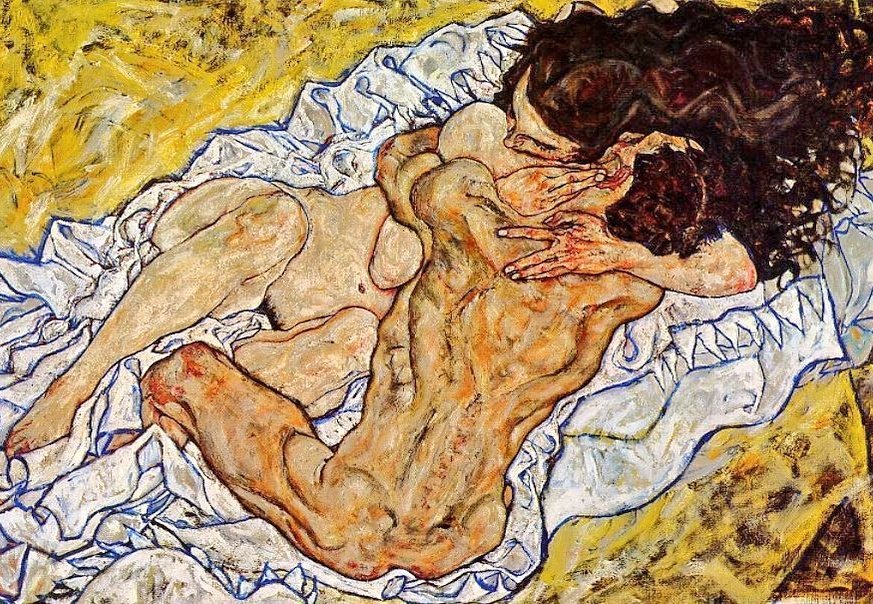
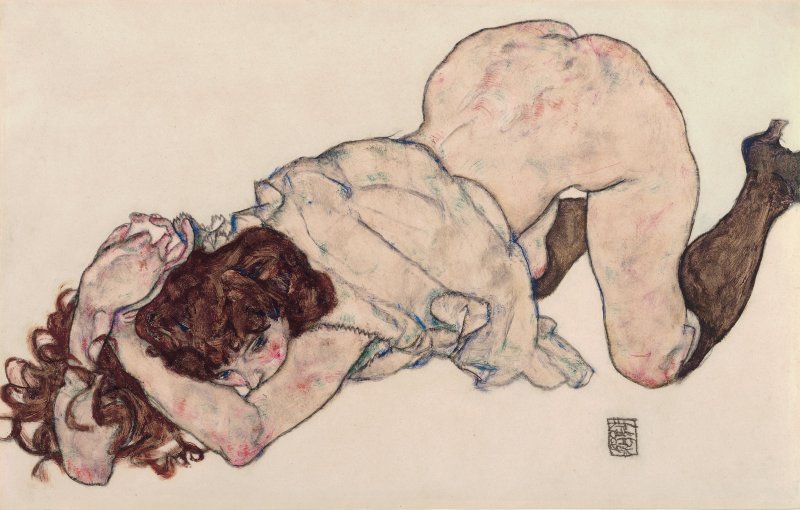
Egon Schiele was arrested in 1912.
The police seized over 100 of his drawings.
The charge: "exhibiting obscene material"
The judge burned one of his drawings.
His crime: painting the human body unfiltered.
He was only 22
Malcolm X wanted to unite African-Americans along with African people and the African continent. And that is why he created the organization of African-American unity. OAAU. He was a real Pan African..#malcolm100 .
Rare footage of Malcolm X's sister Ella Little-Collins. She was described by Malcolm as "the first really proud black woman I had ever seen". She was in the NOI before Malcolm and left before Malcolm. She took over the OAAU after Malcolms death and gave away 35 scholarships from Ghana and Egypt.
#LONGLIVEELLA
𝗠𝗔𝗟𝗖𝗢𝗟𝗠 𝗫: '𝗢𝗡𝗟𝗬 𝗛𝗢𝗣𝗘 𝗙𝗢𝗥 𝗕𝗟𝗔𝗖𝗞 𝗠𝗔𝗡 𝗜𝗦 𝗦𝗧𝗥𝗢𝗡𝗚 𝗔𝗙𝗥𝗜𝗖𝗔'
The Organization of Afro-American Unity (OAAU) was a Pan-Africanist organization that human rights defender Malcolm X founded in 1964. The OAAU was modelled on the Organization of African Unity, an intergovernmental body on the continent that was the African Union's predecessor. The former had impressed Malcolm X during his visit to Africa in April-May 1964.
The OAAU aimed to fight for the human rights of Africans in the Americas and promote cooperation between Africans on the continent and people of African descent in the Americas.
In this clip, Malcolm X explains how the struggle of all people of African descent is inextricably linked.
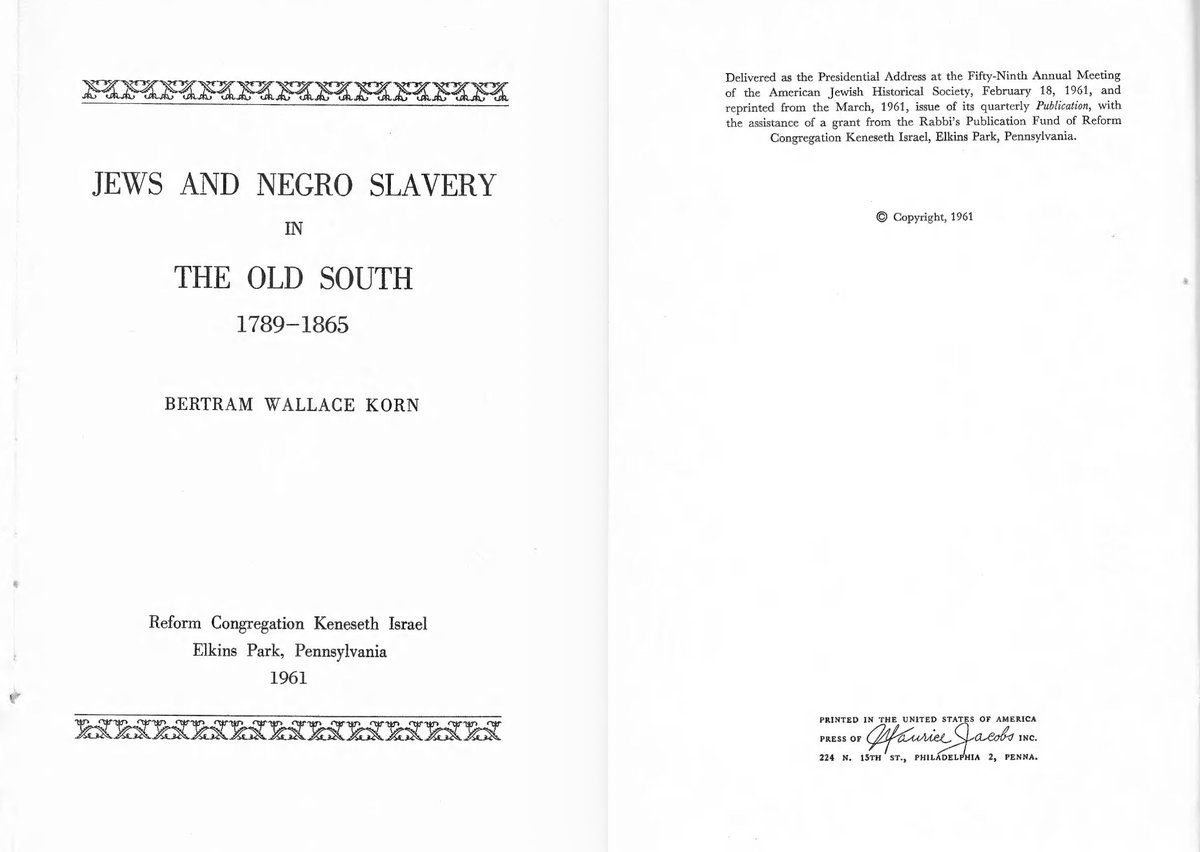
@ThePatriotsPray Malcolm nailed slavery..
The book is available here. https://t.co/ySA48Nl4je
Book from American Jewish Historical Society, bee-tee-dubs..
This rare, unedited footage of an archival outtake from the landmark 1995 PBS/BBC ten-part documentary series Rock & Roll (produced by WGBH and filmed by Elizabeth Deane). In this incredible raw interview clip, legendary songwriter Dorothy LaBostrie pulls back the curtain on the true history of American Rock and Roll music.
While recounting how she cleaned up Little Richard's raw, underground roadhouse lyrics in just fifteen minutes to write "Tutti Frutti" at Cosimo Matassa's J&M Studio, LaBostrie strips away the commercialized myth of the genre. She firmly re-anchors the birth of Rock and Roll in its true origin: the resilience, survival, and creative genius of Black Americans navigating the hardships of the mid-century South.
When asked by the interviewer how Rock and Roll and the Blues truly began, LaBostrie bypassed the standard talk of record labels and studio equipment. Instead, she spoke directly to the socioeconomic realities and systemic oppression faced by Black communities in Mississippi and Alabama, explaining how systematic struggle was transmuted into a global musical revolution:
“Where I would go to Jackson, Mississippi, down in Meridian, Mississippi, those places where people had such a hard time as I said, and they would give out their event in song. You couldn't fight what was going on down there, so you get in the corner and make up a song, get a rub board or whatever it may be. And it was sad, but beautiful.” —Dorothy LaBostrie