2026 is turning out to be a case of when it rains, it pours.
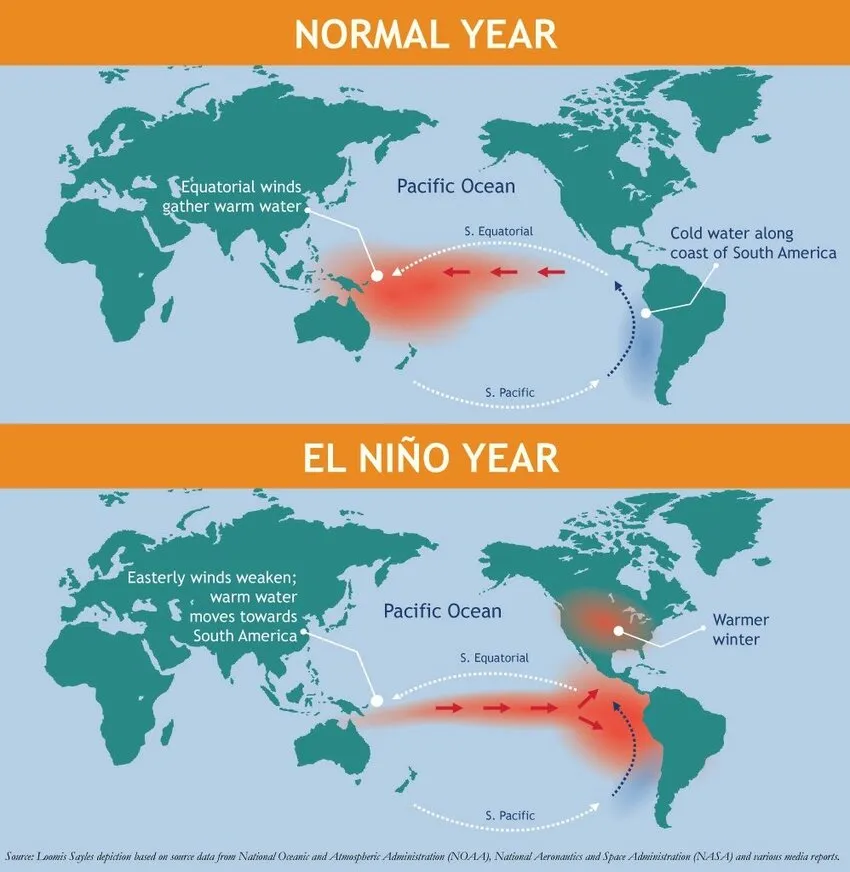
Every few years, the Pacific Ocean warms up abnormally, and that phenomenon is called El Niño. When it happens, India's monsoon weakens. This year, it looks like a super El Niño is developing, and the IMD is already forecasting rainfall 6% below normal for 2026.
It may not sound like much, but remember, 70% of India's annual rainfall comes from the monsoon, and 60% of farmers depend entirely on it. If history is any guide, we may have a terrible year ahead. In 60% of El Niño years since 1951, India has seen below-average rain. In 2009, rainfall fell to just 78% of normal, the worst in 37 years.
A weak monsoon means weaker harvests, and weaker harvests mean higher food prices and higher inflation. Food is one of the biggest expenses in a household budget. This is now layering on top of the unholy mess created by the closure of the Strait of Hormuz.
Trump's war with Iran has effectively shut a channel that carries 20% of the world's oil and 20% of its LNG. India imports 80 to 90% of its oil and 40 to 50% of its gas, and we are already seeing steady price hikes and WFH advisories going out around the world. The Indian crude basket averaged $114 in April and is at $106 in May — still far above comfortable levels, and this crisis may drag on for longer.
When food and energy prices rise together, the RBI cannot stay quiet. Beyond a point, it will have to start hiking rates, and that is when a bad situation starts to feel like a crisis.
It's still May😬
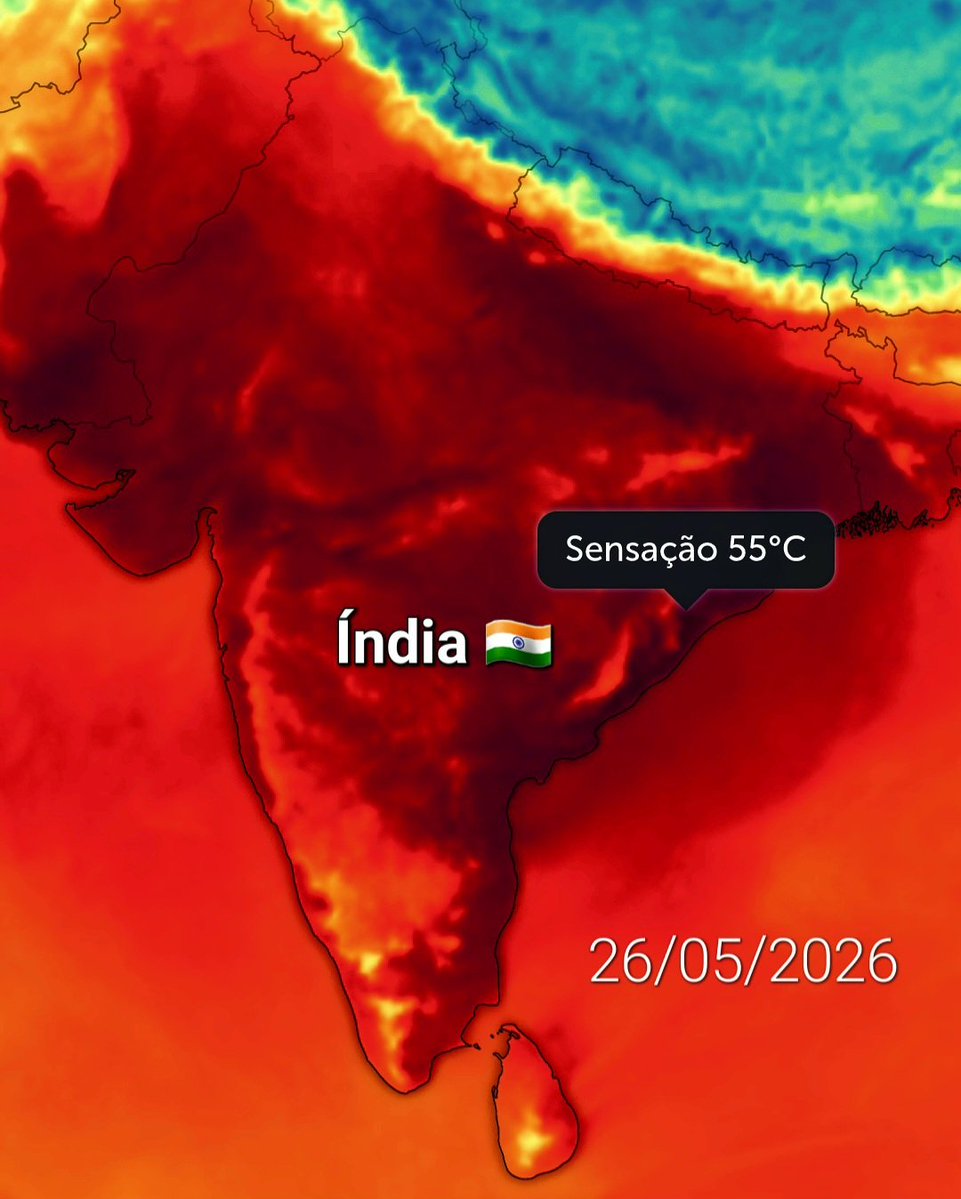
Eai, quem disposto a ir pra Índia nos próximos dias? 🇮🇳🥵
Boa parte do país terá sensação térmica acima de 50°C, alguns pontos chegando nos 55°C.
Pensa na loucura.🫠
Detalhe, essa região que atingirá a sensação de 55°C, significa também que vai atingir 33°C do bulbo úmido.
Lembra do que eu sempre falo sobre o bulbo úmido letal?
Acima de 35°C do bulbo úmido, quando a umidade está saturada e a temperatura do ar acima de 35°C temos o BULBO ÚMIDO LETAL. Nesse nível NENHUM ser humano resiste por mais de 2 horas, idosos e bebês cerca de 30 minutos para entrar em colapso térmico.
A Índia é um grande exemplo de uma nação a beira de uma catástrofe, e estamos falando do país mais populoso do mundo, quase 1.5 bilhão de pessoas.
Com o aumento na média da temperatura mundial em 3°C até 2050, essa região irá atingir o bulbo úmido letal várias vezes, significa que teremos migração de milhões de pessoas nas próximas décadas, isso só falando da Índia.
Esse é o caos que muitos analistas geopolíticos não estão incluindo nas suas análises sobre a mudança na ordem global.
Eu incluo porque é o fator principal, estamos falando em colapso civilizatório global, isso conta muitos mais do que as loucuras dos EUA em desespero pelo seu declínio hegemônico.
Os países precisam correr para conseguir fazer adaptações climáticas profundas, com o atual modelo de governança assimétrico e imperialista, não está sobrando dinheiro para as nações investirem nem na transição energética para reduzir a velocidade em que o planeta aquece.
É uma loucura ver isso e saber que um país está tentando sabotar a sobrevivência de várias nações e a estabilidade internacional.
Insanidade pura.
What’s happening inside Sanjay Gandhi National Park needs to be on record.
Adivasi padas are being demolished without surveys, without Forest Rights Act verification, and with basic services cut. Families who’ve lived here for generations are being labelled encroachers. Children are out of school. Electricity and transport have been stopped.
This is not conservation. It’s displacement without due process.
If the demolitions continue without following the law, people will have no option but to intensify democratic protest and seek legal remedies.
@JohnCleese did you see this John, all in the last week.
Two train crashes in Spain after unusually extreme rainfall,
a landslide in New Zealand buried people alive + killed two after record-breaking rain,
Record rainfall in Victoria, Australia washed cars into the sea,
cars washed away in Turkey,
the coast of Sicily smashed to pieces by a cyclone,
record-breaking temperatures in Australia and a record-breaking winter storm in the USA hitting now.
And this is just a fraction of what’s been happening.
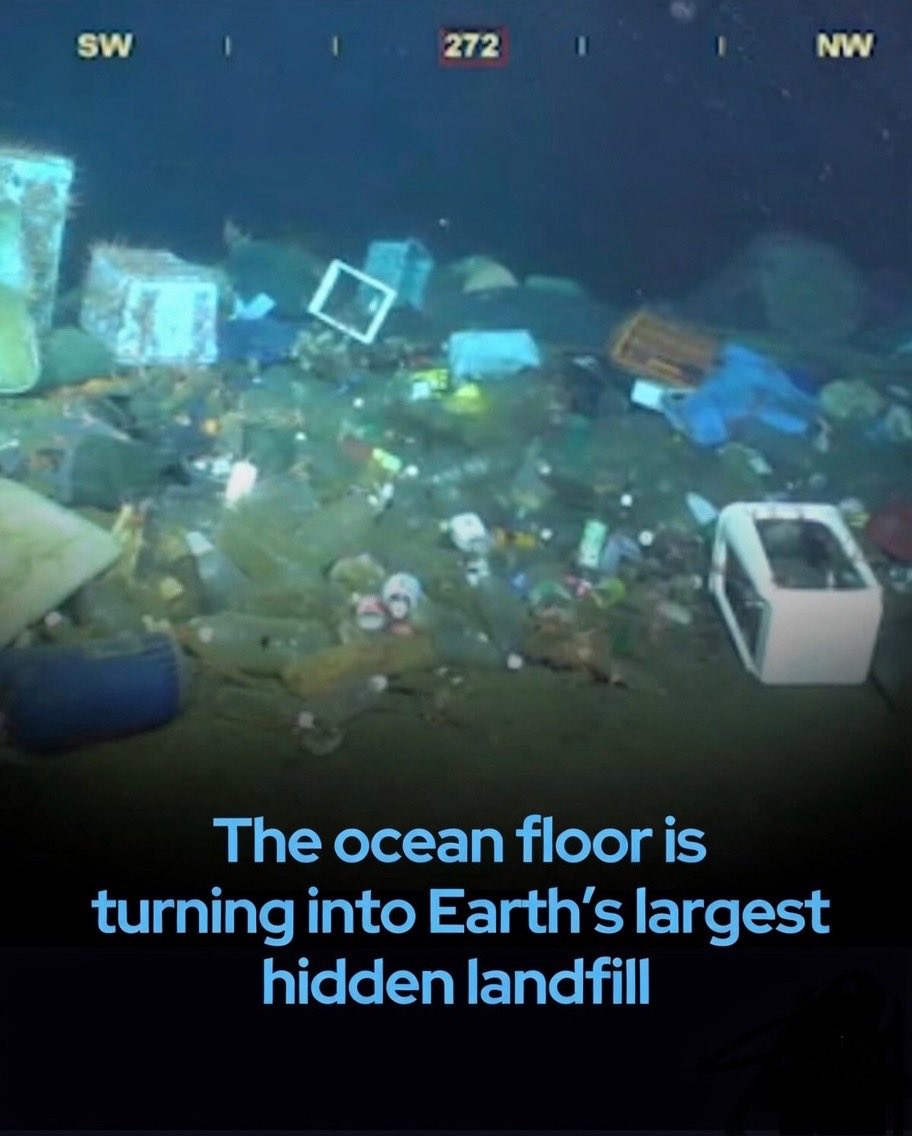
The ocean floor is slowly turning into a landfill
For decades, most concern about ocean pollution has focused on floating plastic and waste washing up on beaches. However, scientists now warn that the largest buildup of debris is happening out of sight, deep beneath the ocean’s surface.
A global review led by researchers at the University of Barcelona found that the seafloor is accumulating vast amounts of human-made waste, in some places at levels comparable to landfills. In the Strait of Messina, between Italy and Sicily, researchers documented over one million pieces of debris per square mile (around 400,000 per square kilometer), making it one of the most polluted seafloor regions ever recorded.
Debris such as plastic bags, fishing nets, metal, glass, and discarded equipment does not simply sink straight down. Ocean currents, storms, and underwater canyons transport waste from coastlines into deep-sea basins thousands of feet below the surface. Plastics account for about 62% of seafloor litter and can travel long distances before settling.
This is a global issue. Plastic has been discovered nearly 36,000 feet deep (about 10,900 meters) in the Mariana Trench, the deepest known point in the ocean. If current trends continue, scientists estimate the ocean could contain over 3 billion metric tons of waste within the next 30 years.
The impact on marine life is severe. Nearly 700 marine species are affected by seafloor debris through entanglement, ingestion, or exposure to toxic chemicals. Abandoned fishing gear can continue trapping animals for decades, a process known as ghost fishing.
Because this pollution occurs far from human view, it is often overlooked. But what sinks into the ocean does not vanish — it accumulates, persists, and alters ecosystems long after it disappears from sight.
Read the study:
“The quest for seafloor macrolitter: a critical review of background knowledge, current methods and future prospects.”
Environmental Research Letters, 2021
India lost 18 times more forest than it gained between 2015–2019 &
Global Forest Watch proves India's rapidly depleting forest cover (essential to soak poisonous carbon),
YET
Govt to allow profiteering plantations within forests
to finish the rest
- https://t.co/lj1sueDGhx
#BREAKING 🚨 Victorian premier Jacinta Allan has announced that a State of Disaster has been declared in 18 local government areas and one alpine resort.
Australian Media still refuses to acknowledge climate change -
That globally 2024 was the hottest year ever recorded on Earth.
2025 likely to be certified as one of the top three hottest years ever recorded.
Local temperature and rainfall records continue to drop all over the world.
Scientists warn of the collapse of human civilisation without urgent action.
A single mature tree can be 50, 80, even 100 years old—quietly building a world for birds, insects, fungi, and mammals.
In minutes, modern machines erase decades of growth.
What took nature a lifetime to create, we destroy in a heartbeat. 🌳💔
Since 1900, humans have cleared 1.1 billion hectares of forest. Forests clean our air, purify our water, and are vital in the fight to address the growing climate crisis.
Keep forests standing. #ActOnClimate#climate#deforestation#climateaction#Nature
Credit: Elena Doms via Linkedin and shared by @sophiakianni
Indonesia is razing its ancient forests
In West Papua now - over 5 million acres to be destroyed
Sumatra lost 4.4 million hectares of forest since 2001.
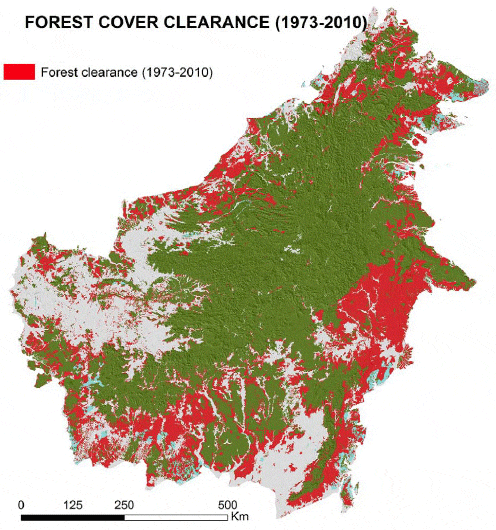
Borneo Jungle over 33,000 hectares of rainforest, an area nearly half size of Singapore, obliterated in last 3 years alone
This man will destroy all of India in his pursuit of profit.
No government has been so callous about our environment, whether it's Delhi toxic air or slaughtering forests, the Aravali or Great Nicobar.
LastWeekend@SGB:
📚 A book launch, Resilience Decoded: What Every Parent Should Know About Teen Mental Health, by Dr Sujata Kelkar Shetty @DrSujWell
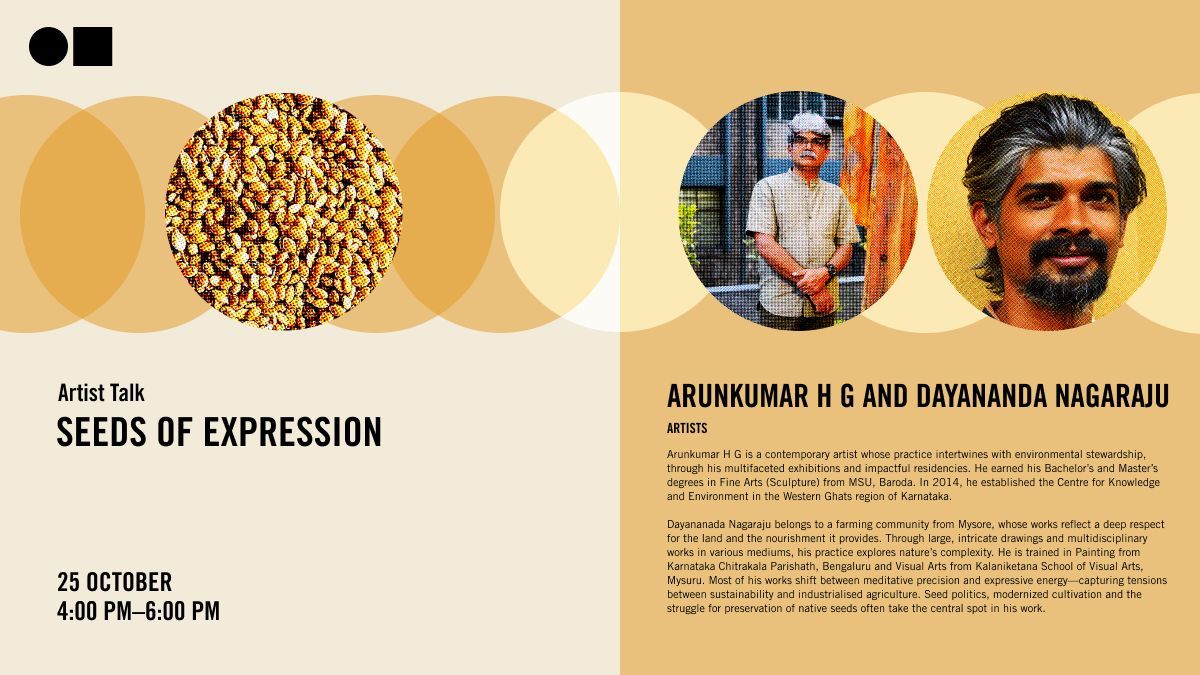
🌱 An artist talk, Seeds of Expression, by Arunkumar H G @arunkumarhg and Dayananda Nagaraju
🌿A workshop, Tales of Ragi, by artist Surekha @surekhasharada
Join us next week for more programmes! For details and free registration, please visit the Programmes link in our bio or the URL https://t.co/SWbr44Yrur
@JahnaviPhalkey
Artist Talk | Seeds of Expression
Join two exhibiting artists of CALORIE, Dayananda Nagaraju and Arunkumar H G, as they dive deeper into their exhibits and explore how knowledge can be passed down through a seed, an integral aspect of both exhibits.
📆 25 October 2025, Saturday
⏰ 4pm–6pm
📍 Science Gallery Bengaluru
For details and free registration, please visit the Programmes link in our bio or the URL https://t.co/euOmzmNhWd
@JahnaviPhalkey