A very well articulatedvanf timely article by @anandshekhar73 . Jal Jeevan Mission 2.0: Strengthening rural water systems through technology and governance https://t.co/DIbEjwh4Rf
Across India, women are becoming guardians of safe drinking water.
#JalMahotsav2026 recognises their leadership, with Gram Panchayats strengthening Jan Bhagidari in managing village water systems and protecting water sources.
#JalArpanDiwas#JalJeevanMission@DoWRRDGR_MoJS
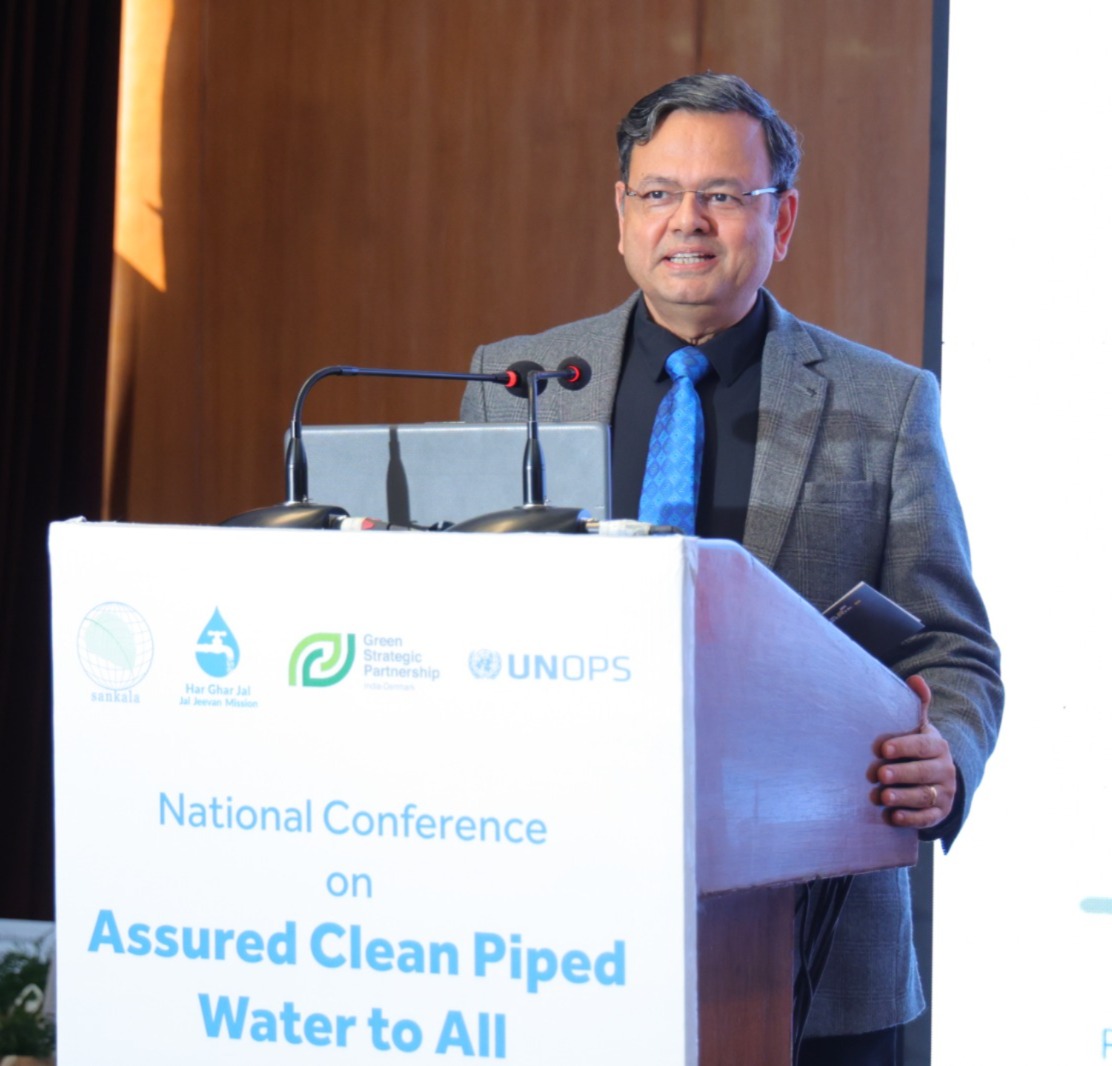
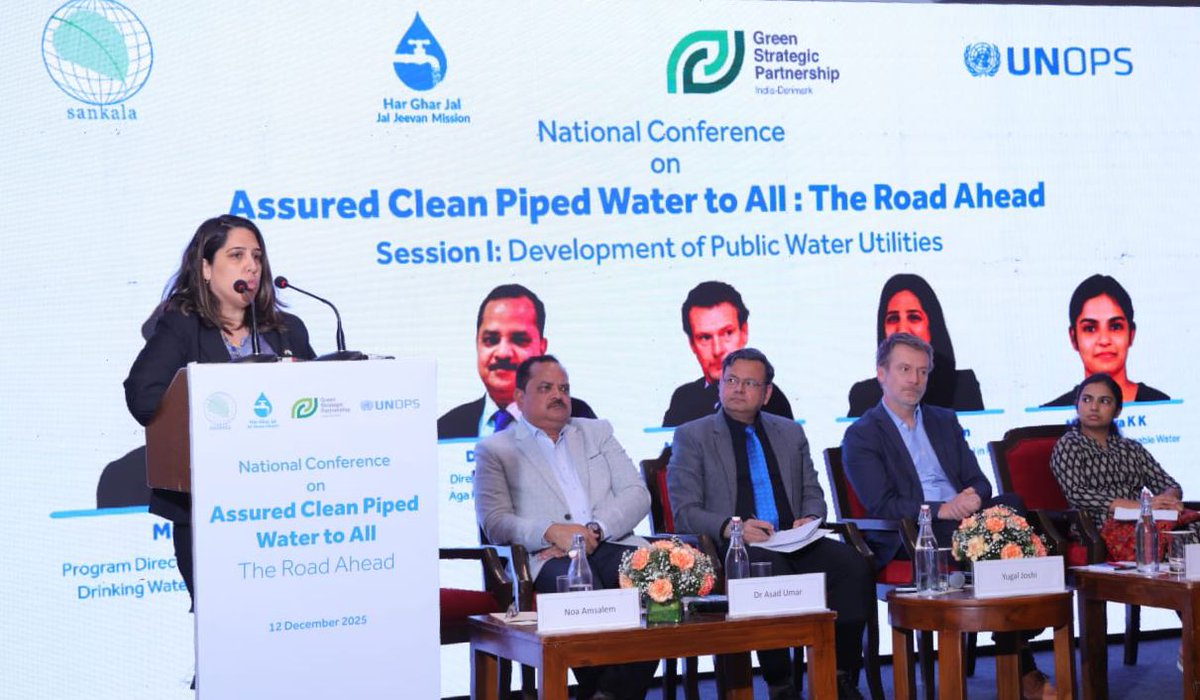
National Conference on Assured Clean Piped Water to All: The Road Ahead
Session I: Development of Public Water Utilities
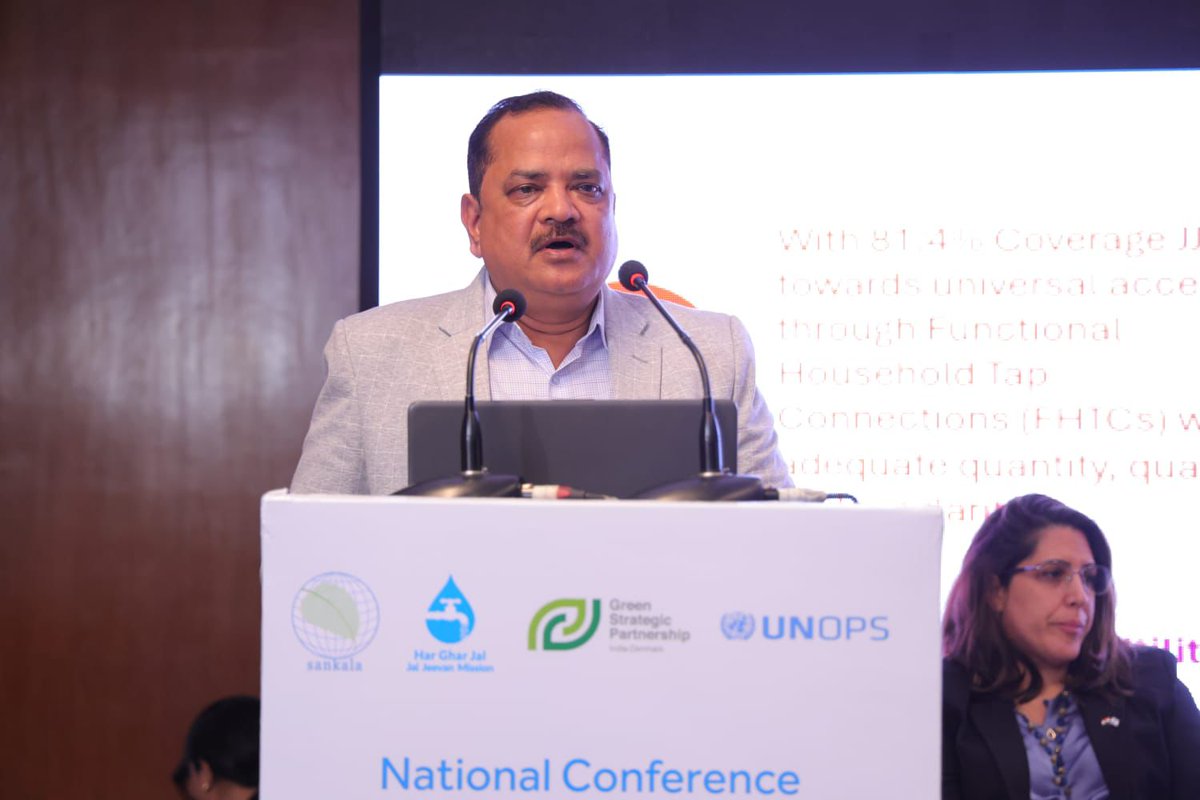
Opening the session, Chair, Mr @YUGALJOSHI, Program Director, Water & Land Resources, Drinking Water & Sanitation, @NITIAayog stressed the urgent need to further strengthen india’s vast network of nearly 6.8 lakh rural utilities and thousands in urban areas. He highlighted challenges in measurement and the capacity gaps faced by Panchayats. He emphasised issues of coordination with PHEDs, financial sustainability, non-revenue water, staffing shortages, and the need for strong governance, metering, and technology adoption.
Dr @asadumar87, Director - WASH & Health, @AKF_EA, India outlined the substantial progress under the #JalJeevanMission, with 81% rural coverage achieved in just five years, and programmes like #JalArpan, #JalMitras, and digital platforms (NLJIF, e-Gram Swaraj) strengthening local utilities. He noted ongoing challenges in O&M, water loss, source sustainability, and the need for professionalised, data-driven systems.
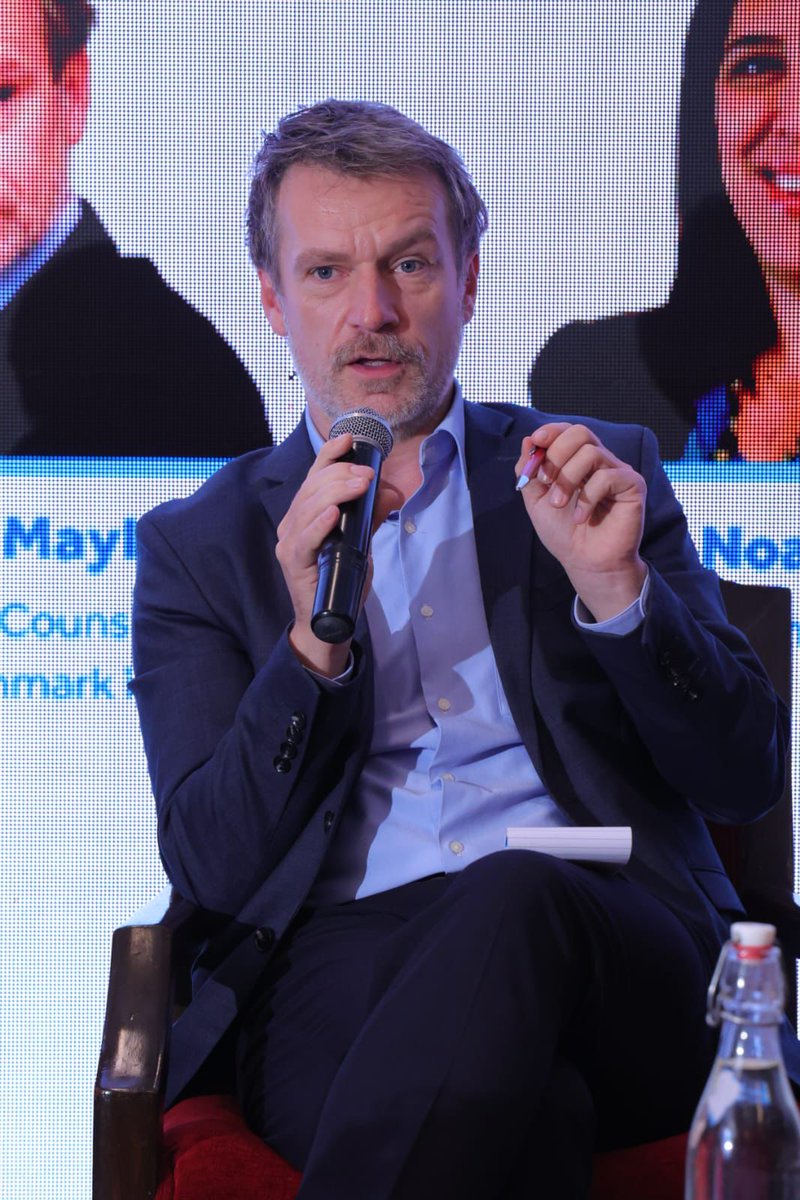
Bringing an international perspective, Mr Casper Mayland, Environment Counsellor, @DenmarkinIndia explained how community-led utilities succeed when beneficiaries understand the value of reliable water. He stressed transparency in costs, long-term planning, and financial sustainability, noting that communities willingly pay when service quality is high and governance is accountable.
Ms @AmsNoa, Water Attaché, @IsraelinIndia shared how municipally owned, self-financed utilities deliver high efficiency, low non-revenue water (around 5%), rapid fault repair, strong customer service, and long-term planning. She highlighted smart technologies such as real-time metering and leak detection, and stressed clear processes, documentation, and strict quality and sewage management.
Ms Soorya K K Research Analyst, Sustainable Water Programme, @CEEWIndia presented Gujarat’s community-led model, where institutions like #WASMO, FFGs and PACs have enabled the state to achieve 100% FHTC. She described operational models, incentive structures, improved tax collection, water conservation practices, and the need for tailored training, financial management skills, and evaluation of pilot models for wider replication.
#JalJeevanMission #RuralWaterSupply #AssuredWaterForAll #CleanWaterAccess
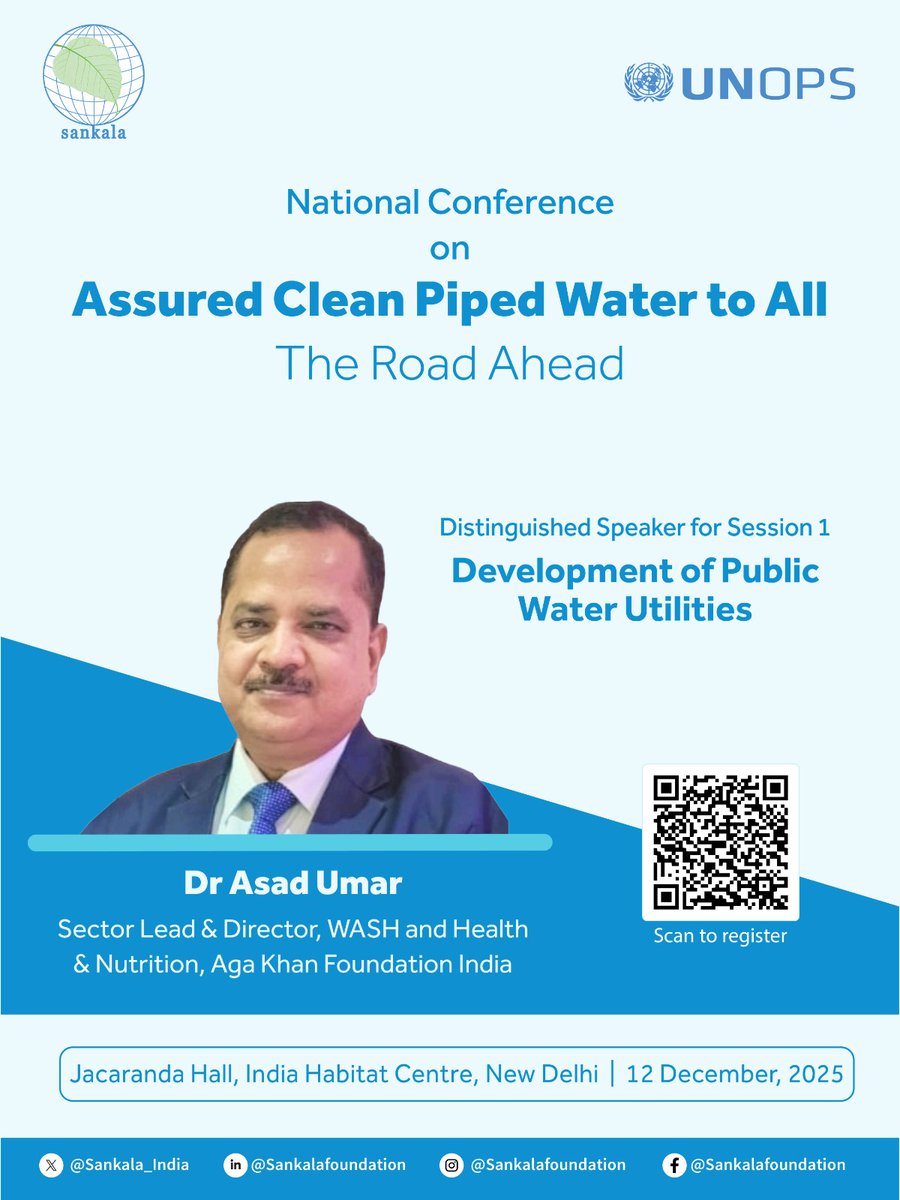
National Conference on Assured Clean Piped Water to All: The Road Ahead
Register now! https://t.co/83mYWirGIt
We are pleased to welcome Dr Asad Umar, Sector Lead & Director, WASH and Health & Nutrition, Aga Khan Foundation India, as a distinguished speaker for Session 1: Development of Public Water Utilities.
With over 25 years of experience in WASH and Integrated Water Resources Management, Dr Umar has worked with global institutions such as the World Bank, EU, UNICEF, WHO, and FCDO. His expertise spans policy implementation, technical assistance, and research for flagship programmes including the Jal Jeevan Mission- Har Ghar Jal, and Swachh Bharat Mission.
A PhD in Hydrogeology, he has authored 20+ publications and represents the Aga Khan Foundation in the Rural WASH Partners’ Forum, contributing to source sustainability and rural water service delivery.
Join us to hear his perspectives.
#JalJeevanMission #RuralWaterSupply #AssuredWaterForAll
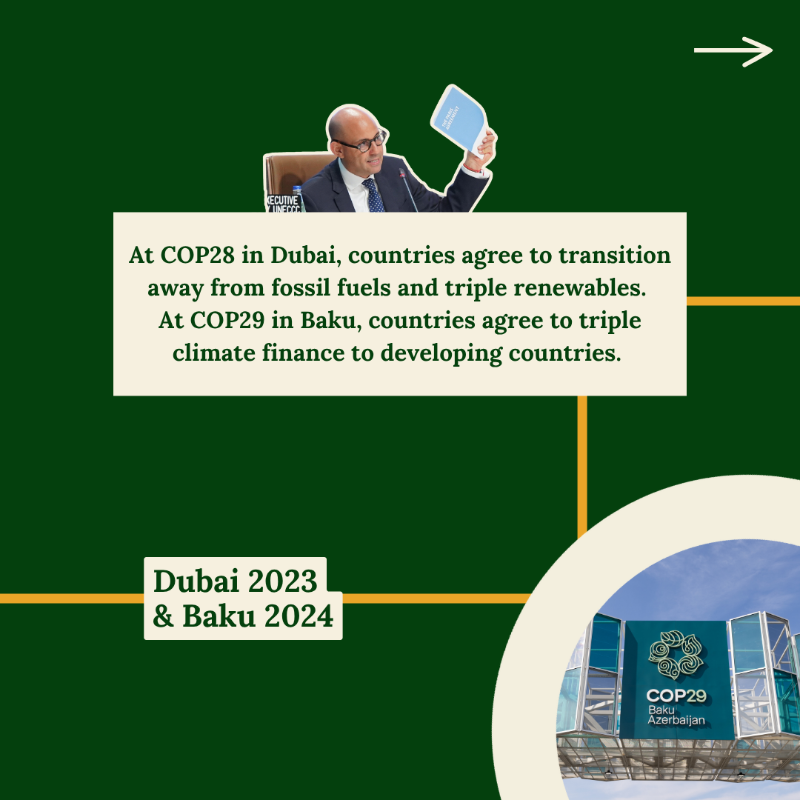
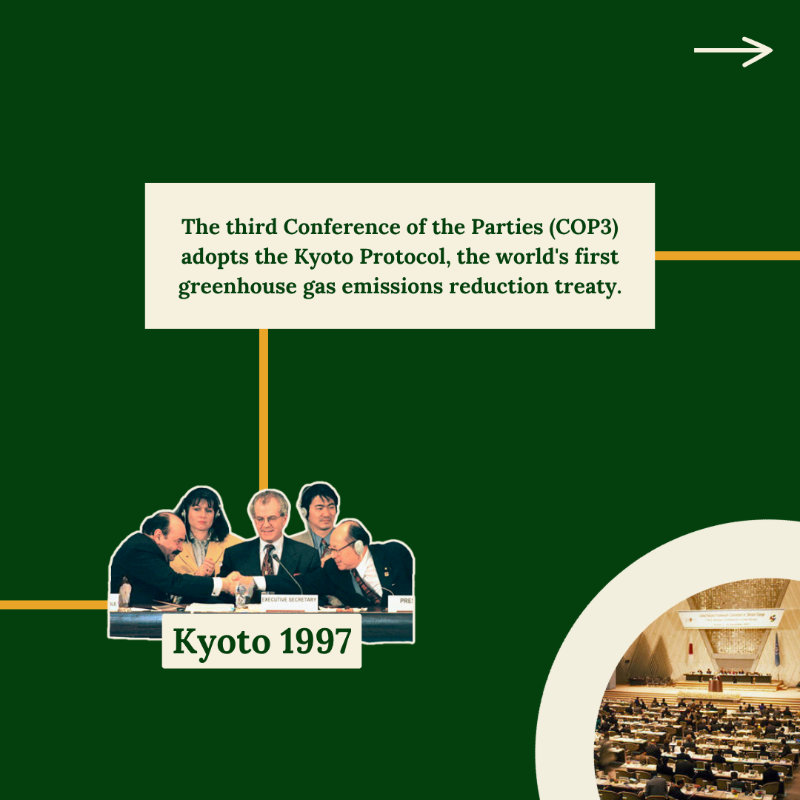
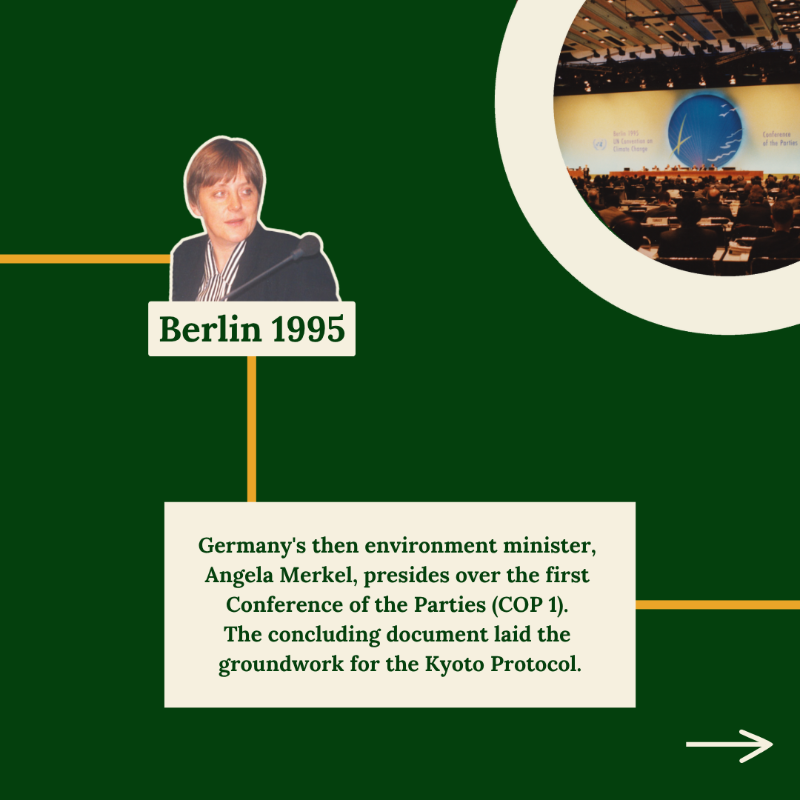
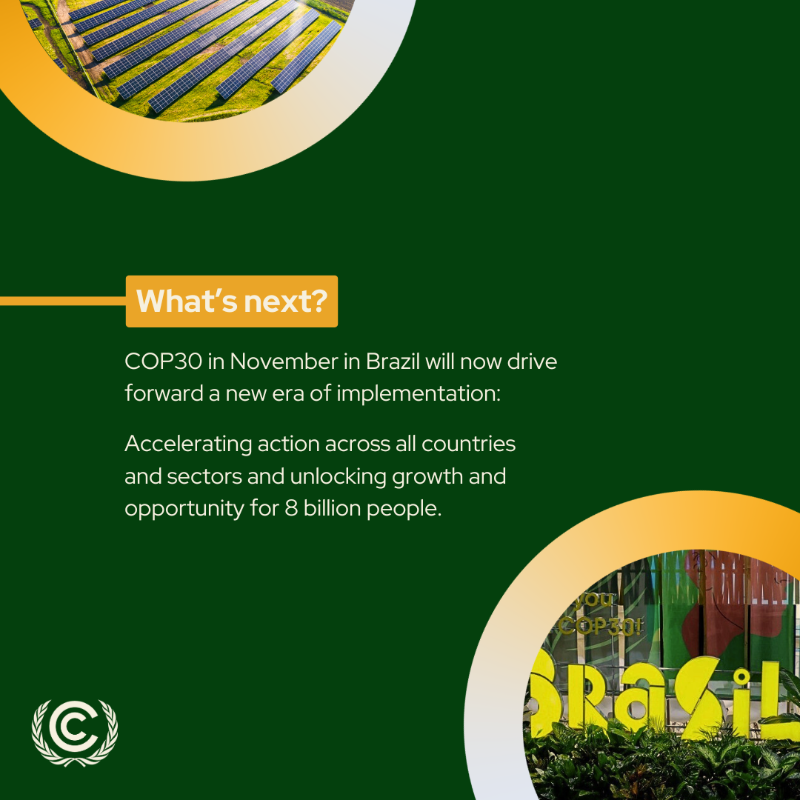
In 1992, the world gathered in Rio to create the UNFCCC—a commitment to tackle climate change together.
#COP30 in Belém takes us back to Brazil, with the focus shifting to implementation at the scale and pace needed to protect people and planet.
Swipe for a history of COPs �In 1992, the world gathered in Rio to create the UNFCCC—a commitment to tackle climate change together.
#COP30 in Belém takes us back to Brazil, with the focus shifting to implementation at the scale and pace needed to protect people and planet.
Swipe for a history of COPs �In 1992, the world gathered in Rio to create the UNFCCC—a commitment to tackle climate change together.
#COP30 in Belém takes us back to Brazil, with the focus shifting to implementation at the scale and pace needed to protect people and planet.
Swipe for a history of COPs �In 1992, the world gathered in Rio to create the UNFCCC—a commitment to tackle climate change together.
#COP30 in Belém takes us back to Brazil, with the focus shifting to implementation at the scale and pace needed to protect people and planet.
Swipe for a history of COPs �In 1992, the world gathered in Rio to create the UNFCCC—a commitment to tackle climate change together.
#COP30 in Belém takes us back to Brazil, with the focus shifting to implementation at the scale and pace needed to protect people and planet.
Swipe for a history of COPs �In 1992, the world gathered in Rio to create the UNFCCC—a commitment to tackle climate change together.
#COP30 in Belém takes us back to Brazil, with the focus shifting to implementation at the scale and pace needed to protect people and planet.
Swipe for a history of COPs 👉
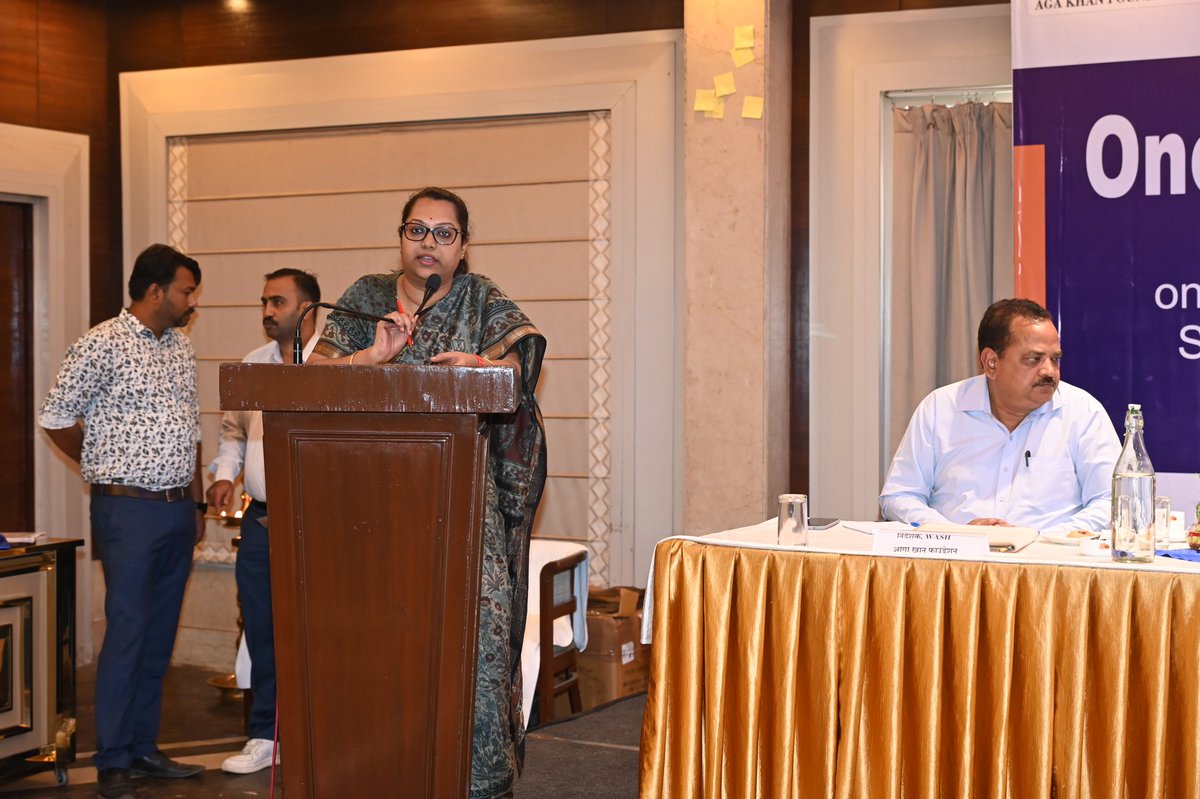
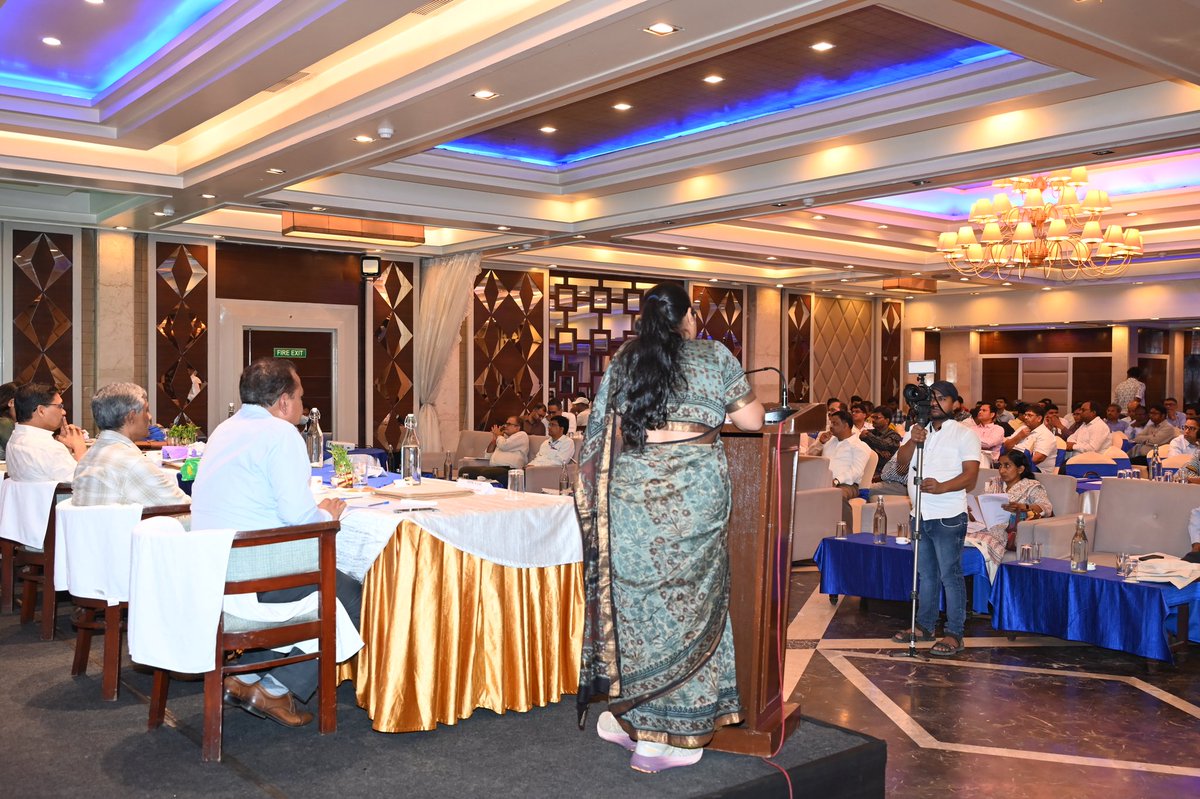
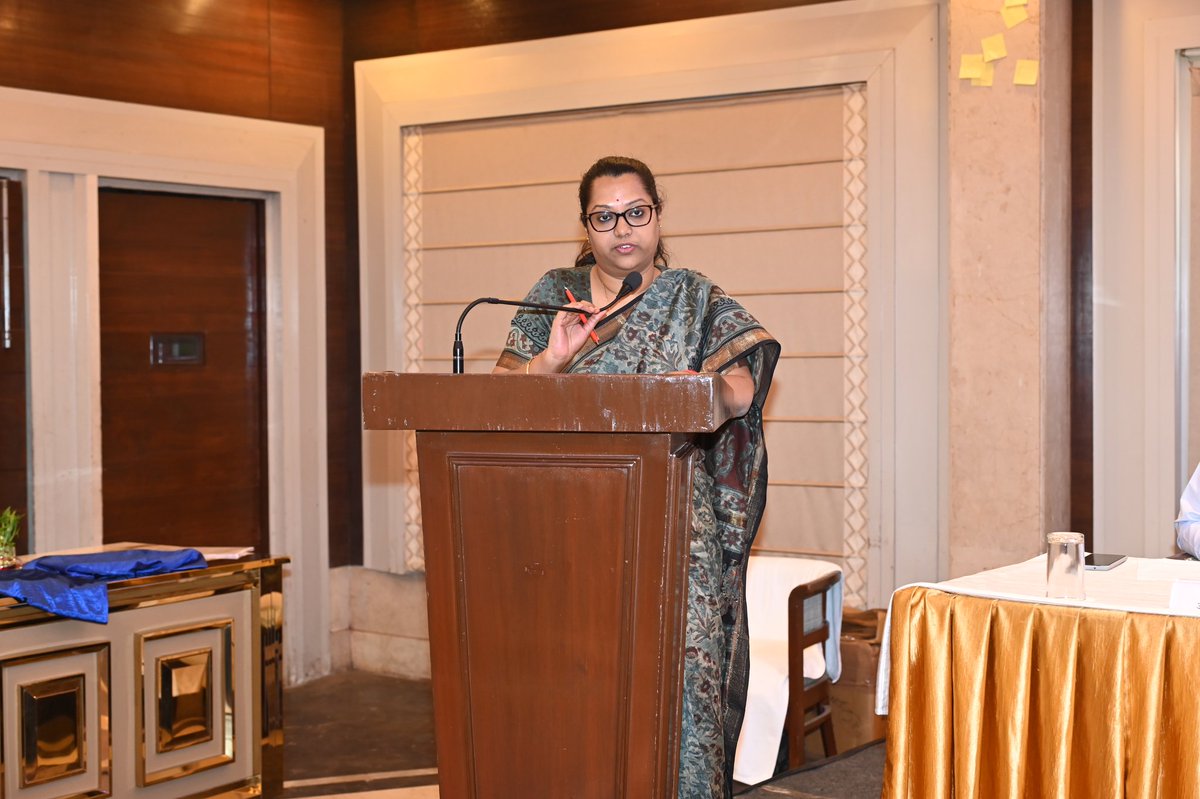
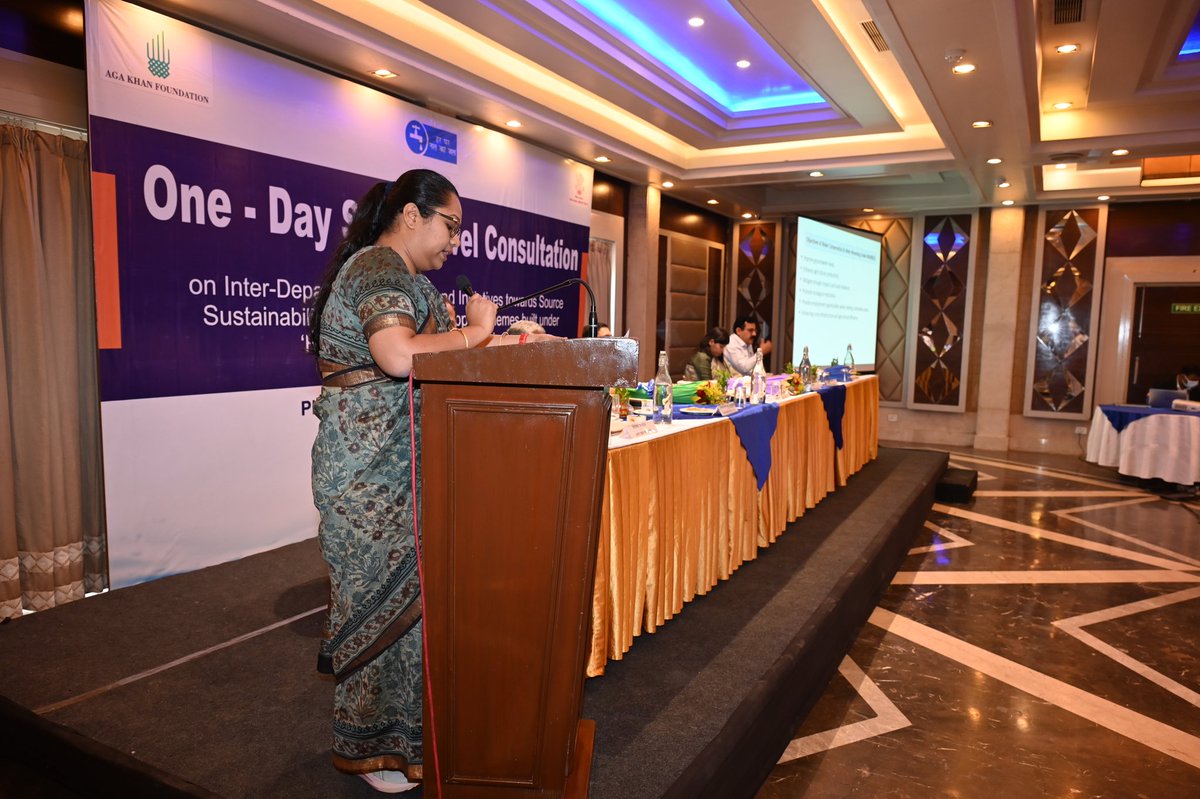
श्रीमती अभिलाषा कुमारी शर्मा (IAS), आयुक्त मनरेगा ने भूजल आधारित जलापूर्ति योजनाओं के जल स्रोत की स्थिरता हेतु अंतरविभागीय प्रयासों एवं पहल पर आयोजित राज्य स्तरीय परामर्शी कार्यशाला में शामिल प्रतिभागियों को संबोधित किया।
#HarGharNalKaJal🚰
#PHEDBihar