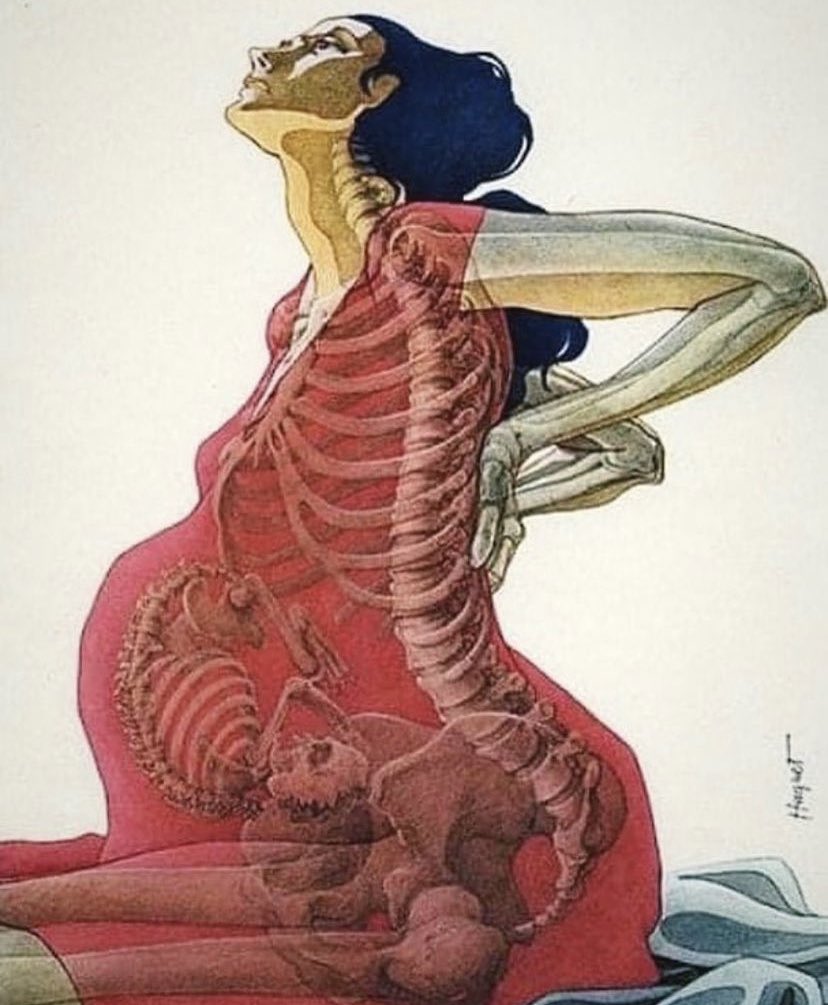
“During pregnancy, some baby cells migrate into the mother's bloodstream and then return to the child. It's called "mother-fetal microchimerism".
For 41 weeks, the cells mix and circulate back and forth, and, after the baby is born, many of these cells remain in the mother’s body, leaving a permanent imprint in the tissues, bones, brain and skin of the baby to mother, and they often remain there for decades.
Every other child a mother has will leave a similar imprint on her body.
Even if a pregnancy doesn’t end, or if you have an abortion, these cells still migrate into the bloodstream.
Research has shown that if a mother’s heart is injured, fetal cells will rush to the injury site, and transform into different types of cells that specialize in repairing the heart.
The child helps the mother repair, while the mother builds the child.
This is often the reason why some diseases fade away during pregnancy.
It's amazing how the mother's body protects the baby at all costs, and the baby protects and rebuilds the mother in return, so they can safely develop and survive.
Let's think about pregnancy cravings for a moment. What did the mother need, that the child made her wish?
The studies also showed the presence of fetal cells in her mother's brain 18 years after birth.
How wonderful is this?”
From an article by Nargis Kizalbash
Art by Enric Huguet
The detail that went into Leanne’s paintings is phenomenal - still chance to grab a ticket for tomorrow but we’ll be putting together a ‘tour’ of the exhibition shortly (including online)
Huge gratitude to all who have donated milk - you’re heroes 😍
https://t.co/Smv3die3BB
🚨New report from @WHO "Restricting digital marketing in the context of tobacco, alcohol, food and beverages, and breast-milk substitutes".
https://t.co/ZDDzpZhIFs
“You make my heart hurt because it loves you so much.” 😍
The bond between infants and their mothers is a special one indeed - with nature playing important roles (in both directions) to help promote attachment.
After birth, mothers’ brains are flooded with chemicals designed to promote bonding with their child.
Sometimes referred to as the “love chemical,” oxytocin plays a particularly influential role in the maternal brain. Its release surges during labor and breastfeeding, helping to promote attachment, caregiving, and feelings of affection.
Babies, likewise, arrive programmed to initiate secure relationships with their parents - with their cries/sounds, smiles, eye contact, and other early behaviors all designed to prompt caring adults to respond to their needs.
(Just watch how our hero maintains eye contact and responds to mom with vocalizations and facial expressions all throughout this wonderful video.).
While many new mothers feel this attachment instantaneously, bonding doesn’t always - and sometimes cannot - happen immediately. And that’s okay.
Children born prematurely, for example, often require care in a neonatal intensive care unit - limiting early interaction. For others, postpartum depression and/or recovery from surgical procedures can play a limiting role.
While the earliest days of life are ideal for the formation of strong maternal-infant bonds, the good news is that there is ample opportunity for these connections to form and strengthen all across the first year (and beyond).
The bottom line: there’s a reason for that love in your heart. Biology is here to help nurture it.
This beautiful mother-daughter bonding moment was shared to TT by aivanelli.
"Most mothers want to breastfeed, but many are interrupted by various social and environmental elements. The responsibility must not rest on individual mothers." @Milk4TinyHumans
https://t.co/aaESd9G9pO
#SaturdayScience#SupportingBreastfeeding
Today is World Ovarian Cancer Day 💙
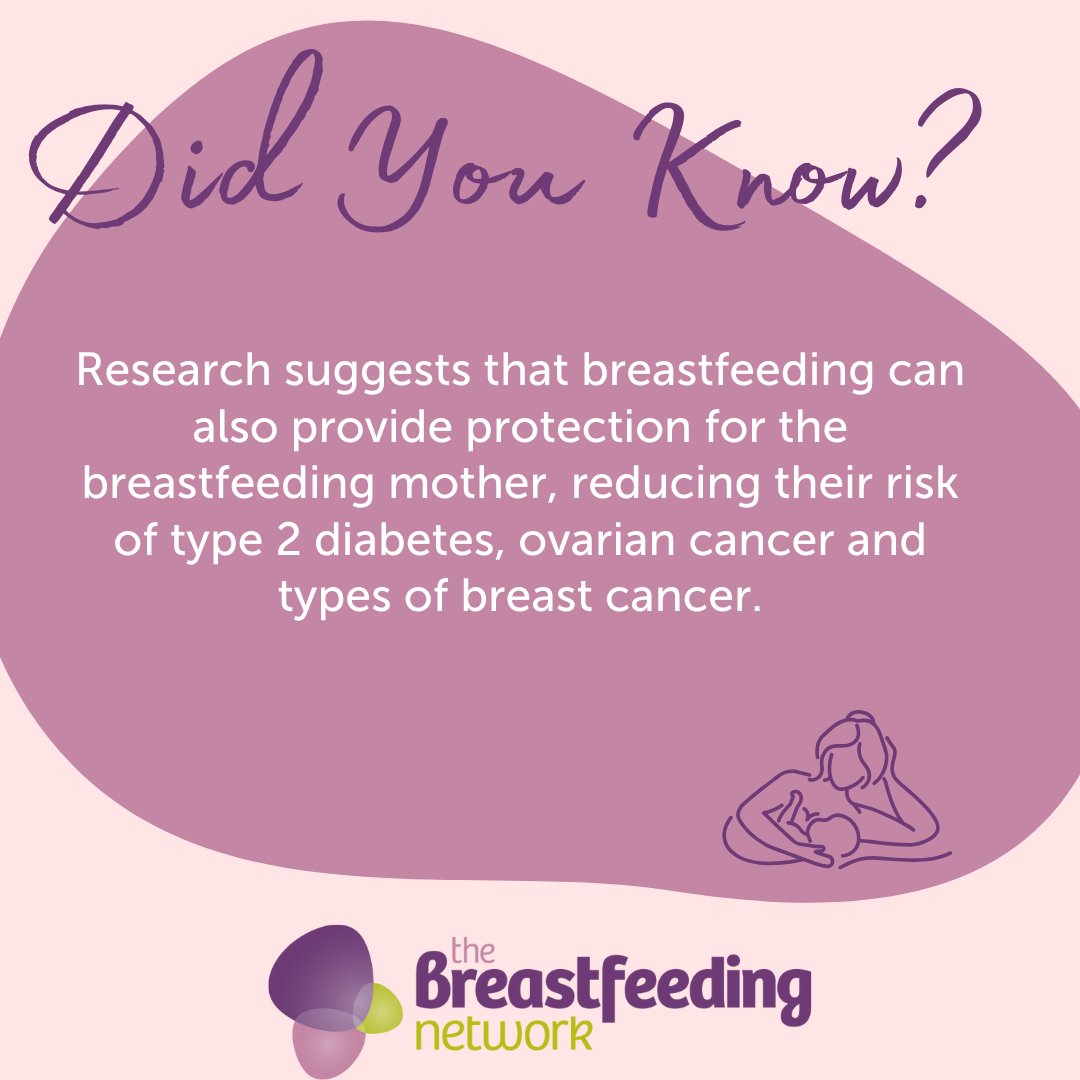
Mothers who breastfeed (or have breastfed) have a lower risk of ovarian cancer. It's important that they are given the information and support to empower them to make their own choices.
https://t.co/IJOogDZlHF
#WorldOvarianCancerDay
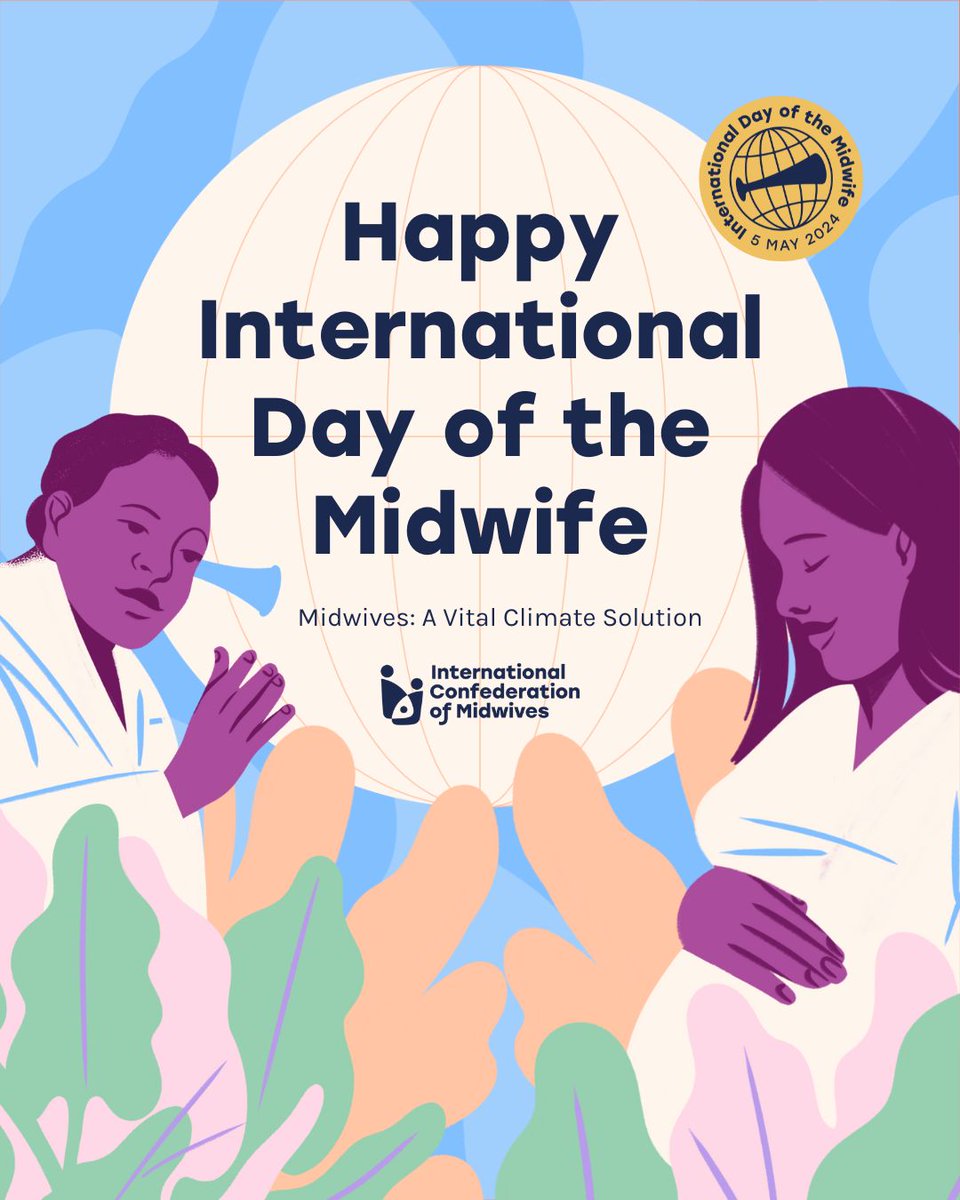
Join us to celebrate midwives on #IDM2024! 🫶
#ClimateChange poses significant health risks for women and babies. As midwives, we stand resilient, advocating for sustainable practices and providing essential care, especially in times of crisis.
👉 https://t.co/kaFn48OKmr
How much do 1-year-olds typically nurse? This 2024 research answers that question. I just love studies that reveal more about normal breastfeeding, and this one qualifies! Free download here: https://t.co/LR2AgcoY8y
Hi, I signed a petition to Members of the Sixth Committee of the UN General Assembly which says: Stop the UN from Criminalizing Your Christian Beliefs. Will you sign this petition? Click here: https://t.co/ixxR0ildwl Thanks!
Doug Ford is paying private, for-profit clinics more than twice as much as public hospitals to fund the very same surgeries. No more public money for private care! Sign the petition now: https://t.co/mvJ0VqD8ZP
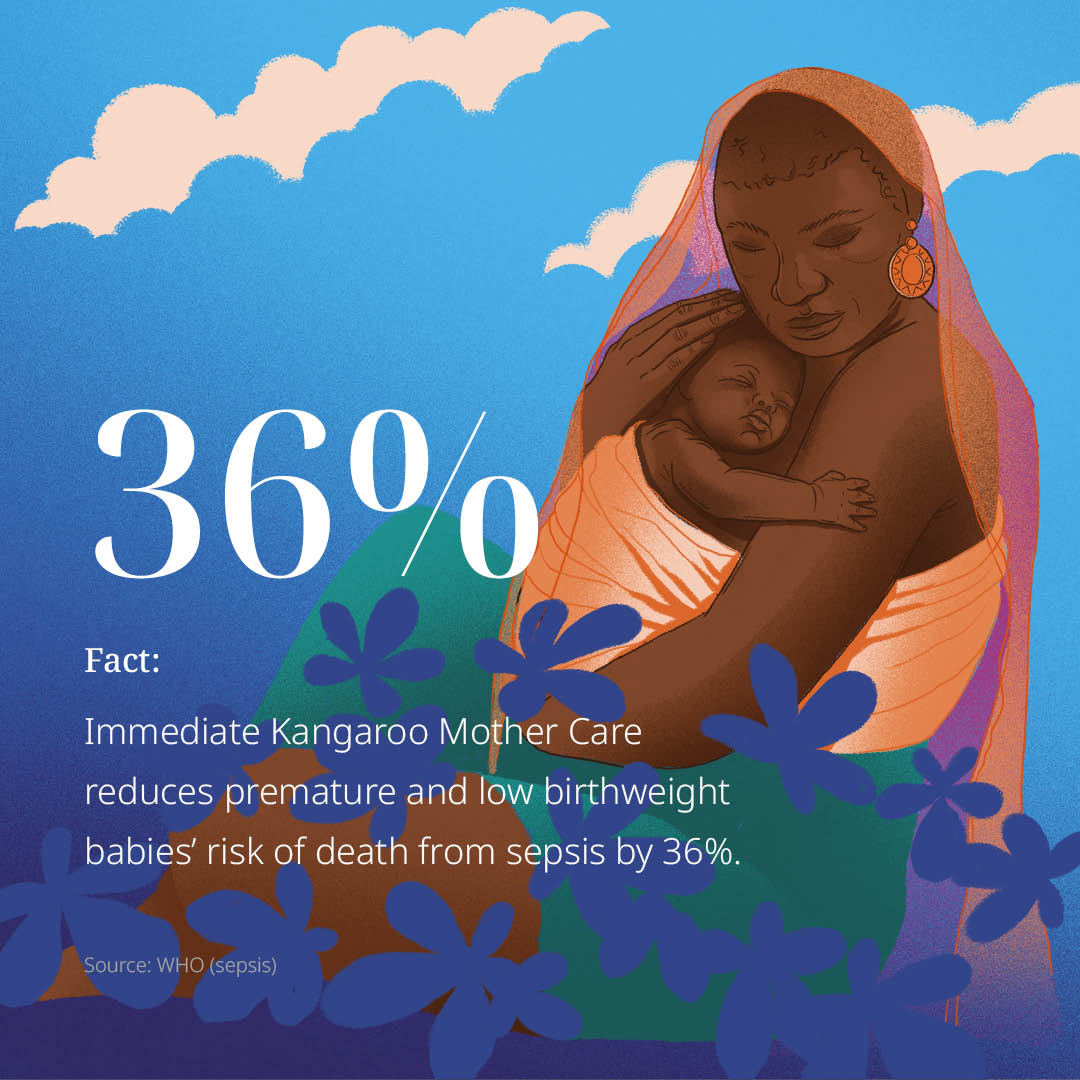
A mother’s touch can be lifesaving. The skin-to-skin contact of immediate Kangaroo Mother Care and nourishment from #breastfeeding could save 150,000 newborns each year and transform maternal and newborn care. #WorldPrematurityDay#ZeroSeparation