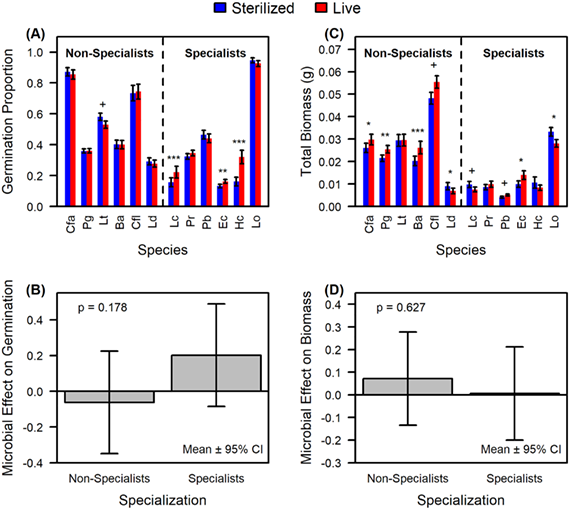
Recently @Dr_Hypervolume@MichelleAfkhami@asdavid34 Chris Searcy, Eric Menges, and Kevin Main published in New Phytologist "Microbiome-mediated response to pulse fire disturbance outweighs the effects of fire legacy on plant performance."
Read it here!
https://t.co/ndjv2NtgX7
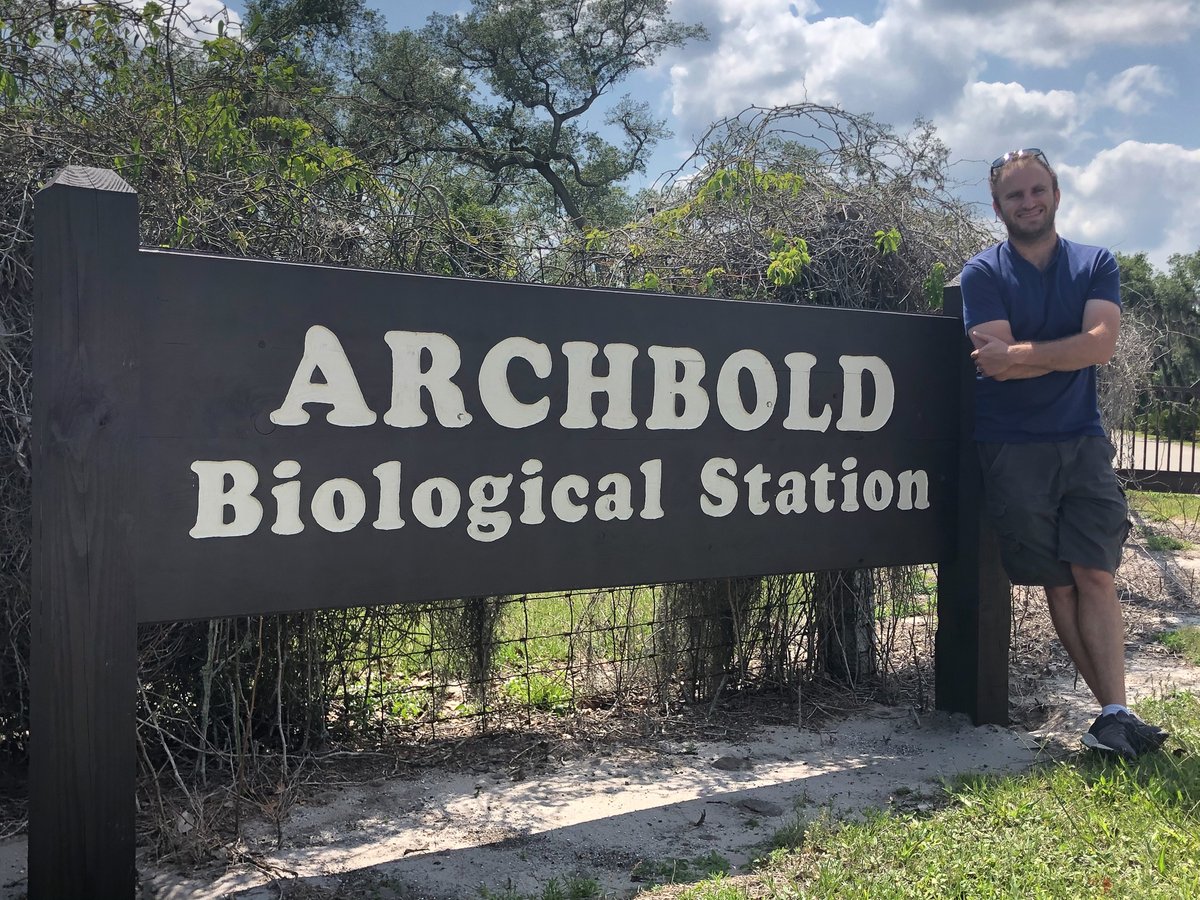
I'm excited to announce that I'll be starting as the new Director of Plant Ecology at Archbold Biological Station this summer! Looking forward to good times ahead in the scrub! #newPI
My first dissertation chapter is out in @ISMEJournal! We looked at how microbial networks increasingly display characteristics of unstable networks as environmental stress increases. https://t.co/tfPdSM7TO6 Summary below: 1/6
Check out our new paper in @ConLetters! Analyzing state level species protections emphasizes the importance of the #ESA. We need increased protection from both federal and state laws to best conserve imperiled species https://t.co/RjiA9pZl5E
NEW: An NBC News review of Minneapolis police misconduct reports suggests the filing process is difficult and unclear and a large number are going uninvestigated.
w/ @omarabdelb and @juliaingram_
https://t.co/pgYIXDBj3j
Check out the latest issue of @ConBiology which features our Research Note titled “Use of standardized methods to improve extinction-risk classification”
Do plant-microbe interactions support the Stress Gradient Hypothesis? Check out our new study in Ecology! @MichelleAfkhami@khumbdr Eric Menges and Chris Searcy https://t.co/KSHXrQPRg6
Check out our new paper now published as Early View at @ConBiology! We demonstrate how using standardized, quantitative methods to assess extinction-risk could improve the consistency, transparency, and effectiveness of listing decisions
https://t.co/L5bK6jUtuw
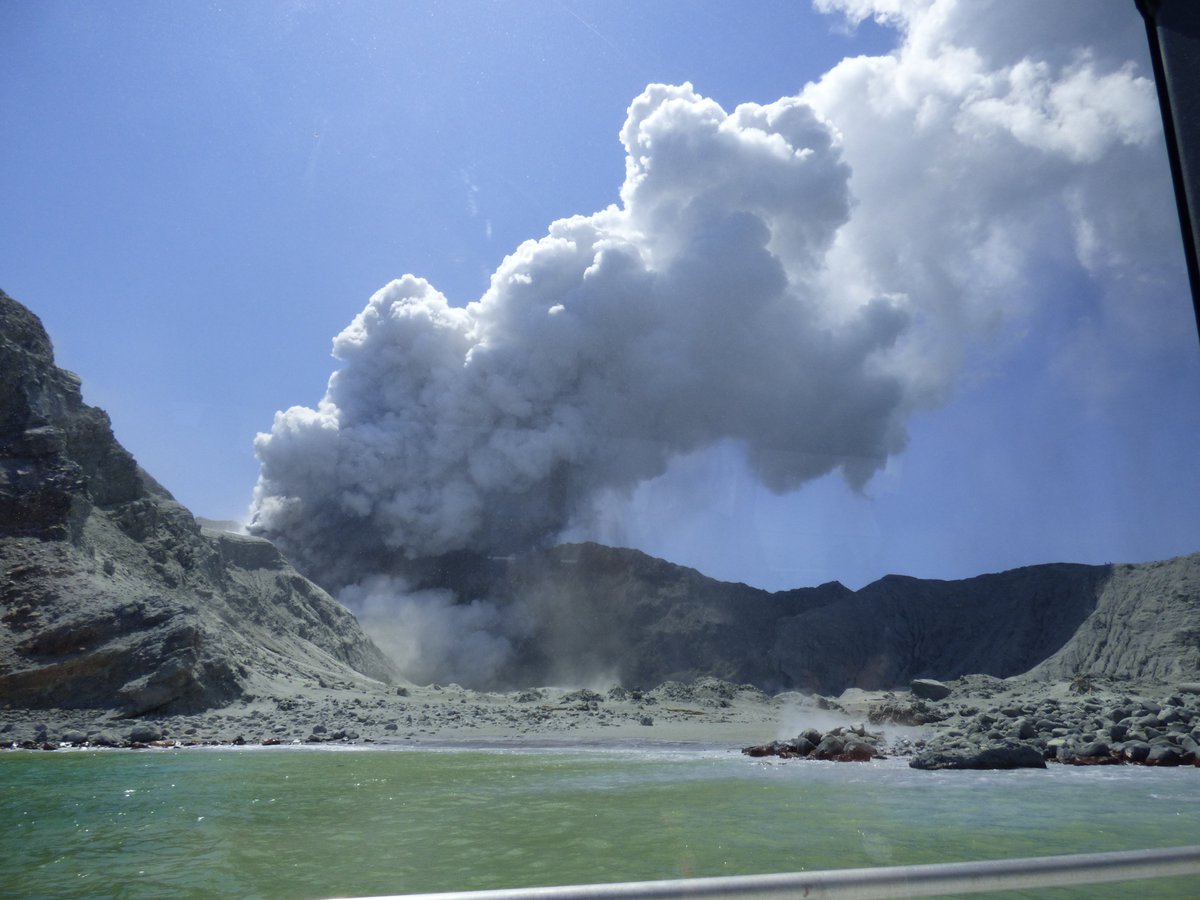
We were at White Island when the volcano blew. We had just gotten off the island but our tourboat went back to the bay and we managed to pull out 20, 30 survivors? So heartbroken for the families of those who didn't make it, I hope they can understand we did everything we could.
If birds’ smells are shaped by their bacteria, their preferences for mates and other choices could be related to populations of microbes that live inside their bodies. https://t.co/AtuCvsoaw2
New pub out! Excited to see the final piece of my Ph.D. research in print, and great working with some fantastic folks on it! @e_seabloom @ldereske @emerysar https://t.co/hwi9u3ND30
Check out our new pub in @ASNAmNat! Soil microbiomes underlie population persistence of an endangered plant species @MichelleAfkhami@khumbdr@ArchboldStation https://t.co/vLnFTzSff8